
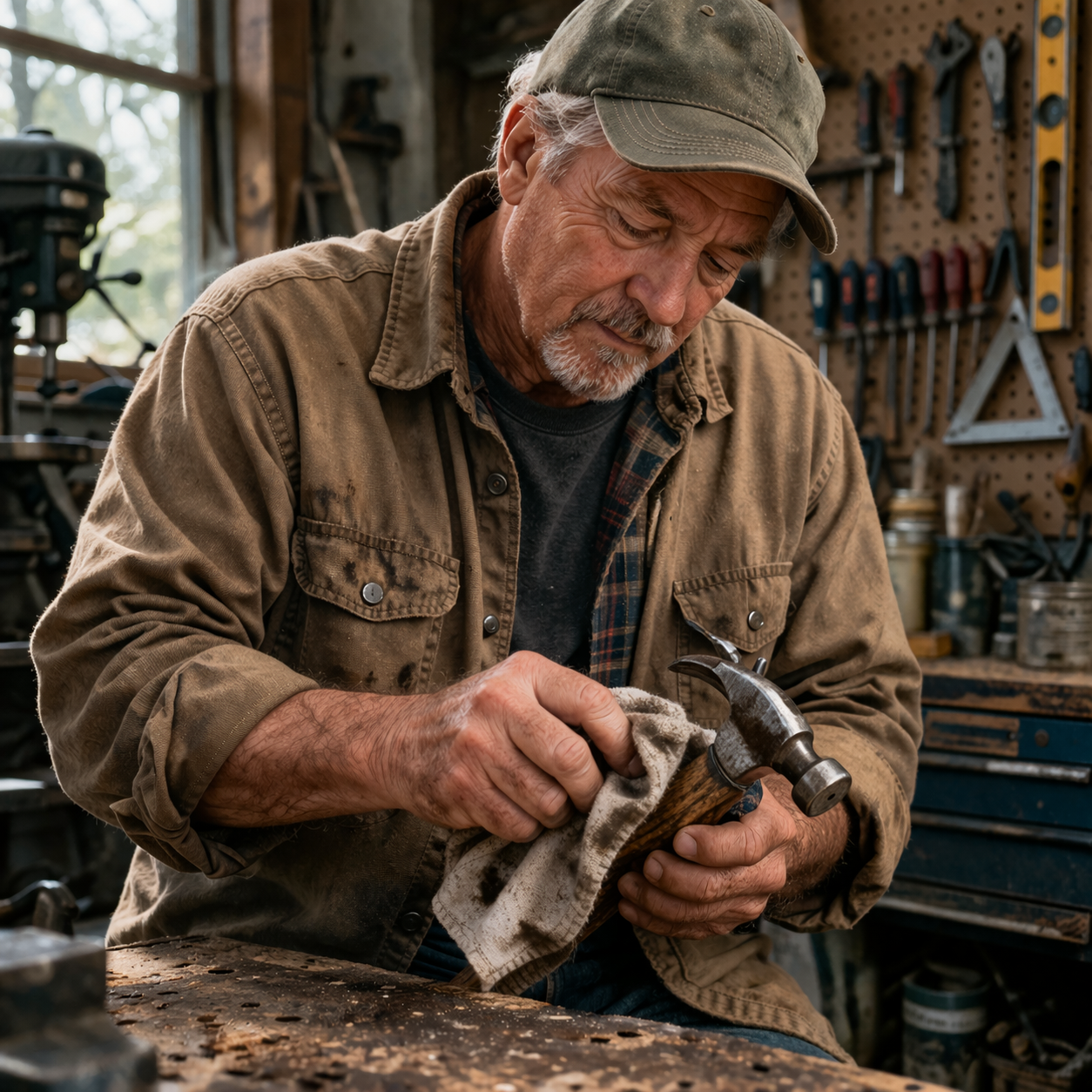
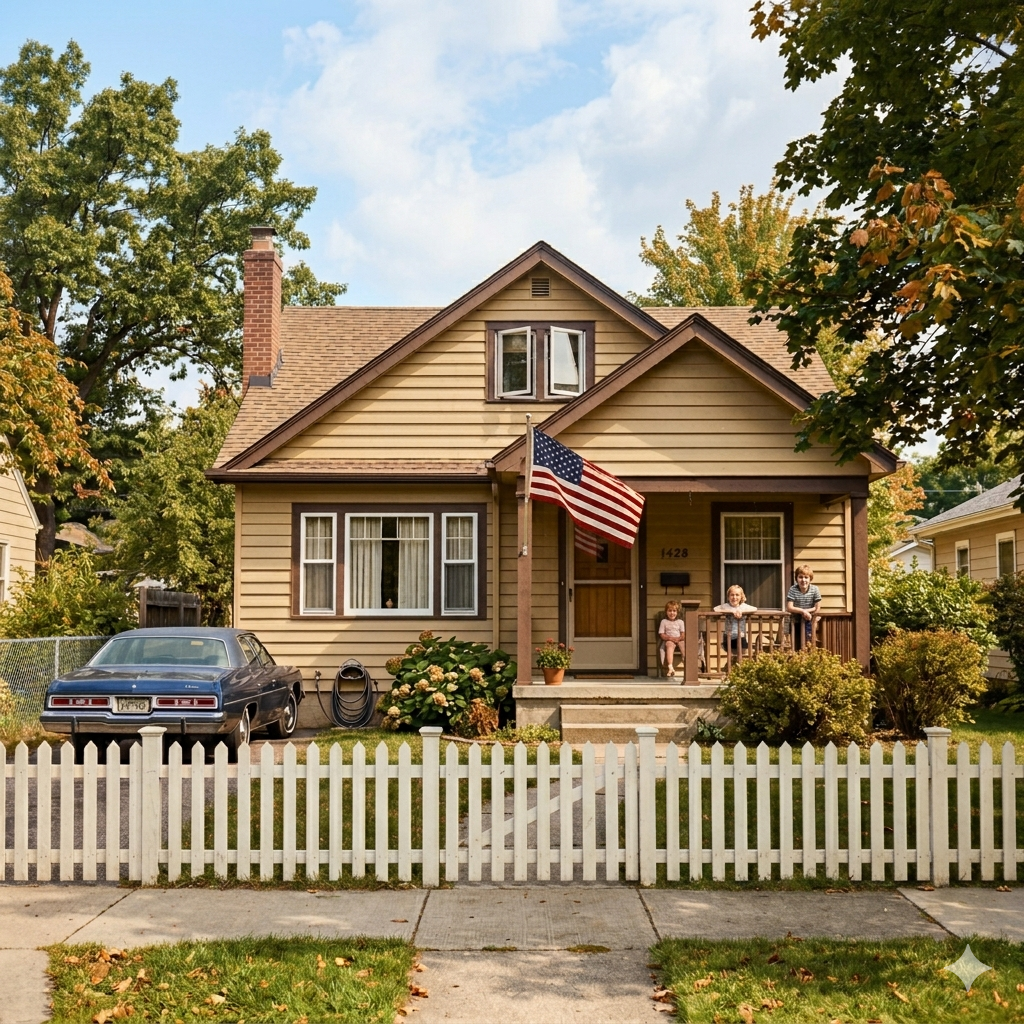
Back in our childhoods, our communities were connected by unwritten rules of kindness.
Today, the world feels faster and perhaps a bit more private, but the nostalgia for those simpler days remains.
Looking back at these lost traditions reminds us of the warmth found in a truly connected community. Let’s take a trip down memory lane to see what we’ve left behind.
27. Christmas mornings with our Neighbors
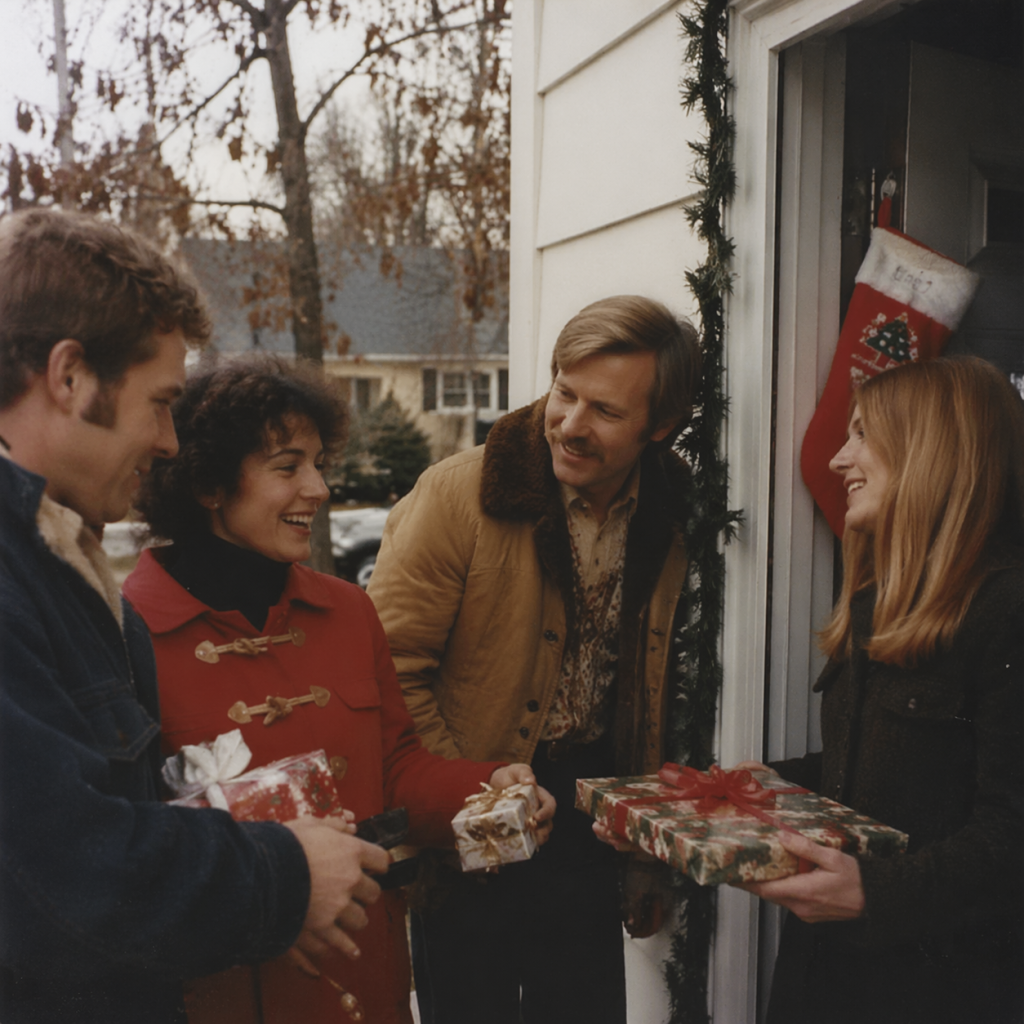
Christmas used to be a sensory overload of ripping paper and chaotic laughter. Neighbors would knock on doors to wish each other a proud “Merry Christmas”.
And it was even better without phones. No one was worried about the lighting or finding the perfect angle for a story post.
The only “feed” we cared about was the one happening at home. We were fully present in the mess and the magic of the moment.
It was a time for eye contact and genuine surprises. Now, we often view the holiday through a glass screen instead of our own eyes.
26. Borrowing tools instead of buying everything yourself
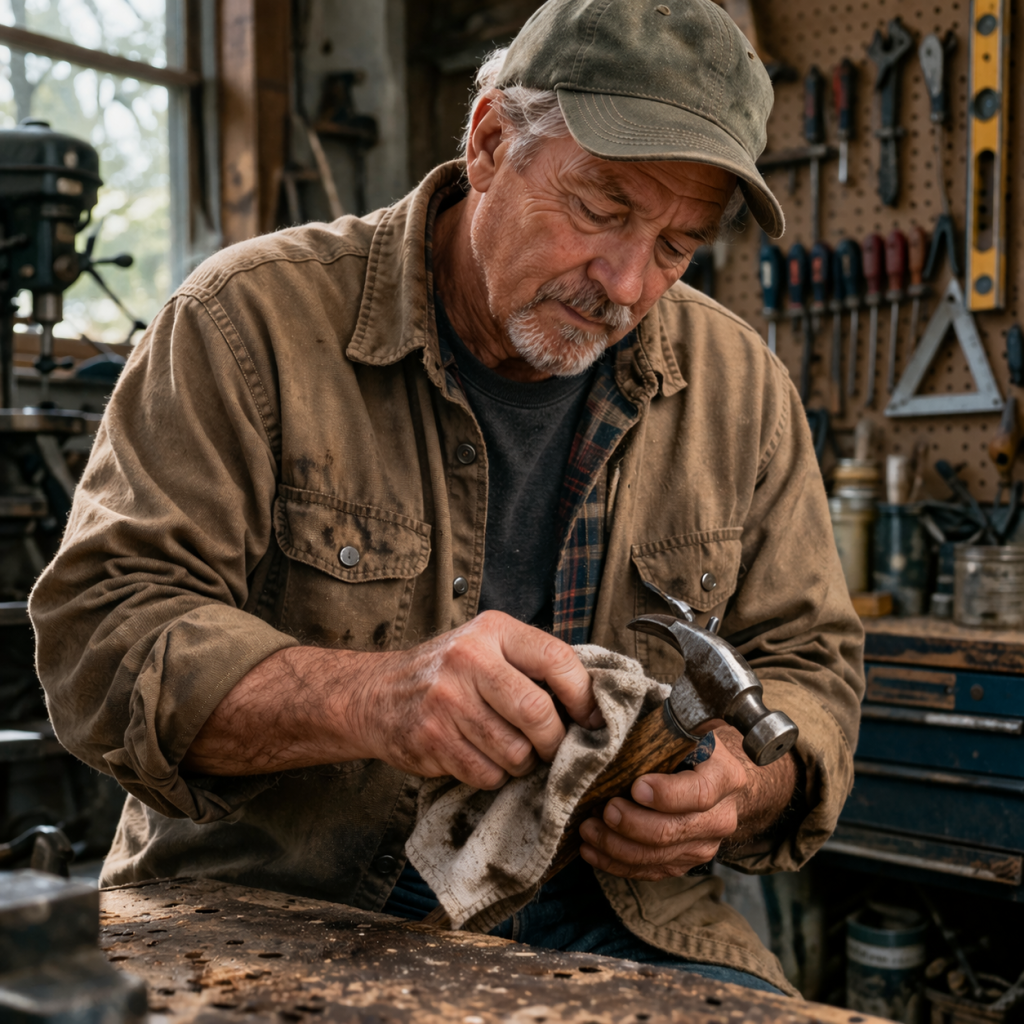
If you needed a ladder, you didn’t head to the hardware store; you headed next door. Borrowing a wrench was an excuse for a fifteen-minute chat.
There was a beautiful economy of trust in sharing what we owned. We relied on each other to get the weekend chores finished.
Today, our garages are full of duplicate tools gathering dust. We traded community reliance for the convenience of a “buy now” button.
25. Block parties that turned strangers into lifelong friends
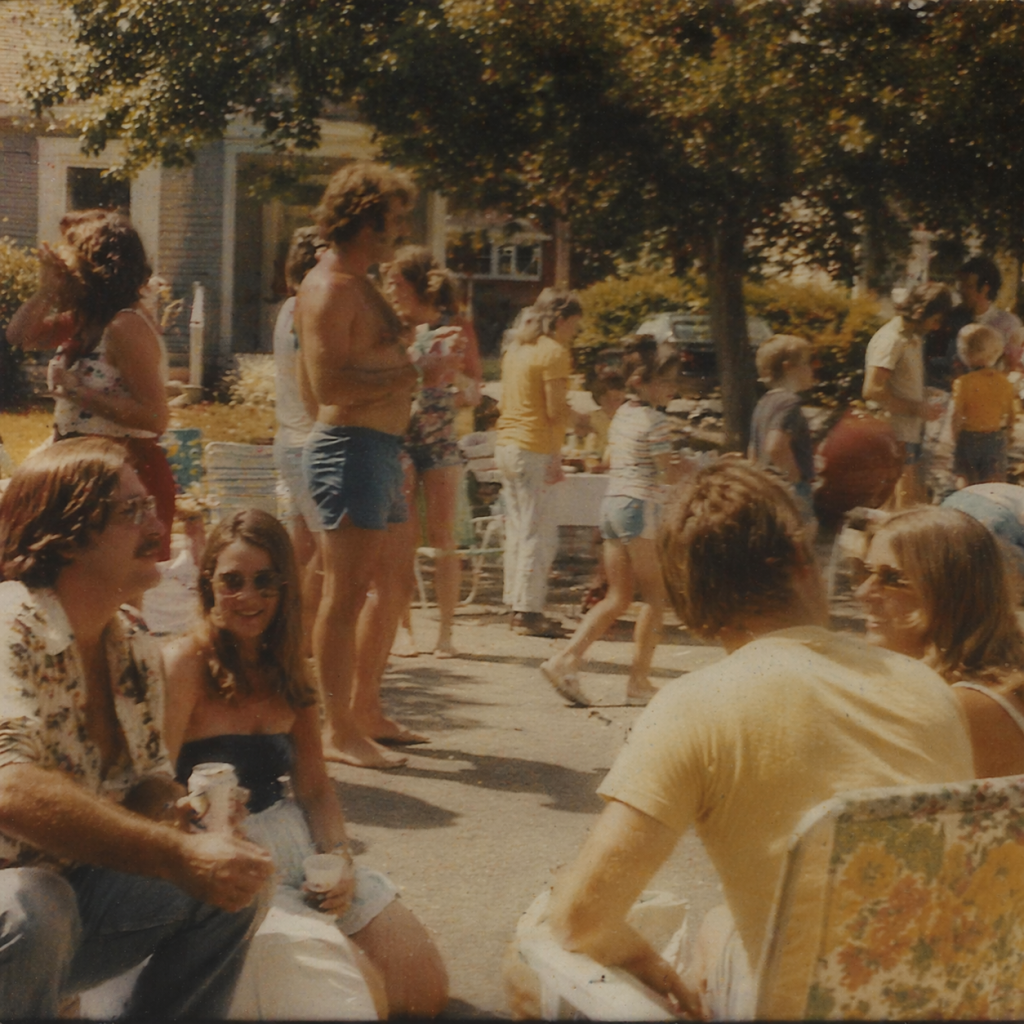
The street was our living room, and the local permit was a ticket to joy. Grills lined the pavement while kids ran through shared sprinklers.
You learned the names of the people three houses down over a paper plate of potato salad. These parties bridged the gaps between different ages and backgrounds.
Now, we often pull into our garages and let the door close behind us. We’ve lost the casual magic of a whole street celebrating together.
24. Kids playing outside unsupervised until dusk
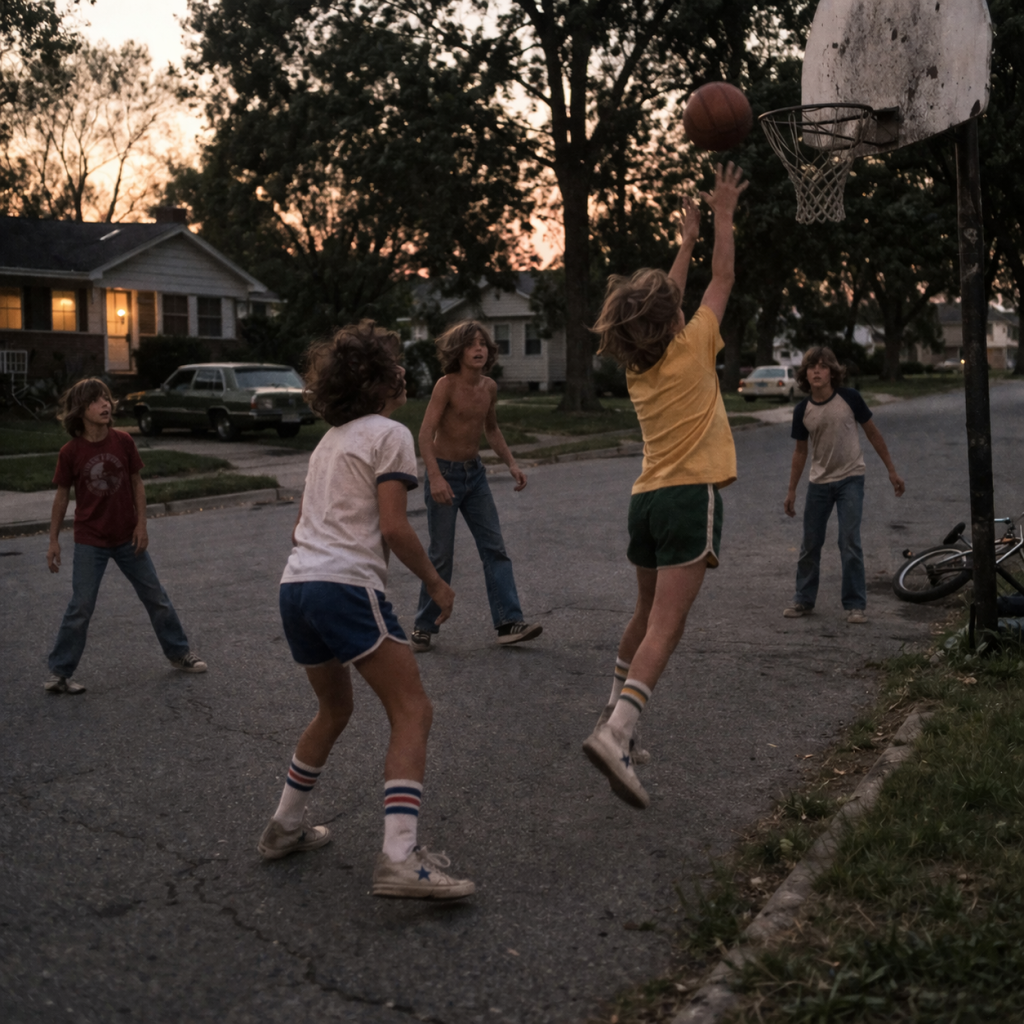
The neighborhood was a giant playground governed by a loose set of rules. We weren’t scheduled for playdates; we just found each other in the dirt.
As long as you were home by the time the streetlights flickered on, you were safe. We learned how to settle our own disputes and create our own fun.
Today’s empty sidewalks feel like a quiet shift in how we view childhood. The freedom to simply wander has been replaced by structured supervision.
23. Church on Christmas Eve with the whole town packed in
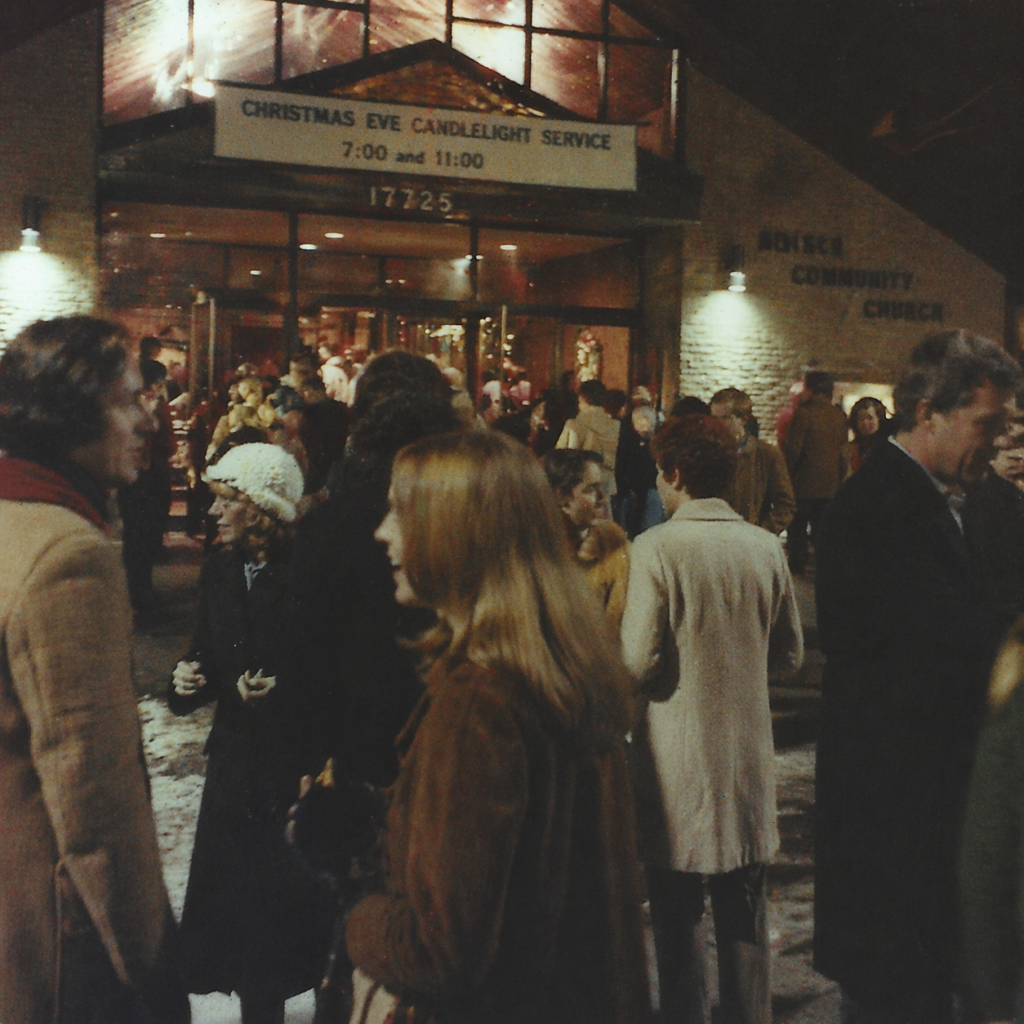
The sanctuary was always a little too warm and smelled deeply of pine. Even those who rarely attended showed up for the candlelit hymns.
It was the one night where the entire town seemed to breathe in unison. You’d nod to the mailman and the baker in the crowded pews.
The shared silence during “Silent Night” felt like a heavy, beautiful blanket. That sense of a collective town soul is harder to find these days.
22. Kids knocking on doors for school fundraisers
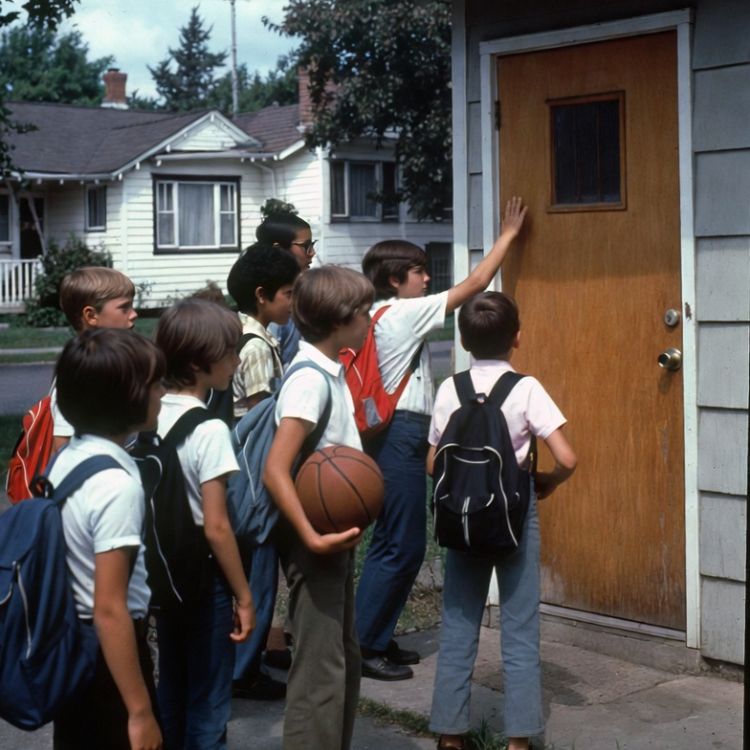
A knock at the door usually meant a neighbor’s kid selling chocolate or wrapping paper. You didn’t hide behind the curtain; you reached for your wallet.
These interactions taught kids how to speak to adults with confidence. It was a small way for the community to invest in its own youth.
Now, these fundraisers often happen via email links sent to coworkers. We’ve lost that face-to-face bridge between the generations on our own porch.
21. Thanksgiving dinners that lasted half the day
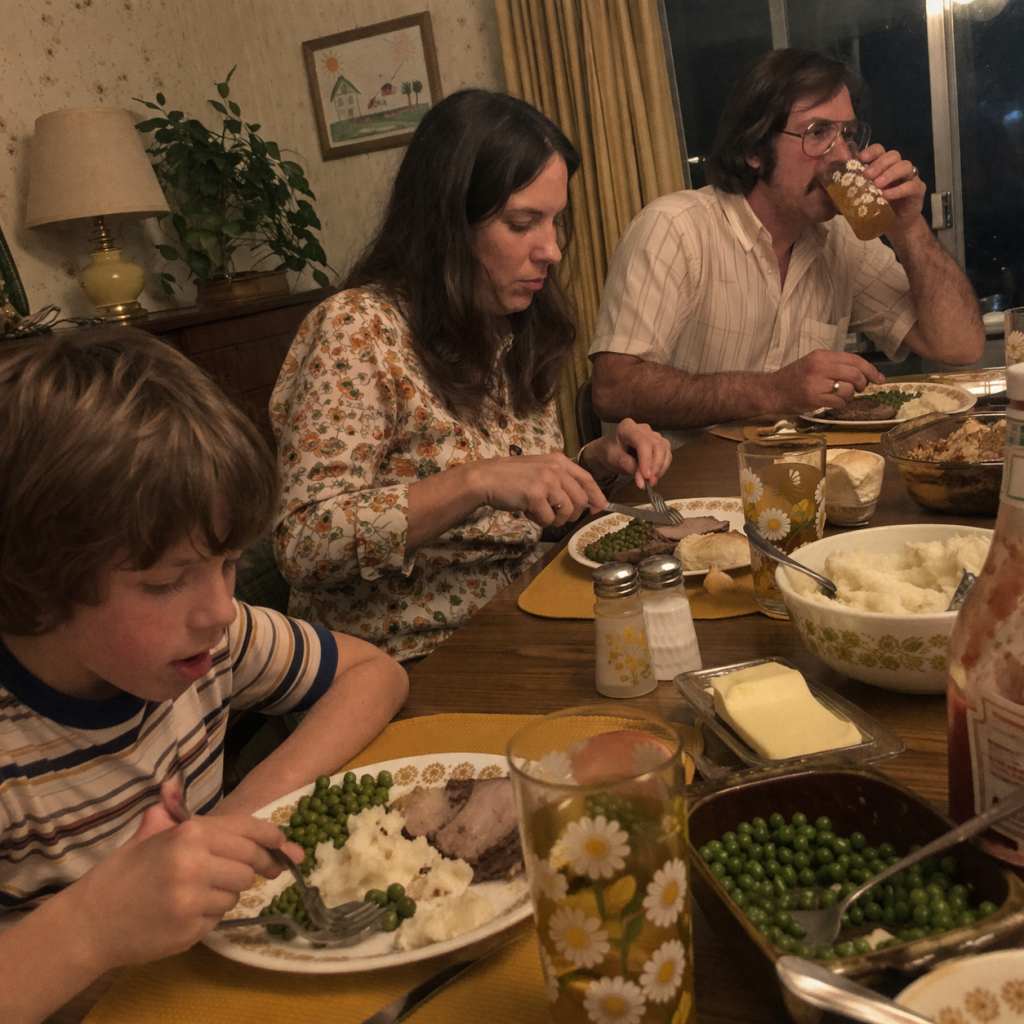
Dinner wasn’t just a meal; it was an endurance sport of storytelling and snacks. We sat at the table long after the turkey was a skeleton.
The conversation flowed through multiple rounds of coffee and various pies. No one was rushing off to catch a “doorbuster” sale at a big-box store.
The day was anchored by the slow pace of togetherness. We traded those long, lingering afternoons for a faster, more commercialized holiday.
20. Front porch conversations that went on until dark
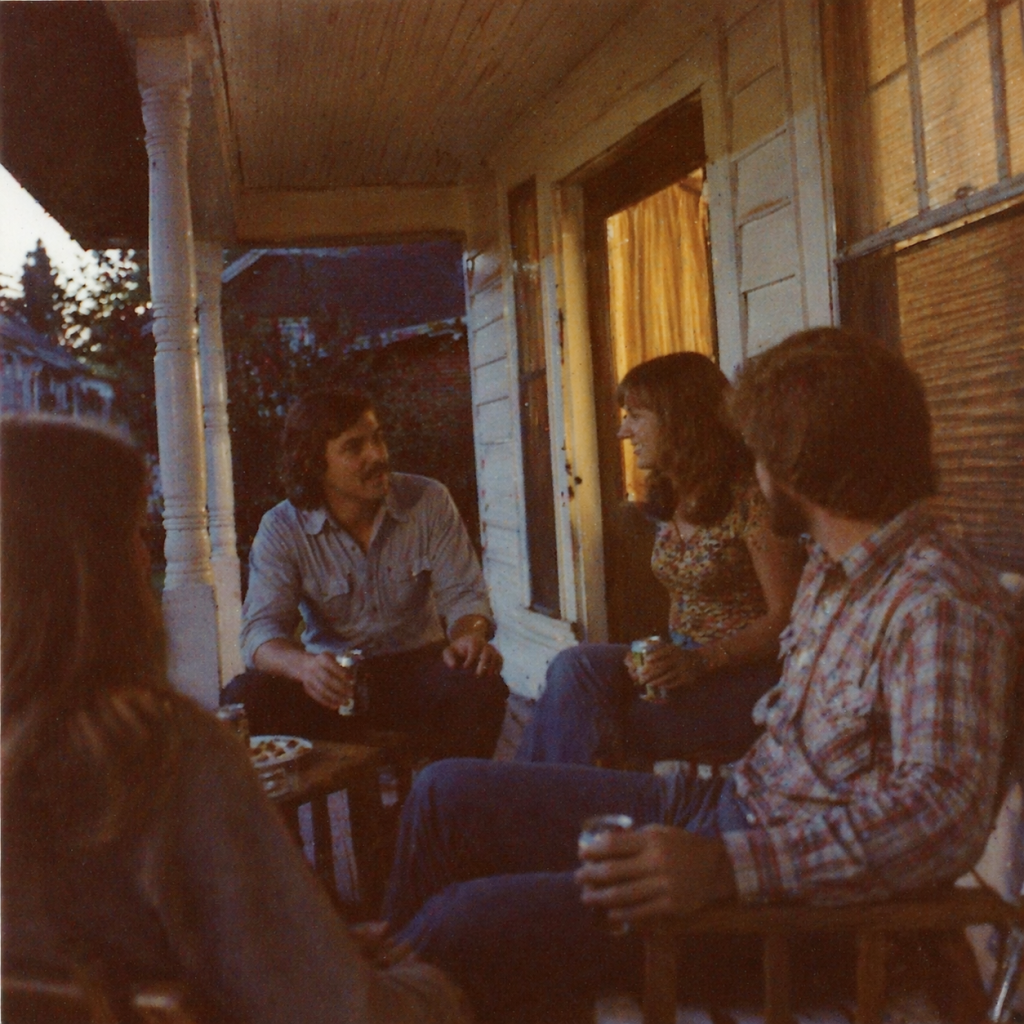
The porch was the original social media, and the “refresh” button was a neighbor walking by. You didn’t need an invitation to stop and chat for a while.
As the sun dipped low, the talk turned to local news and family updates. It was a relaxed, low-pressure way to stay connected to your world.
Now, we spend our evenings in backyard retreats behind tall privacy fences. We’ve gained seclusion but lost the easy flow of neighborhood gossip.
19. Community potlucks where every dish had a story
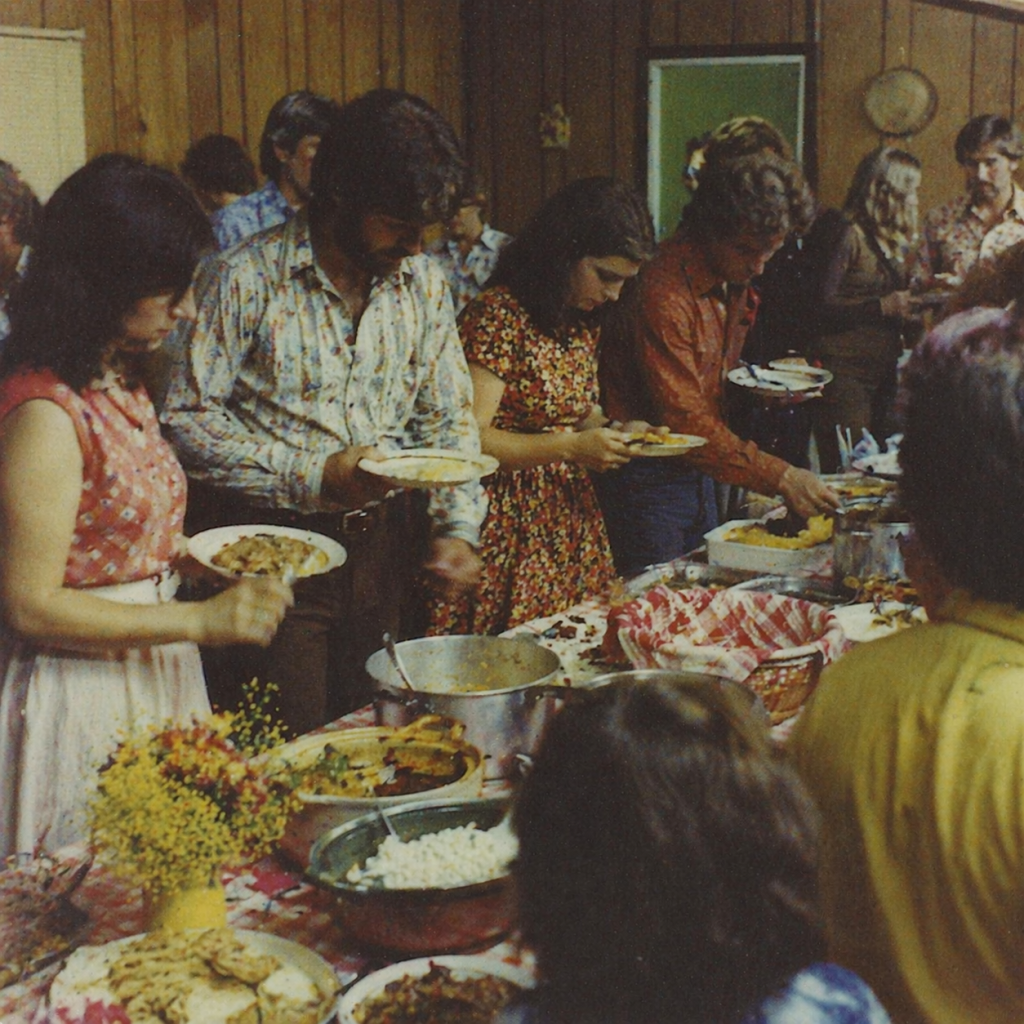
The long tables were a mosaic of mismatched Tupperware and family secrets. You knew exactly whose aunt made the “famous” macaroni and cheese.
Sharing a meal meant literally tasting the heritage of your neighbors. These gatherings turned a simple park pavilion into a grand banquet hall.
Today, we tend to cater our events or stick to small, private circles. The grand, messy, delicious community table has largely folded up its legs.
18. Handwritten cards that actually meant something
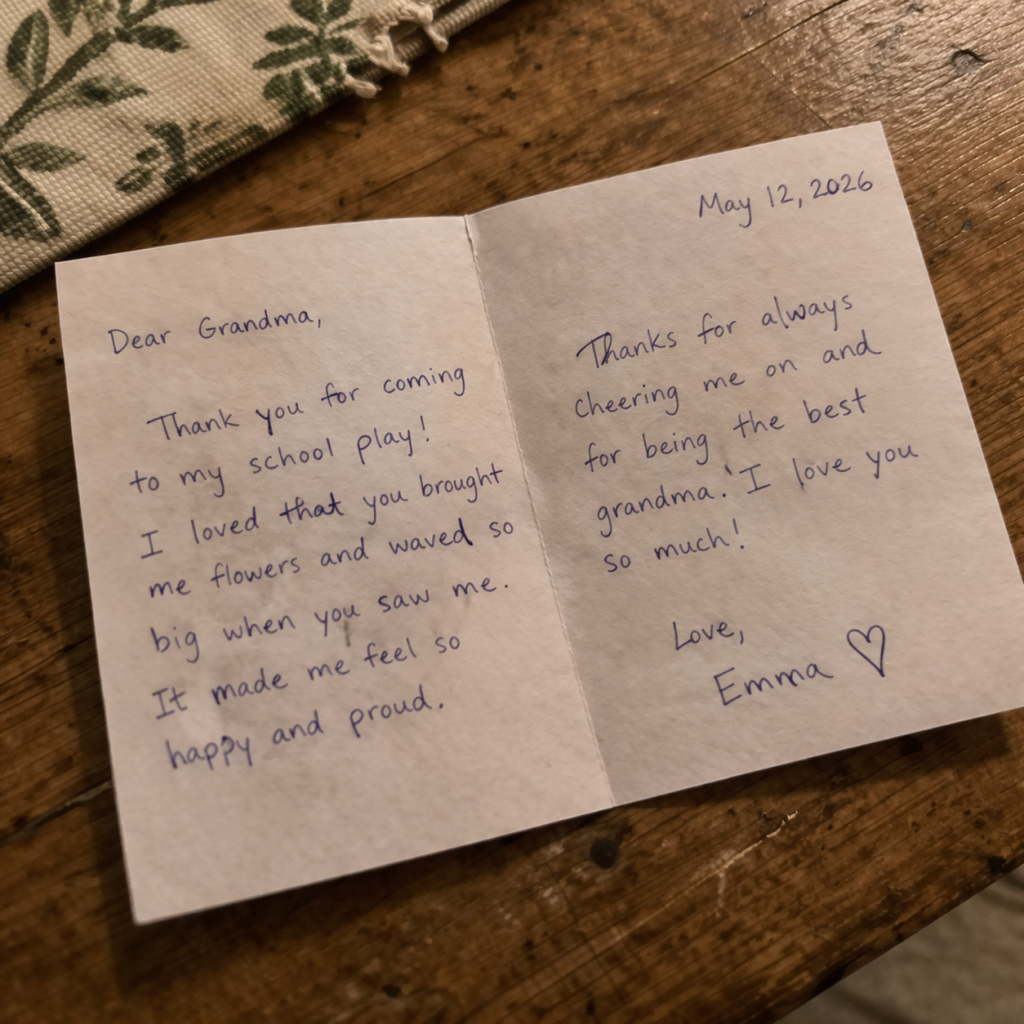
Opening the mailbox used to yield treasures written in ink, not just bills. A card meant someone sat down and thought specifically about you.
We saved those envelopes and tucked them into the corners of mirrors. The tactile feel of paper and pen added weight to the sentiment.
Digital “Happy Birthday” posts feel like a pale shadow of that effort. We’ve exchanged the permanence of a letter for the fleetingness of a notification.
17. Easter egg hunts organized by the whole neighborhood
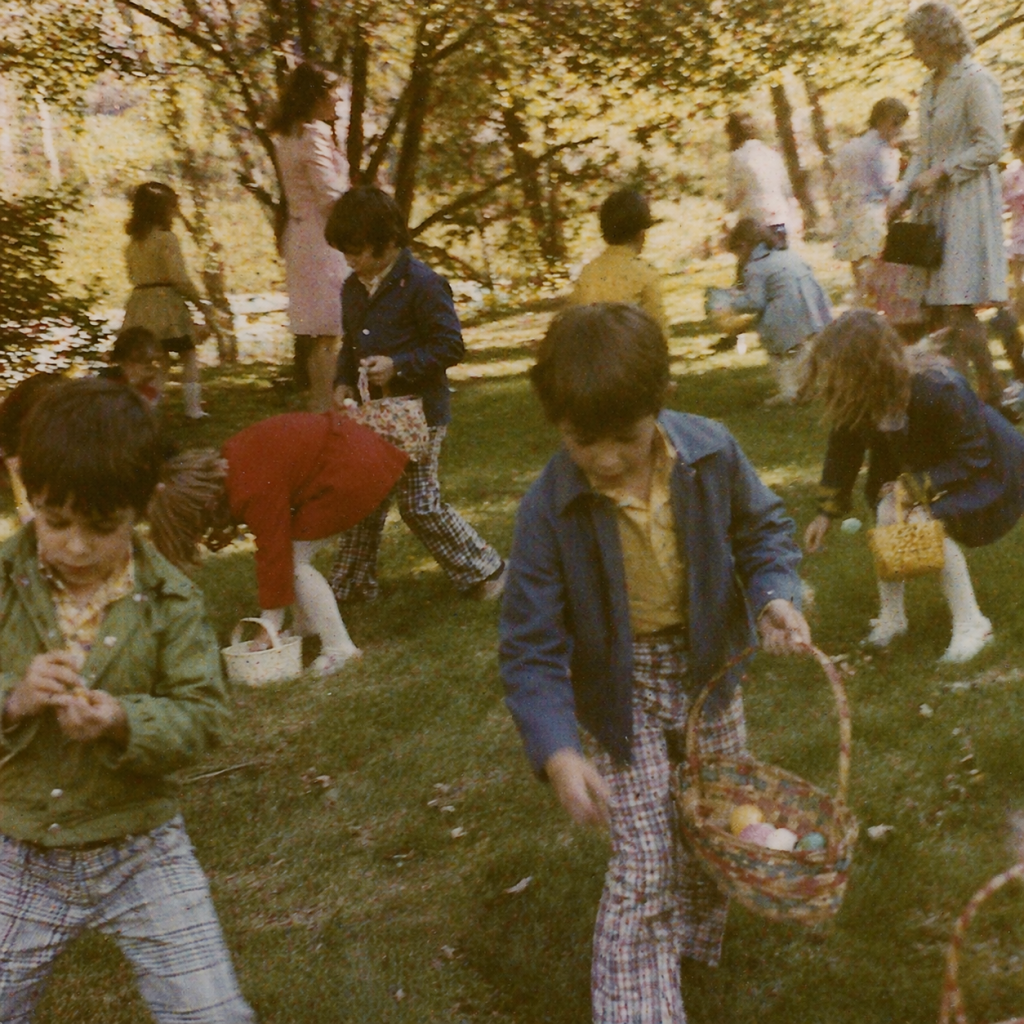
Every backyard was a potential hiding spot for plastic treasures and dyed eggs. The local kids moved in a colorful swarm across everyone’s property.
Parents stood on the sidelines with thermoses, laughing at the chaos. It wasn’t about the prizes; it was about the collective hunt.
Now, many of these events are hyper-organized by municipalities or malls. The organic, lawn-to-lawn scramble has mostly vanished from our streets.
16. Local parades where you recognized every face
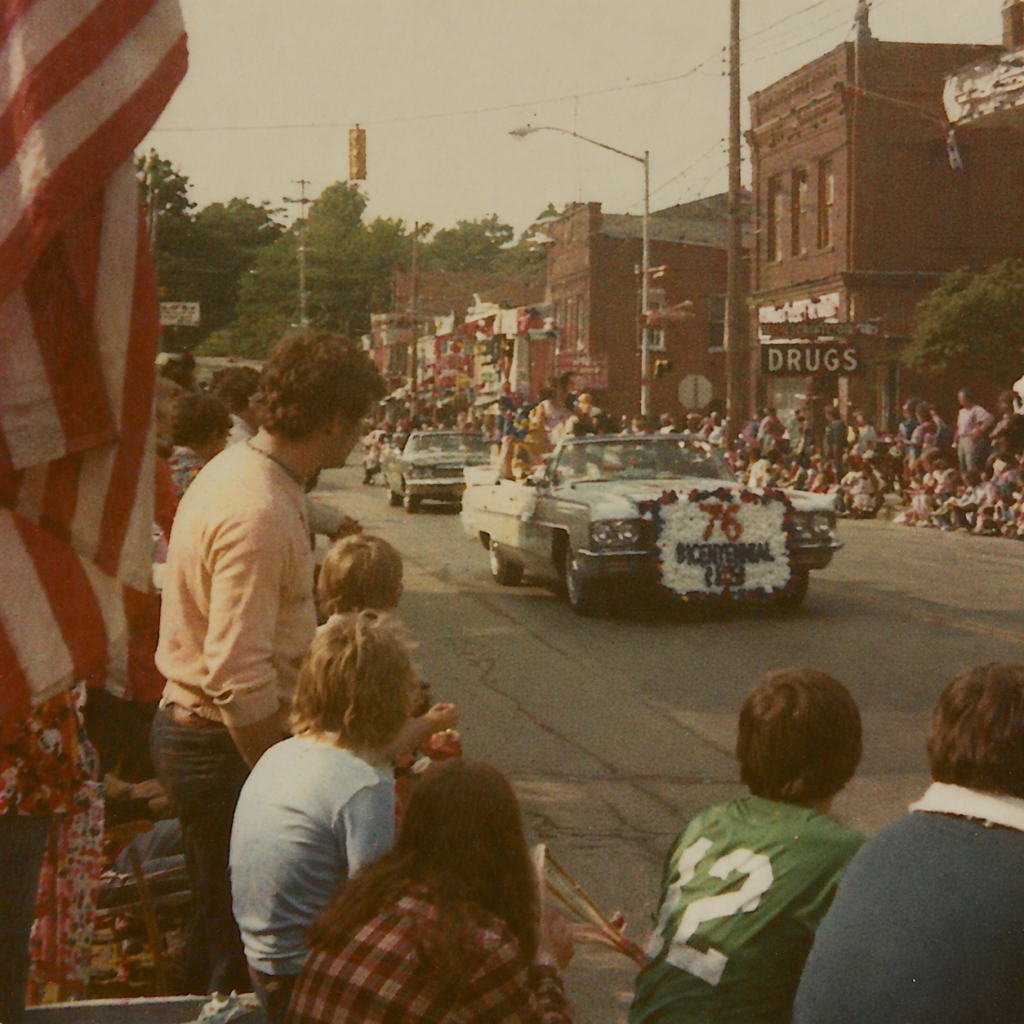
The “floats” were often just decorated tractors or the local high school band. You waved because you actually knew the person riding in the car.
It was a celebration of local identity, however small or quirky. The fire truck at the end was always the highlight for the kids.
Modern parades are often professional spectacles with corporate sponsors and strangers. We’ve lost that intimate feeling of a town throwing a party for itself.
15. Small-town fairs run by people, not companies
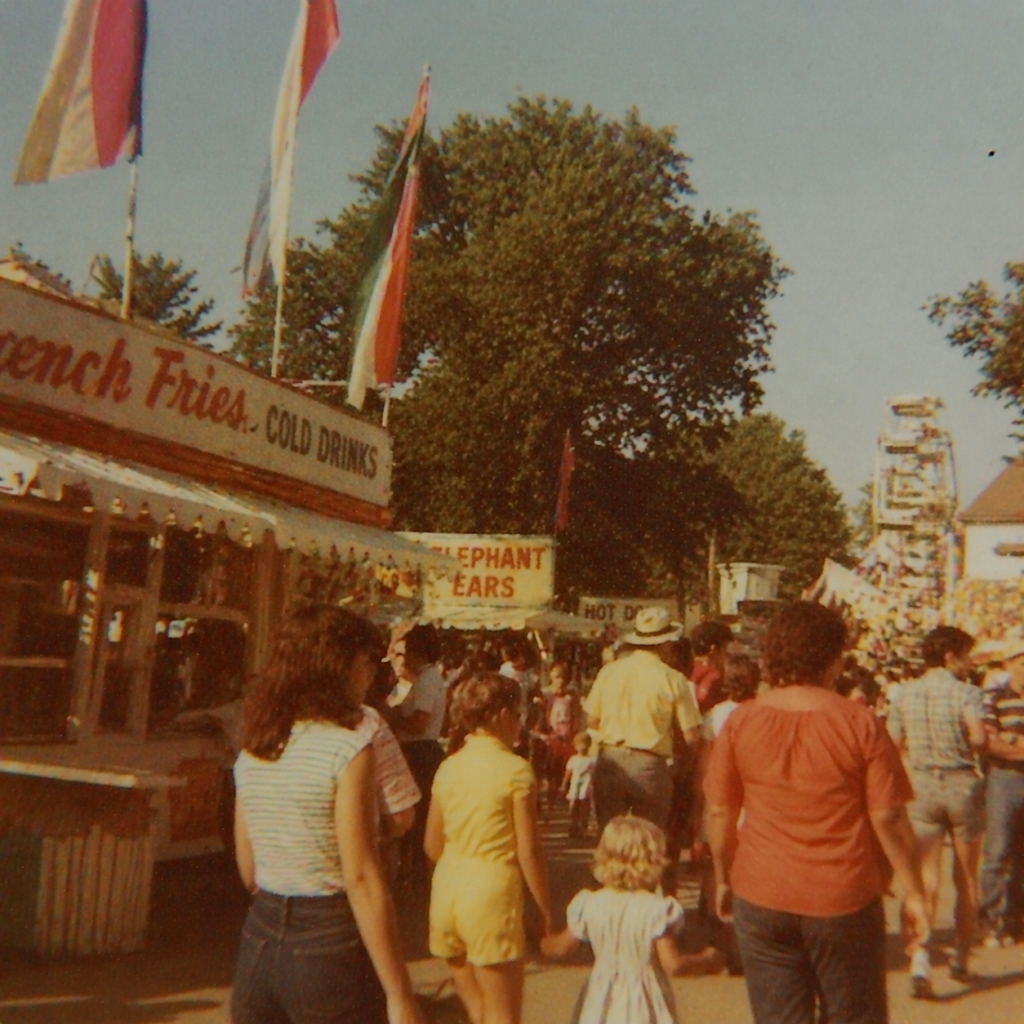
The prize for the best jam actually meant something to the lady down the street. Rides were simple, and the games were run by local volunteers.
There was a handmade quality to everything from the booths to the livestock shows. It felt like a showcase of the community’s hard work.
Today’s fairs often feel like traveling carnivals with no connection to the land. The heart of the local harvest has been replaced by neon and noise.
14. Knowing every neighbor on your street
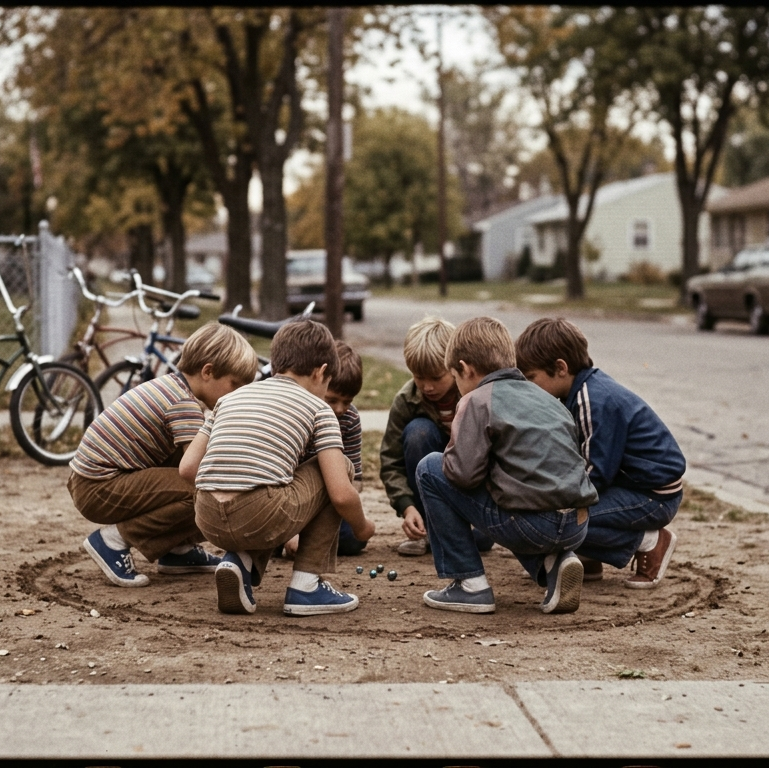
You didn’t just know their names; you knew their dogs and their birthdays. A walk to the corner store took forever because of all the greetings.
There was a built-in safety net in being so deeply known by others. People looked out for your house because it was part of their world too.
Now, we often live next to “the guy in the blue house” for years. This anonymity has made our neighborhoods feel more like a collection of islands.
13. Neighborhood caroling on cold December nights
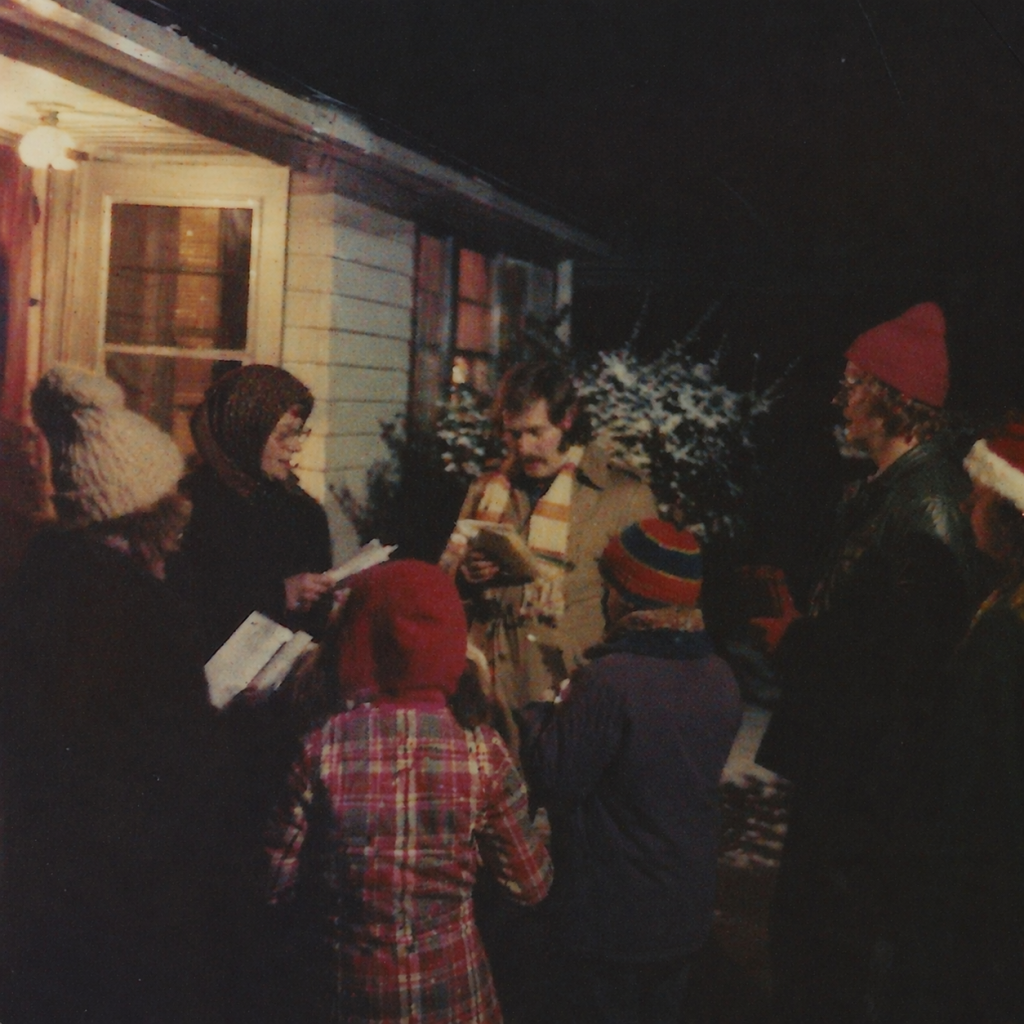
Groups of families would wander the streets, singing off-key but with great heart. Seeing a group on your porch was a gift of pure holiday spirit.
You’d offer them hot cocoa or a cookie before they moved to the next house. It was a brave, joyful way to break the winter’s chill.
The tradition of singing to strangers has almost completely faded away. Our doorways remain quiet now, even during the most festive of seasons.
12. Kids roaming freely from house to house all day
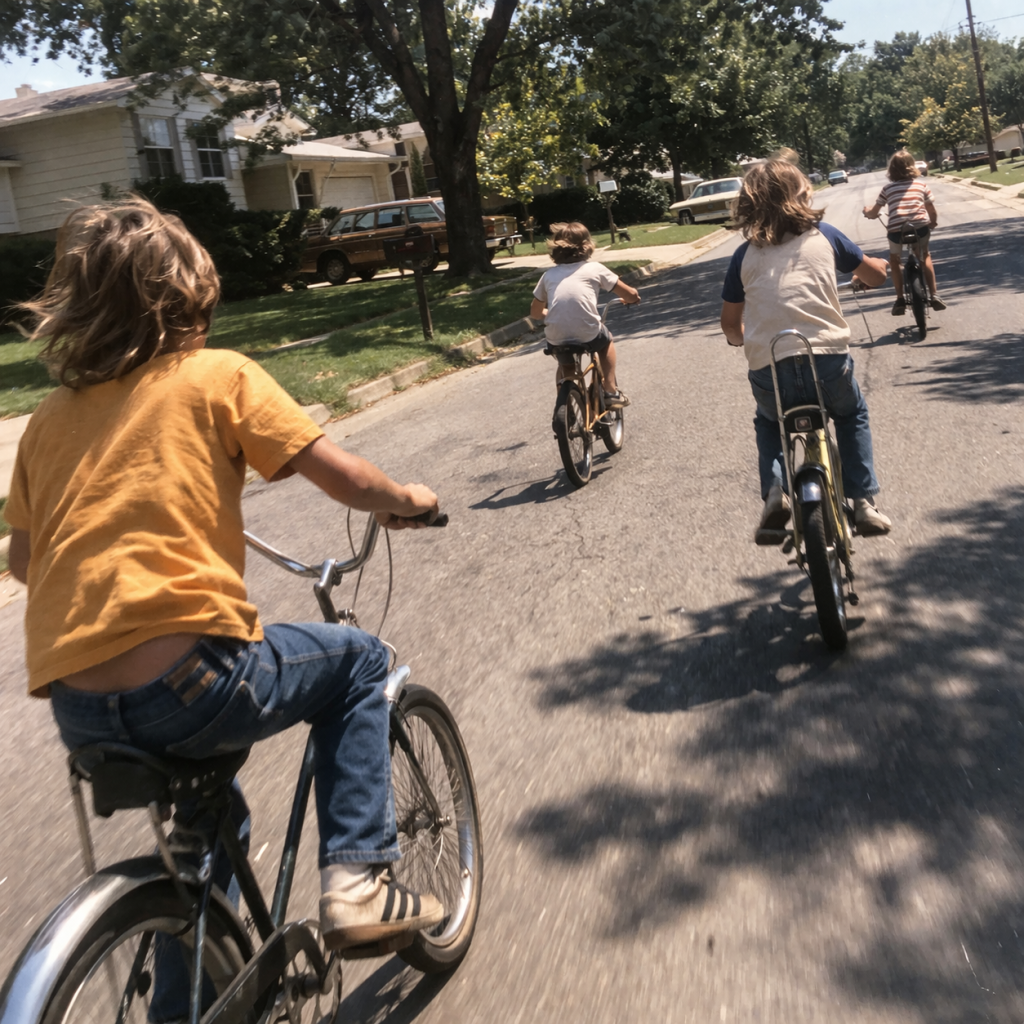
A child’s “territory” used to span several blocks and multiple backyards. You’d have lunch at one house and play cards at another.
Parents operated on a “communal parenting” model where everyone kept an eye out. This mobility gave kids a massive sense of independence and adventure.
Now, children are often confined to their own yards or supervised “playdates.” The map of a child’s world has shrunk significantly over the decades.
11. Passing down clothes and toys
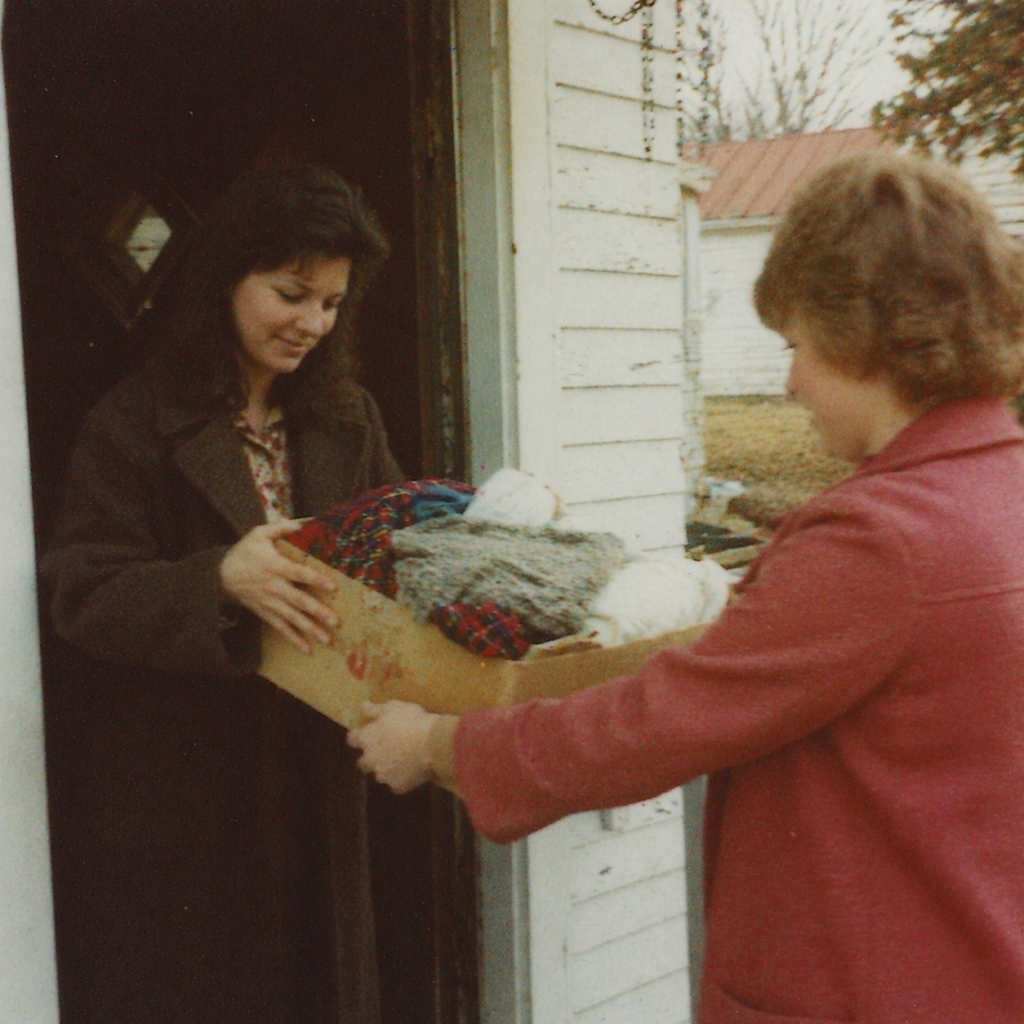
Nothing was “disposable” back when things were built to last for generations. A younger cousin’s winter coat was likely yours the year before.
Hand-me-downs were a badge of family history and a practical way to thrive. Even the ornaments on the tree had decades of stories attached.
We live in a “buy new” culture now that values trends over tradition. We’ve lost the physical thread that linked our past to our present.
10. Paper routes that made kids part of the community
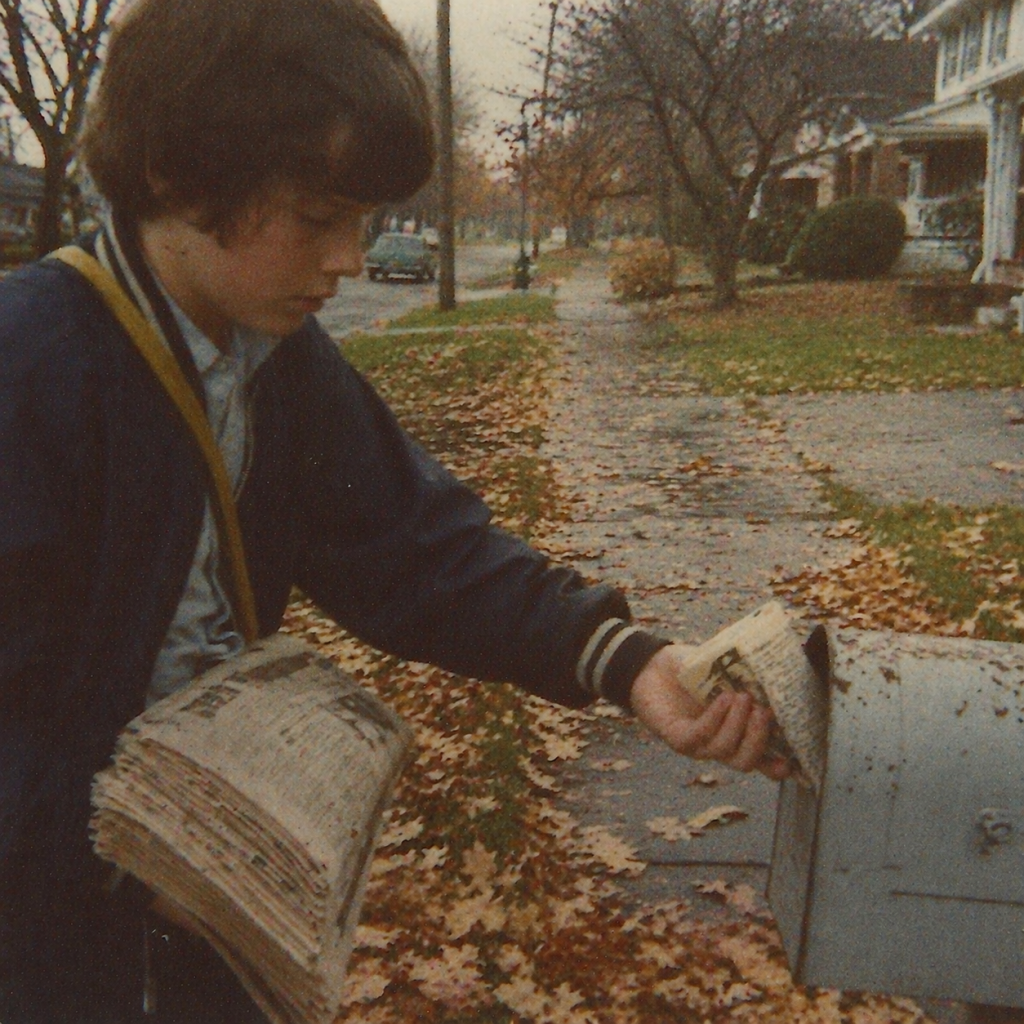
The morning whistle of a bicycle was the neighborhood’s first alarm clock. Kids learned the value of a dollar and the faces of their customers.
It was a first job that required responsibility and a bit of grit. Being the “paper boy” or “paper girl” was a respected local role.
Now, adults in cars toss plastic-wrapped news onto driveways in the dark. That early bridge into the adult world of work has largely disappeared.
9. Backyard barbecues where everyone just showed up
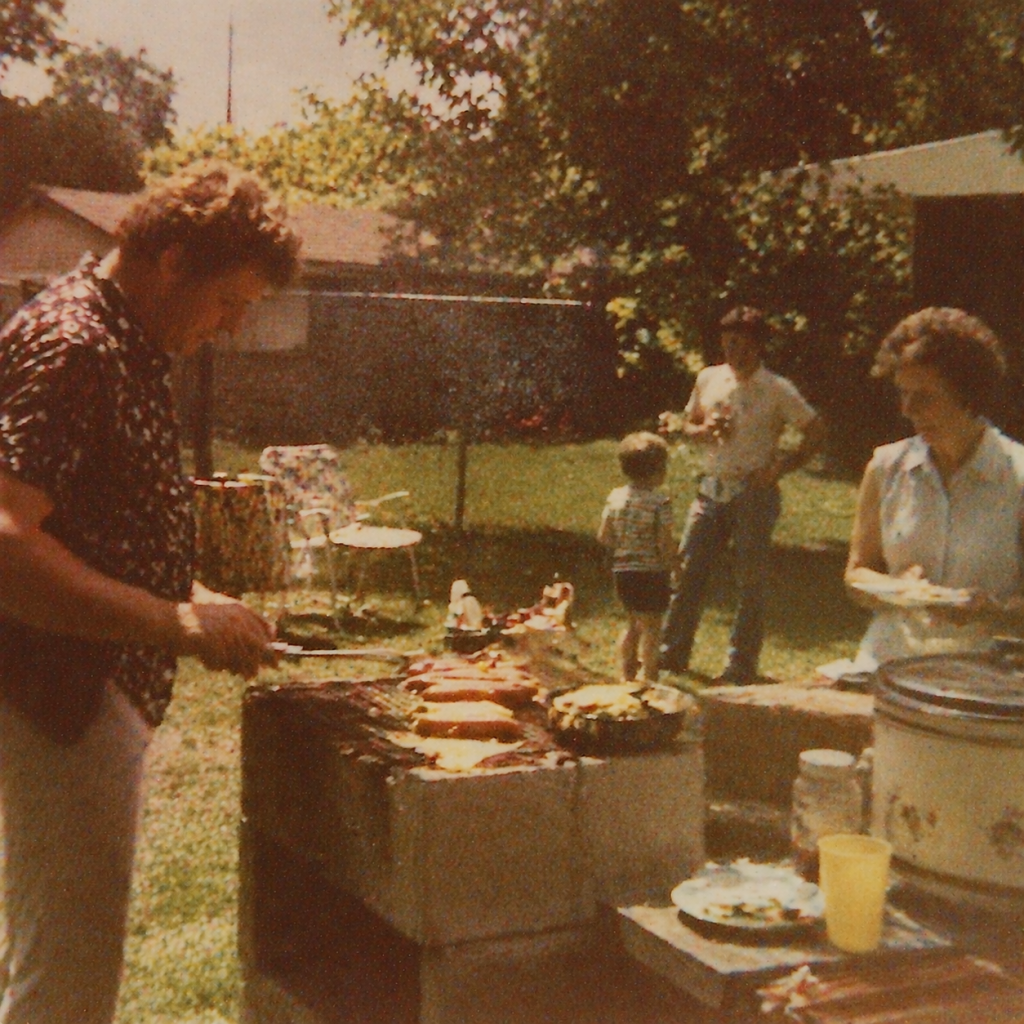
You didn’t need a formal “Save the Date” to come over for a burger. The smell of charcoal was an open invitation to the people next door.
Extra chairs were always pulled out, and the cooler was never quite empty. It was the peak of casual, low-stress American hospitality.
Modern entertaining often feels like a performance that requires weeks of planning. We’ve lost the beauty of the spontaneous, “come as you are” gathering.
8. Holiday decorating done together, not for social media
Stringing lights was a family project that usually involved a few tangled wires. We decorated for the joy of the neighborhood, not for a photo op.
The goal was a warm glow in the window, not a viral post. We worked together until the house looked like a festive beacon.
Now, there is often a pressure to have a “perfect” or “curated” look. The messy, collaborative fun has been replaced by a quest for aesthetic perfection.
7. Neighbors checking in without being asked
If a car didn’t leave the driveway for two days, someone knocked on the door. People noticed the small changes in each other’s daily routines.
It wasn’t nosiness; it was a genuine form of communal care. You knew someone had your back if you fell ill or faced a crisis.
Today, we often worry that checking in might be seen as an intrusion. We’ve prioritized “mind your own business” over “look out for one another.”
6. Lending a hand when someone was struggling
If a tree fell or a fence broke, the neighbors showed up with saws. You didn’t wait for a phone call; you just saw a need and filled it.
There was a silent agreement that we all helped each other through life. Hard work felt lighter when it was shared by four or five sets of hands.
Now, we are more likely to hire a service than to call a neighbor. We’ve traded community labor for professional, impersonal transactions.
5. School dances that were the social event of the year
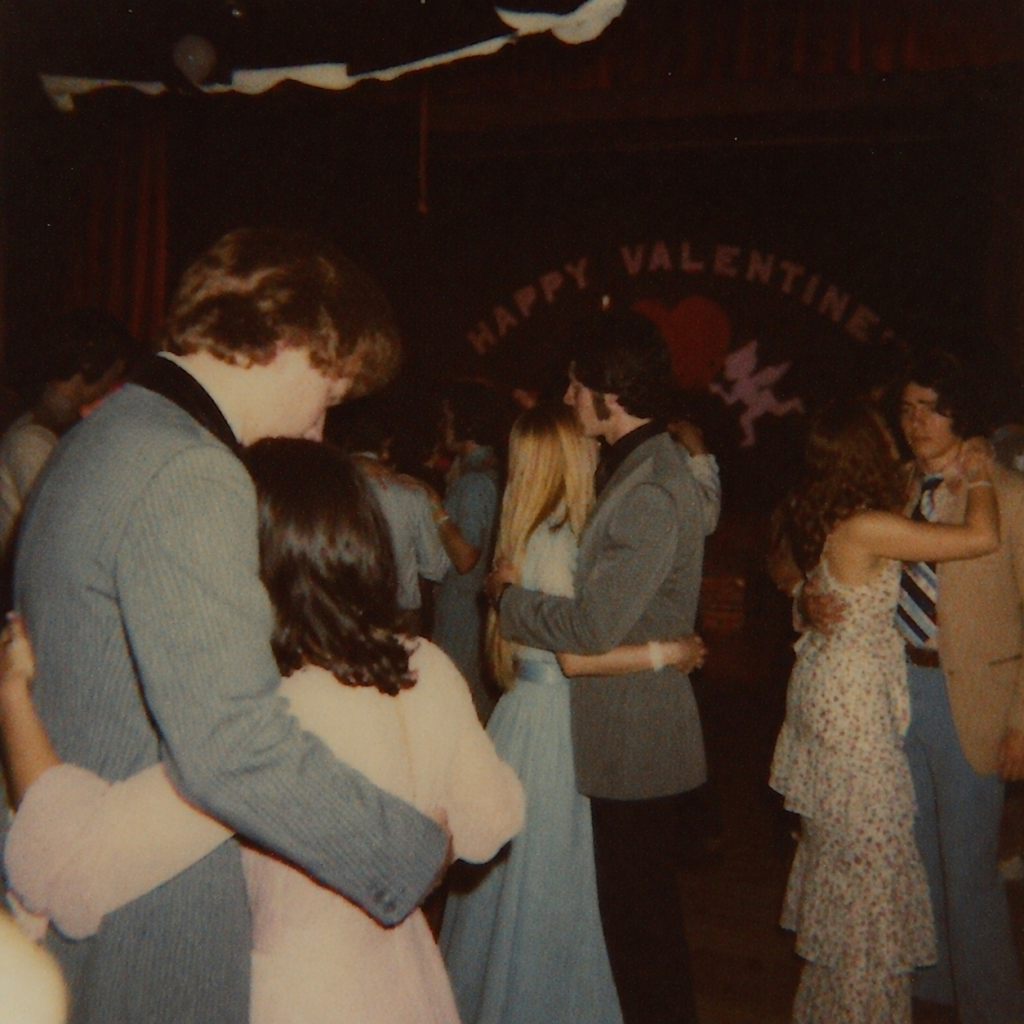
The gym was transformed with streamers and a questionable sound system. It was the one night everyone dressed up and faced their social fears.
Parents chaperoned, and the whole town knew who was going with whom. These dances were a rite of passage that felt incredibly high-stakes.
With social media, “the dance” is just one of a thousand social moments. That concentrated, local excitement for a single night has mostly dissipated.
4. Local clubs that actually brought people together
The Elks, the Grange, or the local sewing circle were the town’s heartbeat. People met in person to solve problems and socialize every single week.
These clubs provided a sense of belonging that wasn’t tied to a computer. You argued and laughed with people face-to-face over coffee and donuts.
As membership in these groups declines, so does our social capital. We’re more connected digitally but far more isolated in our physical lives.
3. Sharing garden food over the fence in summer
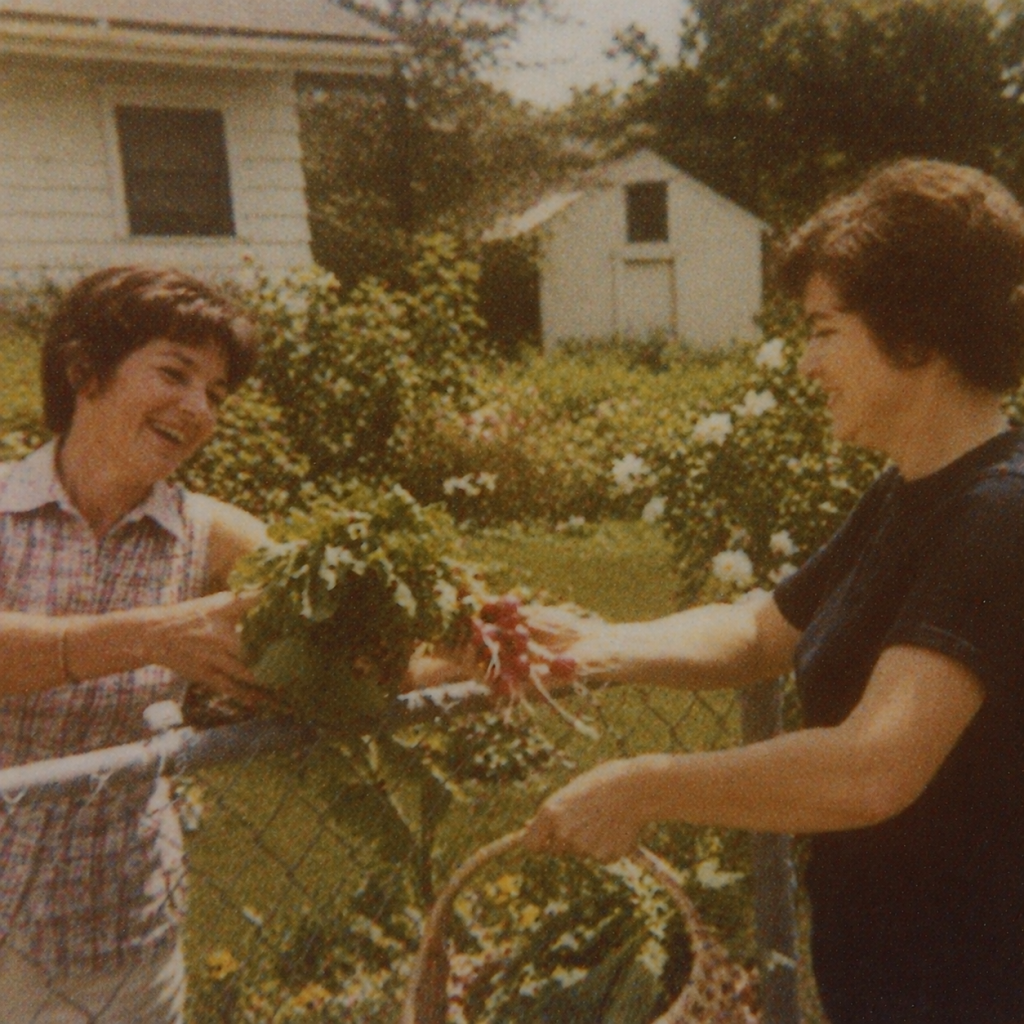
Too many tomatoes was never a problem; it was an opportunity to share. You’d swap a basket of zucchini for a bowl of fresh berries.
The bounty of the earth was something that belonged to the whole street. This informal “farmers market” kept everyone well-fed and connected.
Now, we buy our produce in plastic containers at the supermarket. The literal taste of our neighbor’s hard work is a rare treat today.
2. Gathering around the TV or radio for big moments
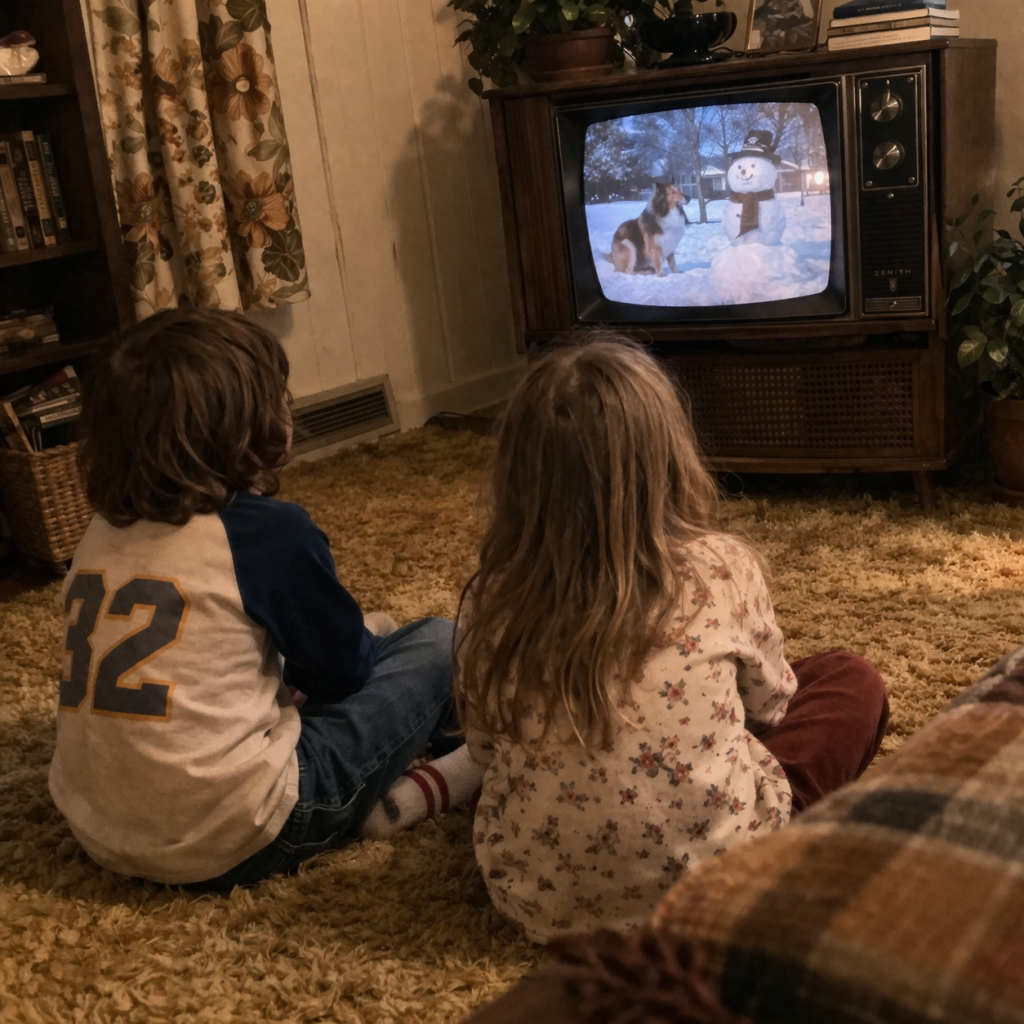
The whole country used to watch the same shows at the exact same time. On Monday morning, everyone was talking about the same cultural event.
It gave us a common language and a shared experience across the miles. We felt like we were all part of one big, national conversation.
Now, we all live in our own customized, algorithmic entertainment bubbles. The “water cooler moment” has been fragmented into a million tiny pieces.
1. Hanging out on the font porch (not the backyard)
The front porch was our window to the world and an invitation to engage. It signaled that you were home and open to a passing greeting.
By moving to the backyard, we’ve effectively closed the curtains on our community. The porch was the bridge between the private home and the public street.
Returning to the front porch might be the first step in finding what we lost. It’s where the best stories begin and where neighbors become friends.
Charles Jacobs