
Okay, let’s get straight to the core question we all have: “how can I live the best retirement possible?”
Heck, let’s put it more bluntly:
“I don’t want to waste the golden years of my life.”
So, it’s worth hearing from those who are ahead of us – and what they wish they did earlier.
In this article, we’re summarizing a detailed discussion about this topic from a Reddit forum that was full of golden advice from an 85 year old dad to his soon-to-retire son.
Other contributors added their thoughts to make it a rich and fulfilling discussion. Here’s the summary.
17. Your “active years” are shorter than you think
One of the strongest themes in the discussion was that retirement is not one long, stable phase.
People repeatedly describe a sharp drop in energy and ability:
“He feels the difference between 75 and 80. He doesn’t do as much… as he used to.”
Another user framed it more bluntly:
“80 is when you get really old. You look different, you walk different, everything changes.”
And this hits hardest when it comes to travel and experiences:
“Travel more before 65… Health problems after 65 multiply. Things get harder.”
Lesson:
Your real “go-go years” may only last 10–15 years. Plan your life around that window, not a vague idea of decades of freedom.
16. Don’t wait to enjoy life — people regret delaying retirement
A recurring regret is staying in work too long out of fear.
“As soon as you think you can afford it retire!… Nobody knows when they will hit their cliff.”
Another person said it even more clearly:
“Do it when you are reasonably confident… not beyond a shadow of a doubt.”
And many stories reinforce the same pattern:
“I’ve seen so many people die waiting too long.”
Lesson:
Over-saving at the cost of living is a common mistake. There are no guarantees you will be healthy enough to enjoy later.
15. Health declines faster and more unpredictably than expected
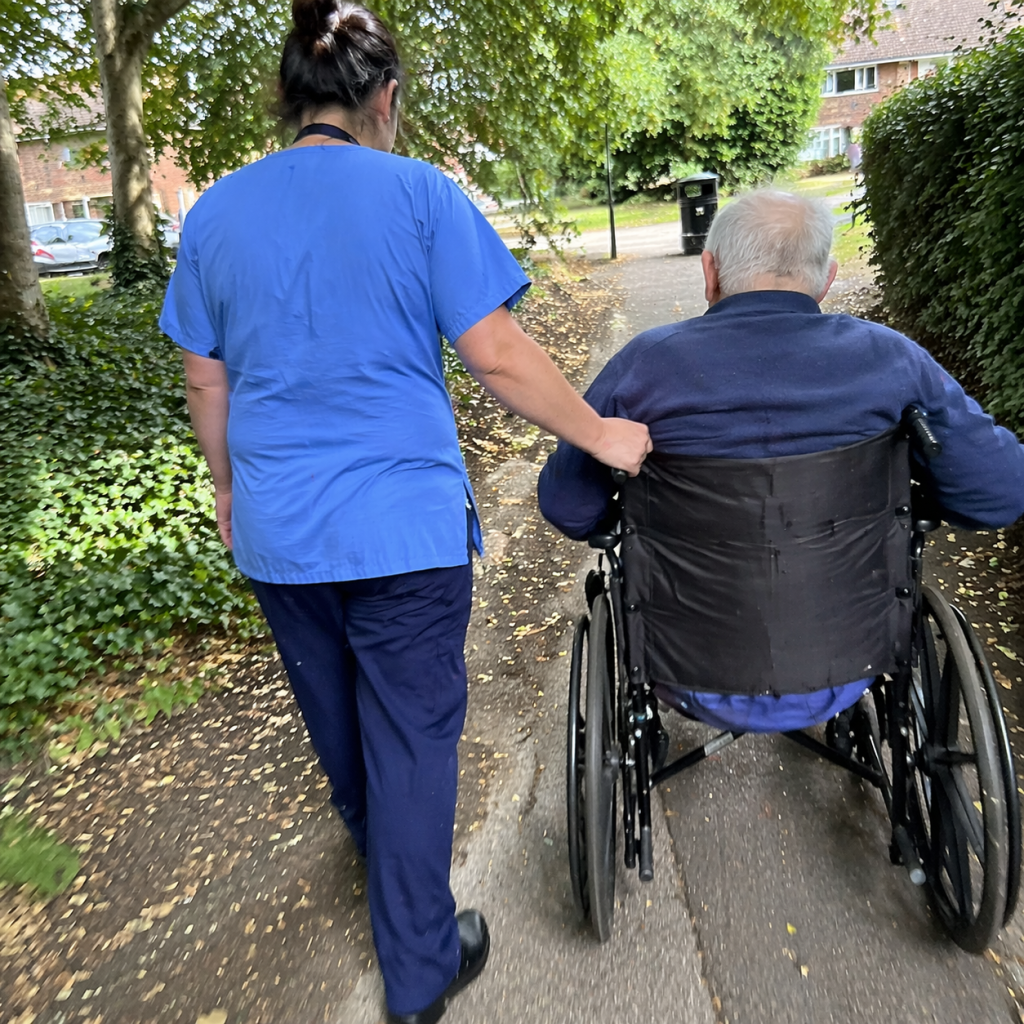
This is one of the harshest realities in the thread.
“In one month, she went from 99% cognitively fine… to her current state.”
Another person described the shift after retirement:
“Within a few years they spent their retirement years in hospitals and doctor’s offices.”
Even mobility fades faster than expected:
“At aged 60… touring huge museums… By 68… renting a wheelchair.”
Lesson:
Health is not a slow decline. It often drops suddenly. Build your plans around that reality.
14. Stay active or your decline accelerates
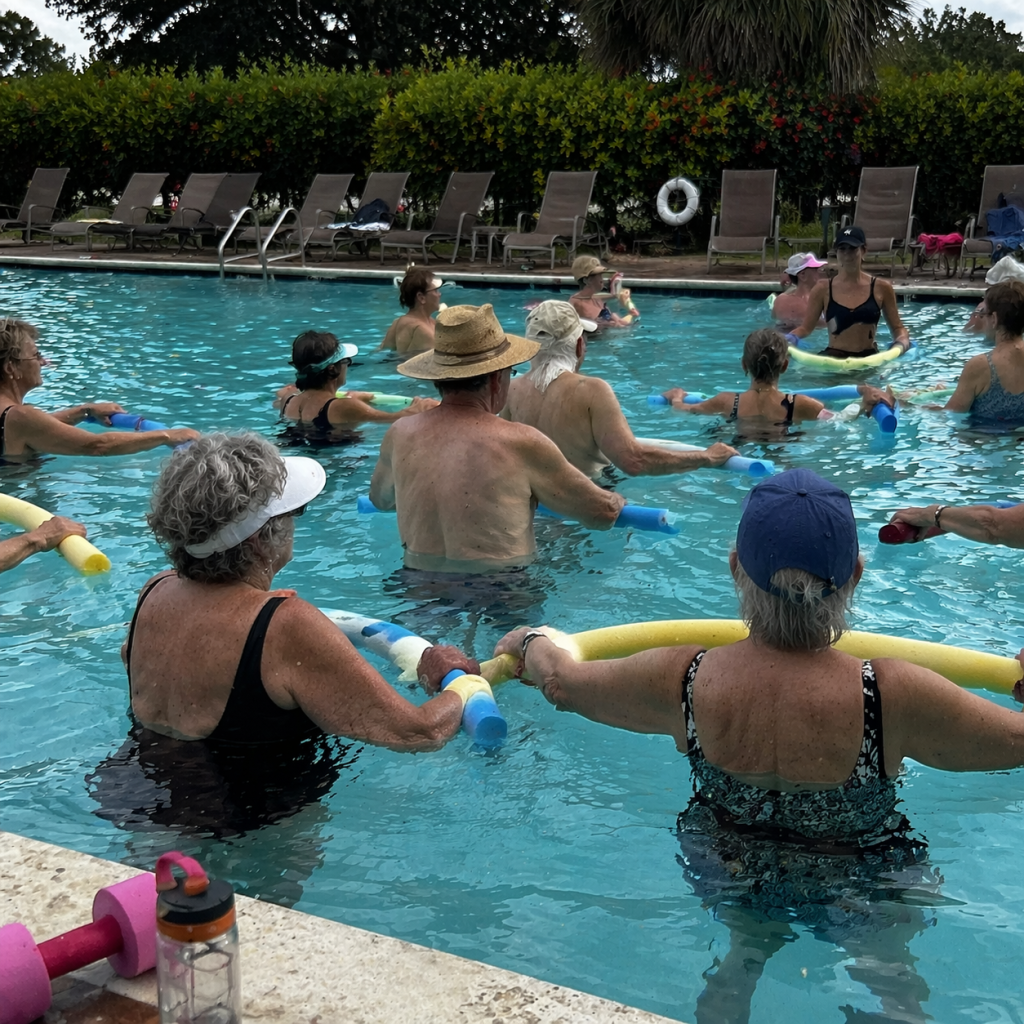
Many comments reinforce a simple but powerful rule:
“A body in motion stays in motion.”
And examples show what happens when people stop:
“Retire, and plop himself on the couch… and he didn’t move.”
In contrast, active retirees thrive:
“He still walks two miles a day… His secret is that he never stopped exercising.”
Lesson:
Retirement is not rest. It is a shift to active living. If you stop moving, you age faster.
13. You need purpose, not just free time
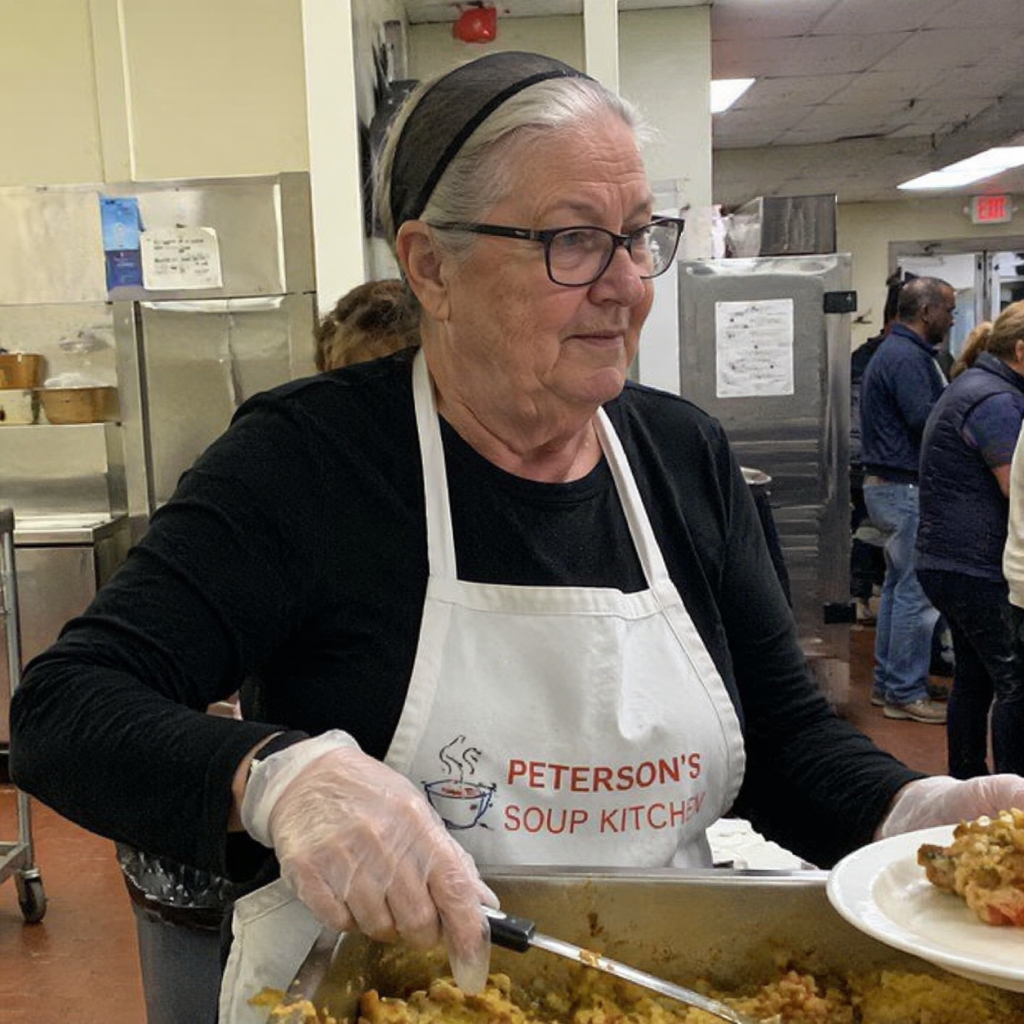
Boredom and loss of identity are real risks.
“Have a plan on what you are going after retirement.”
Another user described the ideal mindset:
“Retirement was about LIVING… Joined things. Met people.”
And a warning from experience:
“He devoted his time into a project… then declined rapidly.”
Lesson:
You are not retiring from life — you are replacing work with meaning. If you do not plan that, you drift.
12. Simplify your life early (especially your stuff)

Decluttering comes up again and again — often with frustration.
“There is no U-Haul at your funeral and your survivors don’t want the junk.”
And from someone who lived through it:
“After spending 2+ years clearing out… I’m determined not to leave that nightmare.”
Even the original post emphasizes:
“This is not a process with a start and end, but a continuous process.”
Lesson:
Your possessions become a burden — first to you, then to your family. Start simplifying now.
11. Plan for independence — don’t rely on family

This is a tough but consistent message.
“Kids and spouse are not a retirement safety net.”
And:
“No one else is responsible for you.”
People also worry about becoming a burden:
“I will do everything I can to avoid that happening to my kids.”
Lesson:
Assume you will need to support yourself — socially, physically, and financially.
10. Build community before you need it
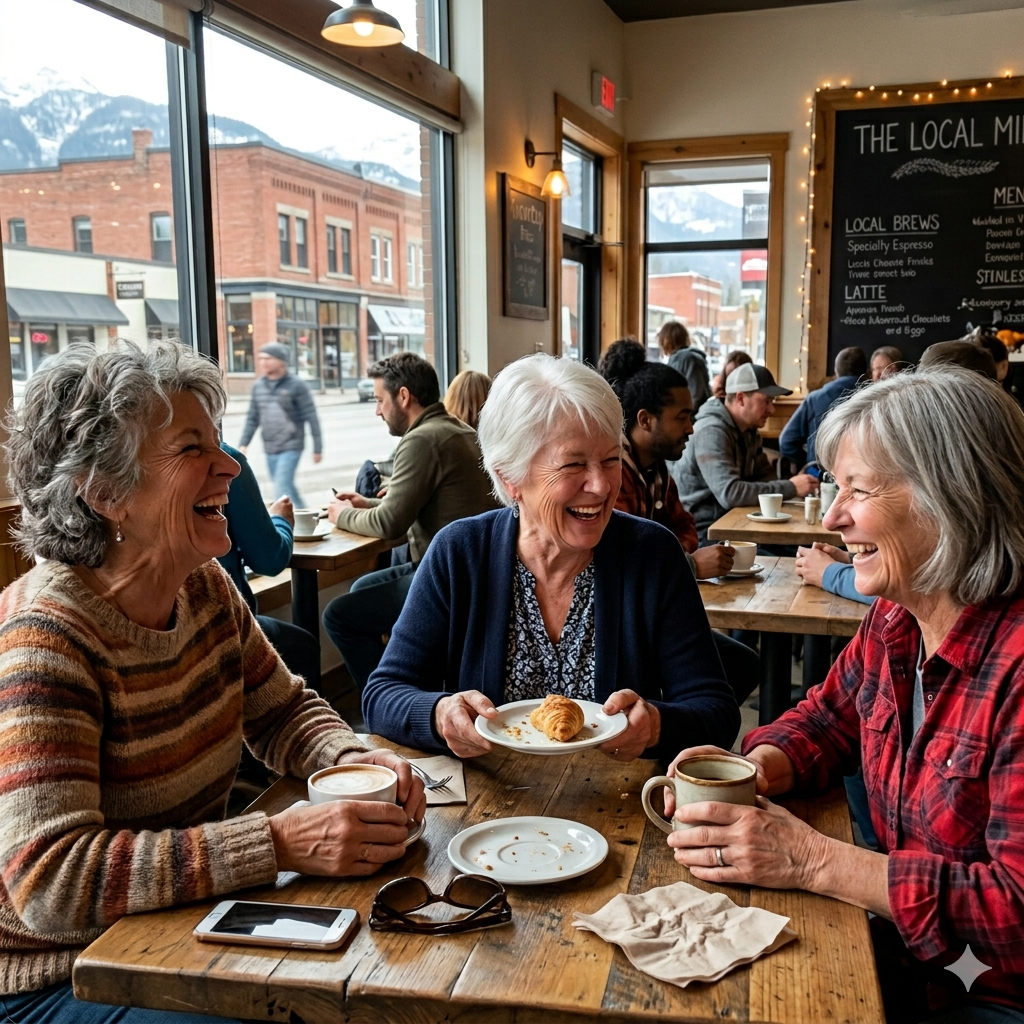
Retirement can become isolating if you are not proactive.
“I don’t want to… be my children’s only source of entertainment and socialization.”
And a simple but powerful insight:
“Everyone needs a Thursday night beer group!”
Lesson:
Friendships and community are not optional. They are part of a successful retirement.
9. Money lasts less than you expect — but hoarding it has a cost
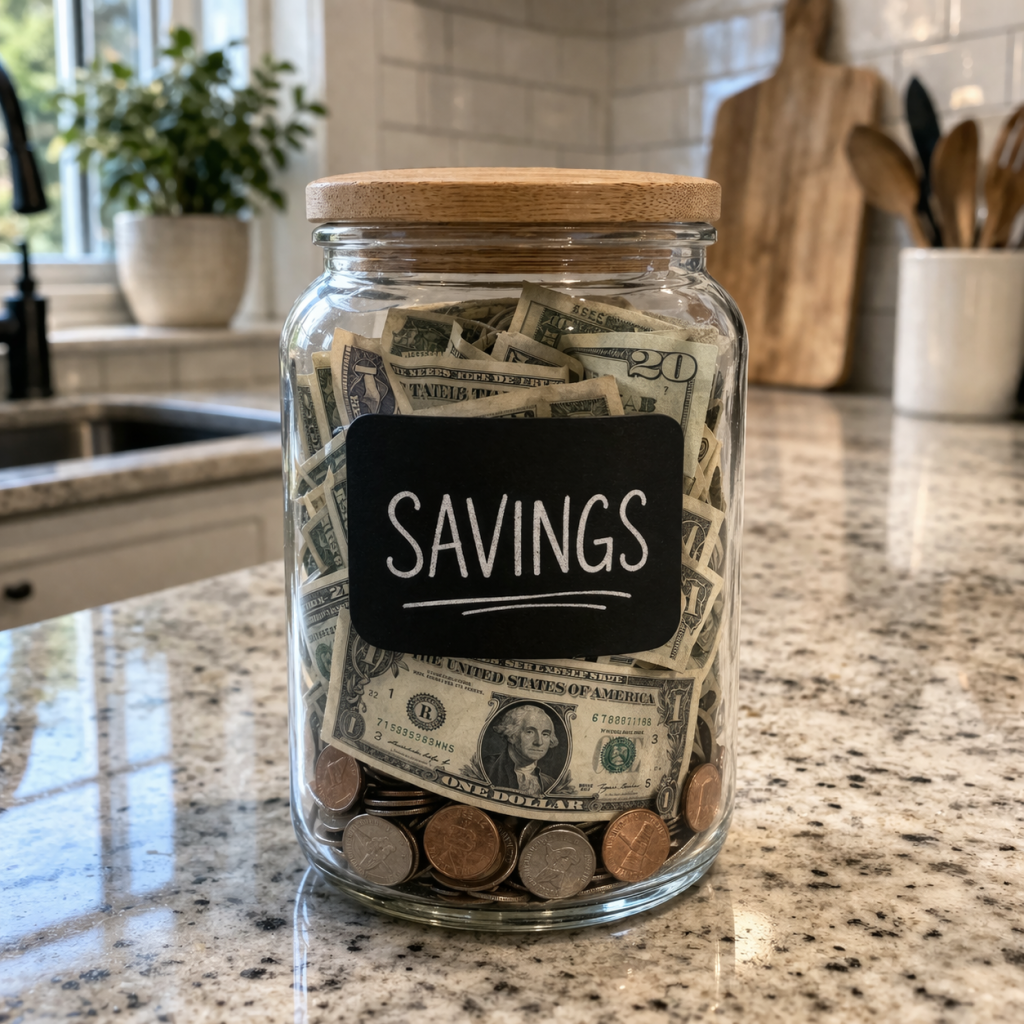
There is tension between saving and living.
“Money doesn’t last as long as you think it will.”
But also:
“They were so afraid of spending… that they enjoyed very little… Most of those savings are still there.”
Lesson:
You need enough money — but not at the cost of never using it.
8. Life can change instantly — plan for uncertainty
This theme shows up in multiple personal stories.
“Conditions change, your mileage may vary.”
And:
“You may plan… but life may throw you a curve ball.”
Lesson:
Flexibility matters more than perfect planning.
7. Your home may not fit your future life

Many people underestimate how impractical their homes become.
“Large homes with stairs… aren’t retirement friendly.”
And:
“Simplify your life… smaller house… walkable.”
Lesson:
Your ideal retirement home is usually simpler, smaller, and easier to manage.
6. Independence requires planning — not just hope
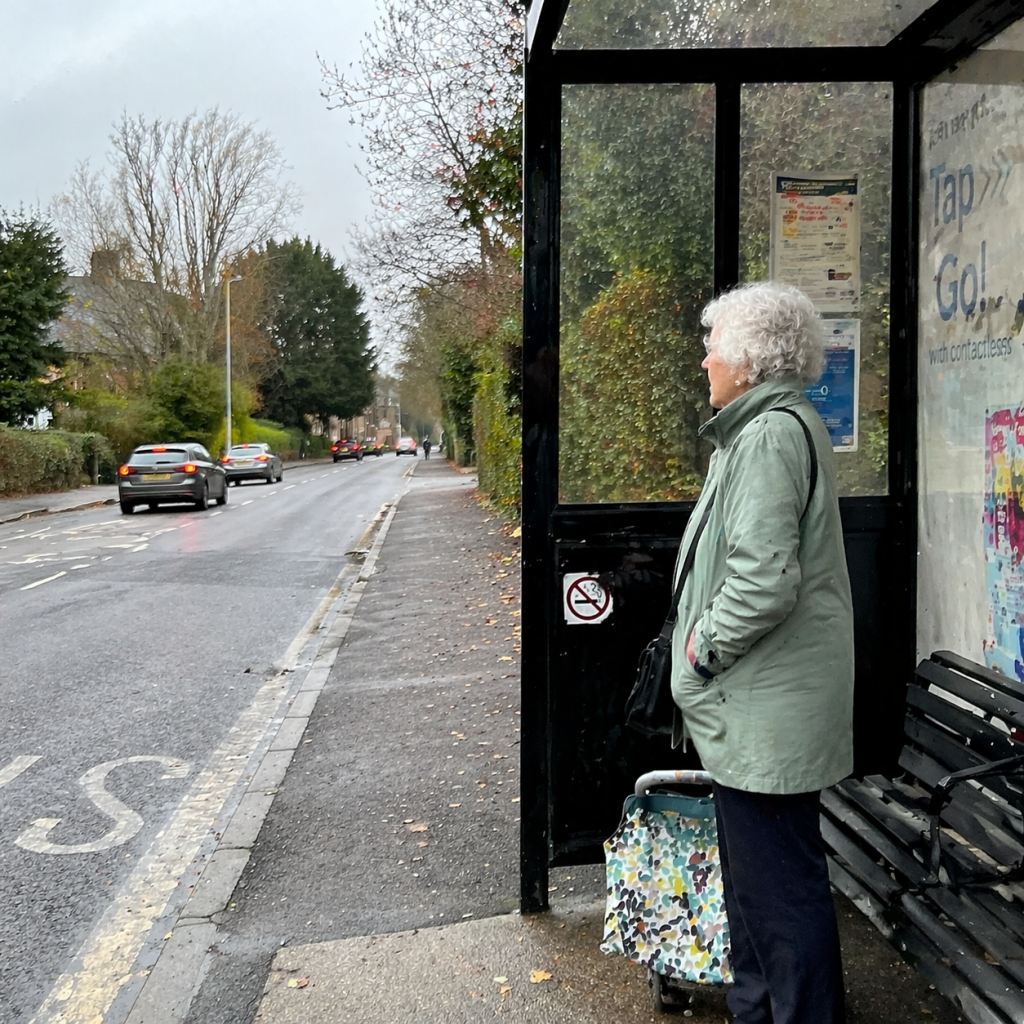
Even people who want to “age in place” are warned:
“You may plan on aging in place, but life may throw you a curve ball.”
That means thinking ahead about things like in-home care and transportation.
Many people assume things will work out.
But the stories here show how quickly independence can disappear without warning.
The people who stay independent longest are not the ones who hope for the best. They are the ones who quietly prepare for when things stop working.
Lesson:
You need backup plans for loss of mobility, driving, and daily function.
5. Relationships matter more than achievements
Some of the most emotional lessons come from regret.
“He missed having a good relationship with his own family.”
You can stay busy and still feel alone.
Goals and projects cannot replace real connection. People who invest in relationships feel more fulfilled later.
Lesson:
A meaningful retirement is built on people, not projects.
4. You may not become the “relaxed retiree” you imagine
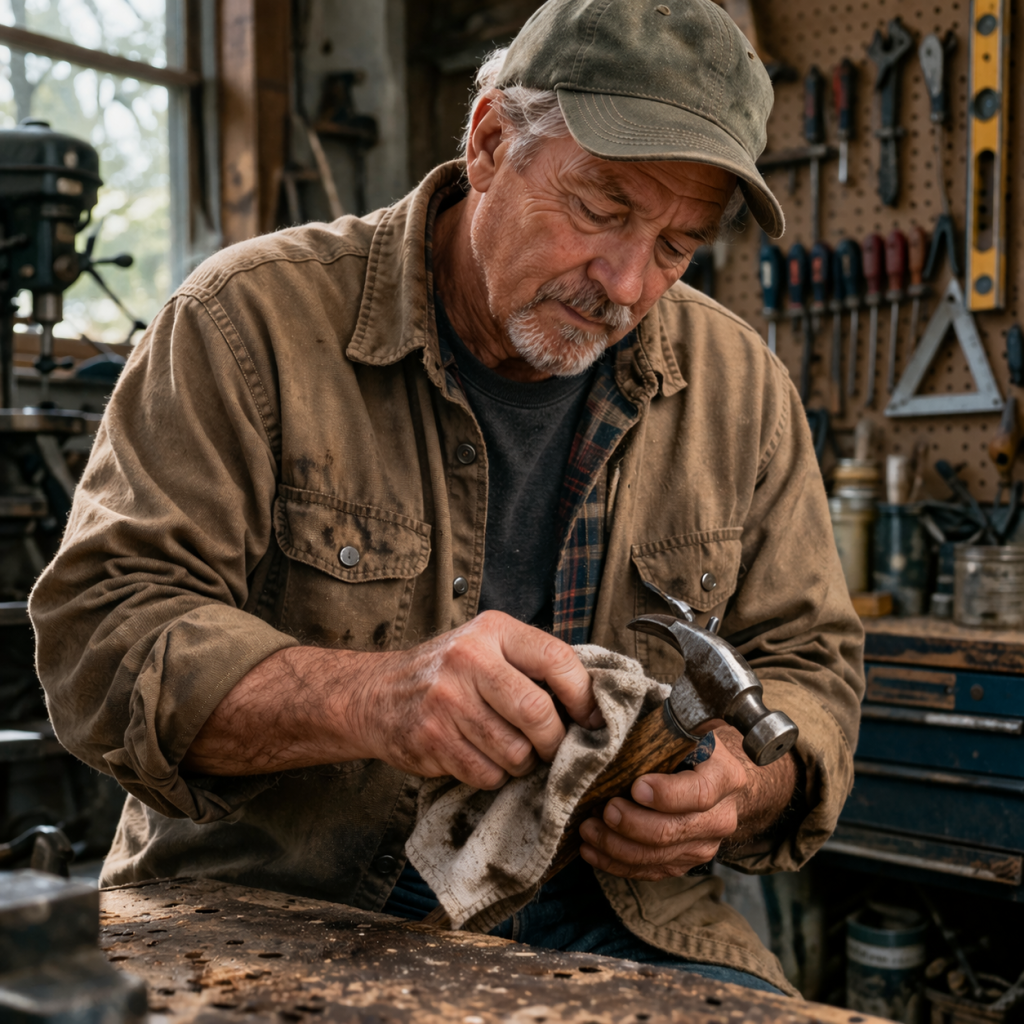
Habits follow you into retirement.
“She never really learned to relax… always had to be doing something.”
If you cannot slow down now, that will not change later.
Many people bring the same stress into retirement.
If so, you will live the same way, just with more free time.
Lesson:
Your personality does not reset at retirement. Build the life skills now.
3. Identity loss is real (especially for men)
A subtle but repeated idea:
“Have a plan… especially if you are male (we tend to have our identities wrapped up in our jobs).”
Work gives structure, purpose, and routine.
When it ends, that gap can feel bigger than expected.
Without a plan, retirement can feel empty fast.
Lesson:
If your identity = your job, retirement can feel empty.
2. Small health habits compound massively

Some advice is simple but powerful:
“Better do those squats… not being able to get up… really sucks.”
And:
“Take good care of your teeth… get the hearing aids.”
Small habits make a big difference over time.
Staying active helps you stay independent longer.
Ignoring these things early makes life harder later.
Lesson:
Minor habits now prevent major limitations later.
1. Retirement happiness is highly individual

There is no single “correct” path.
Some say retire early:
“I am so happy to be retired.”
Others say keep working:
“Work as long as you can… by choice.”
What feels good to one person may not work for another. Some people need freedom, while others need structure.
You have to choose what fits your life.
Lesson:
You need to design your version of retirement, not copy someone else’s.
Bottom line
If you strip everything down, the core message is simple:
Retirement is not about maximizing money or time. It is about using your healthy years well before they disappear.
Or as one comment indirectly captures:
“Don’t put off things you want to do or see; it’s not going to be any easier as you get older.”

Charles Jacobs