

Times were tough back then, but our grandparents were the masters of making something out of nothing.
These recipes weren’t born from cookbooks, but from necessity and a little bit of kitchen magic.
While we call them “poor man meals” today, they represent the resilience and love of a generation that refused to let anyone go hungry.
Looking back, many of these dishes aren’t just survival food; they are pure, nostalgic comfort.
Let’s take a trip down memory lane and revisit thirty forgotten meals that filled bellies during the hardest years.
30. Creamed Chipped Beef (S*** on a Sandwich)
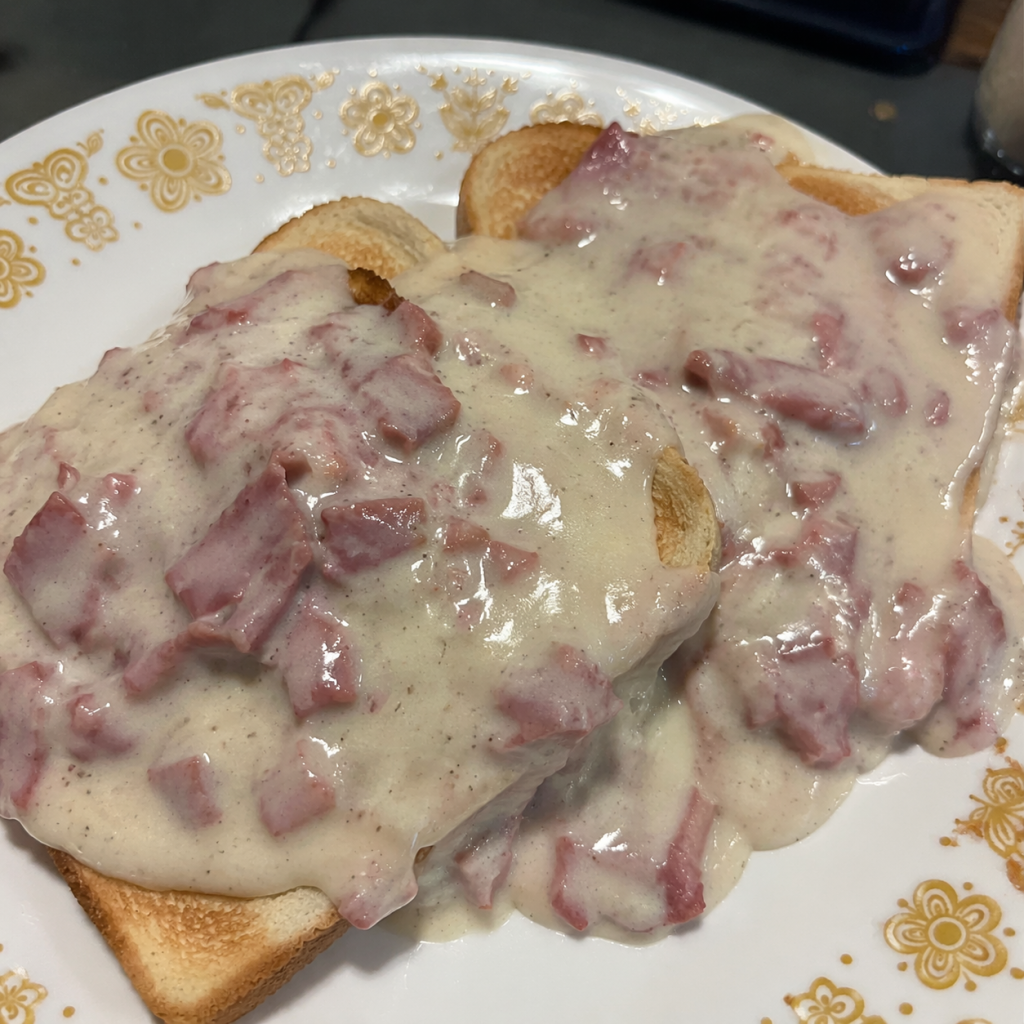
Often called “S.O.S.” by veterans, this dish was a military and Great Depression staple.
It features thin strips of dried, salty beef stirred into a thick white gravy.
The mixture is poured generously over toasted white bread to soak up every drop. It was a hearty way to start a cold morning on the farm.
This meal provided plenty of salt and calories for a long day’s work. It remains a salty, creamy classic that many still crave today.
29. Potato Soup
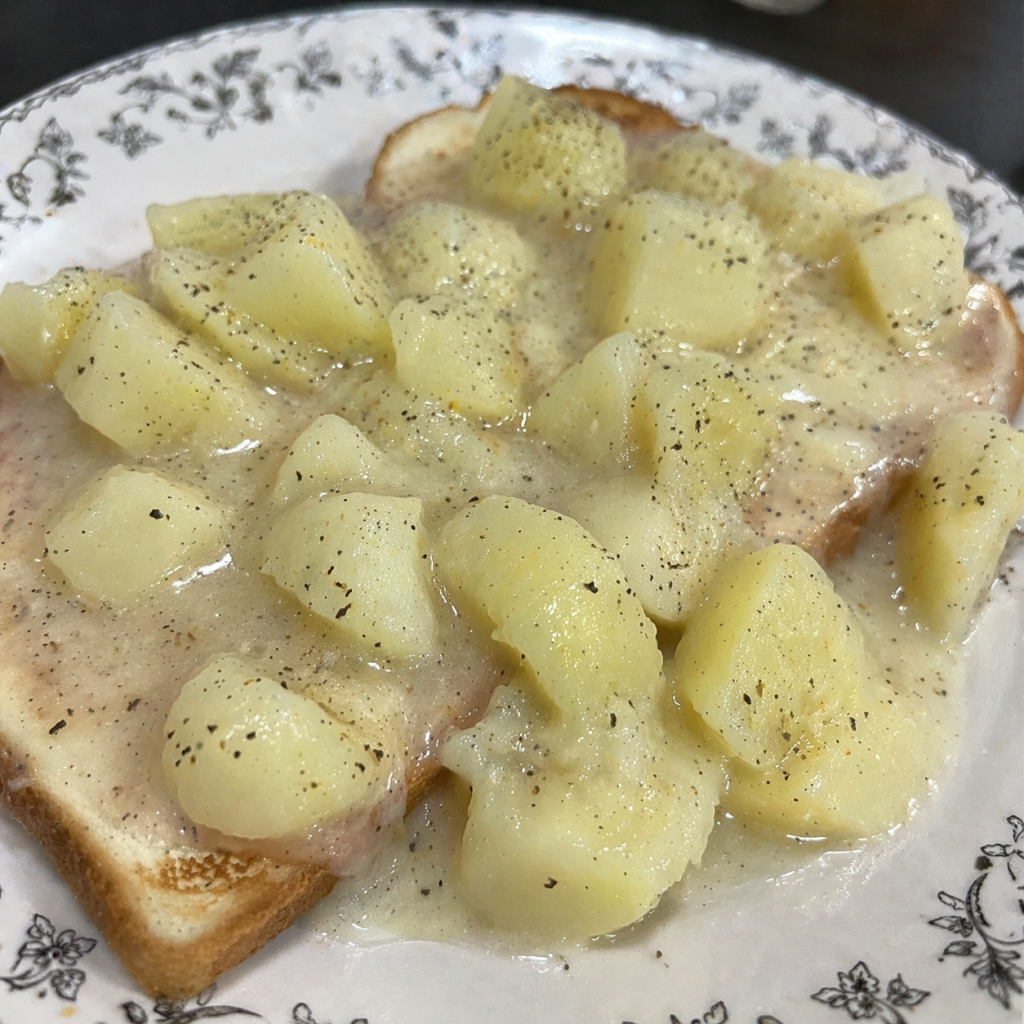
When the pantry was bare, a few spuds could save the day. This soup was mostly water, onions, and chopped potatoes boiled until soft.
A tiny splash of milk was added at the end for a bit of richness. Black pepper was the primary seasoning to give it a little kick.
It was thin and humble, but it warmed the bones on winter nights. You didn’t need much more than a spoon and a hungry stomach.
28. Hoover Stew
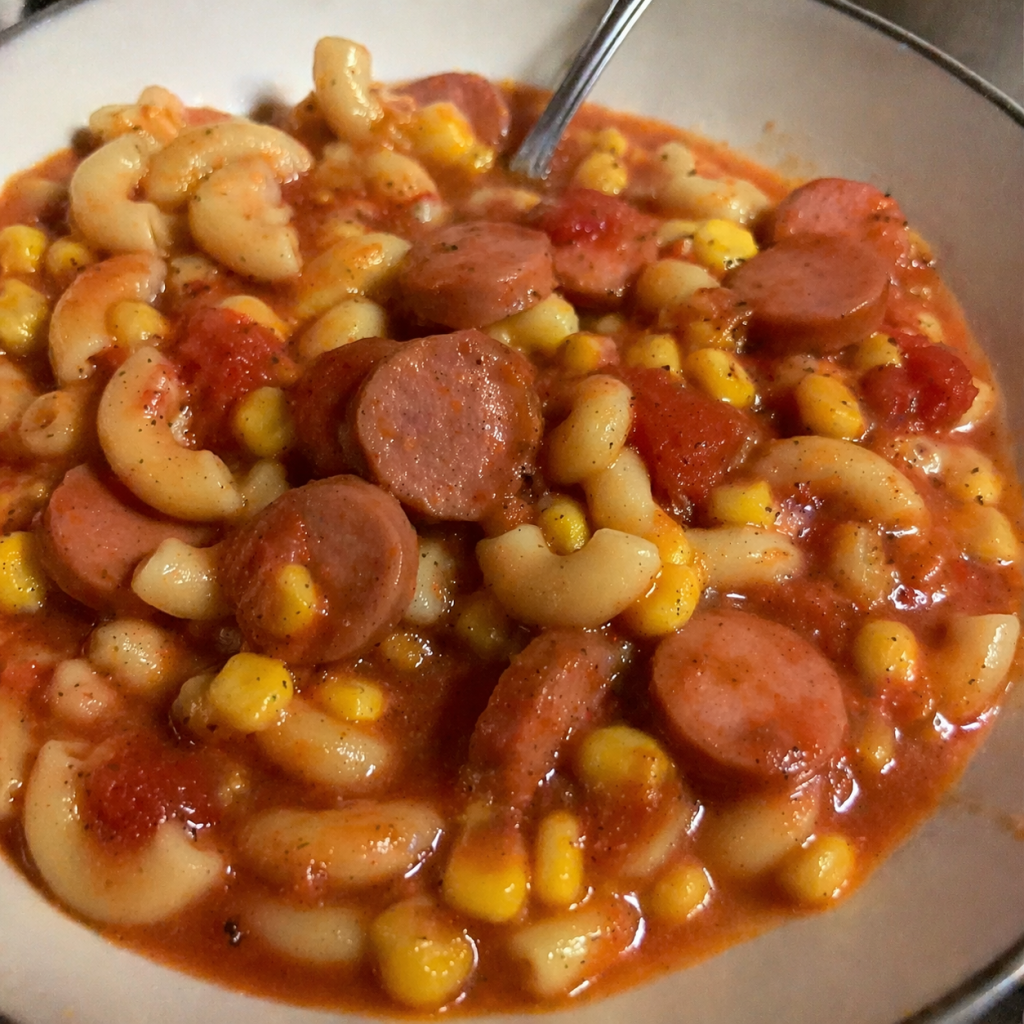
Named after the president during the Depression, this stew was a creative way to stretch meat. It combined cooked macaroni with sliced hot dogs and canned stewed tomatoes.
A can of corn usually went in to add bulk and a bit of sweetness. It was a one-pot wonder that could feed a massive family for pennies.
The acidity of the tomatoes made the cheap hot dogs taste like a feast. It is a true symbol of 1930s resourcefulness and culinary grit.
27. Fried Cabbage and Noodles (Haluski)
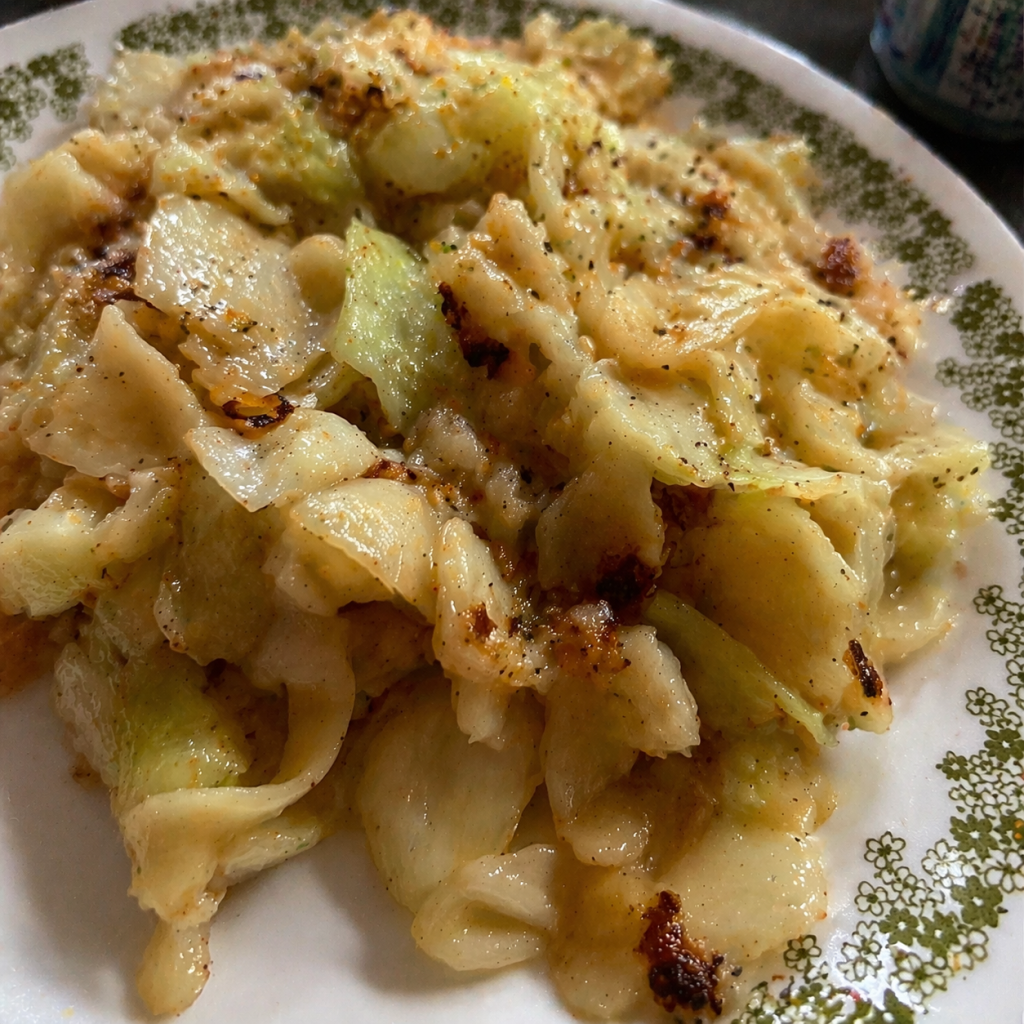
Known as Haluski in many households, this dish is the ultimate comfort food. It consists of nothing more than shredded cabbage sautéed in butter or lard with egg noodles.
The cabbage becomes sweet and caramelized as it browns in the heavy skillet. It’s incredibly filling and costs almost nothing to prepare in bulk.
Grandma knew that cabbage stayed fresh in the cellar longer than most vegetables. One big pot could easily satisfy a house full of growing children.
26. Egg Drop Soup
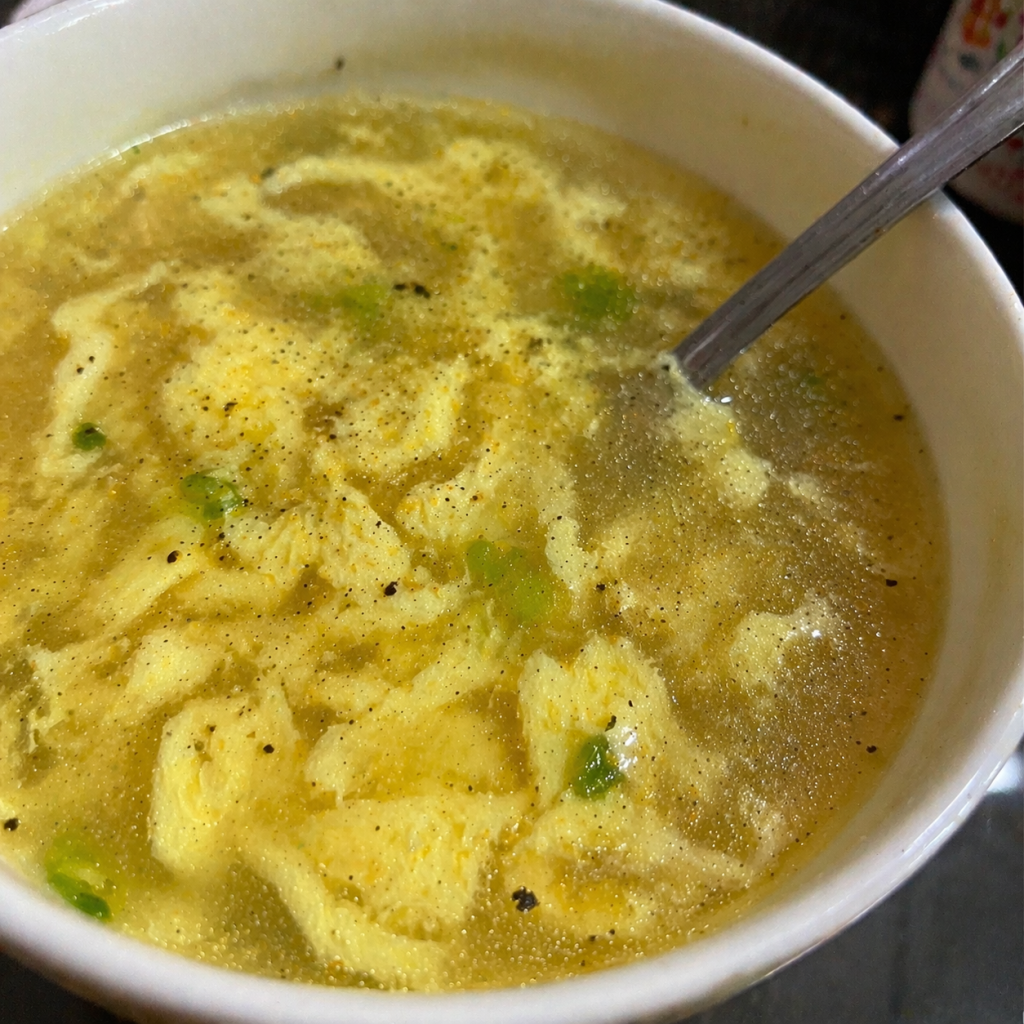
This wasn’t the takeout version we know today, but a simpler home remedy. It started with a base of hot chicken bouillon or simple seasoned water.
A single egg was whisked and drizzled slowly into the boiling liquid to create ribbons. It provided a quick boost of protein when meat was too expensive to buy.
The soup was light on the stomach but felt like a special treat. It was the go-to meal for anyone feeling under the weather or low on funds.
25. Cornstarch Pudding
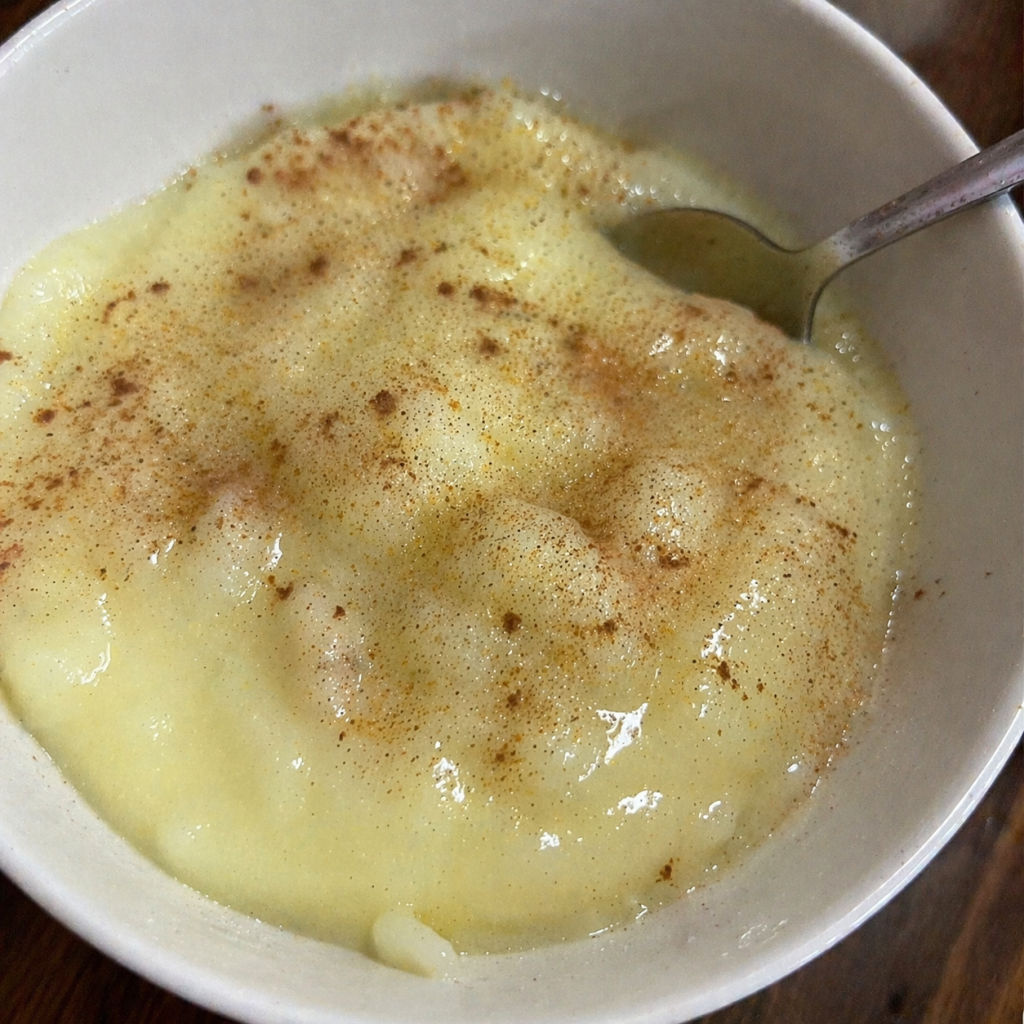
Dessert was a rare luxury, so grandmothers got creative with the basic baking staples. This pudding used cornstarch as a thickener for milk, sugar, and vanilla.
It was cooked on the stovetop until it reached a silky, glass-like consistency. Without eggs or expensive cream, it still felt decadent and incredibly smooth.
A sprinkle of nutmeg on top made it feel like a fancy restaurant dish. It was a sweet reward at the end of a very long, frugal week.
24. Navy Bean Soup
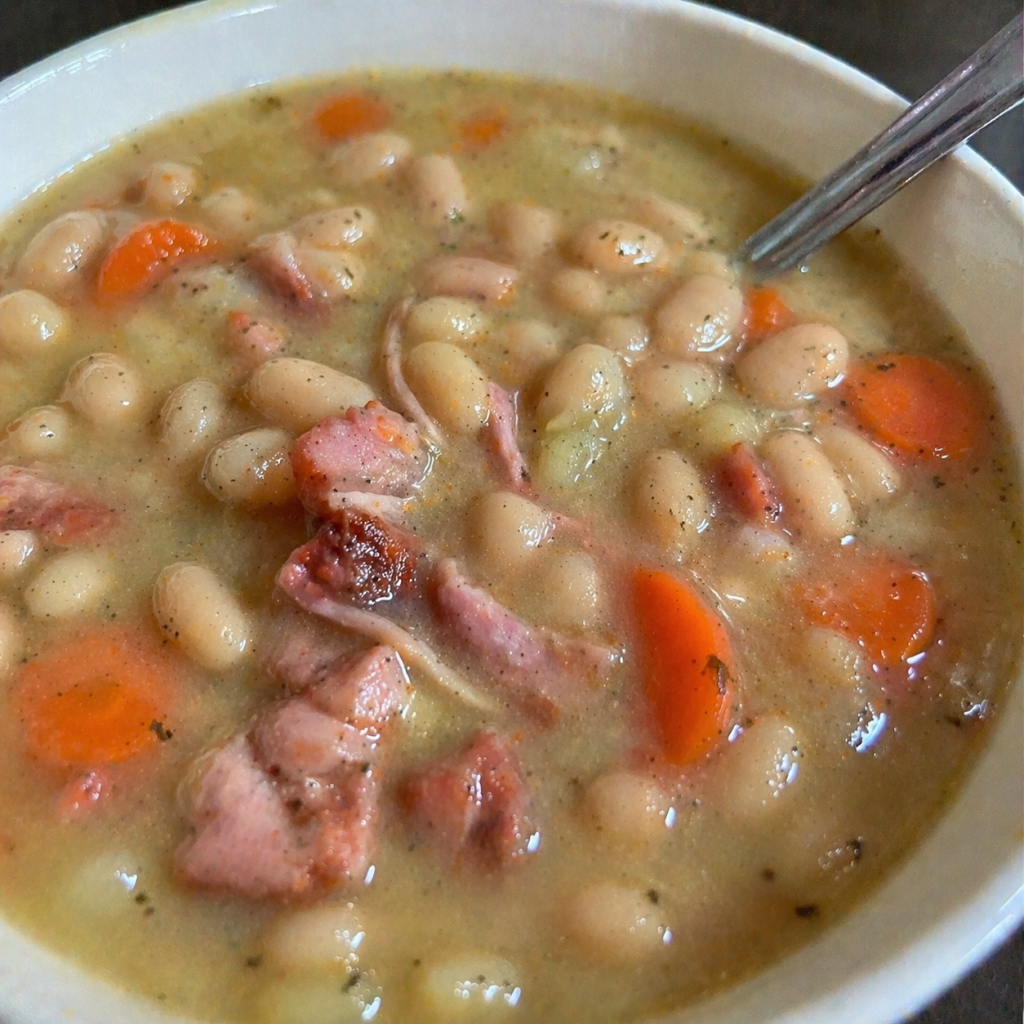
Dried beans were the backbone of the “poor man” diet because they lasted forever. This soup relied on a leftover ham bone to provide a smoky, meaty flavor.
The beans simmered for hours until they were soft and the broth was thick. Onions and carrots were added if the garden happened to be producing well.
It was a slow-cooked masterpiece that cost mere cents per serving. Many families ate this for three days straight without a single complaint.
23. Dandelion Greens
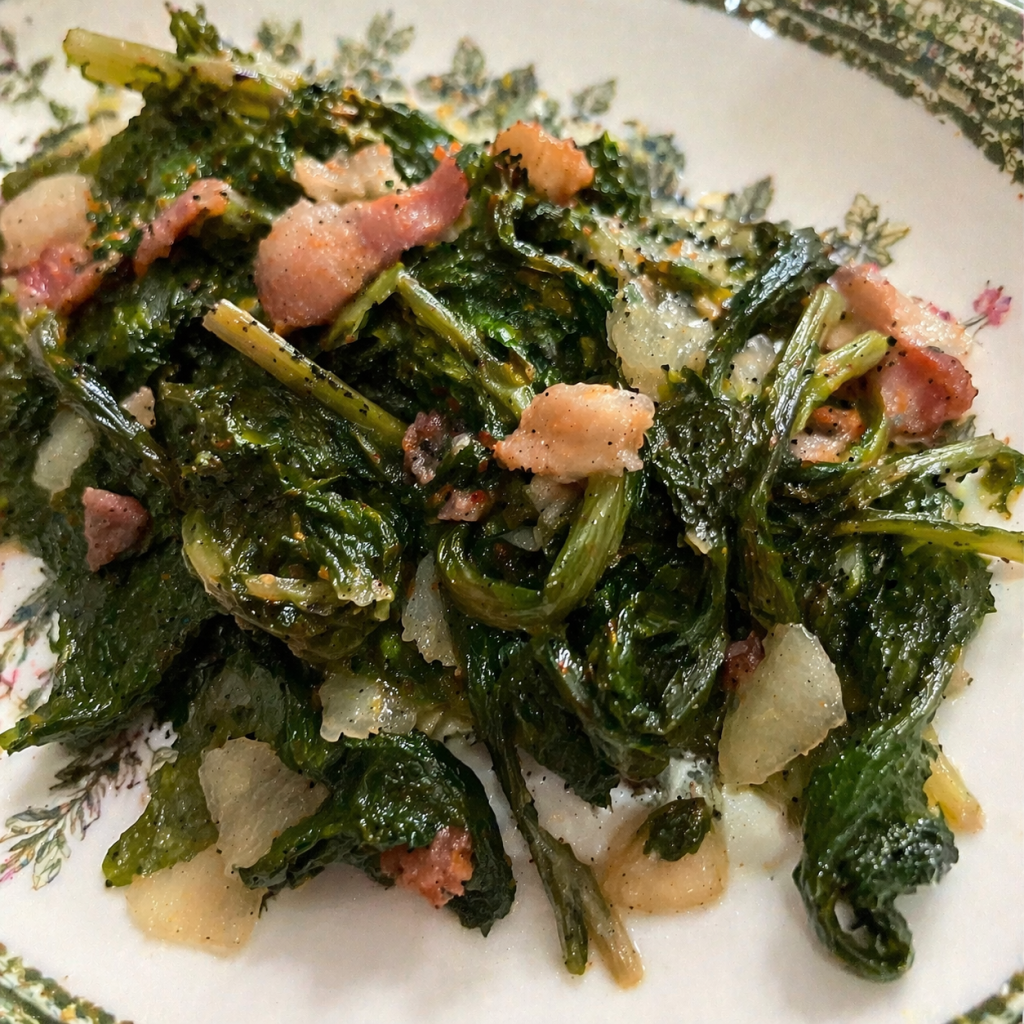
Our grandparents knew that the backyard was actually a free grocery store. In the spring, they would forage for young dandelion leaves before they turned bitter.
The greens were washed thoroughly and sautéed with garlic or a bit of saved bacon fat. The salt from the fat perfectly balanced the earthy bite of the leaves.
It was a vital source of vitamins when fresh produce was a luxury. Nature provided a feast for those who were willing to look for it.
22. Bread Pudding
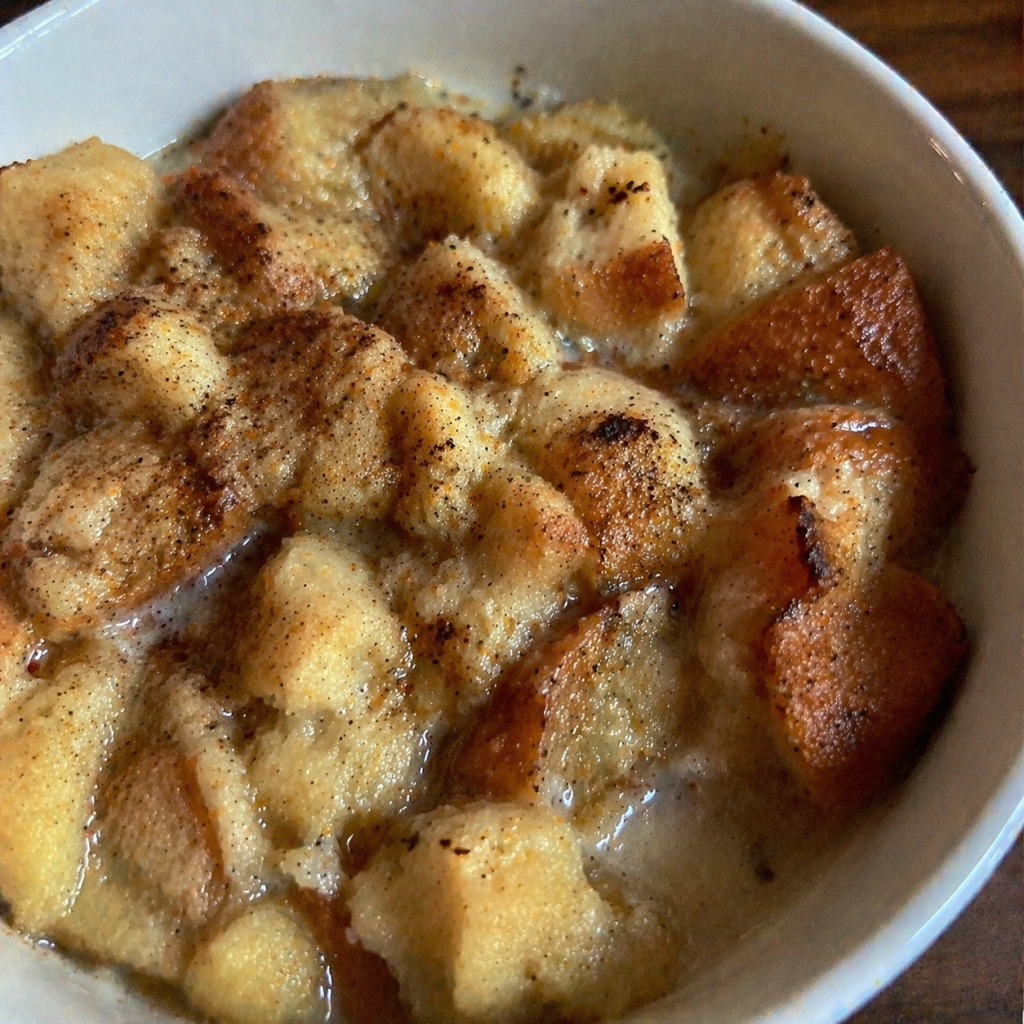
Nothing ever went to waste in a Depression-era kitchen, especially not stale bread. Hard crusts were transformed into a dessert by soaking them in milk and sugar.
A dash of cinnamon and maybe a few raisins turned the scrap into a delight. It was baked until the top was golden and the inside was custardy.
This dish proved that even “trash” could be turned into a family treasure. It remains one of the most beloved comfort desserts in the world today.
21. Corn Pone
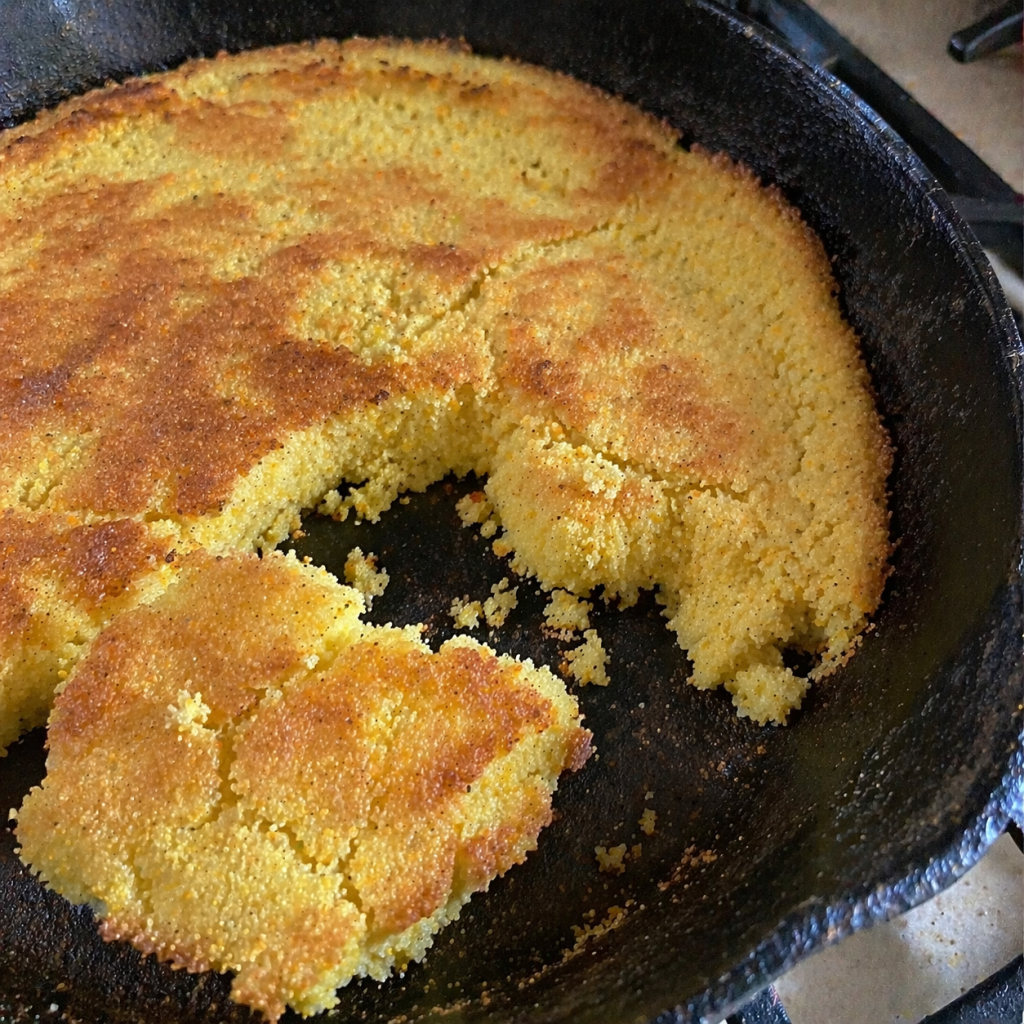
This was the simplest form of cornbread, made without the luxury of milk or eggs. It was just cornmeal, salt, and water mixed into a stiff, gritty dough.
The patties were fried in a cast-iron skillet until the edges were crispy. It was dense, crumbly, and perfect for soaking up pot liquor from greens.
While it was born from poverty, the crunchy crust was undeniably delicious. It was a sturdy staple that kept many families going through the leanest years.
20. Poor Man’s Feast
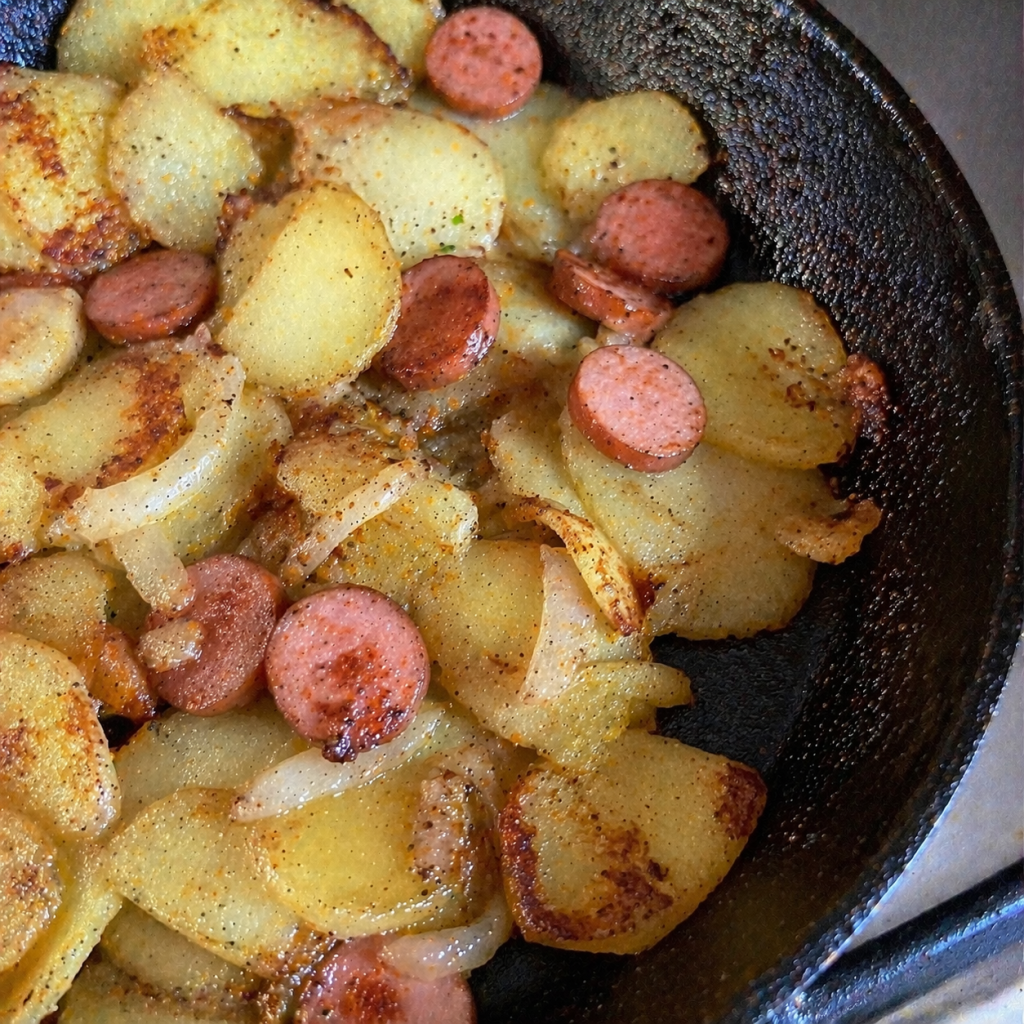
This classic skillet meal relied on the humble potato to do the heavy lifting. Sliced potatoes were fried with onions until they were soft and beautifully browned.
A few hot dog rounds were tossed in at the end to add some protein. The grease from the meat seasoned the entire pan of vegetables perfectly.
It was a fast, savory dinner that didn’t require a trip to the store. Simple ingredients combined to create a flavor that felt like a real celebration.
19. Rice and Milk
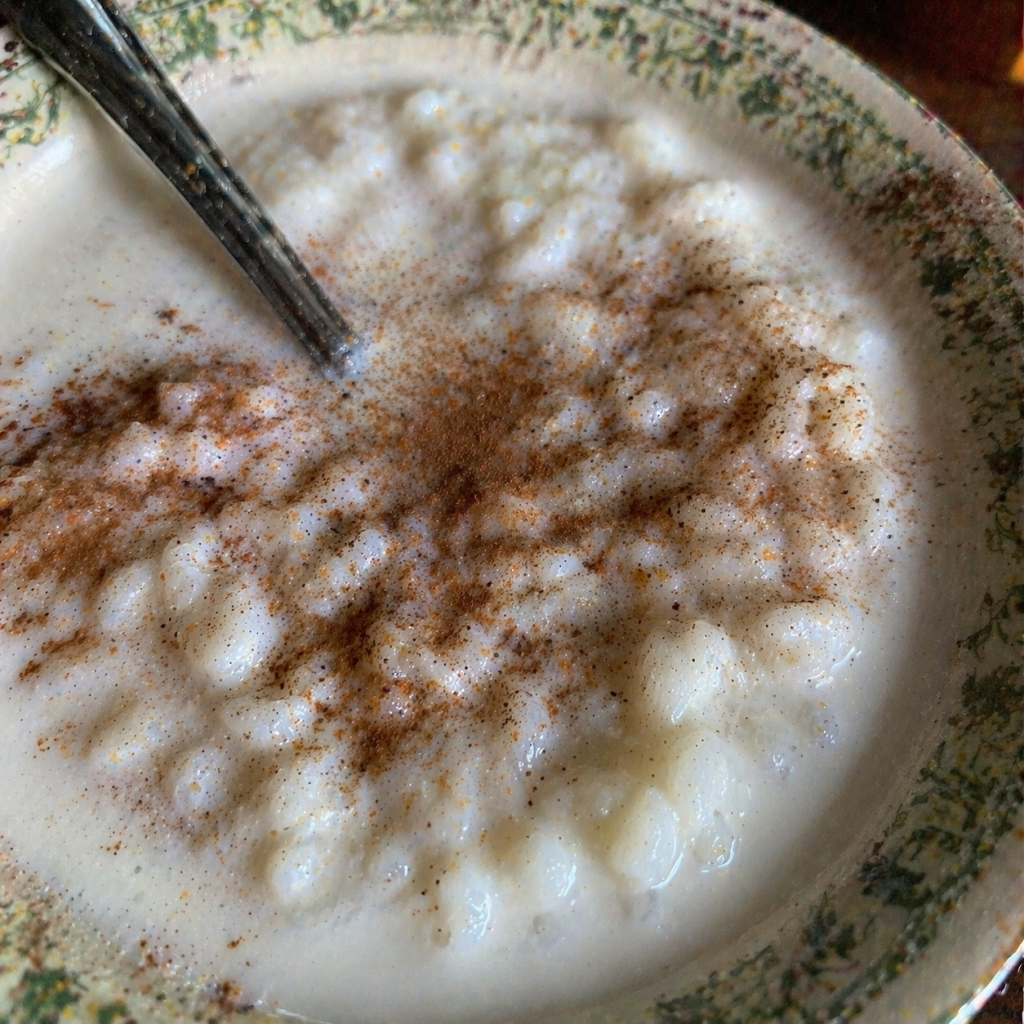
When the cupboards were nearly bare, rice and milk was a reliable standby. Hot cooked rice was served in a bowl just like a breakfast cereal.
A splash of milk and a spoonful of sugar made it feel like a treat. If you were lucky, a pinch of cinnamon was added for extra warmth.
It was easy to digest and very filling for a small child’s stomach. This humble bowl provided comfort when meat and vegetables were nowhere to be found.
18. Tomato Gravy
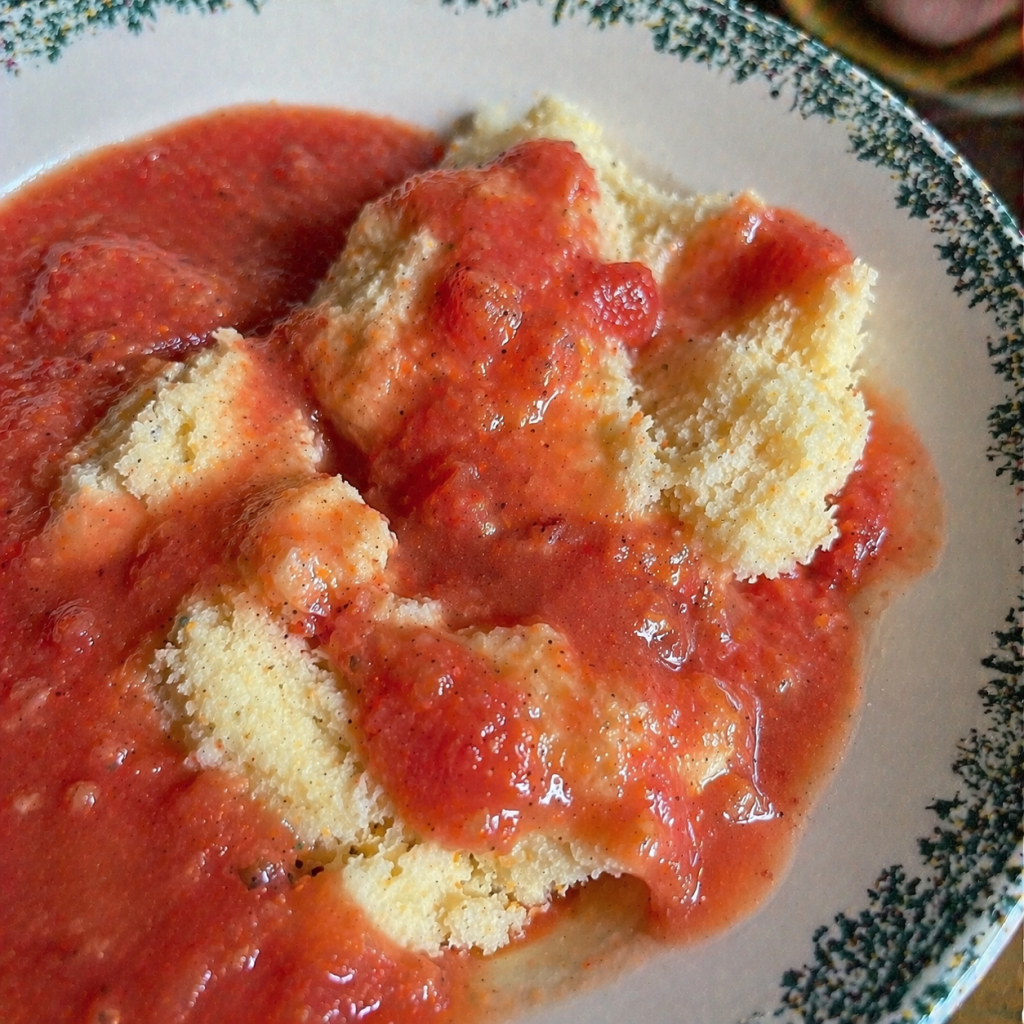
Many people today haven’t heard of this, but it was a Southern breakfast staple. Flour and fat were used to make a roux, then canned tomatoes were stirred in.
The result was a tangy, creamy red gravy that was served over hot biscuits. It was a clever way to use garden preserves to stretch a meal.
The acidity of the tomatoes brightened up the heavy, flaky biscuits perfectly. It turned a few basic pantry items into a warm, savory masterpiece.
17. Fried Bologna
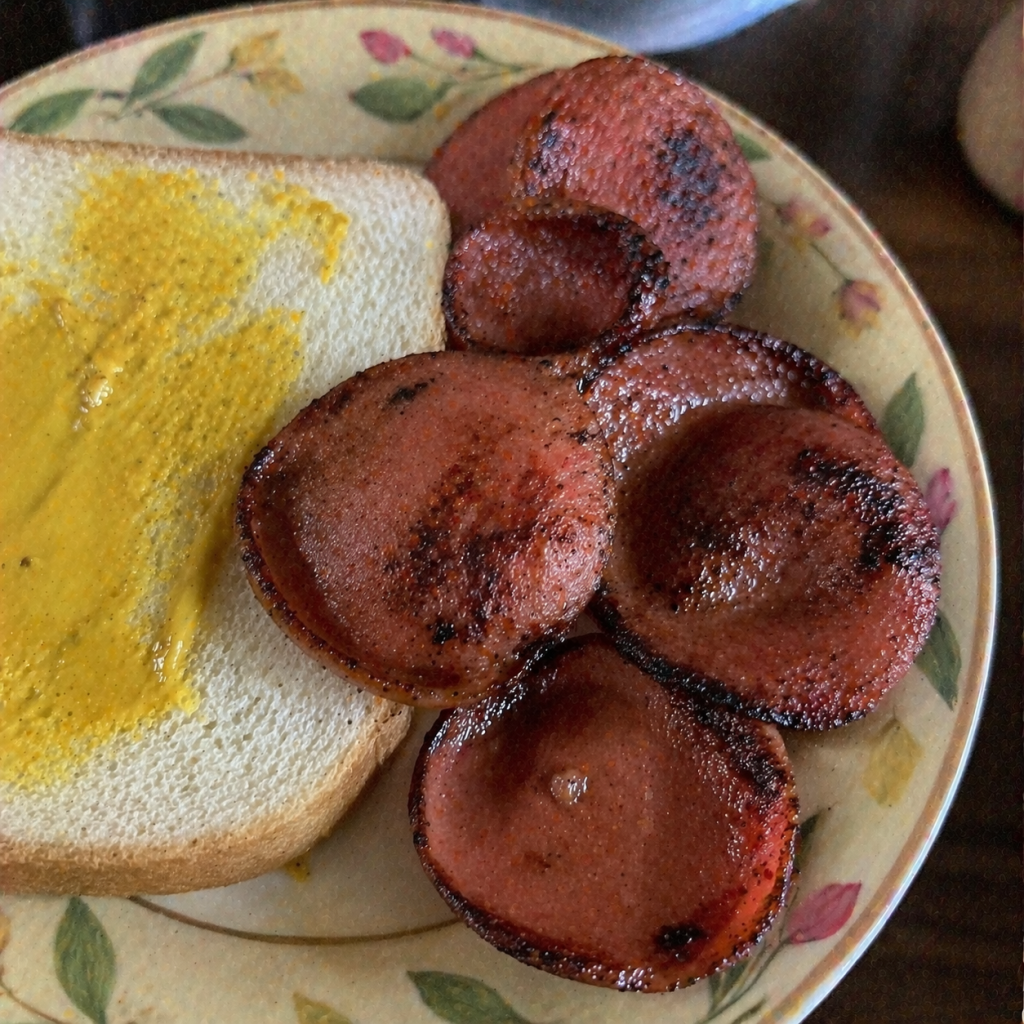
Bologna was often referred to as “poor man’s steak” because it was so affordable. Thick slices were tossed into a hot pan until they curled into little cups.
The edges became crispy and salty, mimicking the char of a real grill. It was usually served on plain white bread with a swipe of yellow mustard.
For a kid in the 1940s, this was a five-star lunch. It brought a smoky, meaty satisfaction to the table for just a few pennies.
16. Succotash
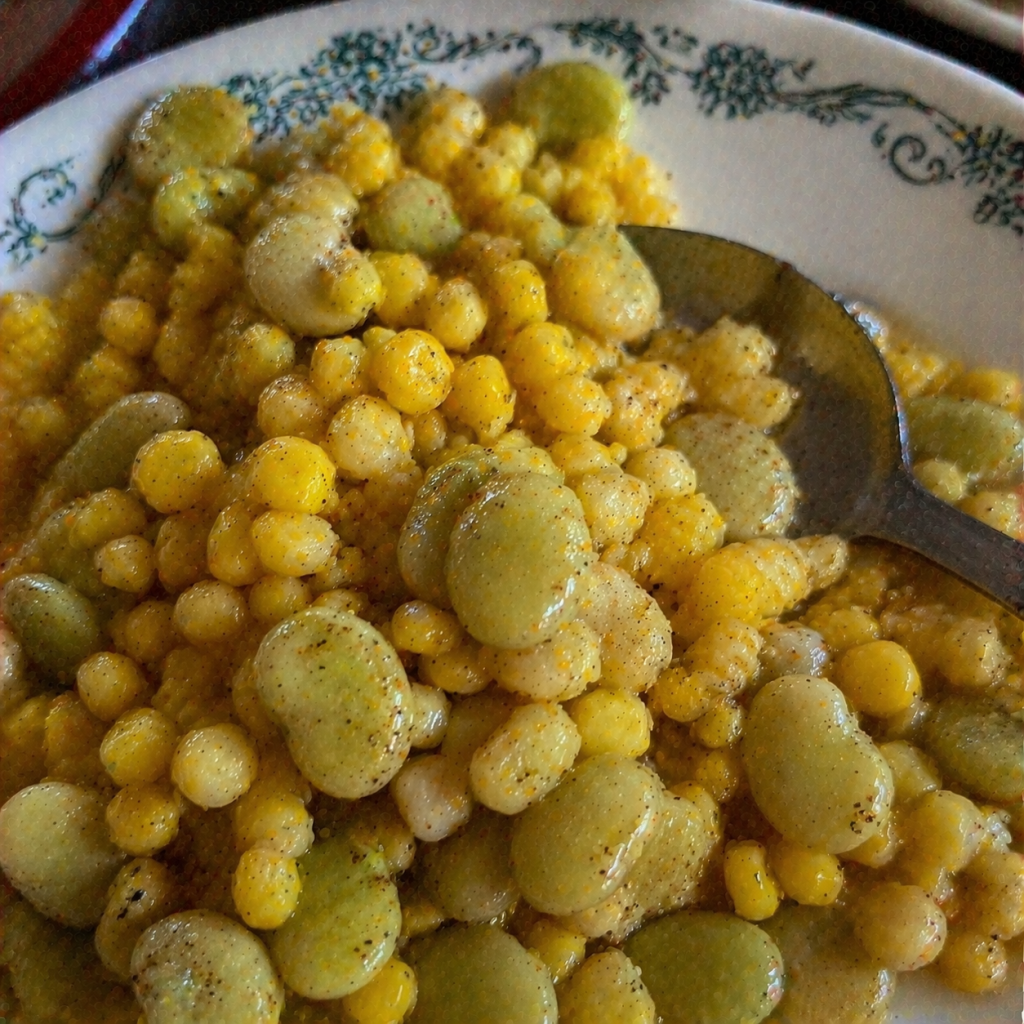
This dish was a lesson in nutritional survival that was passed down through generations. It is a simple mixture of lima beans and sweet golden corn.
Together, these two vegetables create a complete protein that rivals expensive meat. It was often enriched with a little butter or a piece of salt pork.
The combination was colorful, filling, and utilized ingredients that were easily grown or canned. It was a reliable side dish that often served as the main event.
15. Bread and Milk
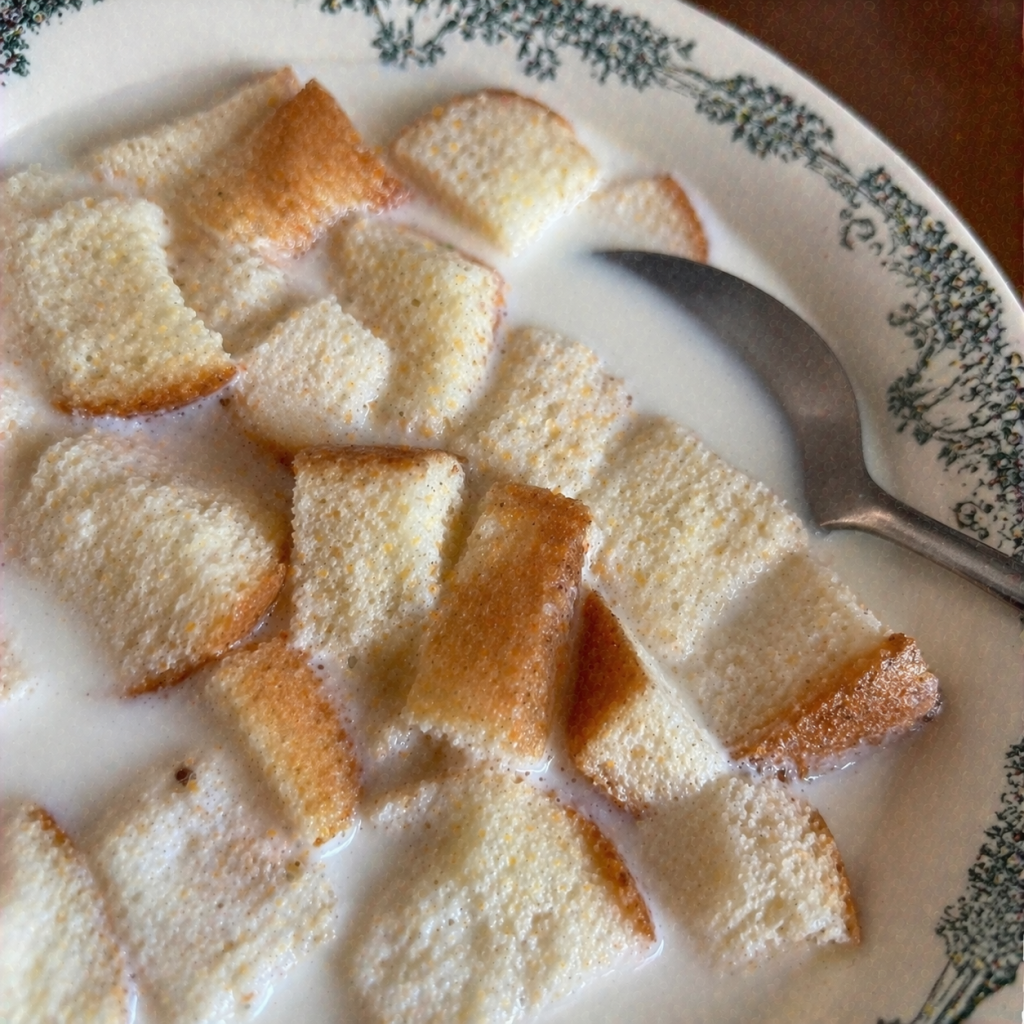
This might sound strange now, but it was once a very common evening meal. Cold milk was poured into a bowl over chunks of dry or toasted bread.
It was eaten with a spoon, much like a very basic version of cereal. Sometimes a bit of sugar or salt was added depending on personal preference.
It was the ultimate “nothing left in the house” meal for many families. Even so, many elders remember the simple, clean taste with great fondness today.
14. Johnnycakes
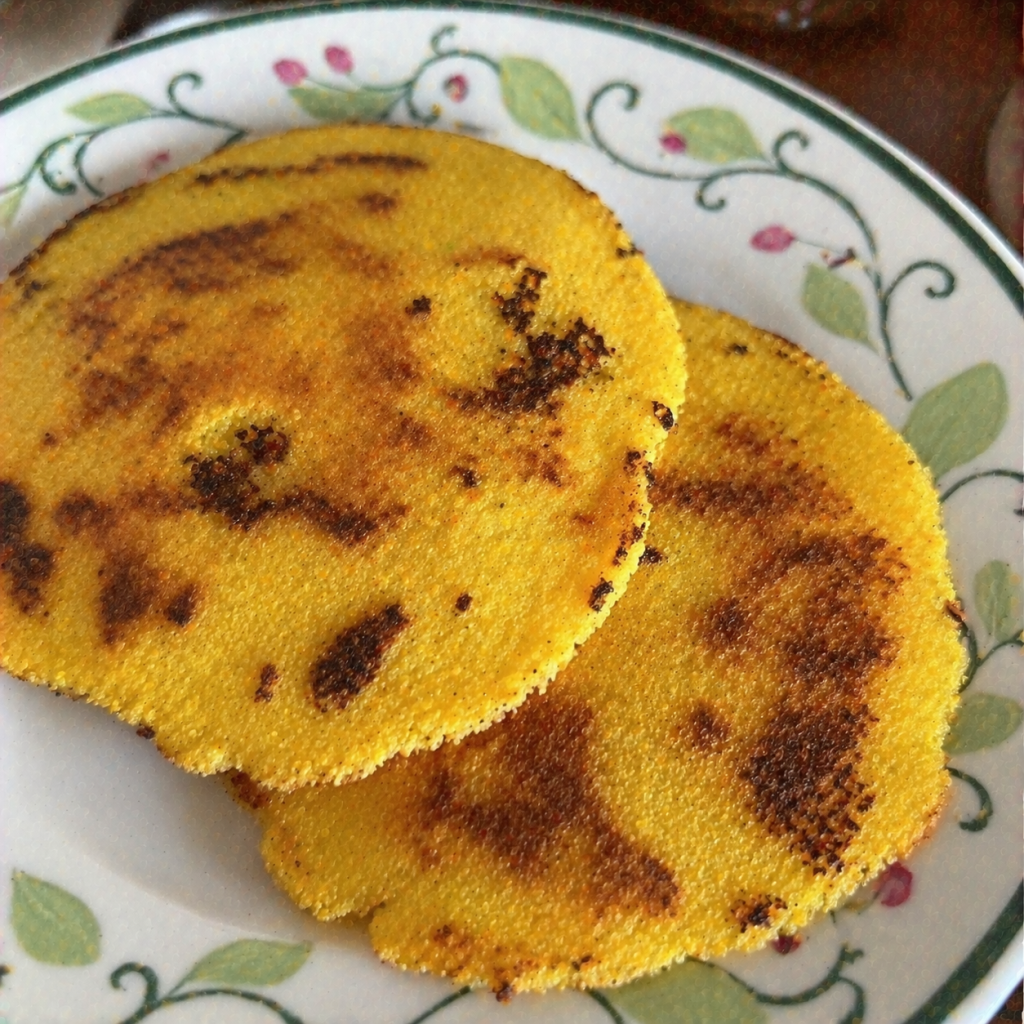
These are flat cornmeal pancakes that have been a North American staple for centuries. They were made with cornmeal, hot water, and a little bit of salt.
The batter was dropped onto a hot griddle and fried until golden and crisp. They were much cheaper to make than flour pancakes which required eggs and milk.
Usually, they were eaten plain or with a tiny smear of lard or molasses. They were portable, durable, and kept the hunger away for a long time.
13. Goulash
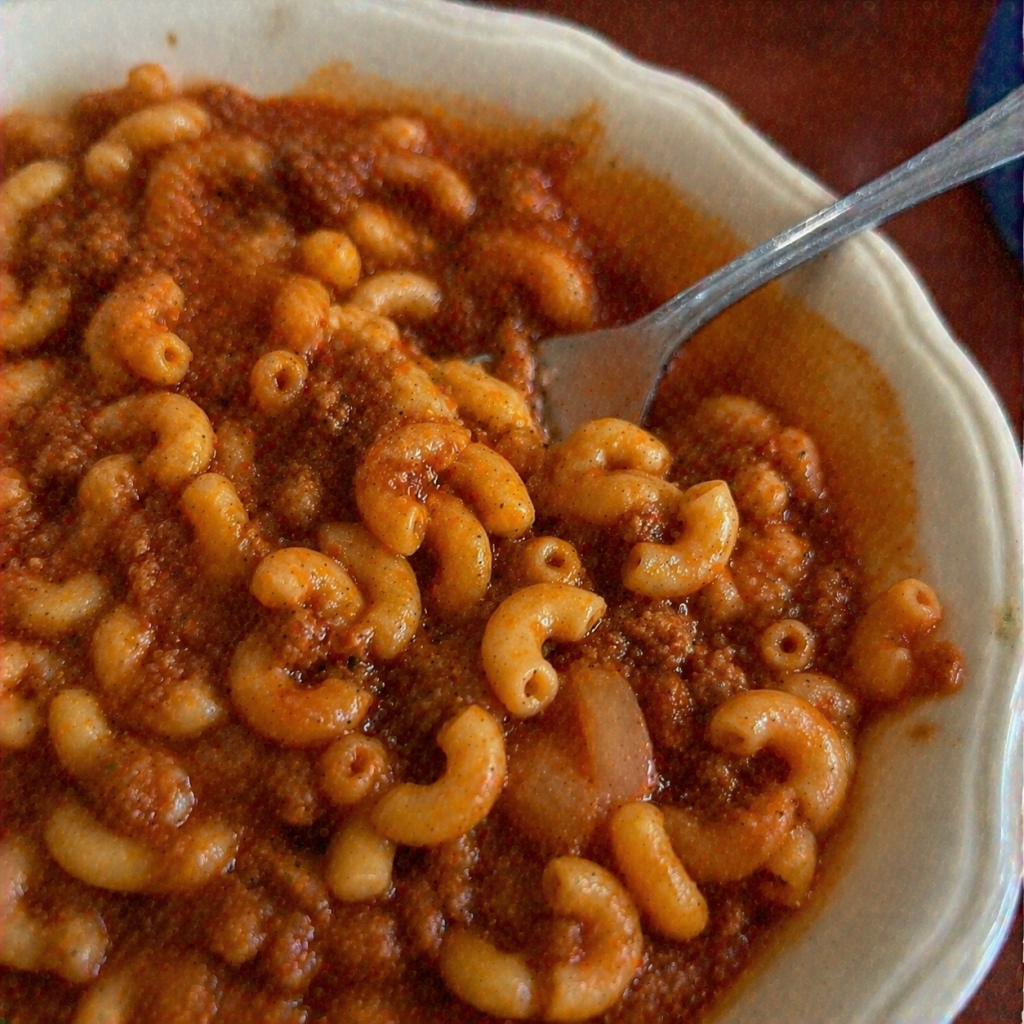
American goulash is a far cry from the Hungarian version, but it’s a family favorite. It used elbow macaroni and a small amount of ground beef to feed many.
The meat was “stretched” using lots of canned tomato sauce and diced onions. It was a savory, filling mess that only got better as it sat.
One pound of beef could feed a family of six when mixed with pasta. It remains the gold standard for “stretching a buck” in the kitchen today.
12. Creamed Peas on Toast
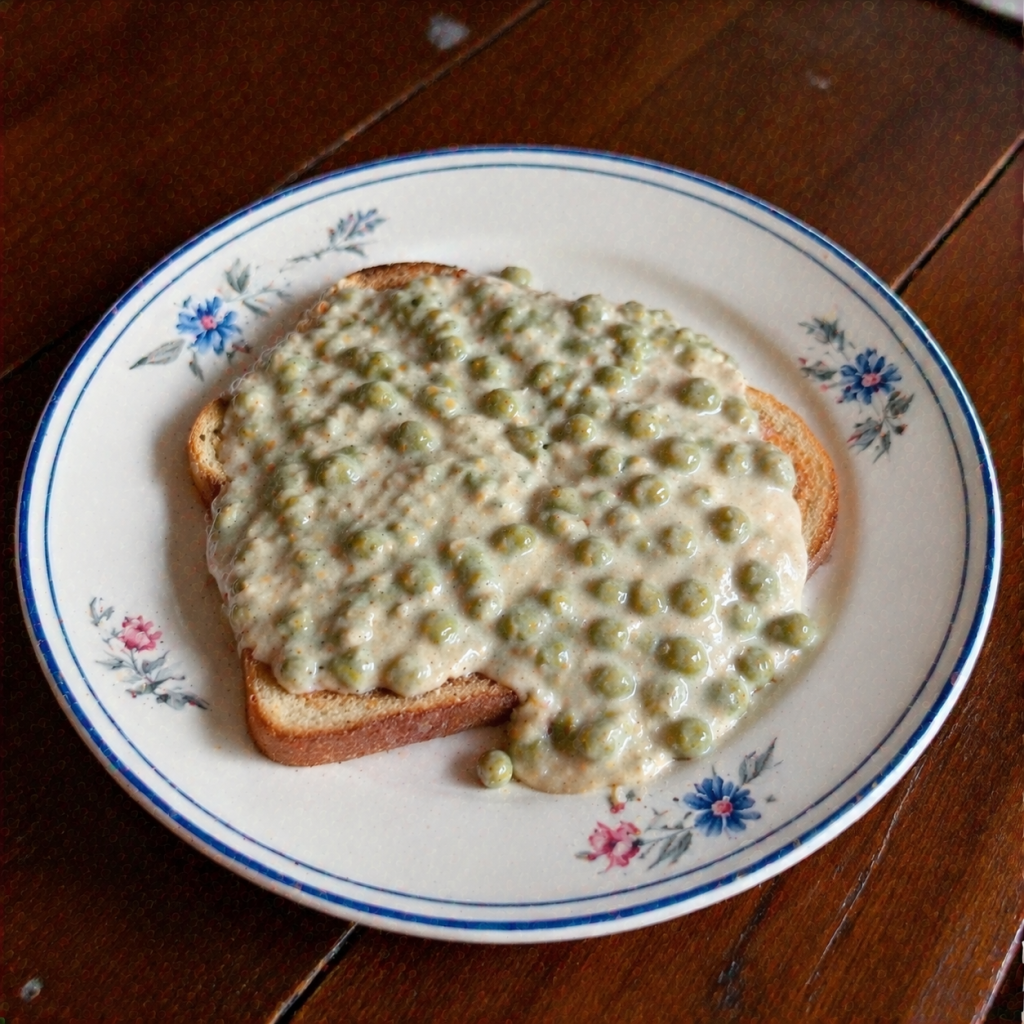
This was a quick way to turn a lonely can of peas into a full dinner. A simple white roux was made, and the peas were folded into the sauce.
The creamy mixture was then ladled over thick slices of toasted bread. It was soft, mild, and provided a much-needed serving of green vegetables.
While it sounds plain, it was a warm and comforting meal on rainy days. It utilized basic pantry items to create something hearty and completely satisfying.
11. Potato Pancakes
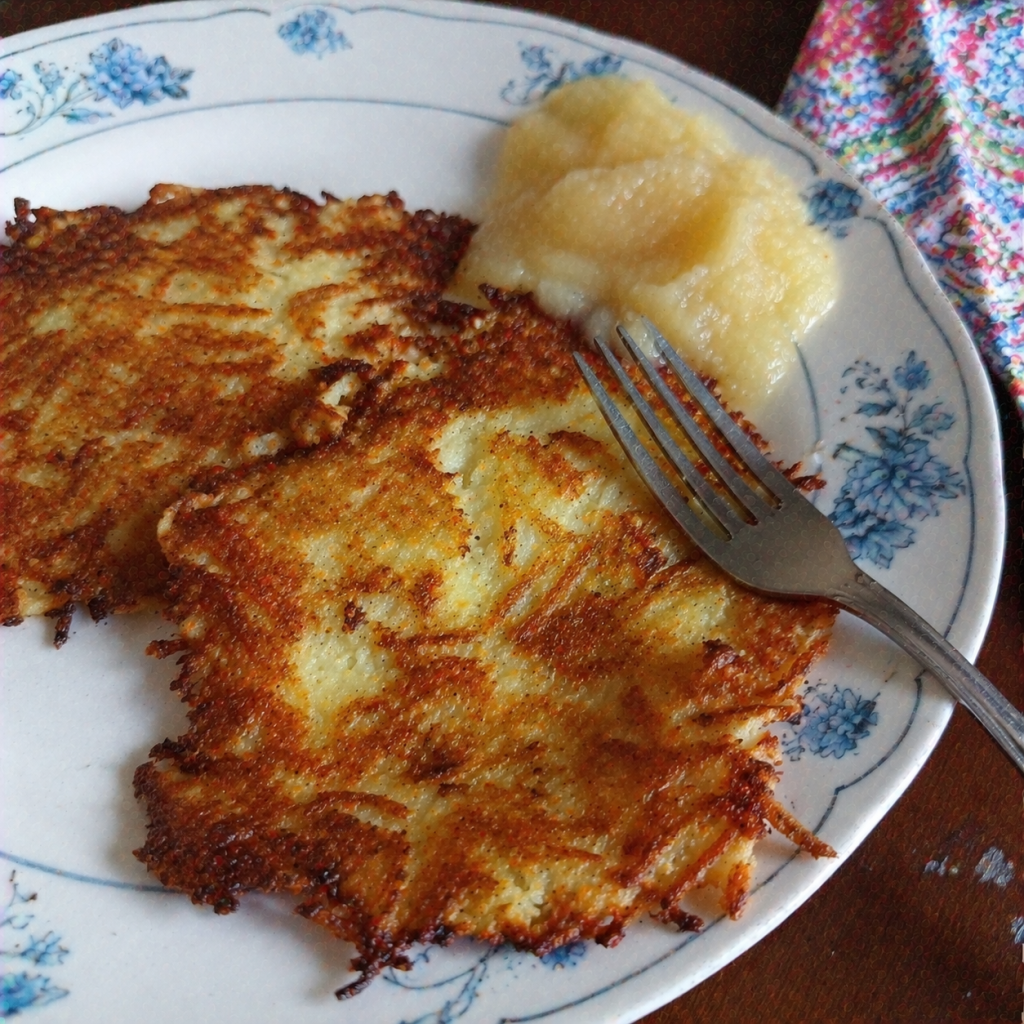
Grated potatoes and a bit of flour were the main stars of this crispy dish. An onion was usually grated in to provide a savory depth of flavor.
The mixture was fried in oil until the exterior was crunchy and golden brown. They were often served with applesauce or just a sprinkle of coarse salt.
It was a clever way to make the humble potato feel like a main course. These pancakes were a delicious way to fill up without spending any money.
10. Ham and Beans
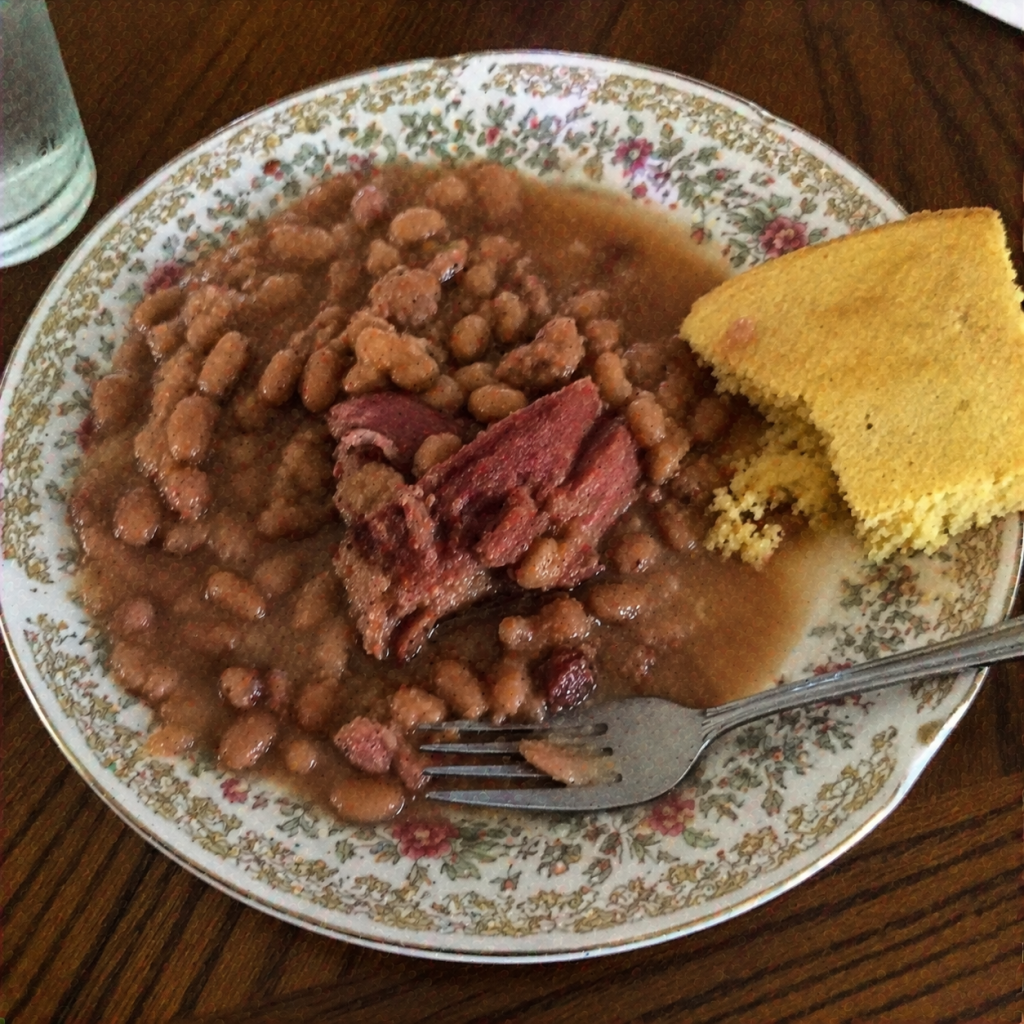
This meal was a slow-simmered tradition that filled the whole house with a smoky aroma. Dried pinto beans were soaked overnight and then cooked with a ham hock.
The beans became creamy and rich after hours of bubbling on the stove. It was almost always served with a side of crumbly, yellow cornbread.
The ham bone provided enough flavor to make the beans taste like royalty. It was a nutritional powerhouse that cost almost nothing to put on the table.
9. Chicken Fricasse
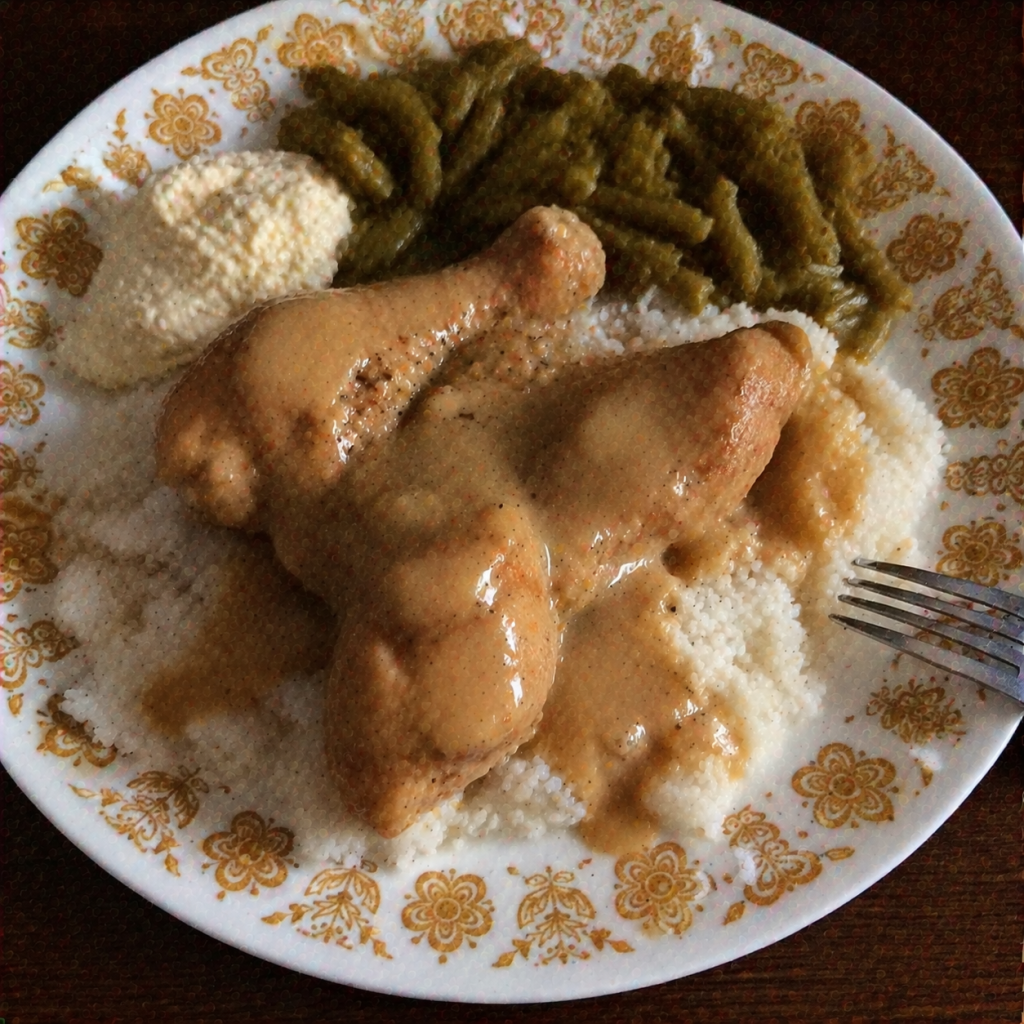
When a whole chicken was too expensive, the less desirable parts were used here. The chicken was battered, fried, and then simmered in a thick, savory gravy.
This process made even the toughest cuts of meat tender and incredibly flavorful. It was usually served over a bed of white rice or mashed potatoes.
The gravy was the best part, acting as a “stretcher” for the meal. It was a Sunday-style dinner made using very modest and affordable ingredients.
8. Fried Cornmeal Mush
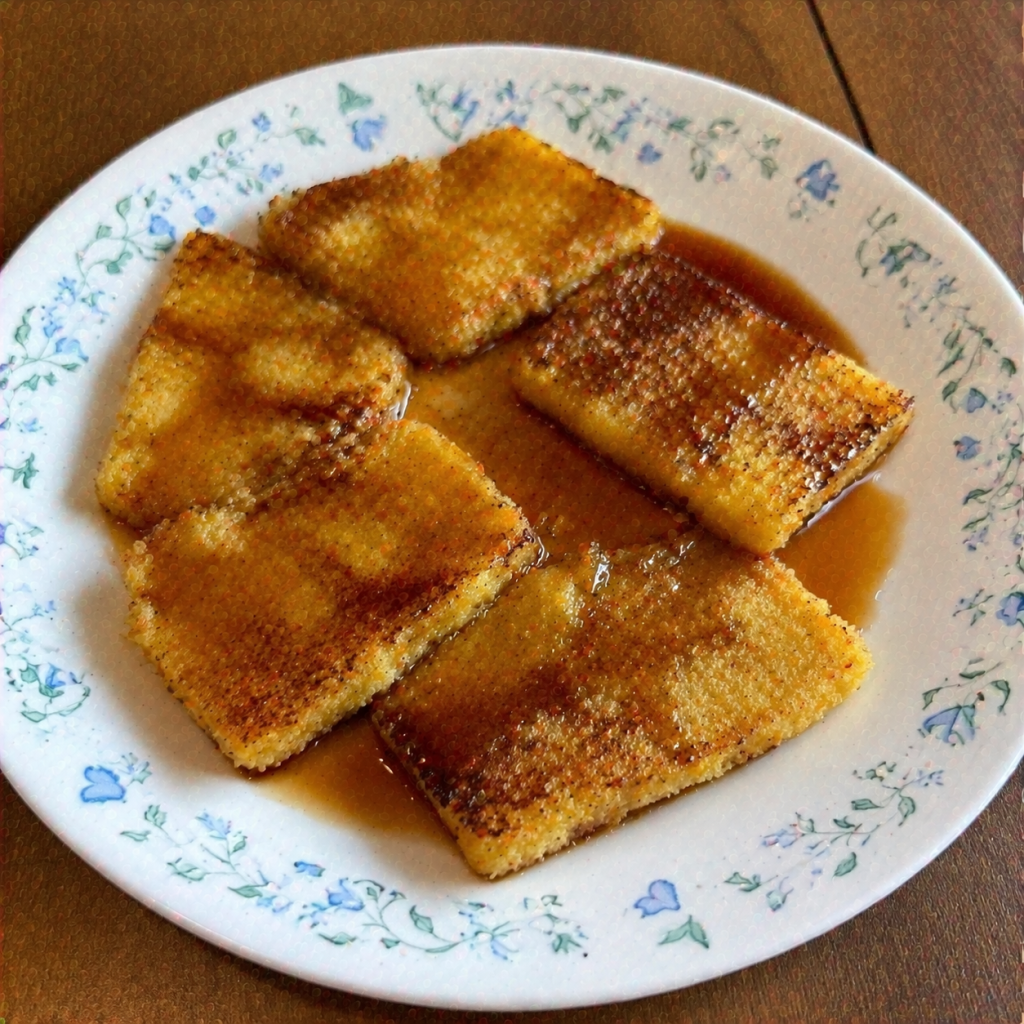
Cornmeal mush was often served as a hot porridge for breakfast the first day. The leftovers were poured into a loaf pan and chilled until they became firm.
The next day, the loaf was sliced and pan-fried until the edges were crispy. It was served with syrup or molasses for a sweet and savory breakfast.
It was a brilliant way to use leftovers to create a new meal. Two different dishes were made from a single pot of boiling cornmeal.
7. Stuffed Peppers
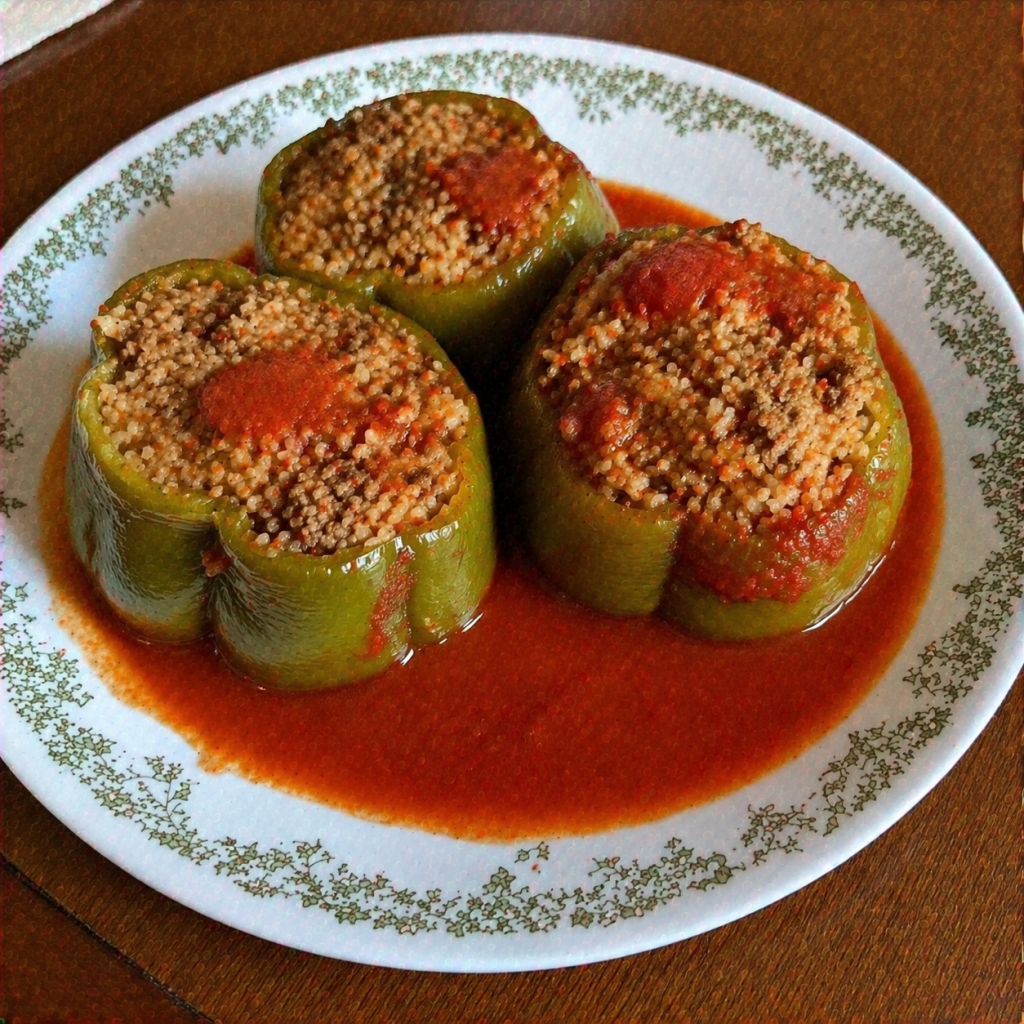
Peppers were often plentiful in the summer garden, making them a great vessel for leftovers. The filling was mostly cooked rice seasoned with salt, pepper, and onions.
Only a tiny amount of ground meat was added to give it some flavor. The peppers were baked in a tomato-based sauce until they were soft and tender.
This meal was a masterpiece of portion control and stretching expensive ingredients. It looked impressive on the plate while remaining very light on the wallet.
6. Wilted Lettuce
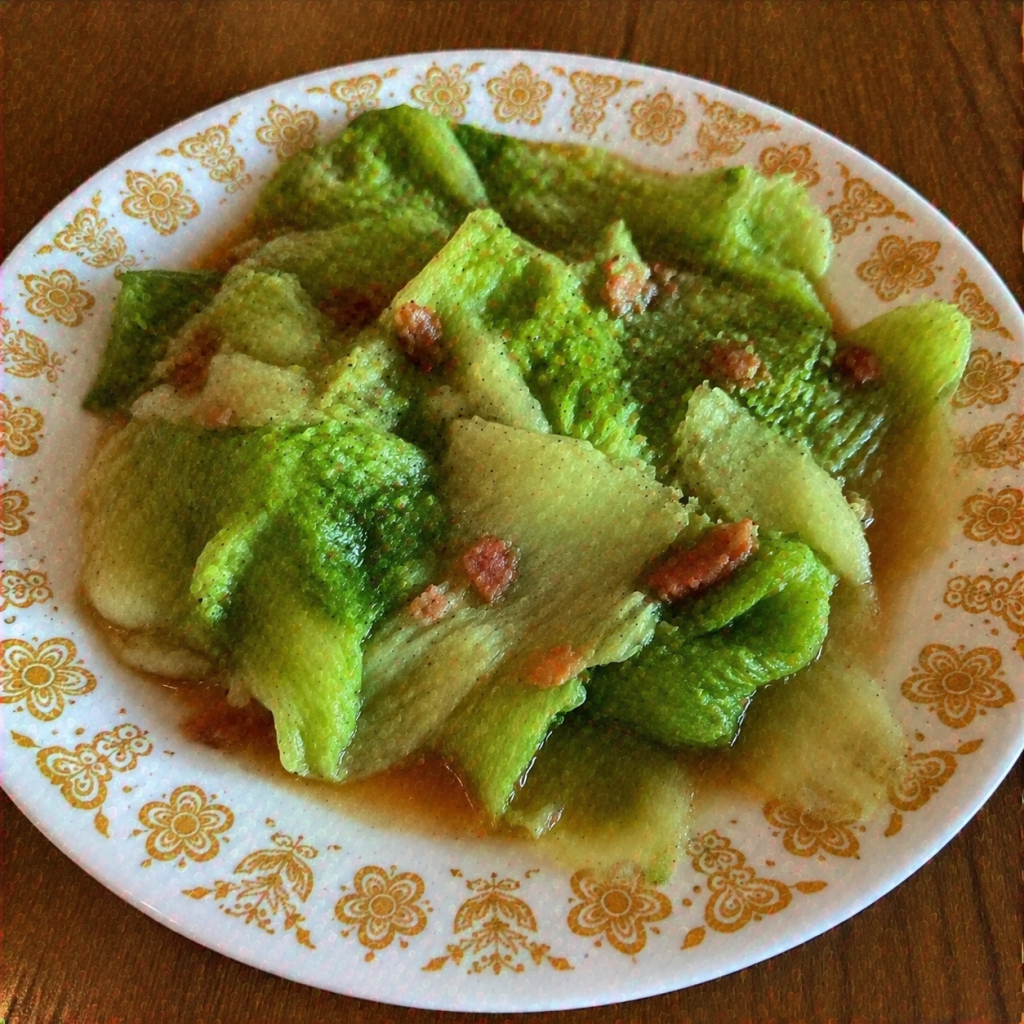
This wasn’t your typical healthy salad, but it was a delicious way to use greens. Fresh lettuce was placed in a bowl and topped with hot bacon grease.
A splash of vinegar and a bit of sugar were added to the fat. The heat “wilted” the leaves, coating them in a warm, tangy dressing.
It turned a simple bowl of garden weeds into a savory, salty side dish. It was a clever way to make plain greens taste absolutely irresistible.
5. Ratatouille
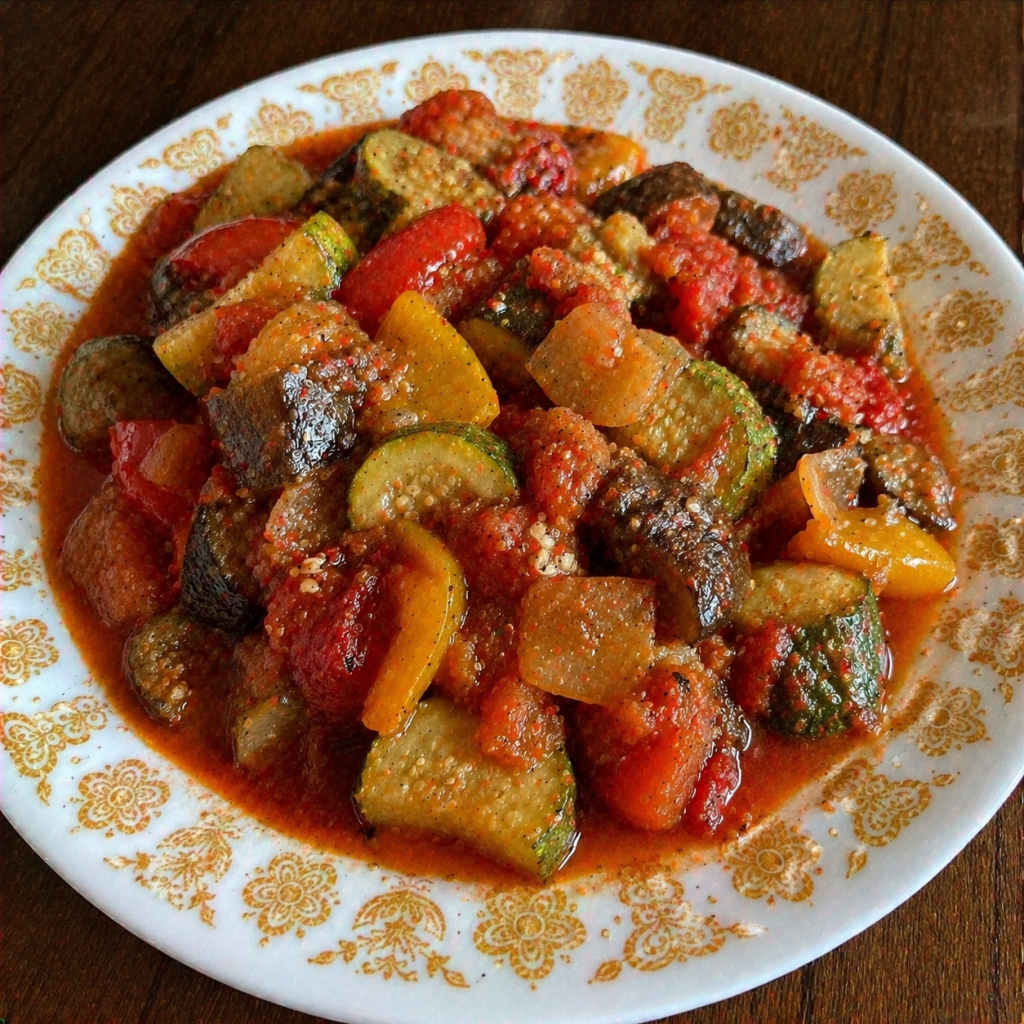
While it sounds fancy today, this was originally a “peasant” dish for using garden scraps. It is a slow-cooked stew of zucchini, eggplant, tomatoes, and bell peppers.
Everything was chopped up and simmered together with whatever herbs were on hand. It was a great way to use vegetables that were slightly past their prime.
The flavors melded together into a rich, healthy, and very colorful vegetarian meal. It was a celebration of the harvest that cost nothing but a little time.
4. Salmon Patties
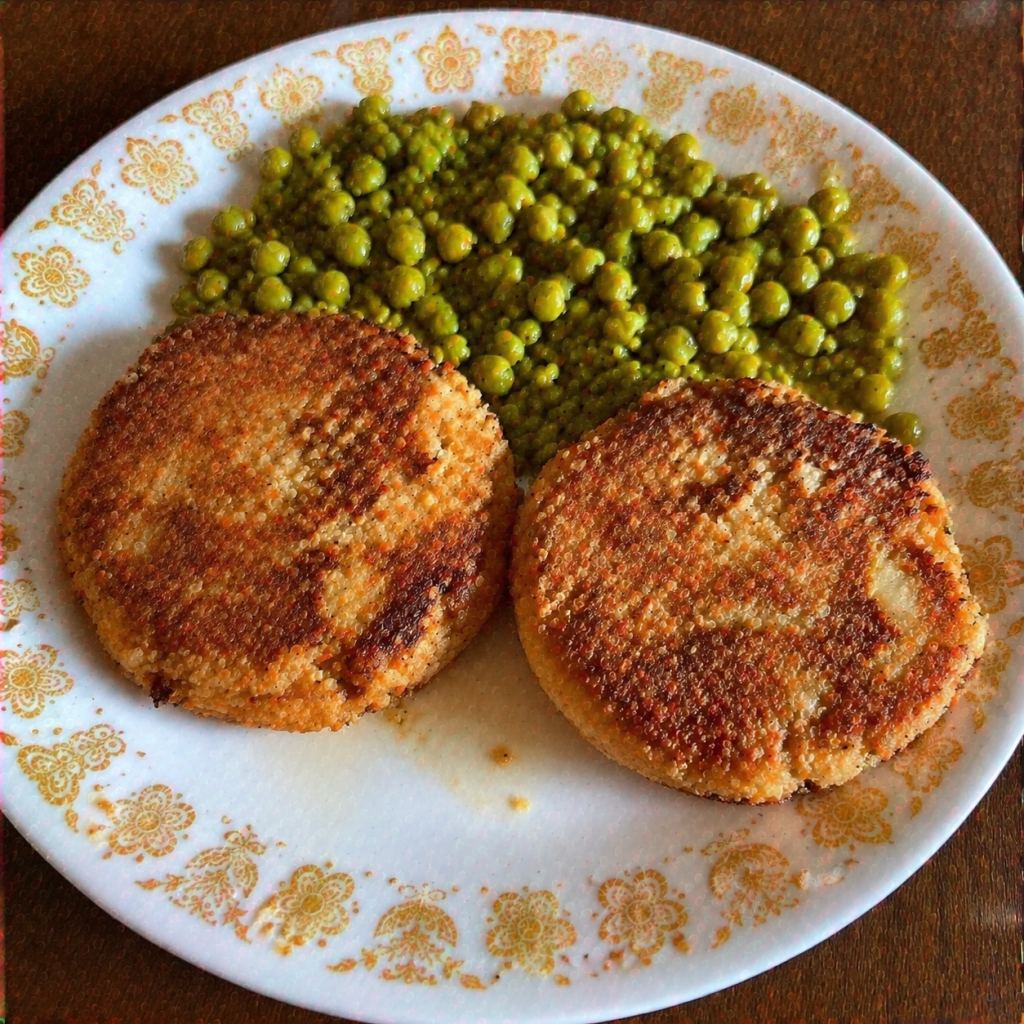
Fresh fish was a luxury, but canned salmon was an affordable way to get protein. The fish was flaked and mixed with crushed saltines or old breadcrumbs.
An egg was added to bind it all together before frying them in a pan. They came out looking like expensive crab cakes but cost only a fraction.
Served with a side of peas, it was a classic Friday night dinner. These patties were a clever way to make a humble can feel special.
3. Biscuit Peaches
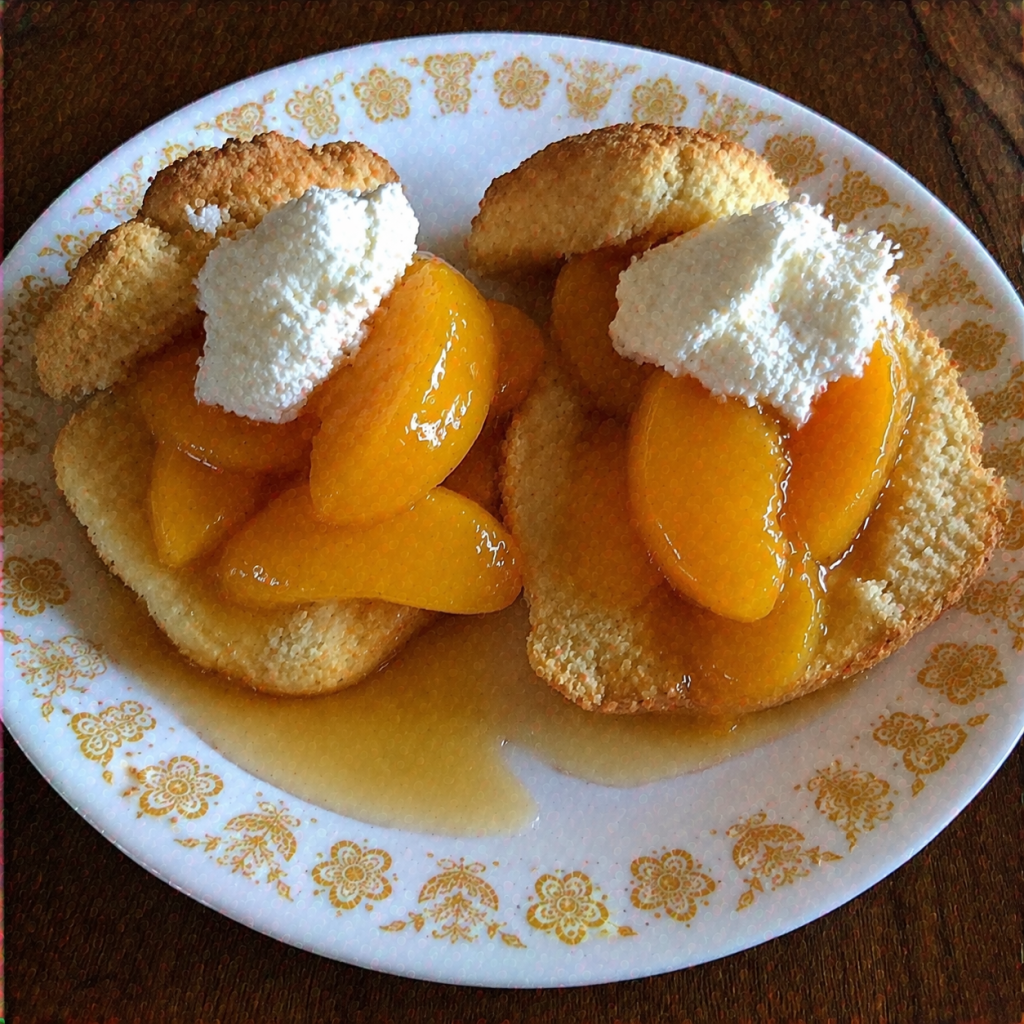
Dessert didn’t have to be complicated to be a hit with the whole family. Warm, buttered biscuits were split open and topped with a can of sliced peaches.
The sweet syrup from the can soaked into the bread like a glaze. If there was any cream in the icebox, a dollop went on top.
It was a simple, rustic version of shortcake that used only pantry staples. This treat brought a smile to everyone’s face after a very long day.
2. Baked Beans
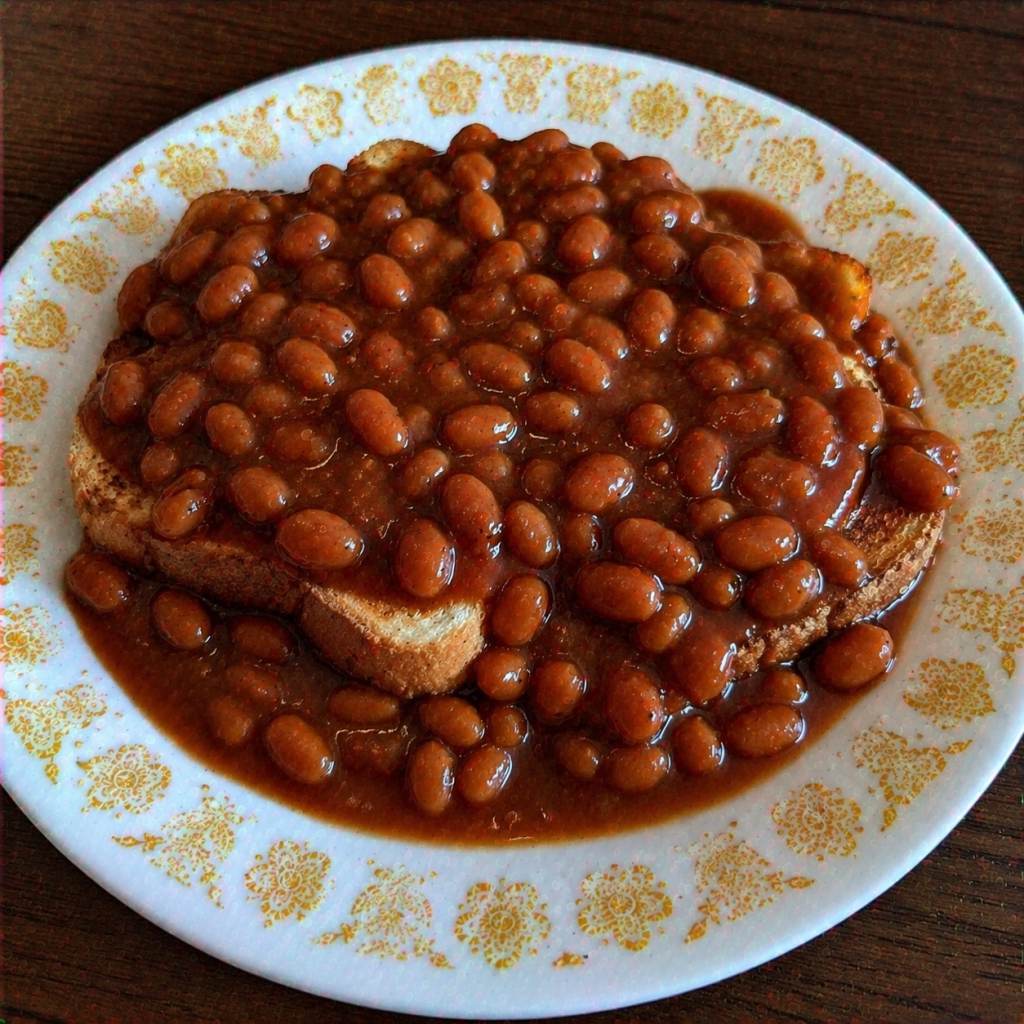
Beans were the ultimate protein for those who couldn’t afford a butcher’s cut of meat. Canned or dried beans were baked with molasses, mustard, and a bit of fat.
They were often served piled high on top of a thick slice of toast. This provided a hearty, fiber-rich meal that stayed with you for many hours.
The sweet and savory sauce was perfect for cleaning the plate with bread. It remains a legendary staple for anyone who has ever lived on a budget.
1. Apple Brown Betty
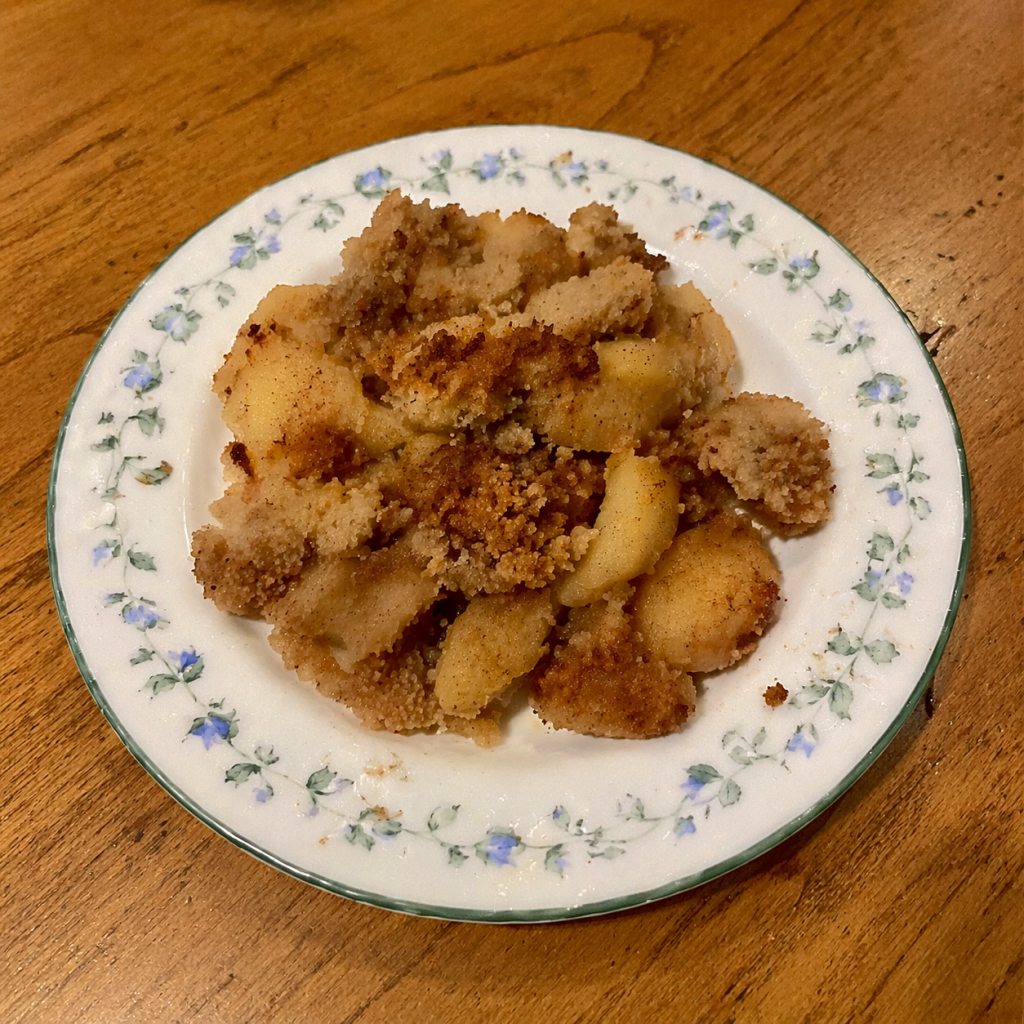
Apples were cheap and plentiful, and even the bruised ones were never thrown away. Sliced apples were layered with sweetened, spiced breadcrumbs and baked until bubbly and hot.
The breadcrumbs created a crunchy topping that mimicked a much more expensive pie crust. It was a warm, fragrant dessert that made the whole house smell like home.
It used every scrap of the fruit and every crumb of the bread. This dish is the perfect reminder that our grandparents knew how to find sweetness anywhere.

Charles Jacobs