
I’ve spent seven decades watching the world move from rotary phones to pocket supercomputers.
But I’ve seen more than just the tech change.
Looking back, the 1960s and 70s weren’t perfect, but they were built on a foundation of grit and handshake deals that feels rare today.
We didn’t just live in neighborhoods. We belonged to them. Our world was anchored by unwritten rules that kept us grounded.
Now, as I watch my grandkids navigate a faster, louder world, I can’t help but mourn the quiet strength of the values we used to take for granted.
So, I took to reddit to find the top American values those of us who grew up in the 60s and 70s missed. Here’s what I found.
35. Keeping Your Word Meant Everything
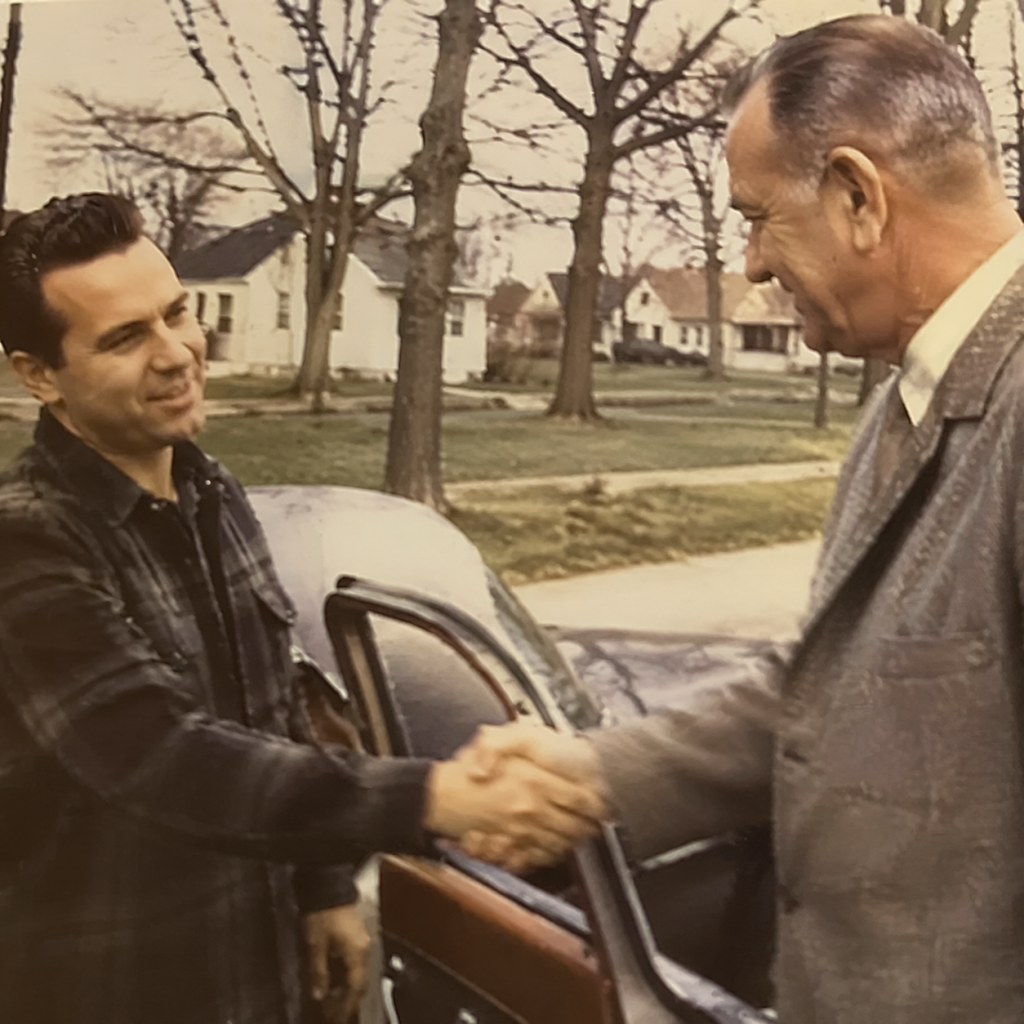
A handshake was as solid as a notarized contract in those days. If you said you’d show up, you were there.
Reliability was a point of deep personal pride for most folks. Breaking a promise felt like losing a piece of your character.
As one Reddit user noted, “If my dad shook on it, the deal was done, no lawyers needed.” People relied on the integrity of their neighbors to keep society moving.
34. Respect for Elders Was Expected

You didn’t just walk past a senior without a polite nod or a “Sir.” Youth was a time for learning, and age was a mark of wisdom.
Standing up to give a seat to an older person was a reflex. It wasn’t about being submissive; it was about honoring their journey.
“You never talked back to an adult, even if they weren’t your parent,” a commenter recalled. This created a bridge of respect between the generations.
33. Neighbors Looked Out for Each Other
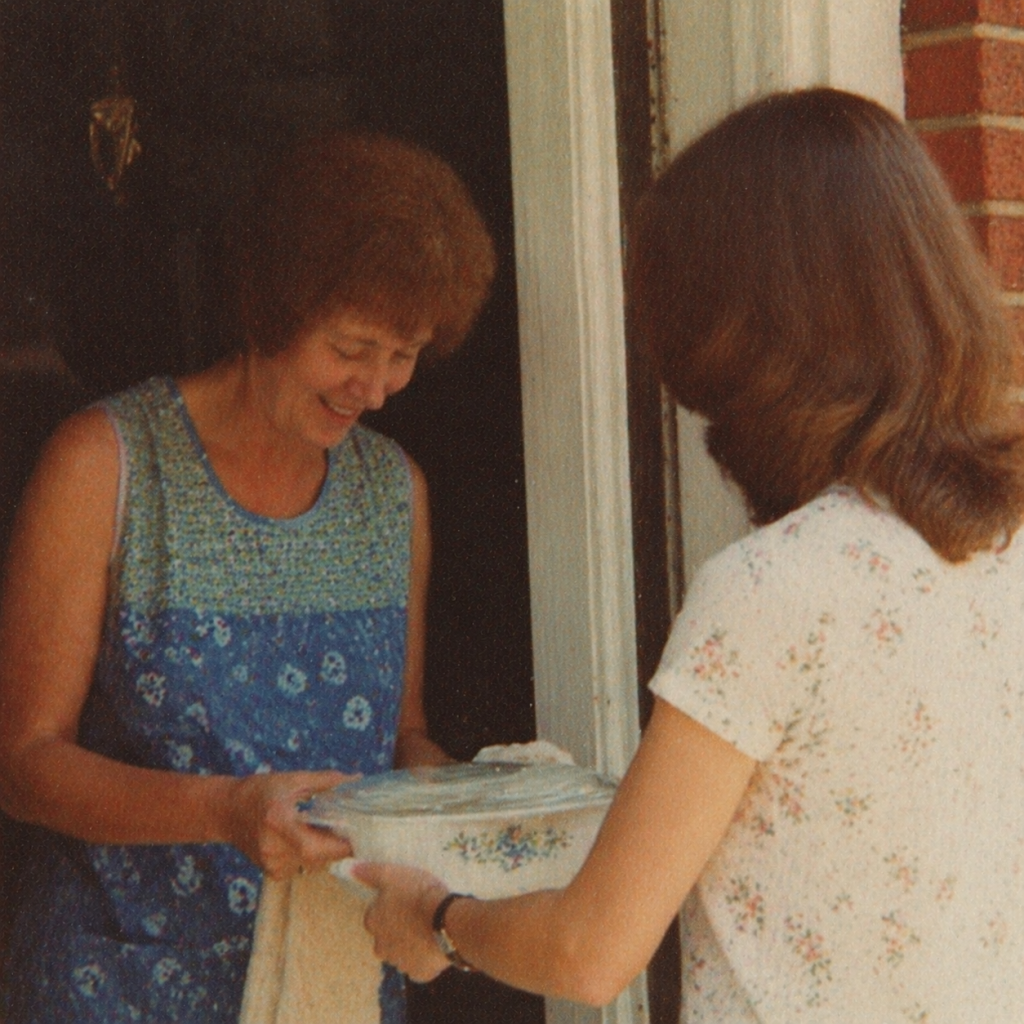
The block was an extension of your own front yard. People knew who belonged and who was just passing through.
If a storm hit, everyone was out with a chainsaw helping clear the street. You never had to ask for a hand because it was already there.
One user shared, “We didn’t even have locks on our doors because the neighborhood was our security.” Community wasn’t a digital group; it was a physical safety net.
32. Hard Work Was a Moral Duty
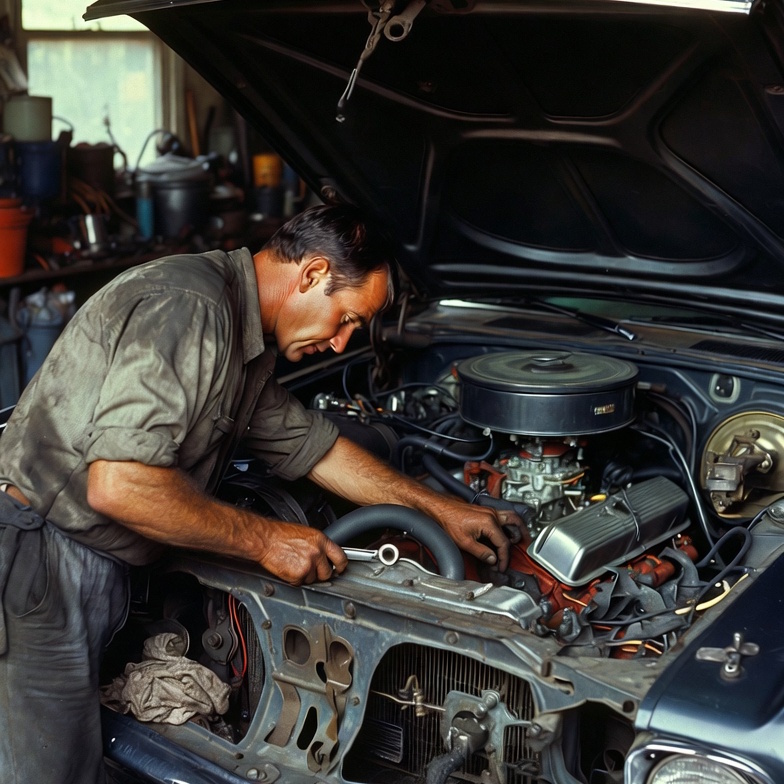
Clocking in wasn’t just about the paycheck; it was about contributing your share. A “fair day’s work for a fair day’s pay” was the golden rule.
Laziness wasn’t just a habit; it was seen as a character flaw. People took pride in the sweat on their brow at the end of the day.
“My grandfather worked thirty years without a single sick day,” a Redditor posted. Work was the primary way you proved your value to the world.
31. Discipline Was Seen as Love
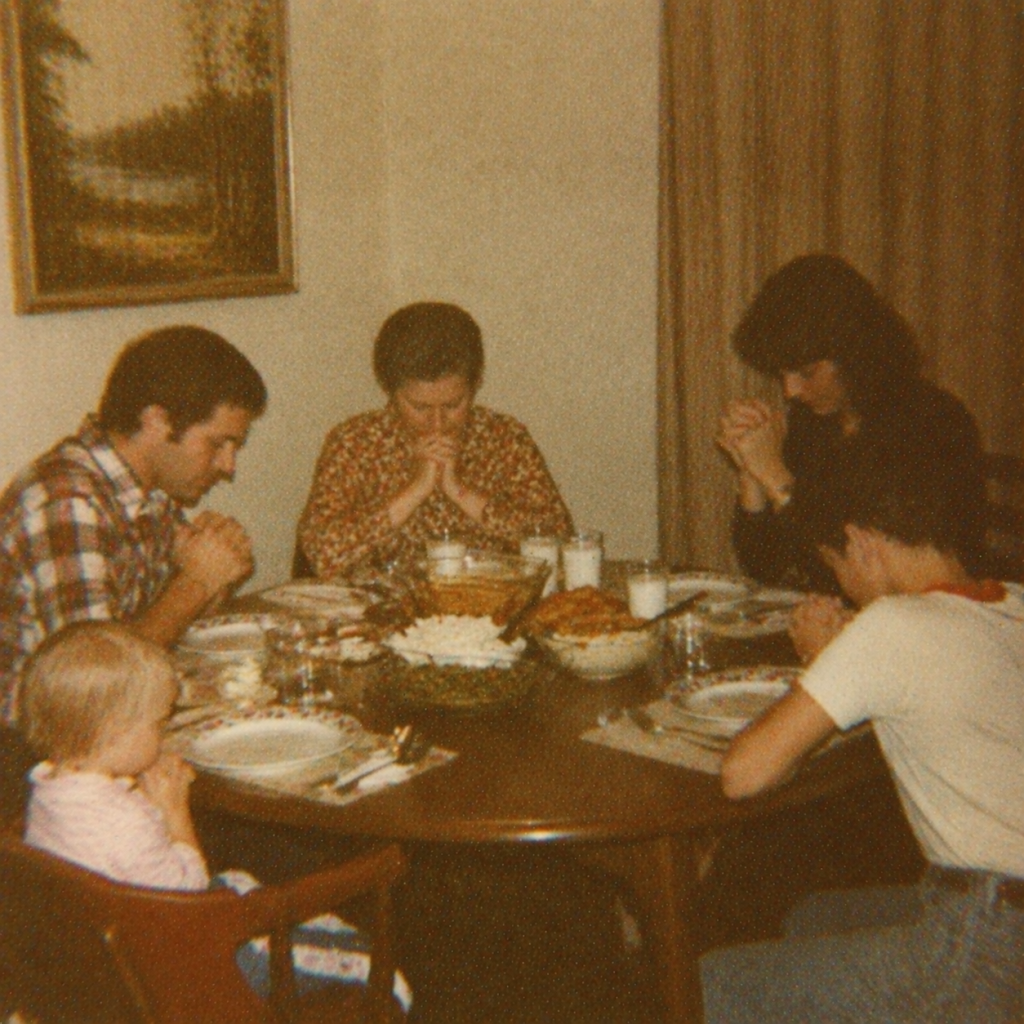
Structure was the foundation of a happy, functional home. Parents believed that clear boundaries helped children feel secure and grounded.
Correction wasn’t meant to be mean; it was meant to guide. A firm hand today prevented a wayward life tomorrow.
One person reflected, “I hated the rules then, but I’m so glad I had them now.” Discipline was the ultimate investment in a child’s future.
30. Delayed Gratification Was Normal
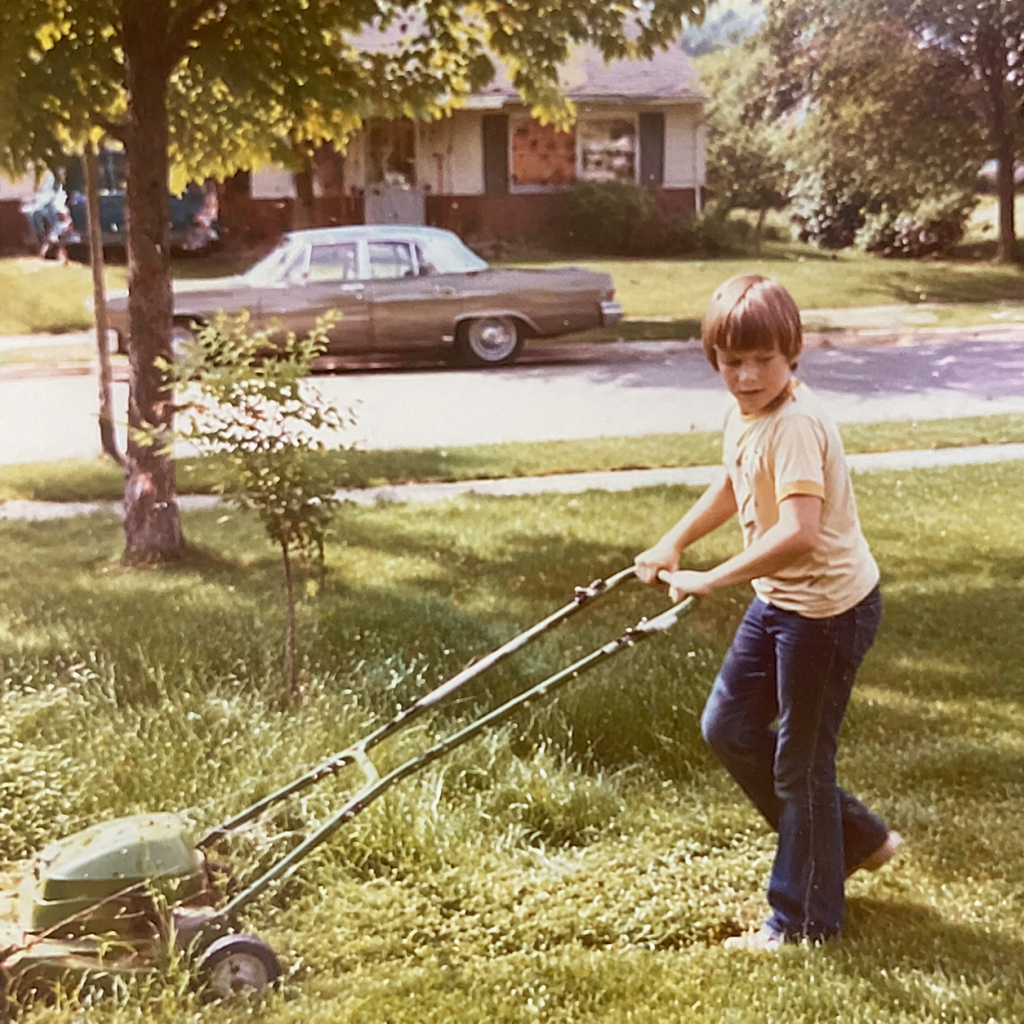
If you wanted a new bike, you mowed lawns until you had the cash. Waiting made the eventual reward feel so much sweeter.
Credit cards weren’t the default way to live your life. People understood that good things took time and steady effort to achieve.
“We saved for months just to buy a toaster,” a user laughed. Patience was a muscle that everyone exercised daily.
29. Family Came Before Personal Desire
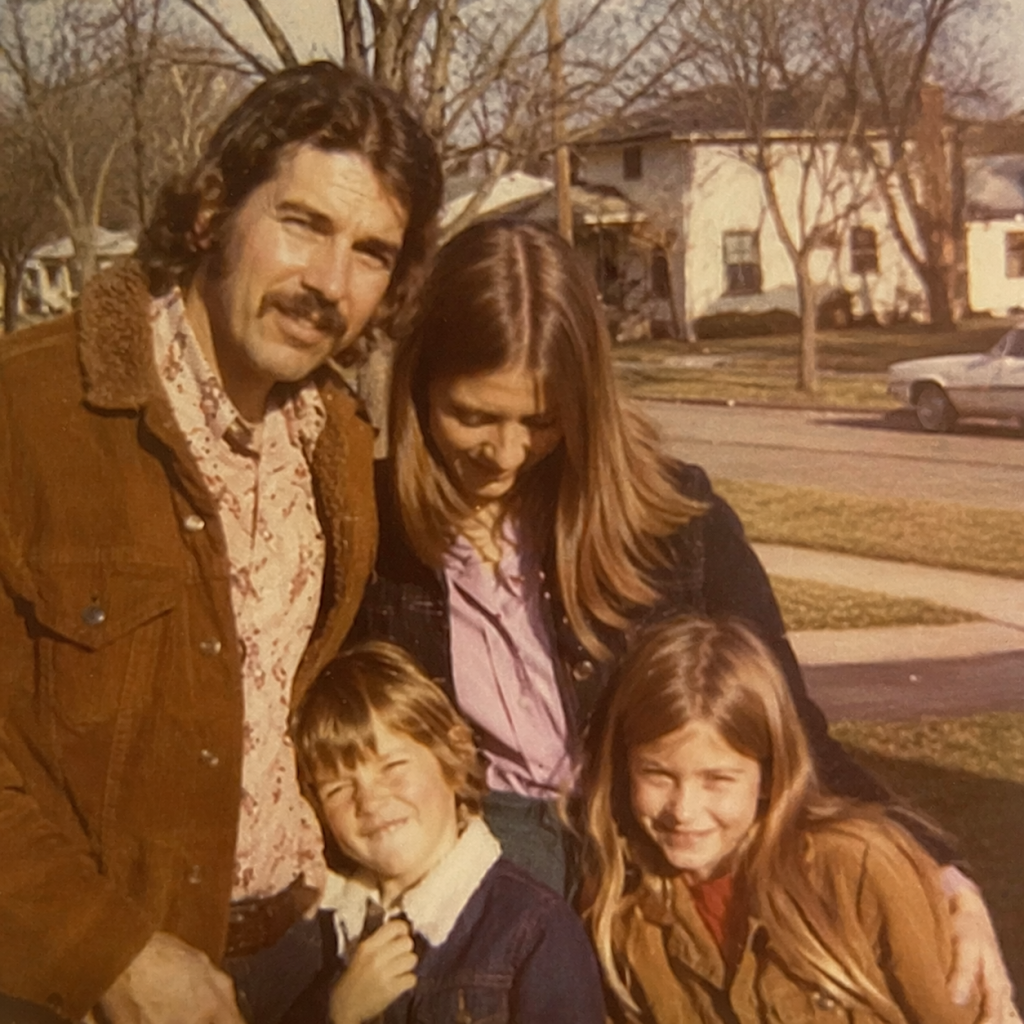
The unit was always stronger and more important than the individual. Personal whims were often set aside for the stability of the household.
Sunday dinner wasn’t an option; it was the weekly anchor. You showed up because your presence mattered to the collective.
A Reddit user wrote, “Individualism wasn’t the goal; being a good son or daughter was.” Sacrificing for kin was the highest form of success.
28. Community Responsibility Was Shared
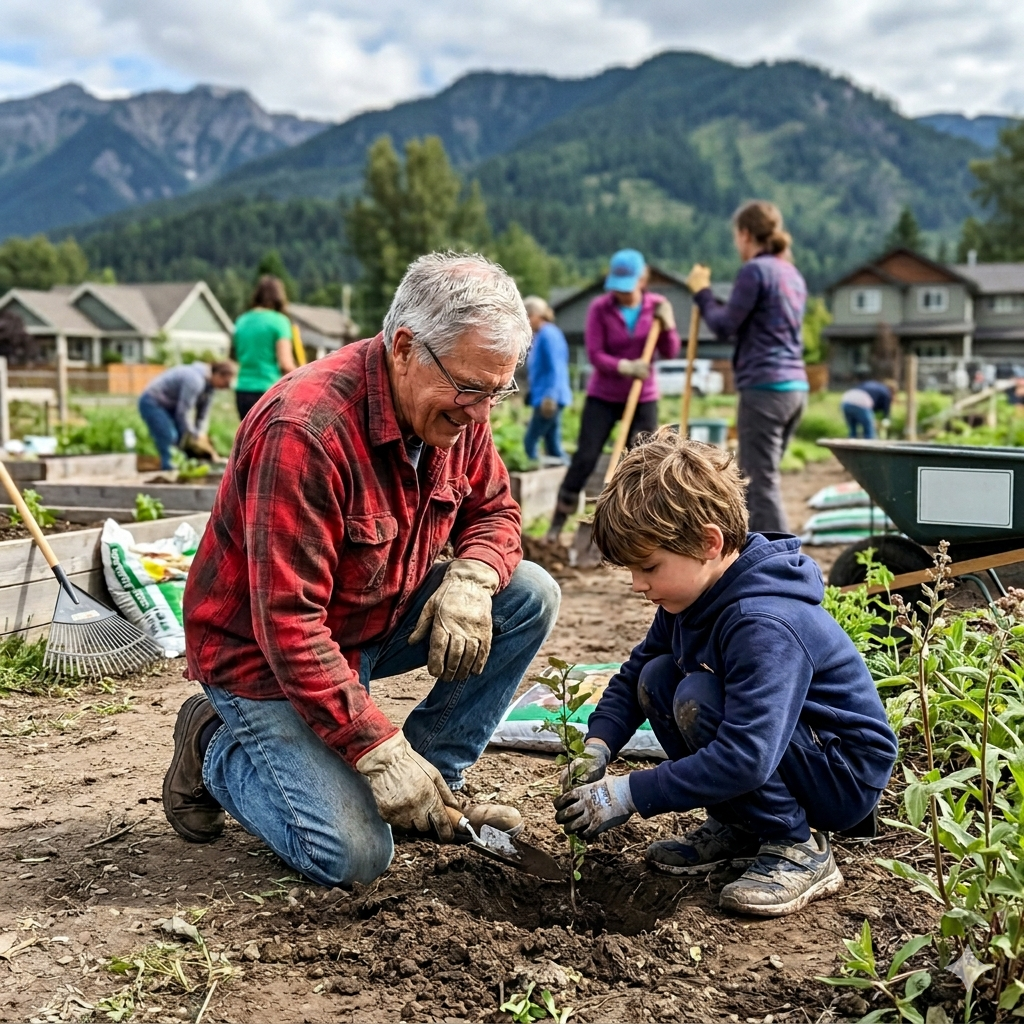
Civic duty went far beyond just voting every few years. People volunteered for the PTA, the fire department, and local festivals.
If the park was dirty, the town got together to clean it. You didn’t wait for a government agency to solve a local problem.
“The town didn’t run on taxes; it ran on volunteers,” someone remembered. Everyone felt a personal stake in the town’s success.
27. Modesty Was Respected
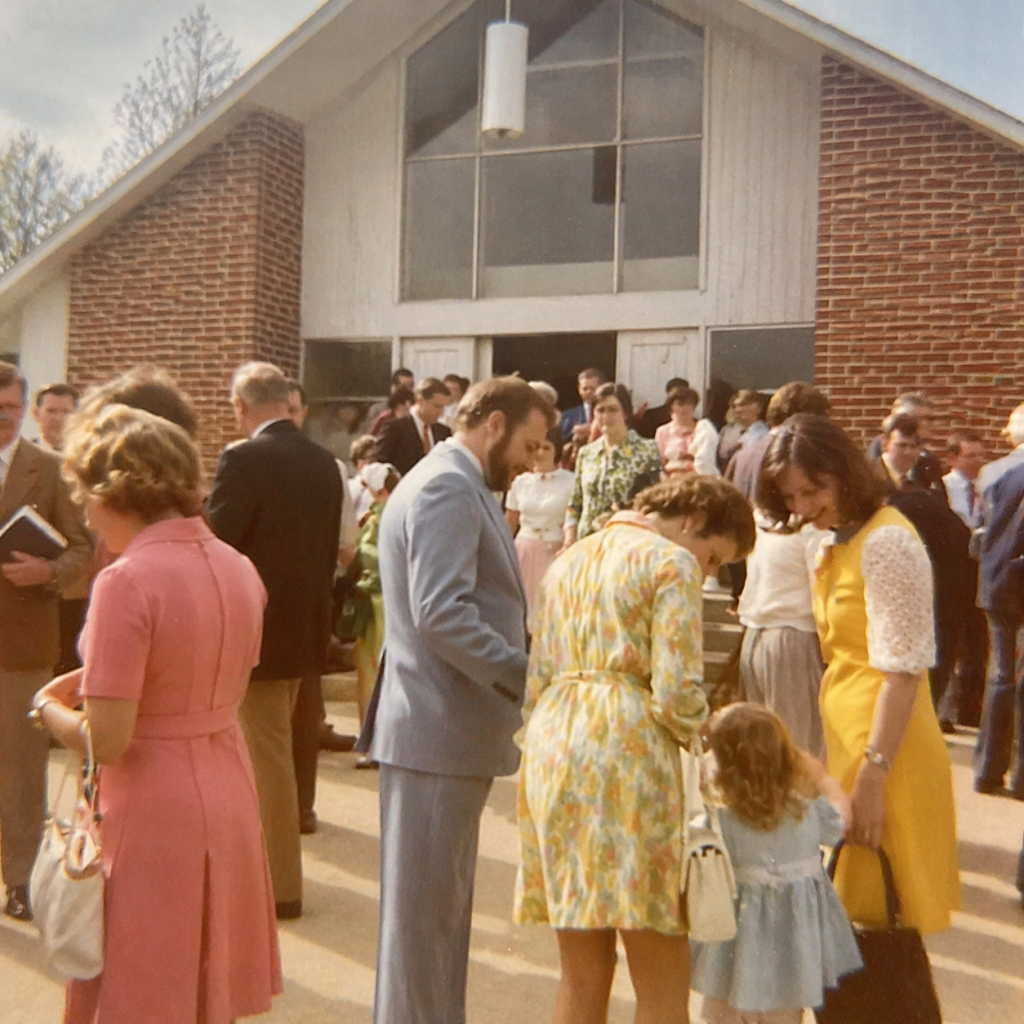
Bragging was considered incredibly poor taste and quite embarrassing. You let your actions speak for you rather than your mouth.
Humility was a trait that people actively cultivated in their children. Quiet confidence was always preferred over loud, flashy displays of wealth.
One commenter noted, “The richest guy in town still drove an old Chevy.” Keeping a low profile was a sign of true class.
26. Gratitude Was Practiced Daily

Saying “thank you” wasn’t just a polite suggestion; it was a requirement. People were keenly aware of the blessings they possessed.
Manners were the outward expression of an inward appreciative heart. You didn’t take your lifestyle or your freedoms for granted.
“We didn’t have much, but we were thankful for every bit of it,” a user shared. Gratitude was the fuel that kept spirits high during lean times.
25. Personal Responsibility Was Non-Negotiable
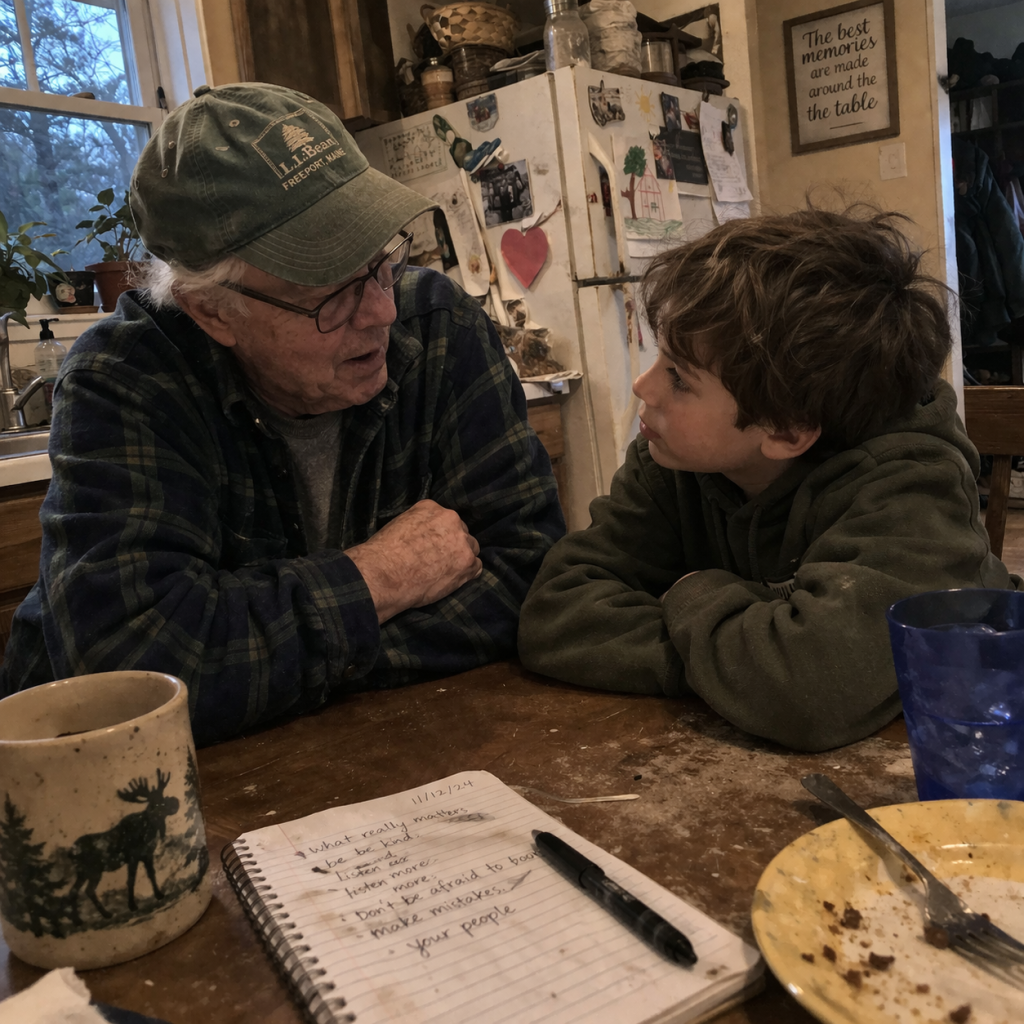
If you made a mess, you were the one to clean it up. Blaming others for your own mistakes was seen as a sign of weakness.
Excuses were rarely accepted in the classroom or the workplace. You owned your outcomes, whether they were successes or total failures.
A Redditor recalled, “If I got in trouble at school, I got in double trouble at home.” You were the master of your own destiny.
24. Honesty Was the Default
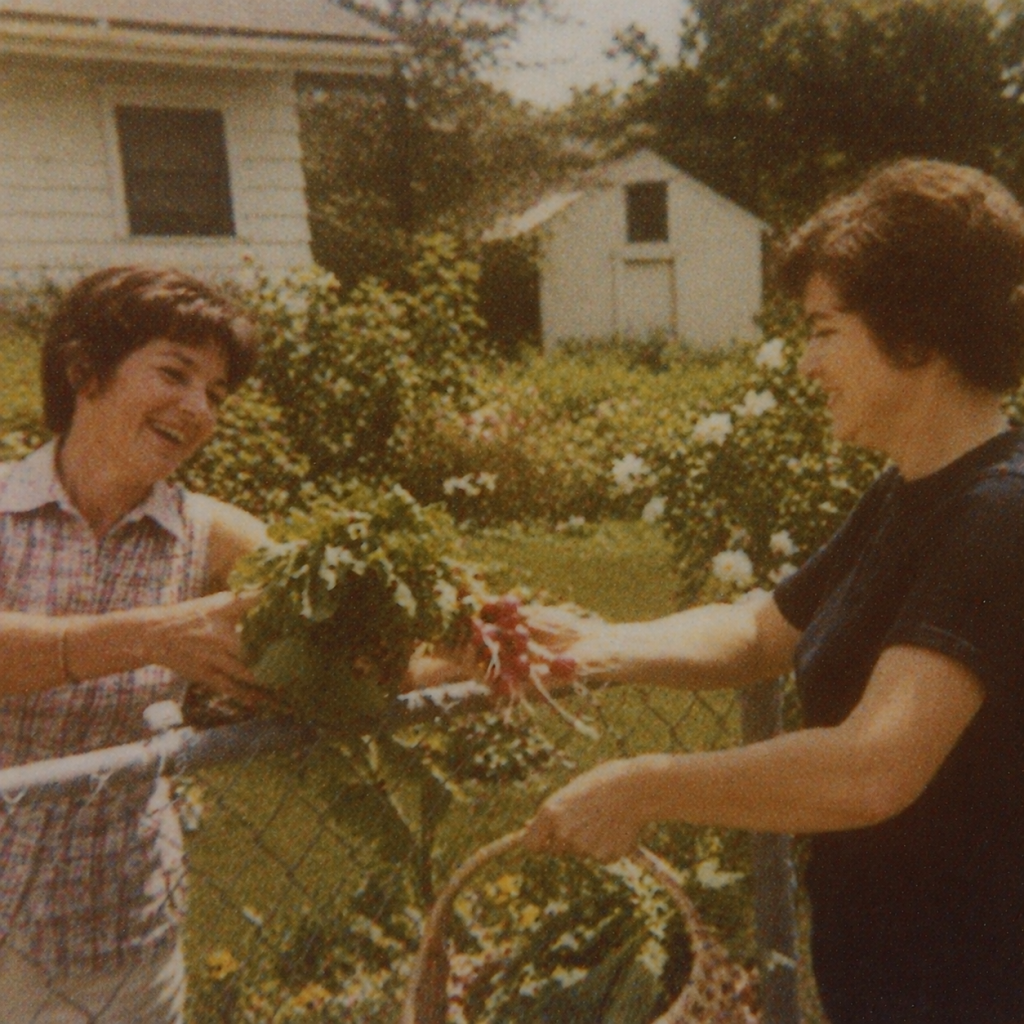
Lying was one of the worst social stigmas a person could carry. Your reputation was built on a foundation of total transparency.
People expected the truth, even when the truth was uncomfortable or hard. A man’s word was his bond, and that was that.
“Back then, you didn’t need a paper trail for everything,” someone posted. Trust was the currency that made society function smoothly.
23. Authority Was Questioned Less, Respected More
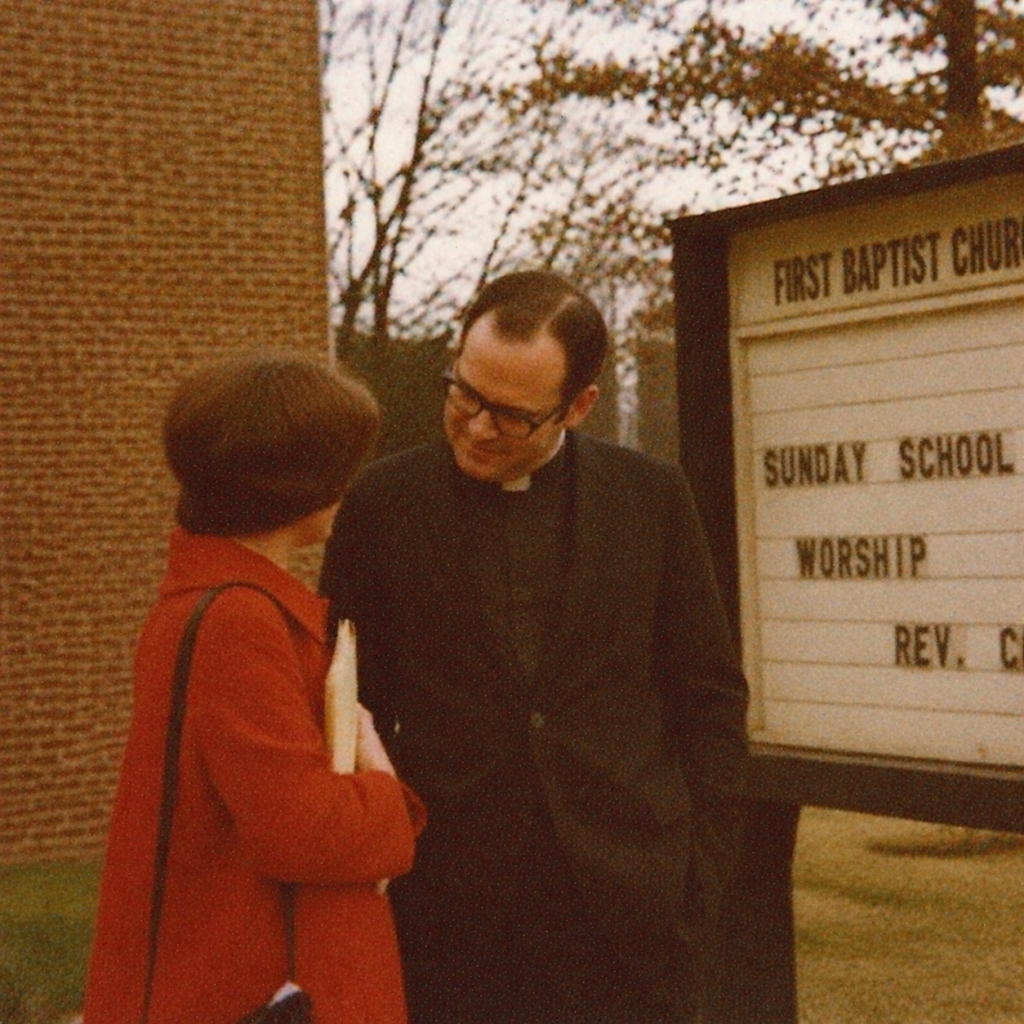
Teachers, police officers, and coaches were seen as pillars of the community. Their roles were vital for maintaining order and passing on knowledge.
While there was healthy debate, there was an underlying respect for the office. You followed the rules because the rules kept everyone safe.
One user wrote, “The principal was a figure of awe, not an enemy.” Respect for the system provided a sense of collective stability.
22. Marriage Was a Lifelong Commitment
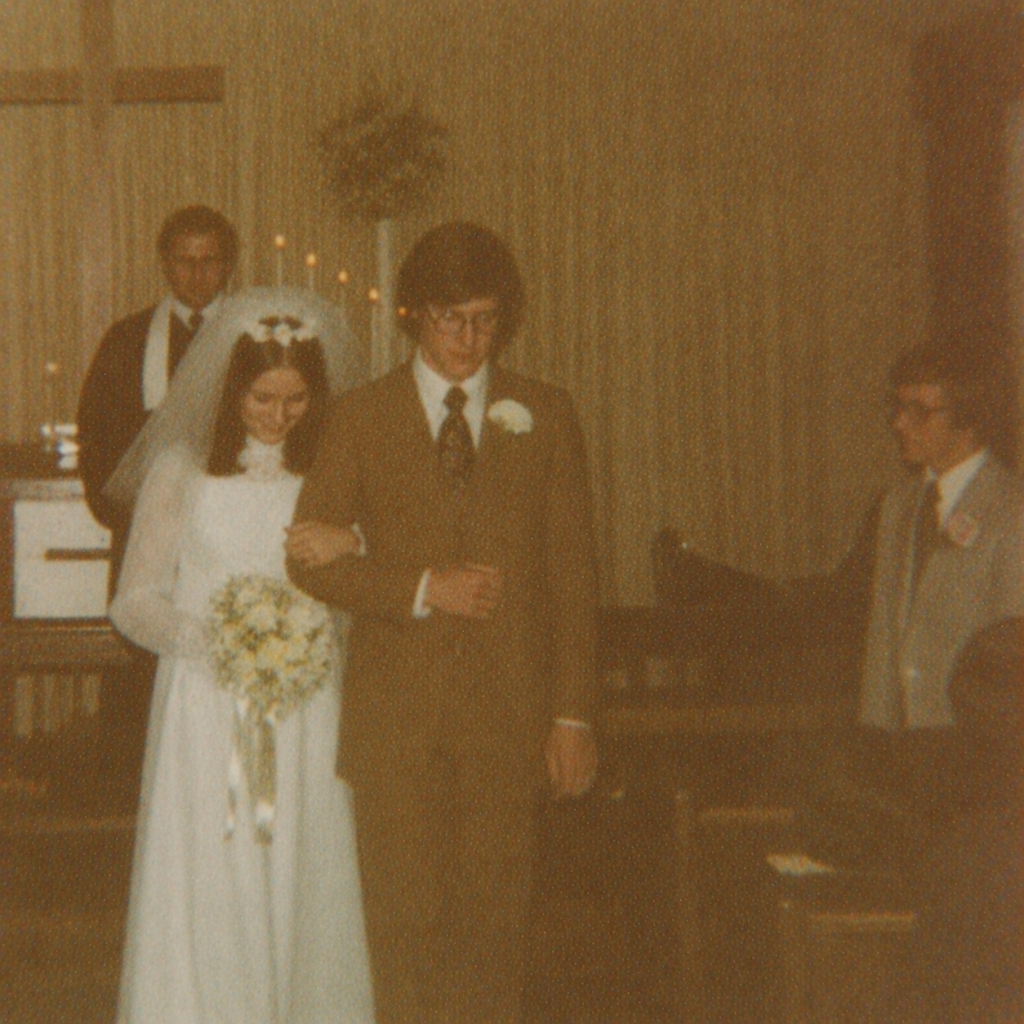
“For better or worse” was taken with the utmost seriousness. Couples worked through their issues instead of looking for the nearest exit.
The goal was to build a legacy that lasted through the decades. Divorce was a last resort, not a common solution to a rough patch.
“My parents stayed together for fifty years through sheer grit,” a commenter shared. Longevity in love was the ultimate life achievement.
21. Faith Guided Everyday Decisions
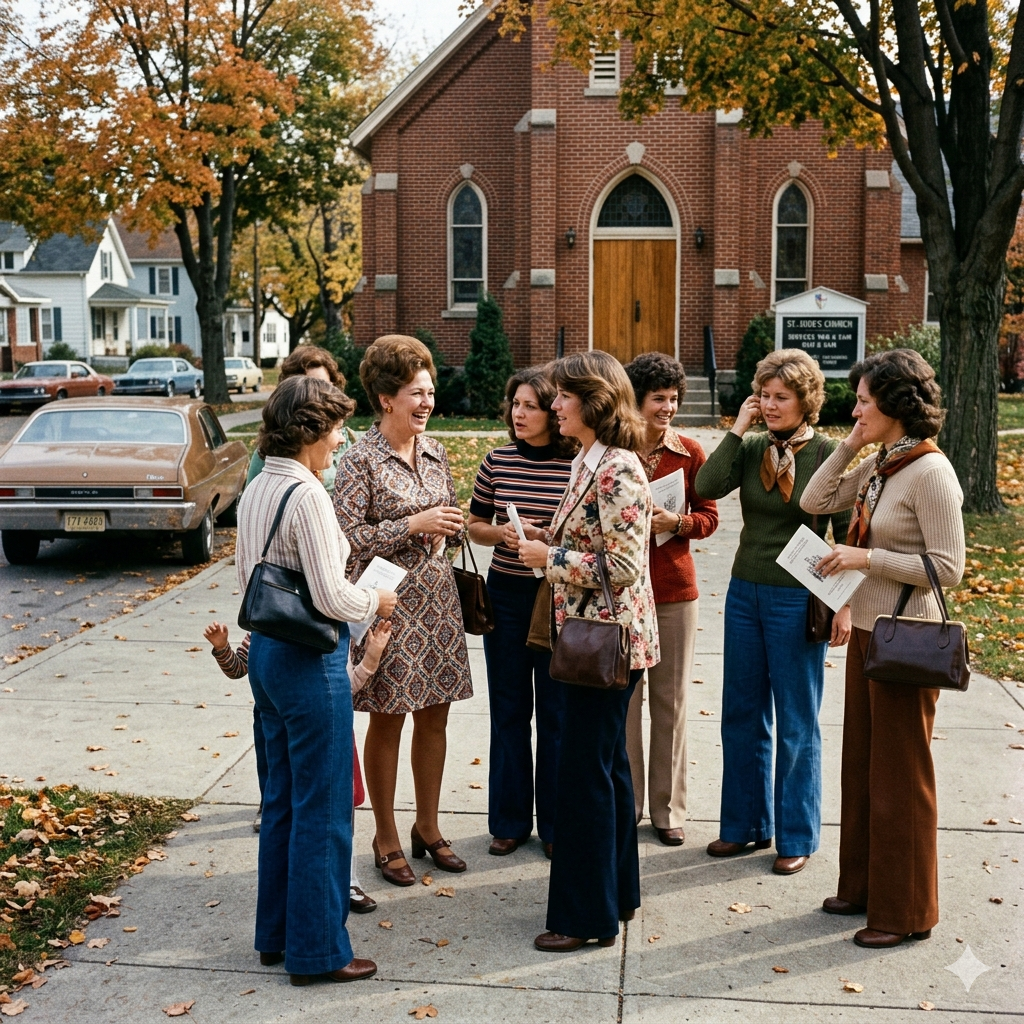
The church or synagogue was often the heartbeat of the social calendar. Faith provided a moral compass for navigating life’s many ups and downs.
Prayer wasn’t just for Sundays; it was part of the daily rhythm. Belief in something higher kept people humble and focused on service.
A Reddit post read, “Faith gave us a common language of right and wrong.” It was the glue that held the community together.
20. Children Were Taught Right and Wrong Clearly
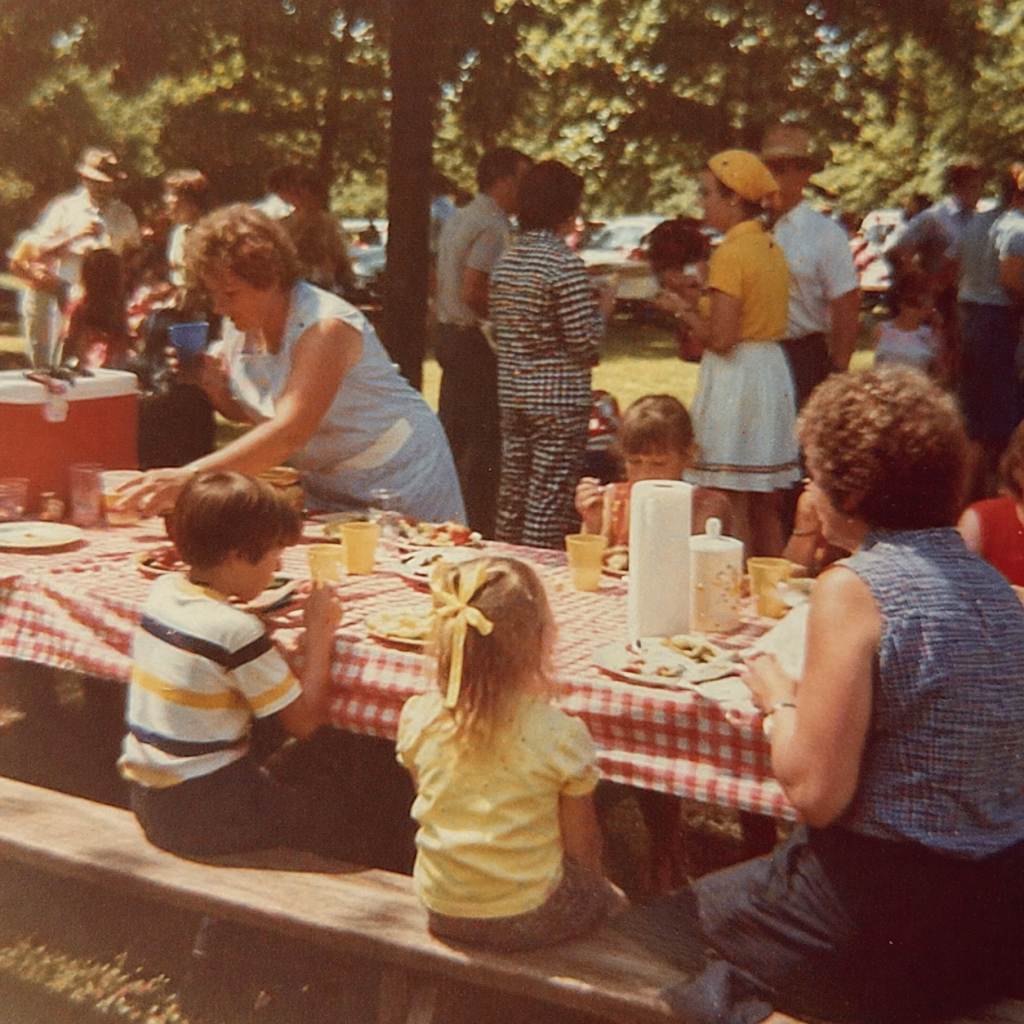
Moral ambiguity wasn’t a concept taught at the kitchen table. There was a clear line between good behavior and bad behavior.
Parents were the primary moral educators of their own children. You grew up knowing exactly what was expected of your character.
“Black and white rules made life easier to navigate,” someone remembered. This clarity provided a firm foundation for adulthood.
19. Self-Reliance Was a Source of Pride
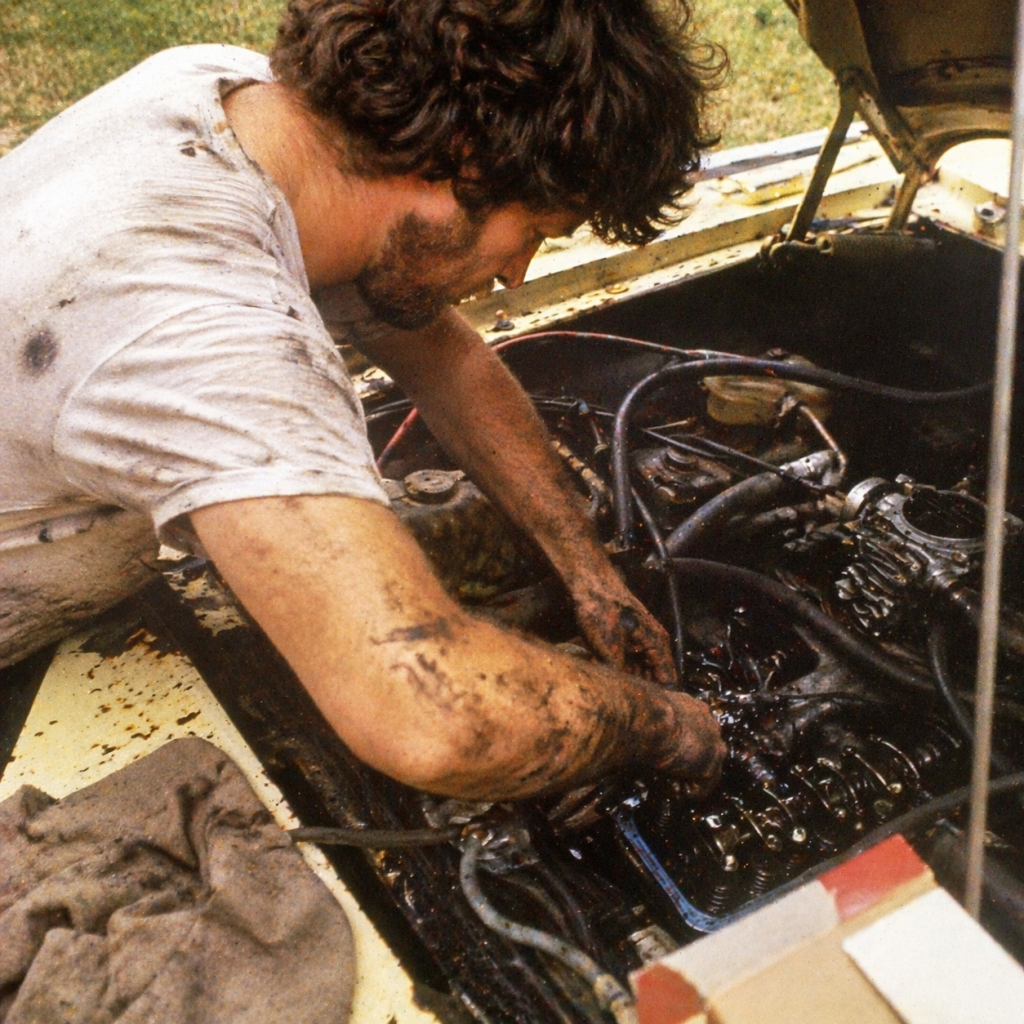
Fixing your own sink or growing your own vegetables was standard. Dependency on outside systems was kept to an absolute minimum.
If something broke, you learned how to repair it yourself. Being “handy” was one of the most respected traits a person could have.
One user shared, “My dad built our porch with his own two hands.” Doing it yourself was a badge of true independence.
18. Saving Money Was Valued Over Spending

Thriftiness was a way of life, not just a temporary phase. “Waste not, want not” was a mantra heard in almost every household.
People were proud of their savings accounts and their lack of debt. Spending money you didn’t have was considered a very foolish move.
“We reused aluminum foil and bread bags,” a Redditor laughed. Financial security came from what you kept, not what you bought.
17. Manners Were Taken Seriously

“Please” and “Thank you” were the grease that kept social gears turning. Good manners showed that you respected the people around you.
Table etiquette and polite conversation were taught from a very young age. You didn’t interrupt others, and you waited your turn to speak.
A commenter recalled, “Manners were the mark of a well-raised person.” Politeness was a simple way to show kindness to everyone.
16. Loyalty Meant Staying Through Hard Times

Whether it was a job or a friendship, you didn’t just walk away. Loyalty was about being there when things got difficult or boring.
Sticking by someone’s side was a true test of your own character. People valued long-term relationships over quick, convenient connections.
“My dad worked for the same company for forty years,” one user posted. Loyalty was a two-way street that built a stable life.
15. Privacy Was Protected and Valued

People didn’t feel the need to broadcast every thought or meal. What happened inside your home stayed inside your home, period.
There was a certain dignity in keeping your personal business private. You shared your life with friends, not with the entire world.
“We didn’t need the world to see us to feel validated,” a user noted. Privacy allowed for deeper, more authentic personal experiences.
14. Patriotism Was Open and Unapologetic
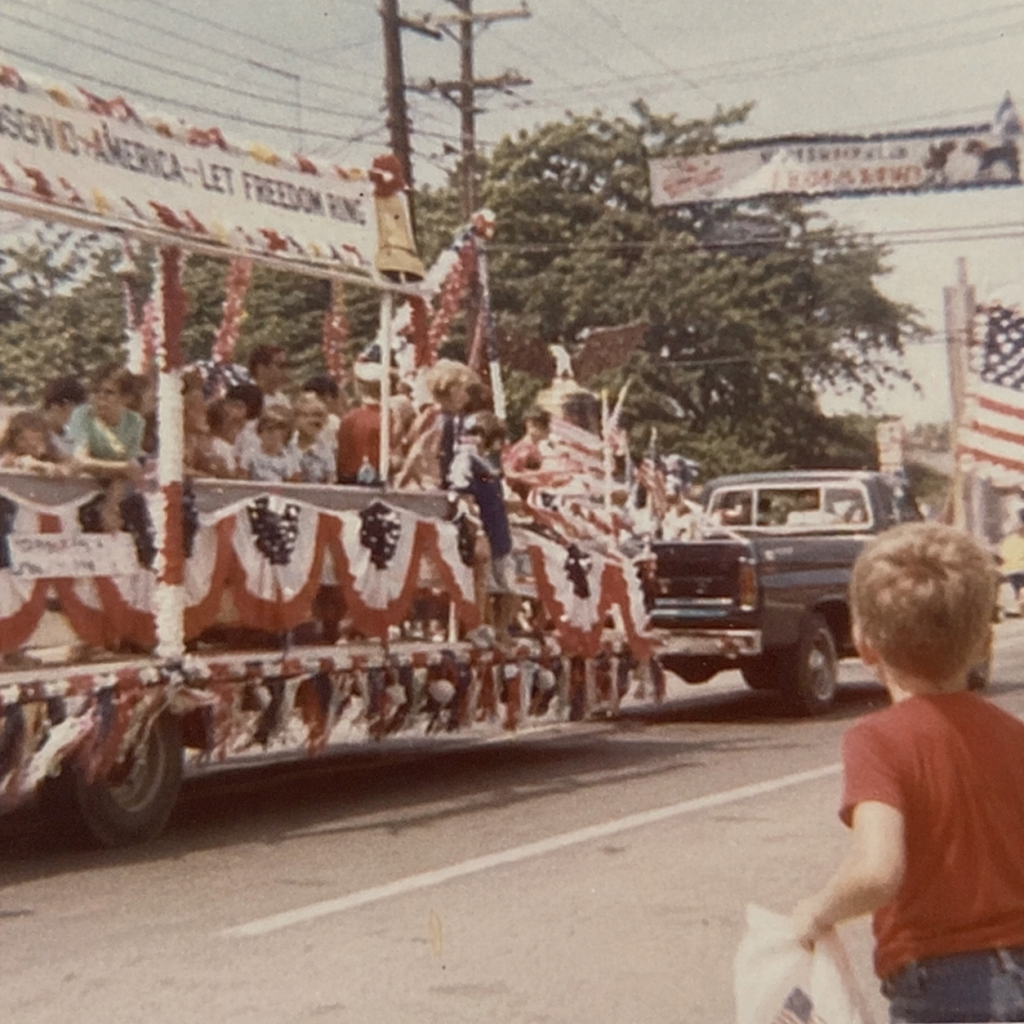
Flying the flag was a common sight on almost every single street. People were proud of the country’s potential and its storied history.
National holidays were celebrated with genuine community spirit and parades. Despite political differences, there was a shared love for the land.
One person wrote, “We all stood for the anthem, no matter what.” A sense of national belonging provided a common identity.
13. Sacrifice for the Greater Good Was Honored

Putting the needs of the country or community first was celebrated. People understood that a strong society required individual trade-offs.
Whether it was rationing or military service, sacrifice was a duty. You didn’t ask “what’s in it for me?” but “how can I help?”
“My parents lived through the war and never complained about sacrifice,” a Redditor shared. Selflessness was the ultimate civic virtue.
12. Accountability Came With Consequences
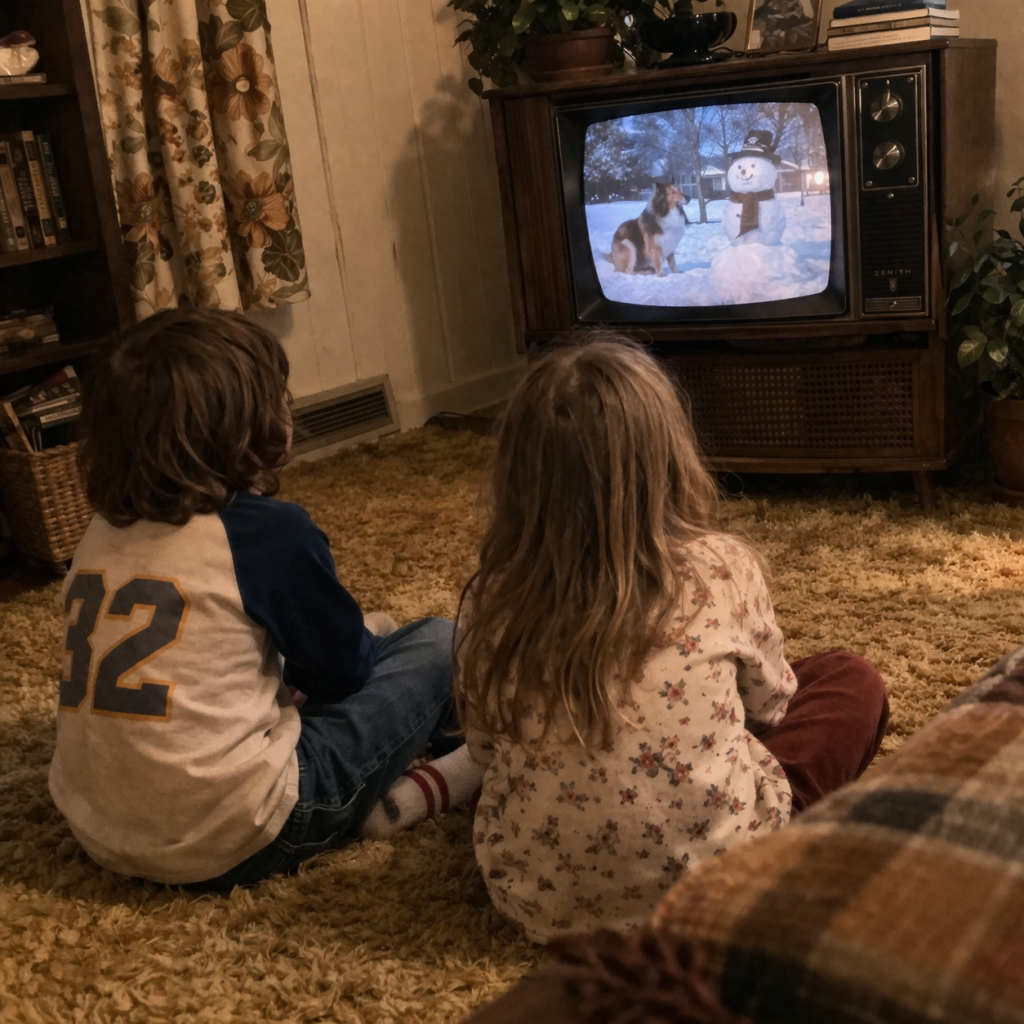
If you broke a rule, you expected to pay the price. There was no “talking your way out” of a fair punishment.
Consequences were seen as the best way to learn a hard lesson. This built a society where people thought twice before acting out.
A user remembered, “Justice was swift and it was usually very fair.” Understanding cause and effect made for more responsible citizens.
11. Simplicity Was Preferred Over Excess
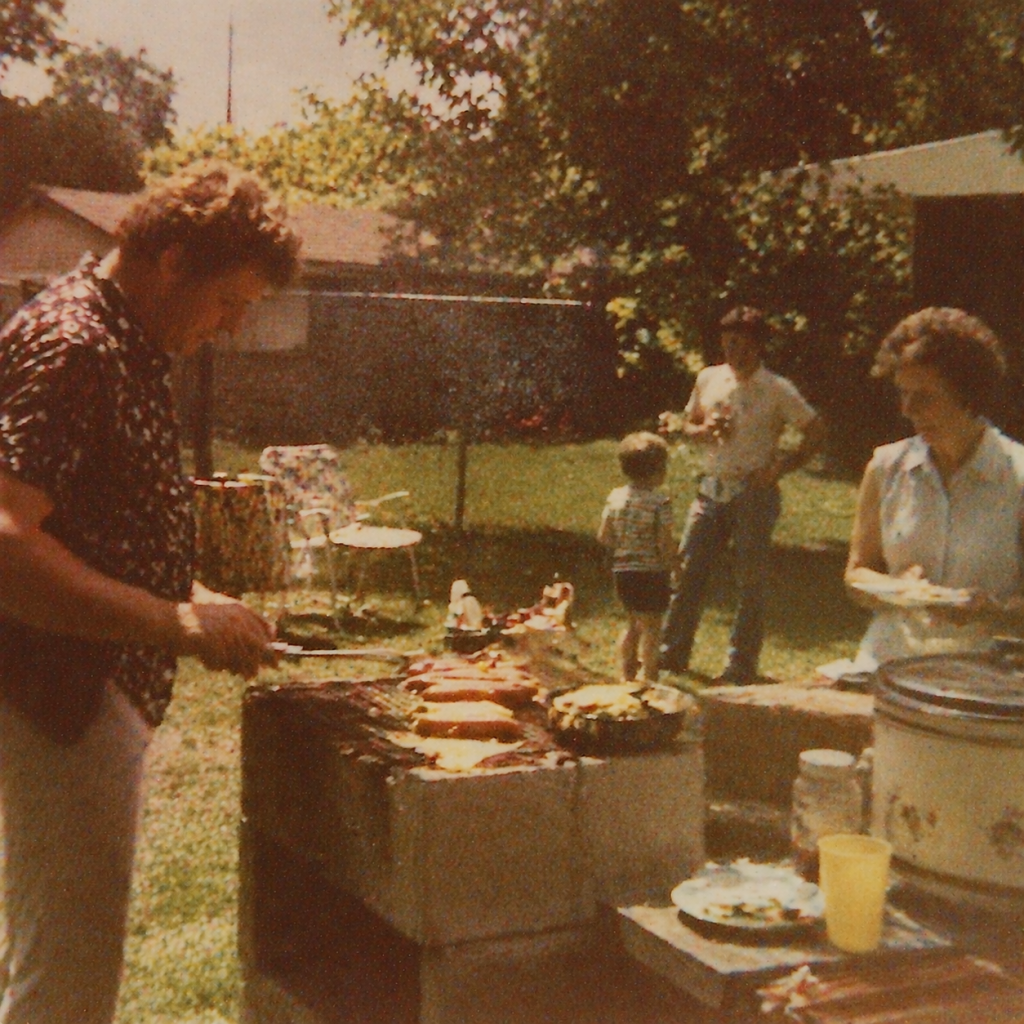
Life wasn’t about having the most gadgets or the biggest house. A small home filled with love was considered a massive success.
People found joy in simple pleasures like a walk or a game. Constant consumption hadn’t yet become the primary national pastime.
“We had one TV and we were happy with it,” someone posted. Simplicity allowed more room for meaningful human connection.
10. Time with Family Was Prioritized
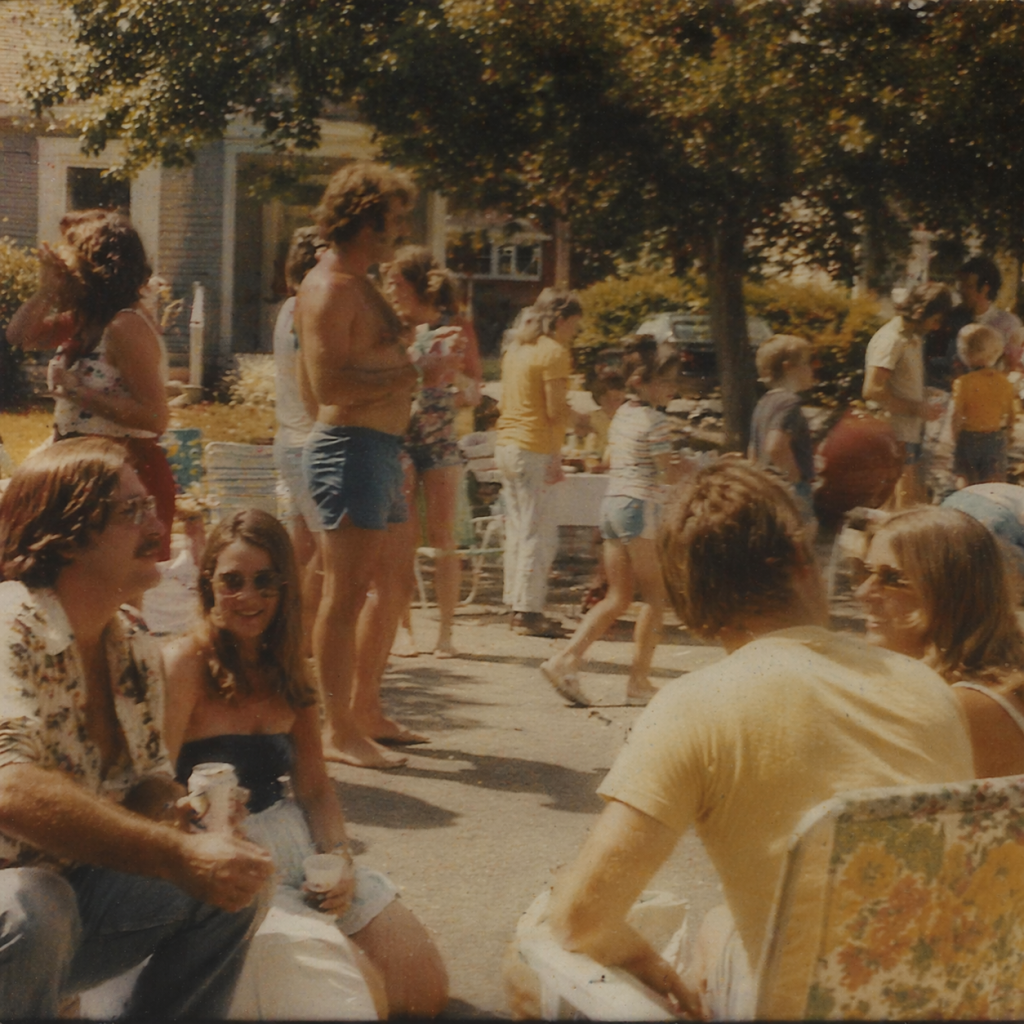
Evenings were for sitting on the porch and talking to each other. Work ended at five, and the rest of the day belonged to kin.
Vacations were simple road trips that focused on being together. You didn’t need an exotic locale to make a lasting memory.
One person shared, “Board game night was the highlight of our entire week.” Time was the most valuable gift you could give.
9. People Fixed Things Instead of Replacing Them
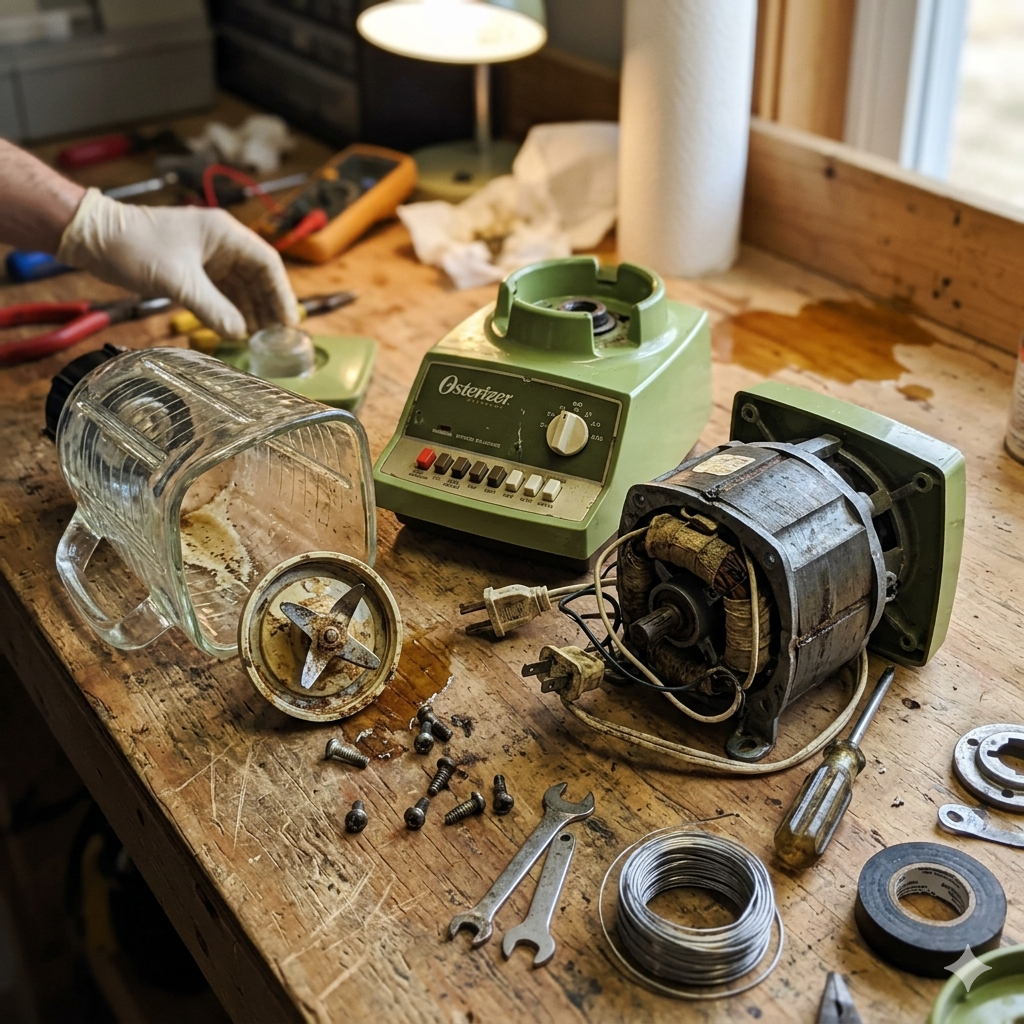
The local repair shop was a staple of every small town. From shoes to radios, everything was designed to be mended.
Tossing something out because it was slightly broken was unthinkable. Resourcefulness was a skill that everyone was expected to master.
“My dad could fix anything with a roll of duct tape,” a user joked. Maintenance was a way of honoring the things you owned.
8. Conflict Was Handled Face-to-Face
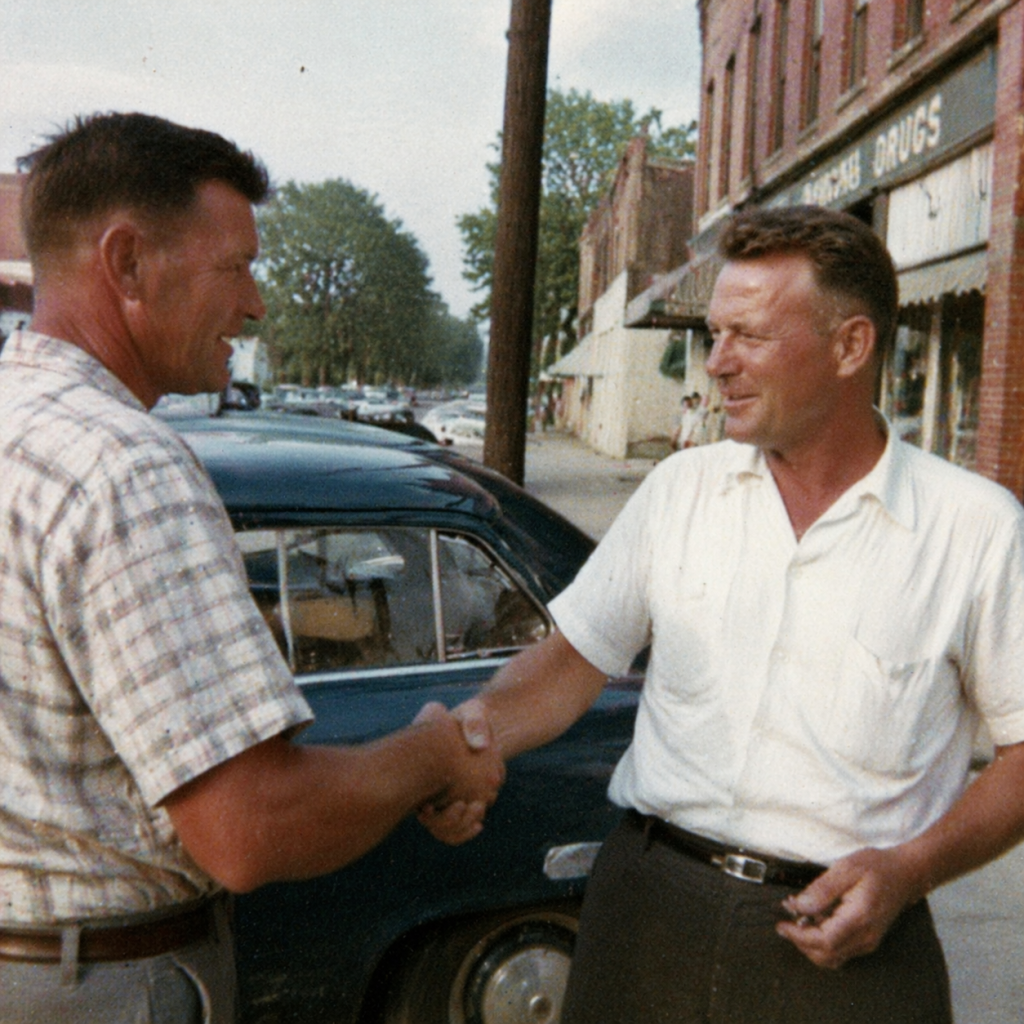
If you had a problem with someone, you went to their door. You didn’t hide behind a screen or gossip through a middleman.
Conversations were direct, and resolutions were often reached quickly. There was a level of bravery in addressing issues out in the open.
A Redditor noted, “We shook hands after a fight and moved on.” Direct communication prevented long-term grudges from festering.
7. Religion Was Central to Community Life
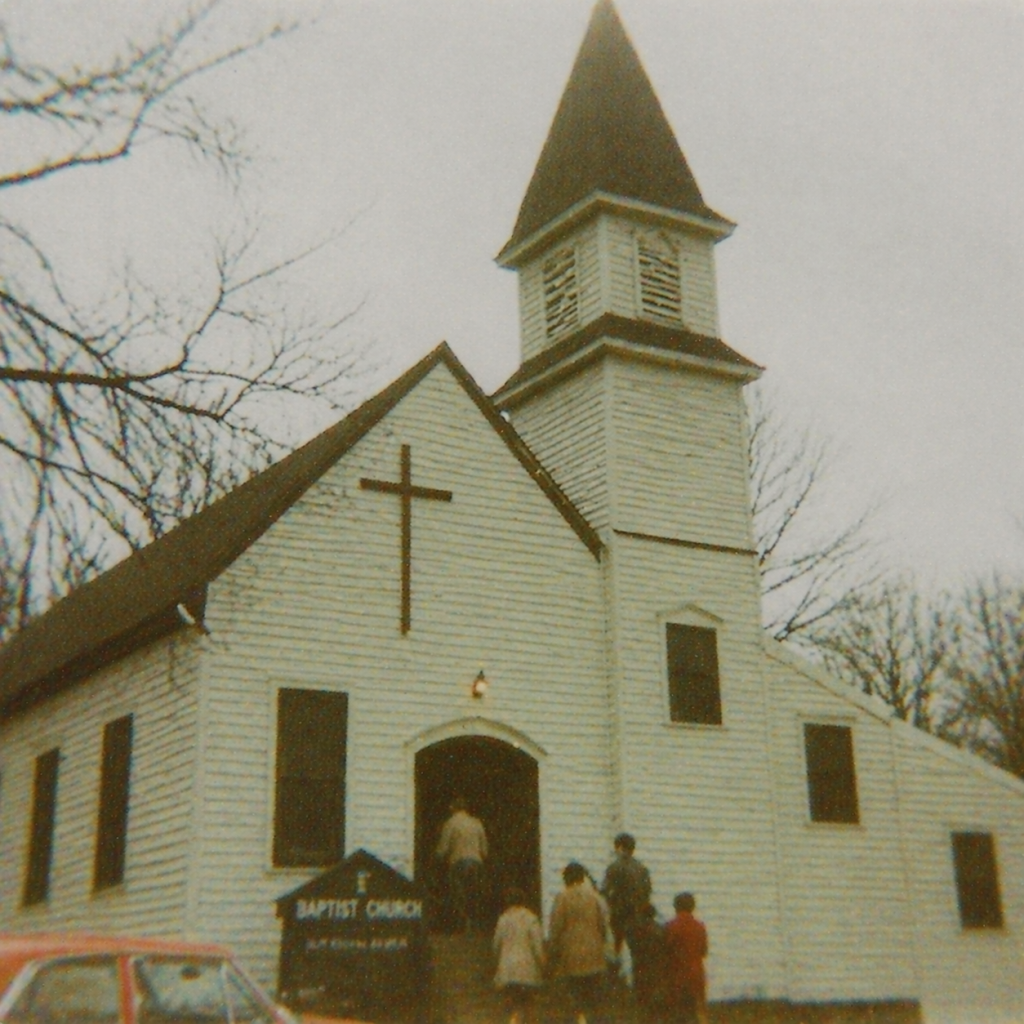
The church basement was the hub for potlucks and youth groups. It was where you went for help and where you went to help others.
Shared values were reinforced through weekly gatherings and traditions. It gave people a sense of belonging to something much larger.
“Our whole social life revolved around the local parish,” someone recalled. Faith provided a consistent rhythm to the passing years.
6. Helping Others Was a Duty, Not a Choice
Charity started at home but quickly extended to the neighbor’s house. You didn’t wait for a formal charity to tell you who was hungry.
If a neighbor’s barn burned down, the whole town showed up to rebuild. It was a silent agreement that we are all in this together.
One user wrote, “Helping out was just what decent people did.” Service to others was the hallmark of a good life.
5. Trust Was Given More Easily

You could leave your bike on the lawn and it would be there. People generally assumed their neighbors were honest and well-meaning.
A person’s reputation preceded them, making trust a natural state. This lack of suspicion made daily interactions much warmer.
“We never locked our cars at the grocery store,” a commenter shared. Trust was the invisible thread that connected everyone.
4. People Took Pride in Their Work
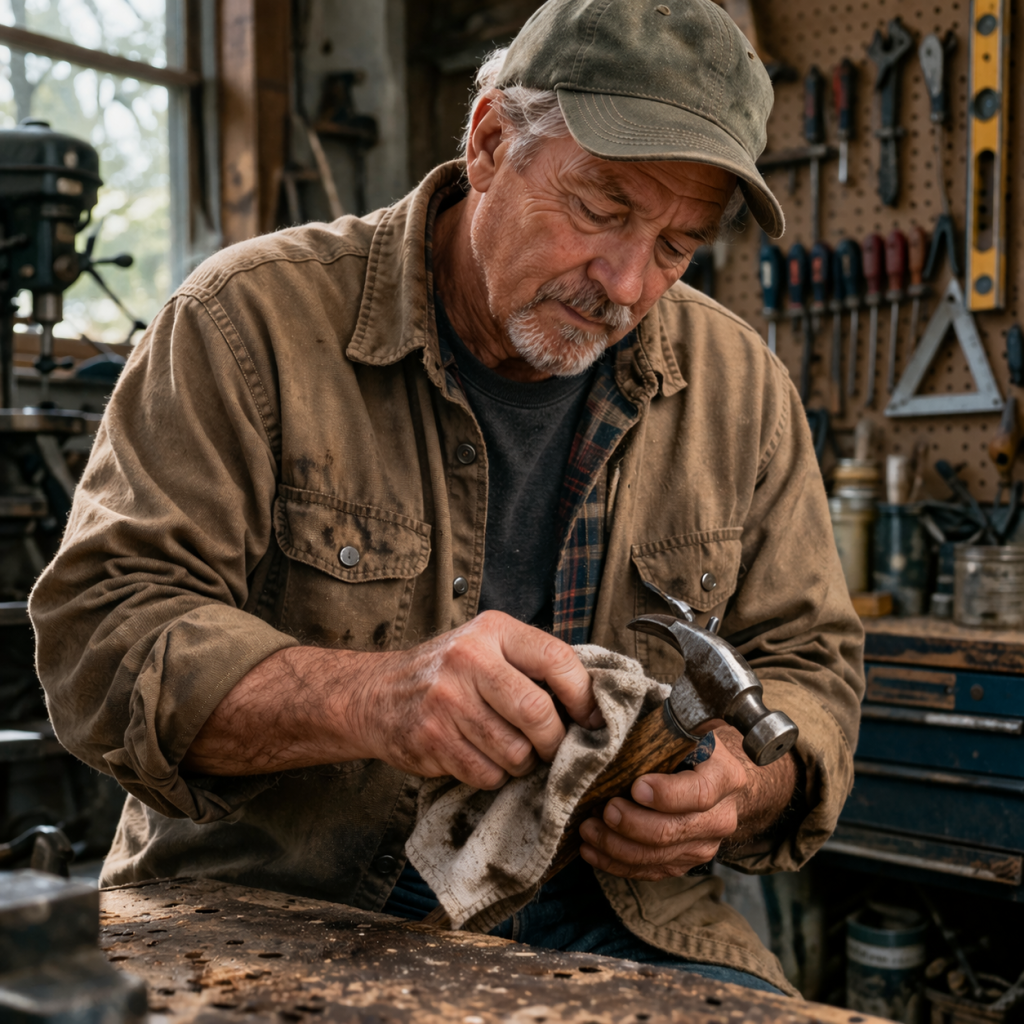
Whether you were a janitor or a CEO, you did your job well. The quality of your output was a direct reflection of your soul.
Cutting corners was seen as a personal insult to your own dignity. Excellence was the goal, regardless of how much you were paid.
A Reddit user posted, “My dad shined his work boots every single night.” Pride in craftsmanship made every job feel important.
3. Shame Was a Social Regulator
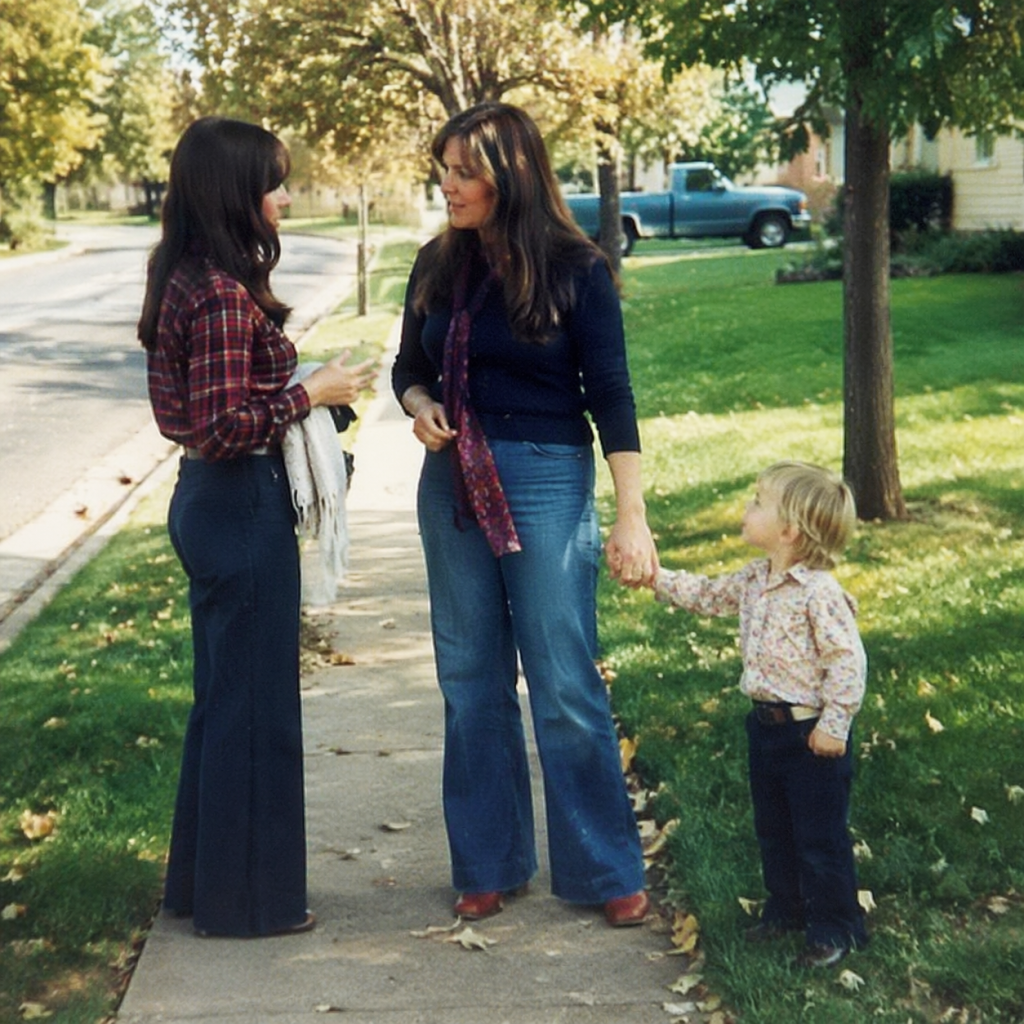
The fear of letting down your family kept many people on track. Social pressure encouraged folks to live up to the community’s standards.
While it sounds harsh today, it kept behavior within respectful bounds. You didn’t want to be the person the neighbors whispered about.
“The fear of ‘what will the neighbors think’ kept us in line,” someone admitted. Shared standards created a predictable and safe environment.
2. Raising Children Was a Shared Effort
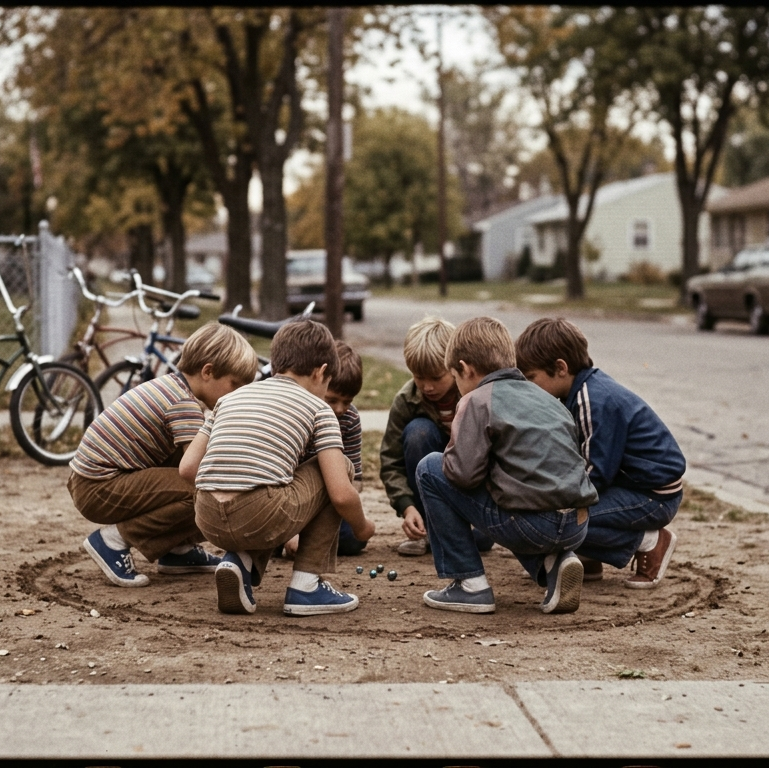
If you were acting up down the street, a neighbor would correct you. They didn’t worry about offending your parents; they were helping.
It truly took a village to keep an eye on the local youth. This collective oversight made neighborhoods feel like one big family.
One user recalled, “Every mom on the block was my mom.” This shared responsibility created a massive sense of security.
1. Doing the Right Thing—Even When No One Was Watching
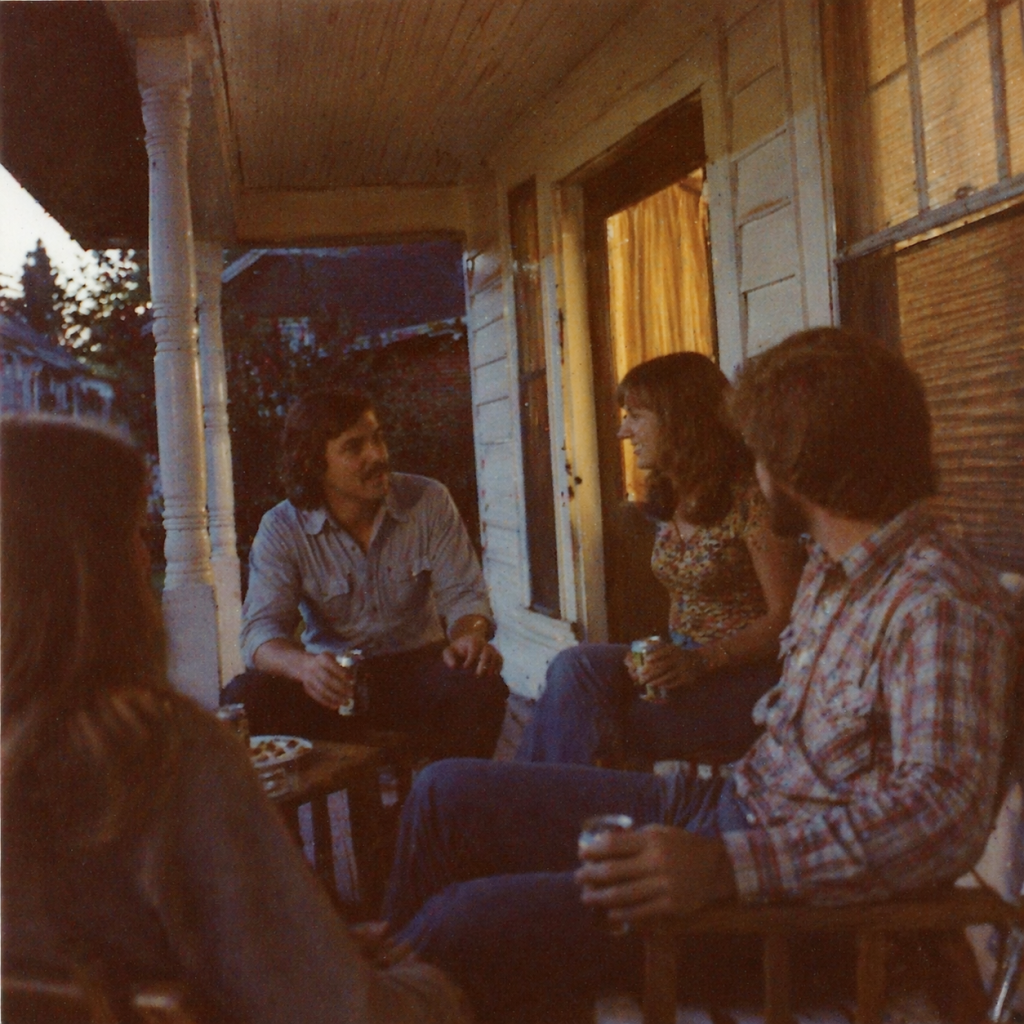
Integrity was the practice of being good when there was no reward. You did the right thing because it was simply the right thing to do.
Internal character mattered far more than your outward public image. People held themselves to high standards because of their own conscience.
“My father always said character is what you do in the dark,” a Redditor shared. This quiet, steady goodness was the ultimate American value.

Charles Jacobs