
Back in the 1960s, people didn’t just toss things in the trash the moment they stopped working like we often do today.
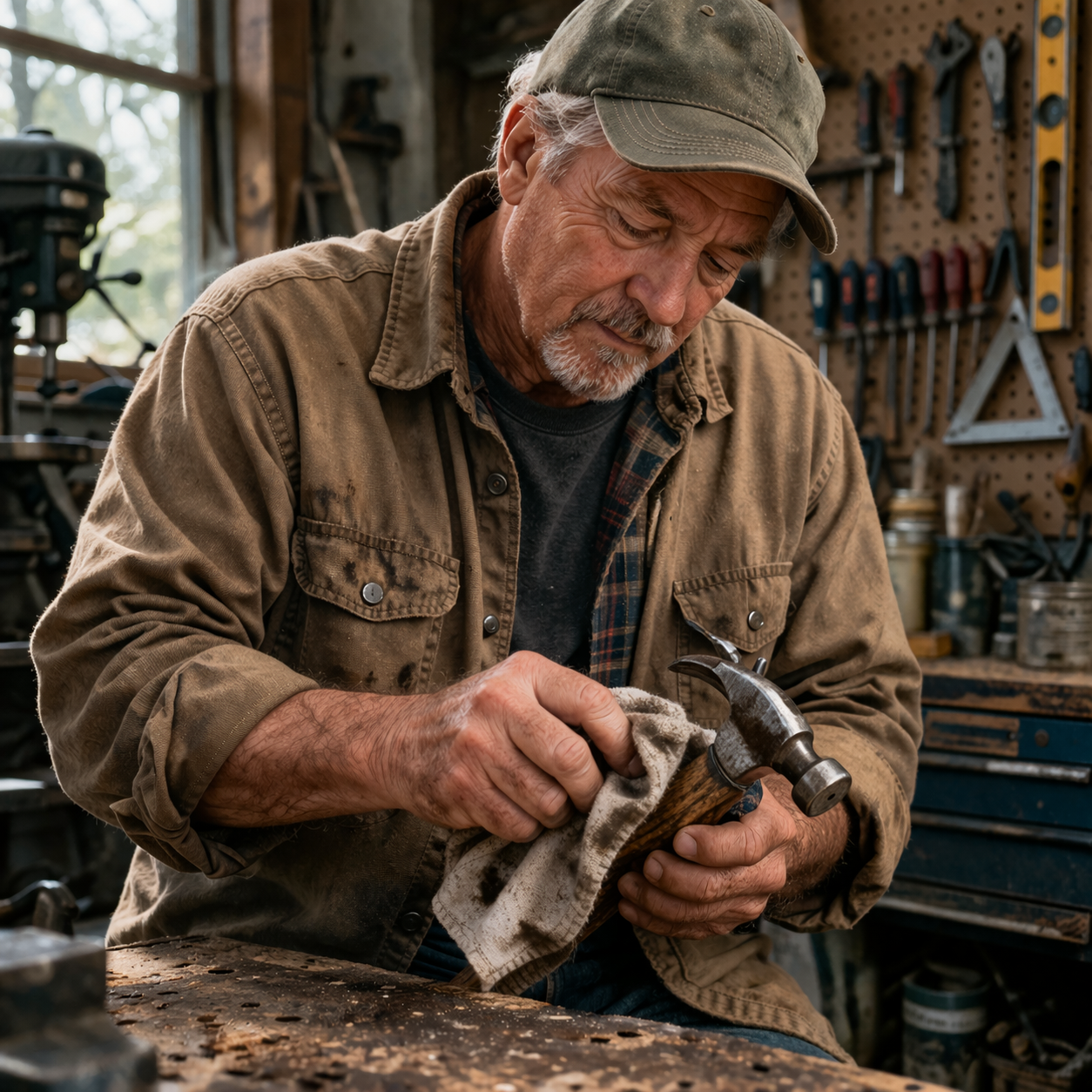
My father and mother took pride in their ability to roll up their sleeves and fix what they already owned.
From patching up old clothes to tinkering with a broken radio, repairing items was a normal part of everyday life.
And it saved money and reduced waste.
Looking back at these common fixes shows us how much we can learn from a time when things were built to last.
27. Television Tubes
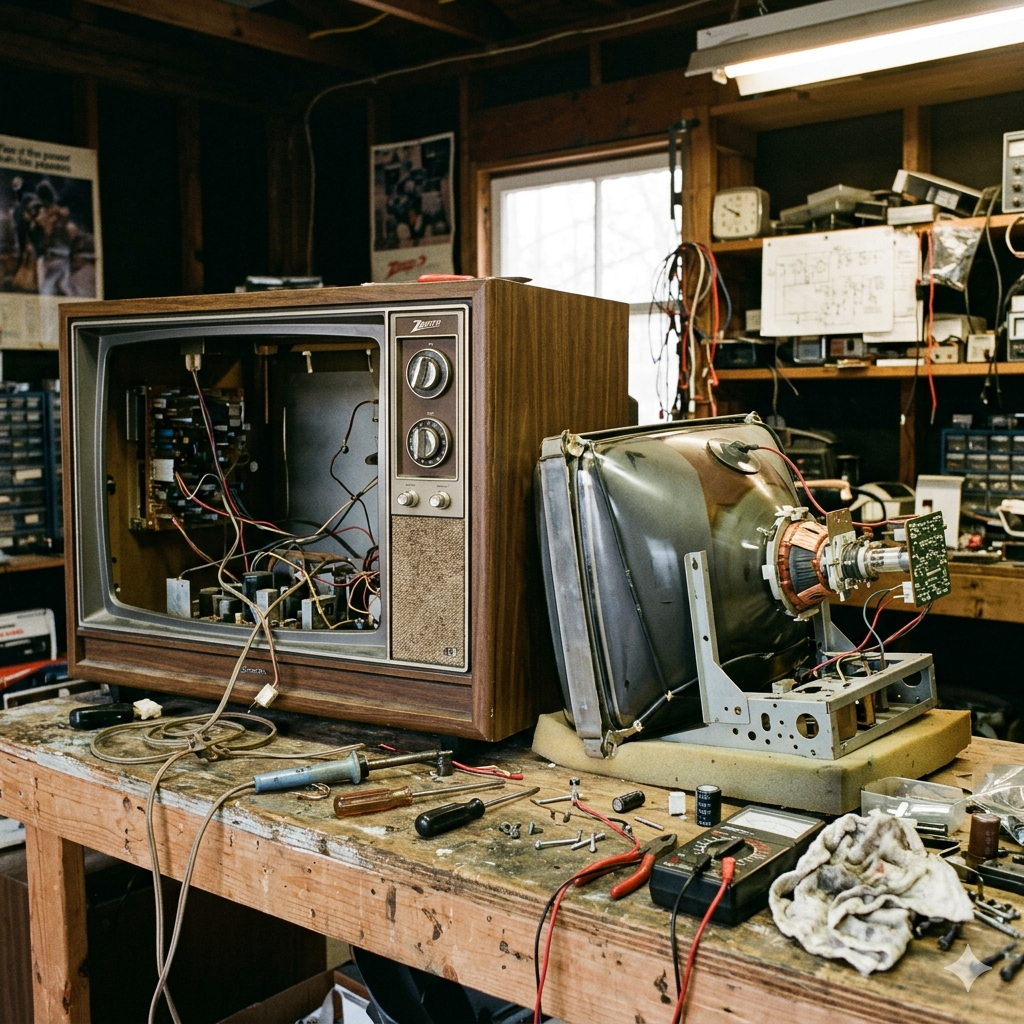
Televisions broke often, but they were designed to be opened.
Inside were vacuum tubes that failed one at a time.
When the screen went dark, you didn’t replace the TV. You pulled the tubes out and took them to a hardware store.
Many stores had testing machines right on the counter. You checked each tube, found the bad one, and bought a replacement.
For example, one person in our research for this post recalled how normal this was, saying his father would:
“remove tubes… test them… buy replacements, and reinstall them.”
Then you went home, plugged it back in, and the TV worked again.
26. Radio Components
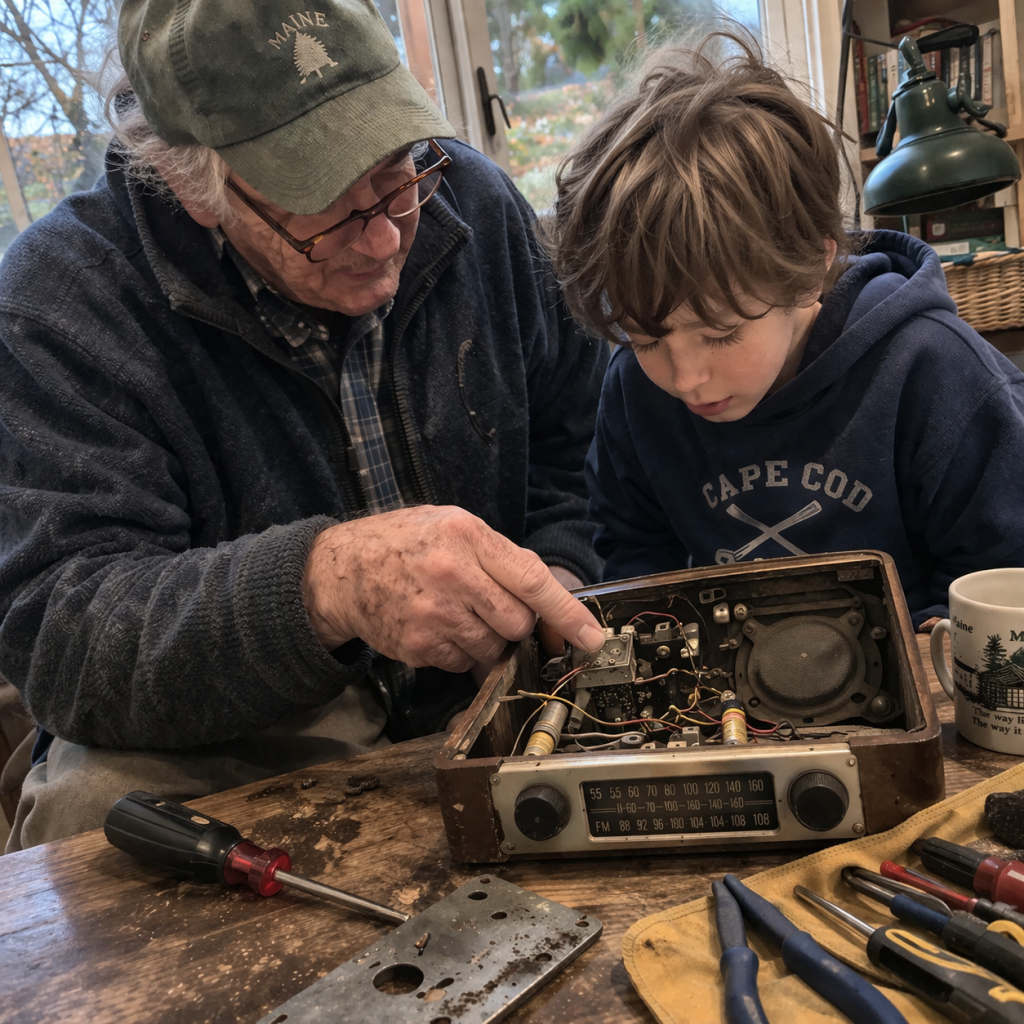
Radios were used every day, so small failures were common.
Loose wires, worn parts, and failing tubes caused constant issues.
Instead of replacing them, people opened them up and started troubleshooting.
There were no tutorials, so you learned by doing. If you got stuck, you asked someone or looked it up in a manual.
One commenter in our research even said their father would go to the library and learn how to fix things himself.
Radios became a training ground for basic repair skills.
Over time, fixing them became second nature in many homes.
25. Toaster Heating Elements
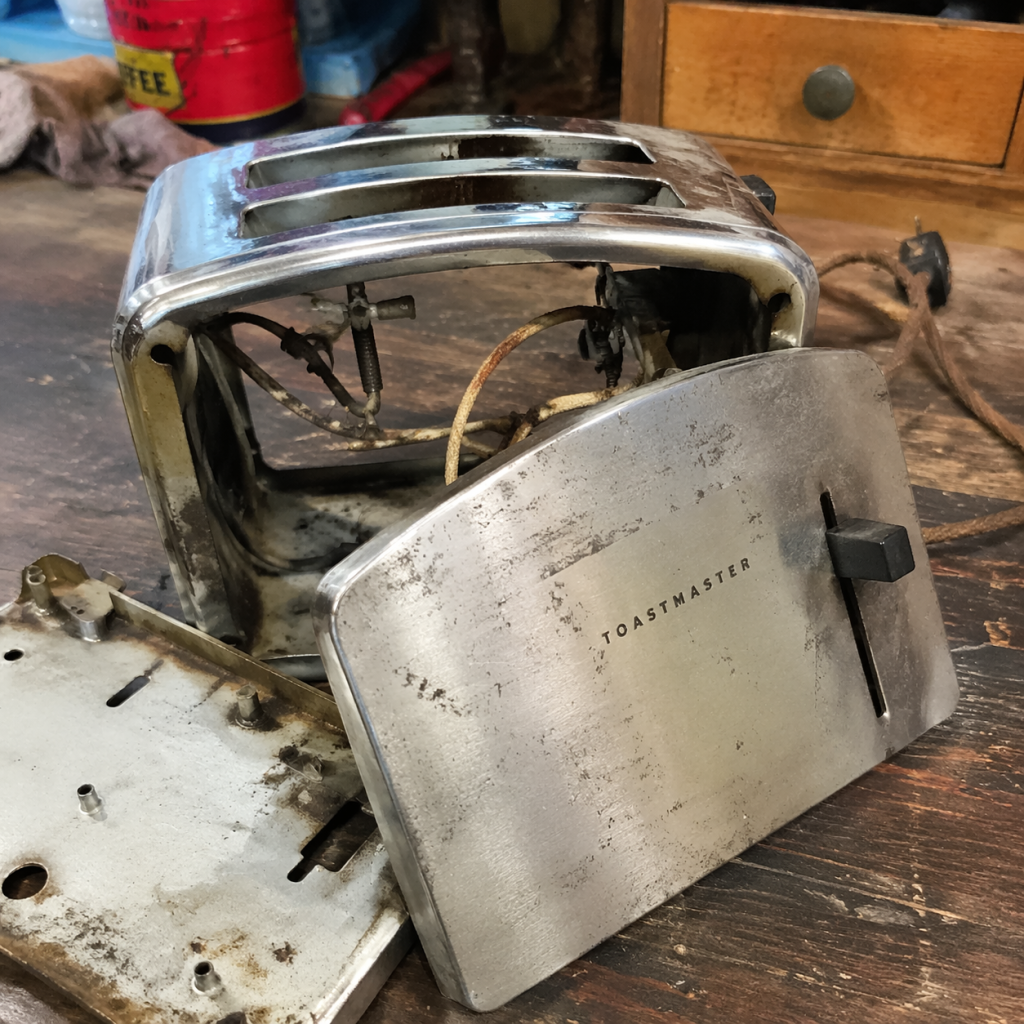
Toasters stopped working all the time, but they weren’t thrown away.
They were simple machines with accessible parts inside. People would open them up and check the heating element or wiring.
If something was loose or worn out, they tried to fix it. Even partial repairs were good enough if the toaster worked again.
Perfection wasn’t the goal—function was.
One person in our research joked that their mom fixed a toaster and had a part left over, but it still worked.
That was considered a successful repair.
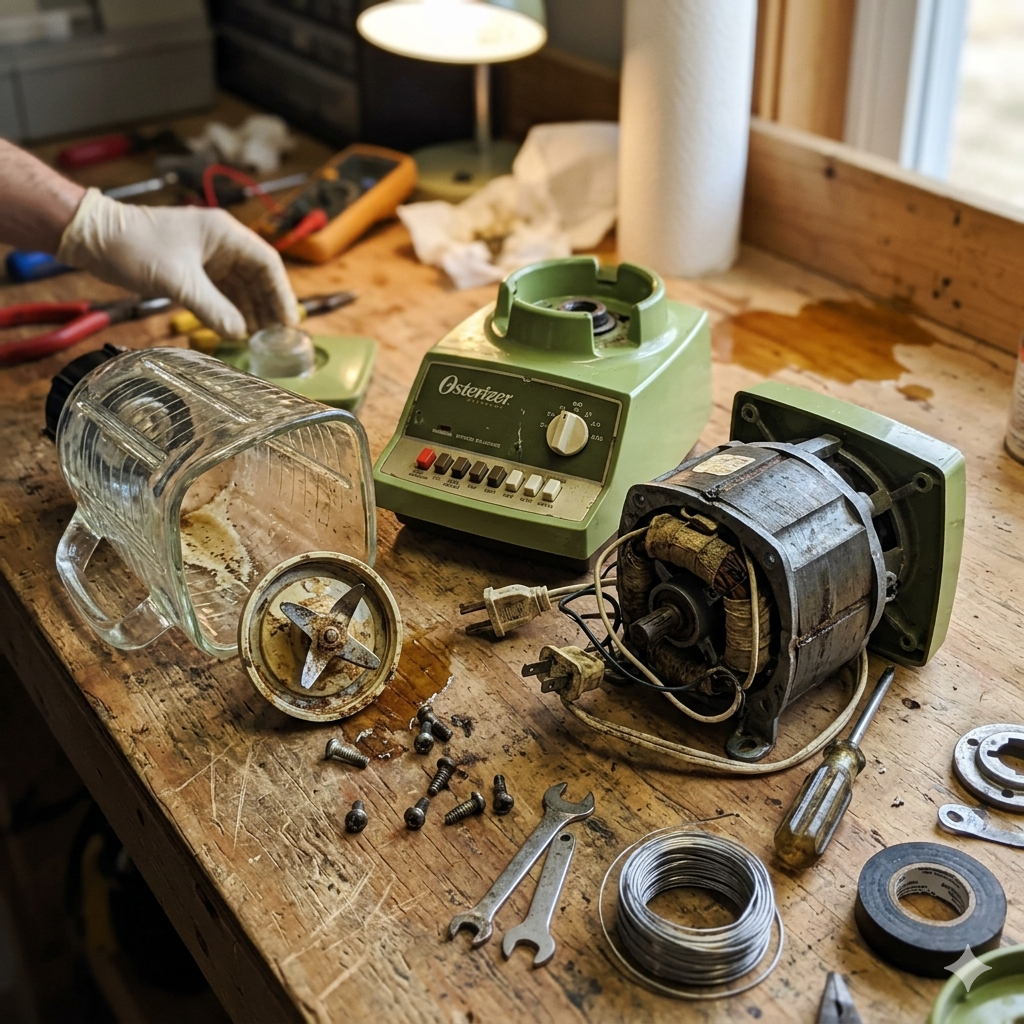
24. Blender Motors
Blenders were heavy and built to be taken apart.
If the motor stopped, people assumed something inside had failed.
They checked for jammed blades, worn brushes, or loose wiring. The goal was to isolate the problem, not replace the machine.
These weren’t sealed units like today’s appliances.
You could actually access the internal components with basic tools.
If you could find the faulty part, you could usually fix it.
That kept the same blender running for years.
23. Mixer Gears and Belts
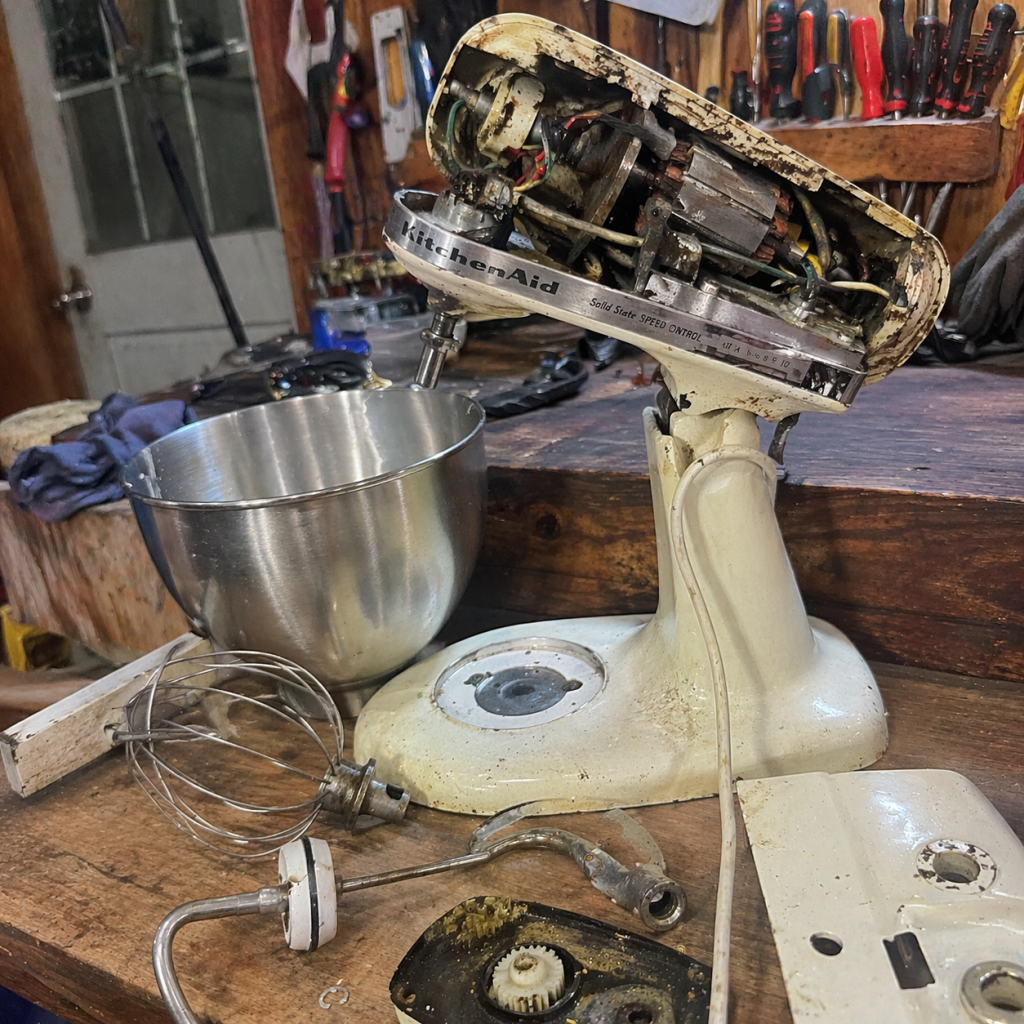
Stand mixers were long-term household tools, not disposable gadgets.
Inside, they ran on simple gears and belts that wore down over time.
When something slipped or stopped turning, you opened it up.
Worn gears were replaced, and loose belts were tightened or swapped out.
These parts were designed to be serviced, not hidden away.
Fixing them was cheaper than replacing the whole unit.Many families kept the same mixer running for decades this way.
It was maintenance, not a special repair job.
22. Vacuum Cleaner Belts
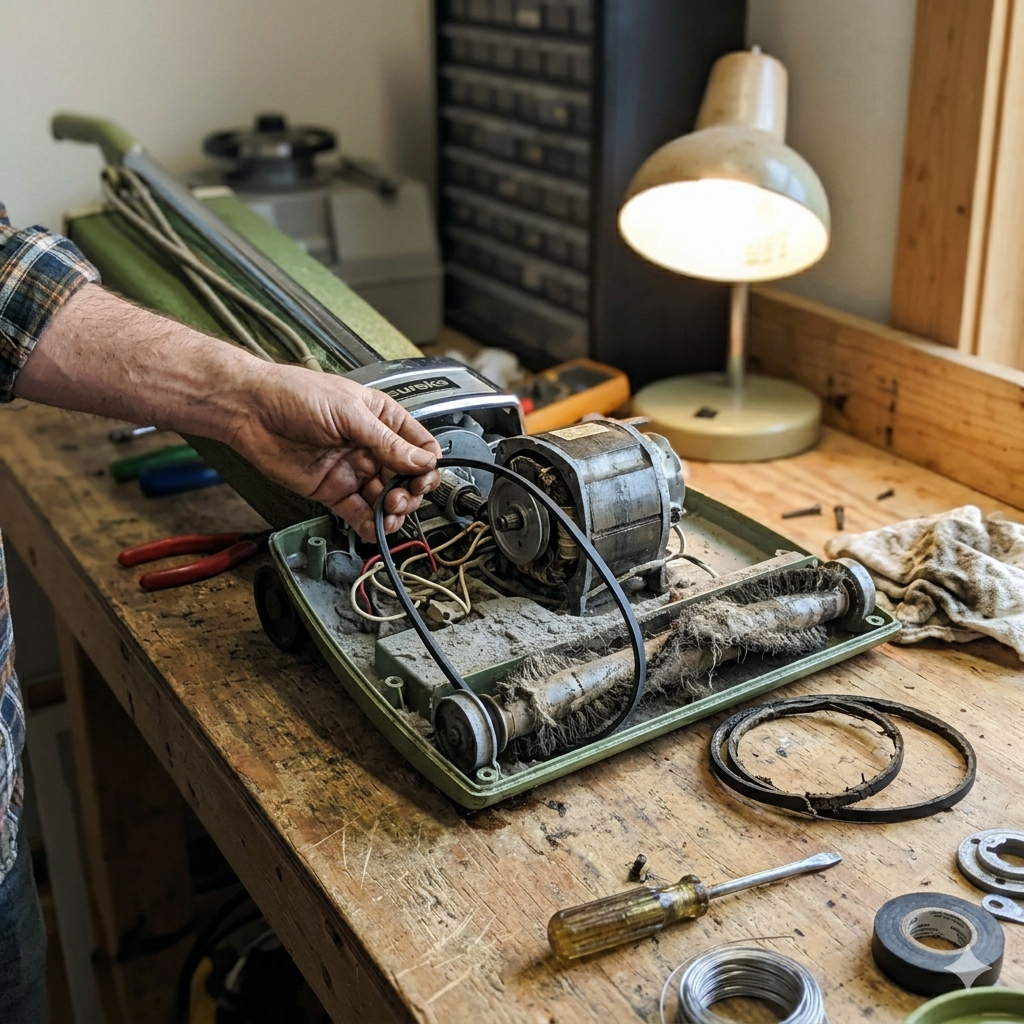
Vacuum belts snapped so often that people expected it.
It wasn’t a surprise—it was routine maintenance. Most households kept spare belts on hand.
When the brush stopped spinning, you opened the base. The broken belt came off, and a new one went on.
It took minutes and didn’t require special tools.
People didn’t even think of it as a repair. It was just part of owning a vacuum.
21. Lamp Power Cords
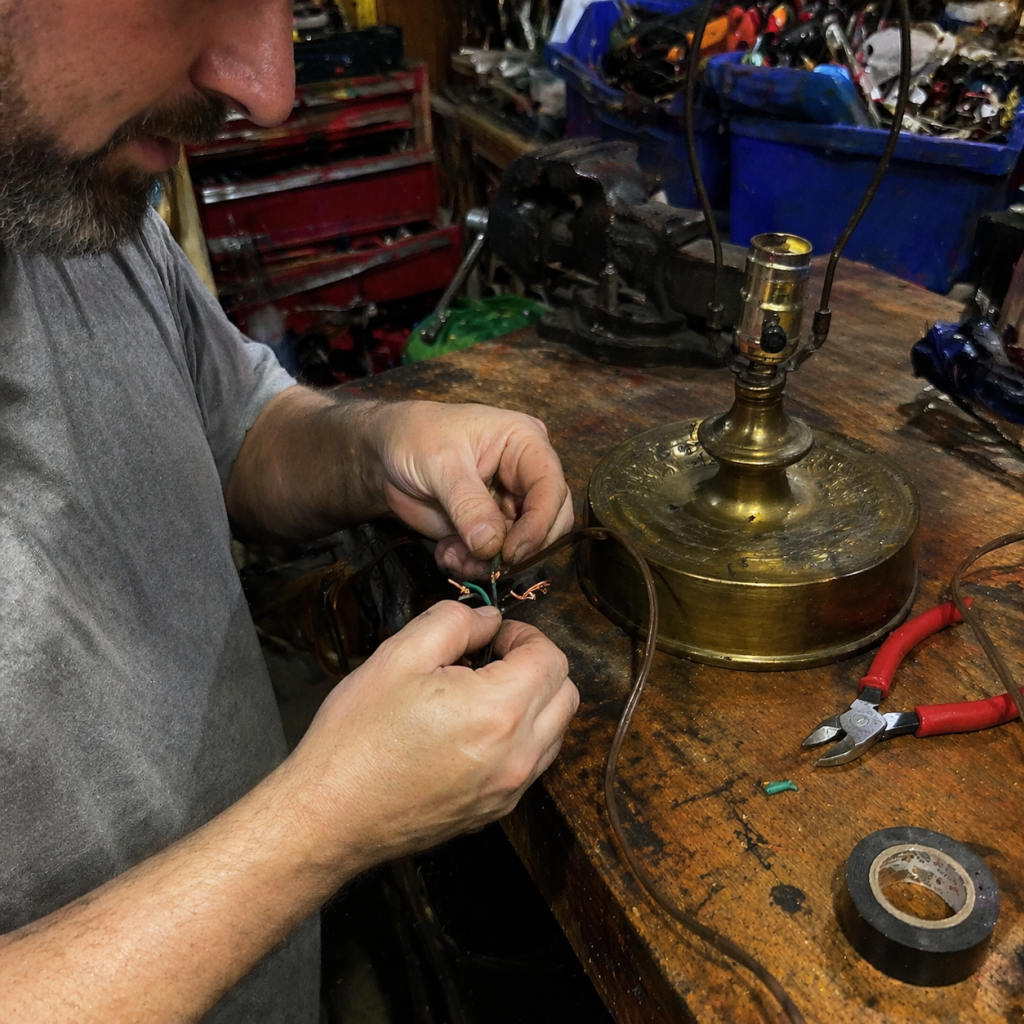
Lamp cords frayed and broke over time. But instead of throwing the lamp away, people rewired it.
You unscrewed the base and removed the old cord.
A new cord was threaded through and connected by hand.
Basic tools were enough to do the job. This was considered a simple, everyday fix.
One person in our research for this article recalled their father replacing cords himself without hesitation. The lamp stayed, and only the faulty part changed.
20. Coffee Maker Switches
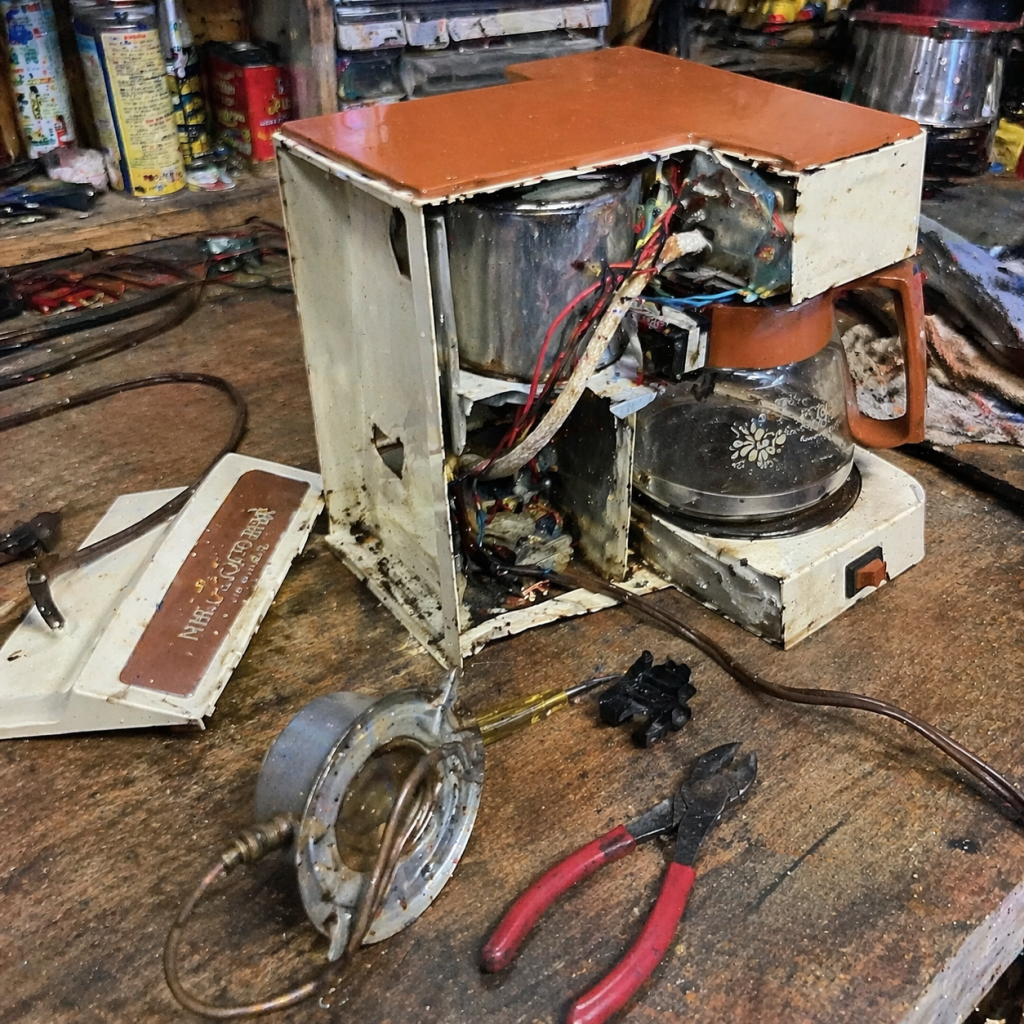
Coffee makers failed in small, predictable ways.
Often it was just a broken switch or loose connection.
People opened the casing to find the problem. The faulty part was replaced, not the whole machine.
These appliances weren’t sealed shut like today. You could actually get inside them. That made small electrical fixes possible at home.
A simple repair kept the coffee flowing.
19. Electric Iron Elements
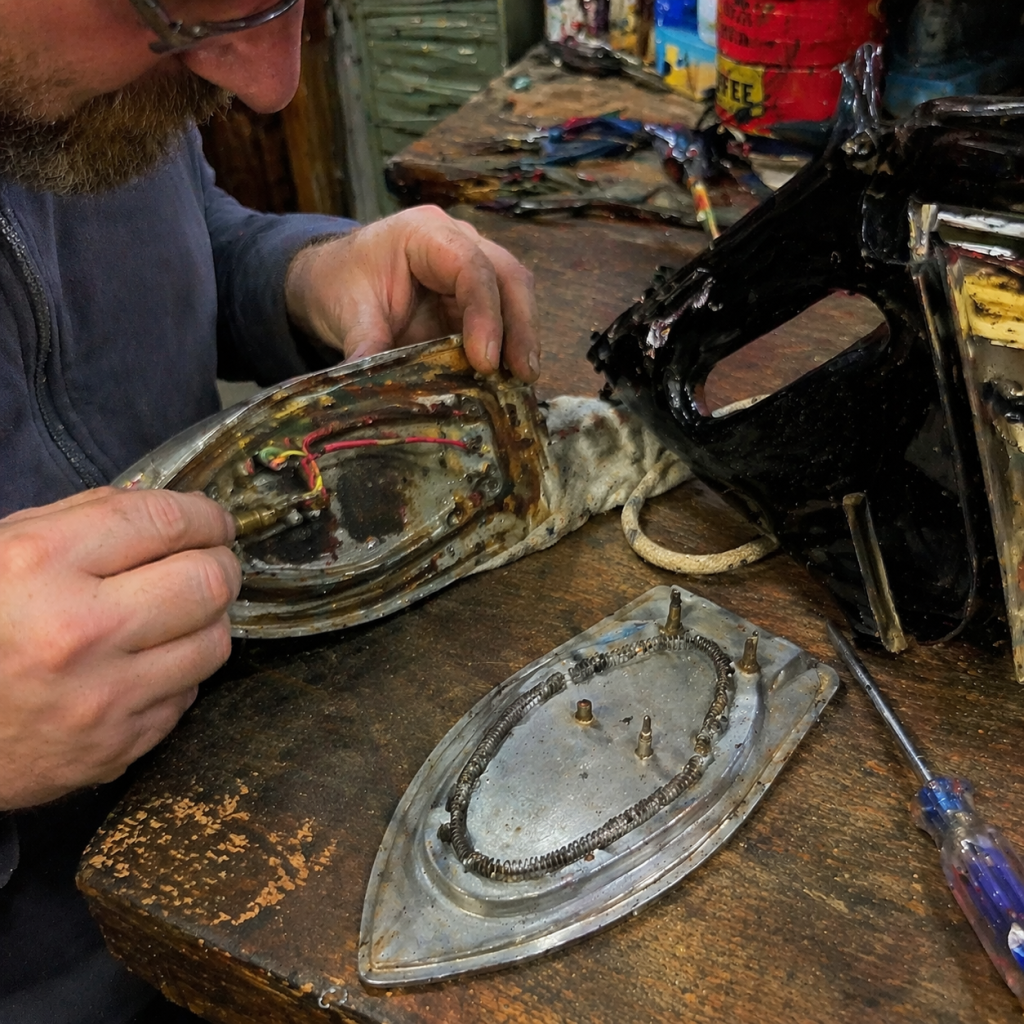
Irons stopped heating after years of use.
The issue was usually the internal heating element.
People didn’t throw the iron out right away. They opened it and checked the wiring and connections. If the element could be replaced, it was.
These were simple devices with few moving parts. One fix could restore full function.
That kept the same iron in use for years.
18. Washing Machine Pumps
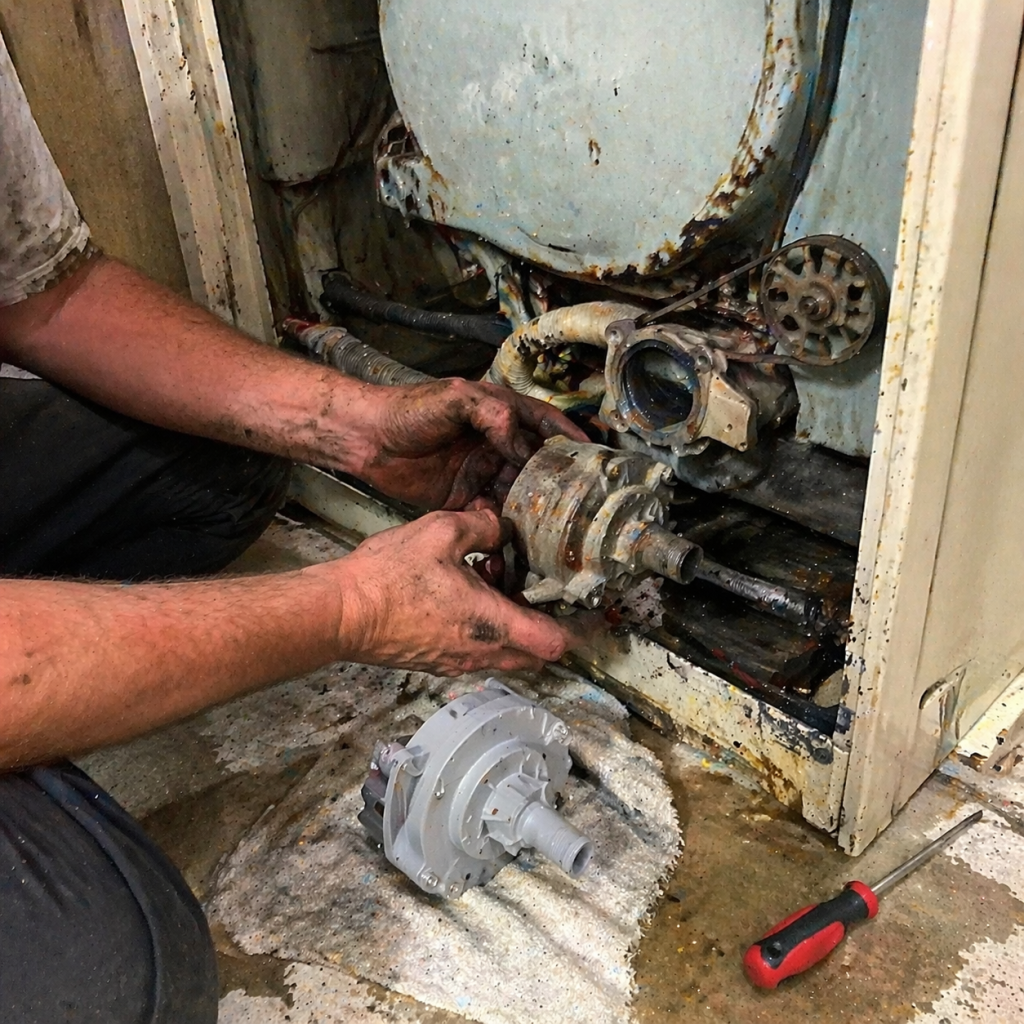
Washing machines were built to be repaired repeatedly.
Pumps clogged, wore out, and failed over time.
Instead of calling a technician, people handled it themselves.
You tipped the machine back to access the underside. The pump could be removed and replaced with basic tools.
Parts were available and relatively affordable.
One person in our research noted how easy it was to reach everything underneath. A single repair could add years to the machine’s life.
17. Dryer Belts and Motors
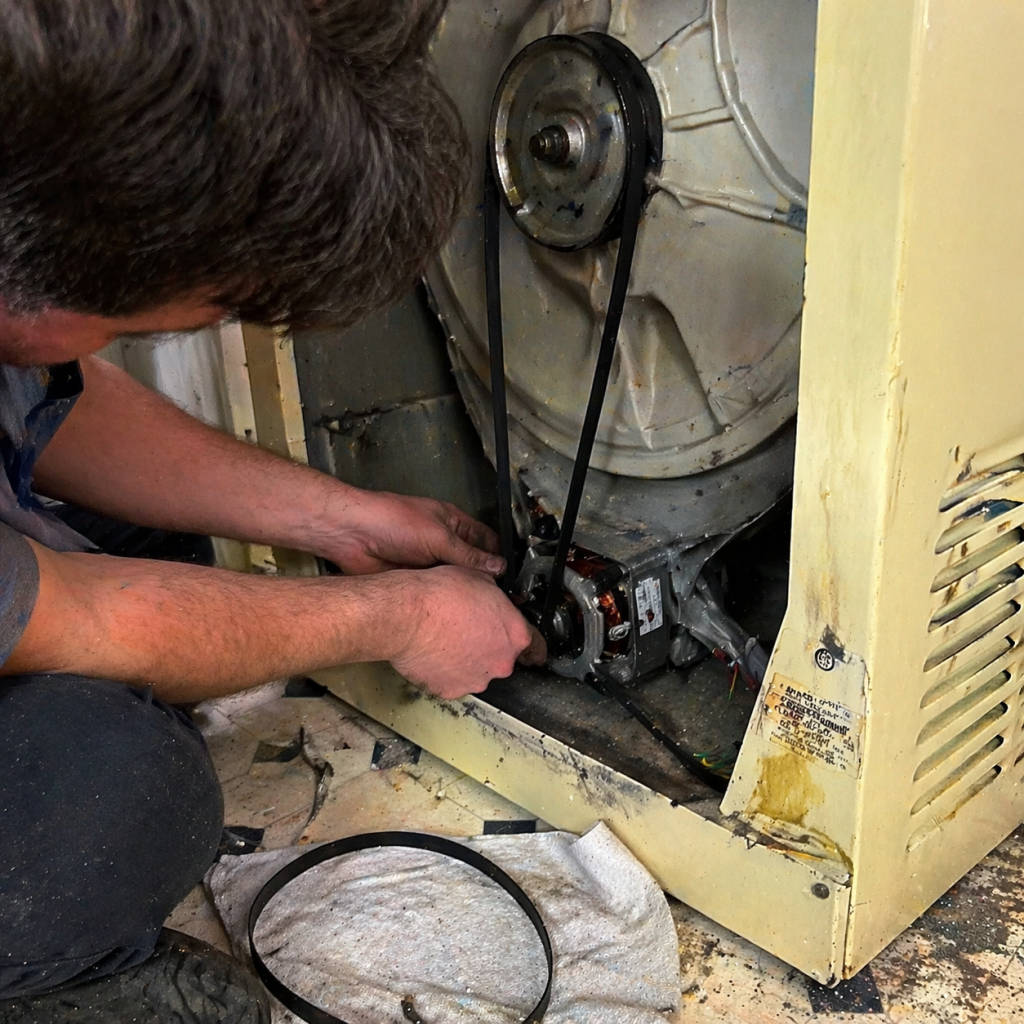
Dryers were mechanical and easy to access.
When the drum stopped turning, the belt was usually the issue. People opened the panel and replaced it themselves.
Motors could also be swapped if needed.
These weren’t rare fixes—they happened often. Machines went through multiple belts over time.
We found one person who mentioned replacing several belts on their one dryer over the years.
The dryer stayed, and the worn parts were replaced.
16. Stove Burners
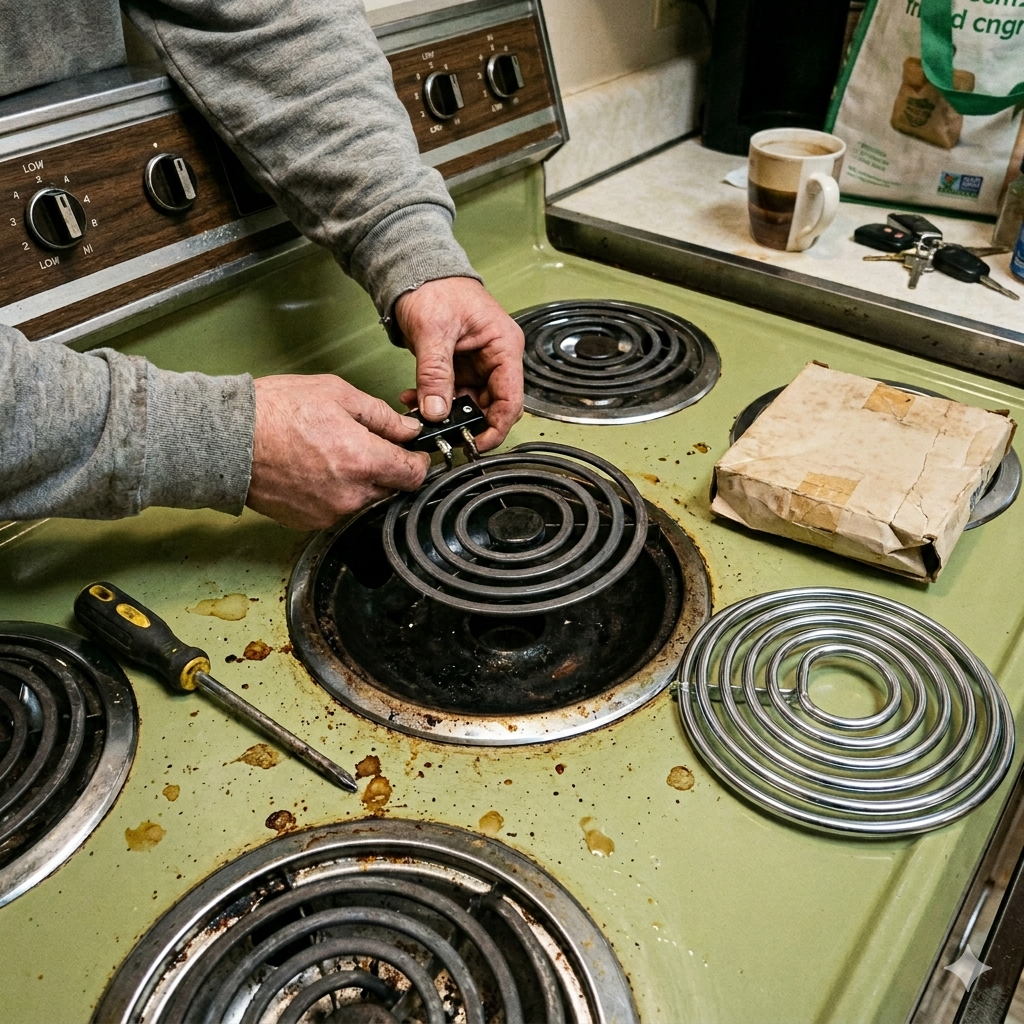
Electric stove burners burned out with regular use. When one failed, you didn’t replace the stove.
You pulled the burner out and swapped it.
No tools were needed for most models and replacement parts were easy to find.
It was a quick, low-cost fix.
People expected to do this themselves.
The rest of the stove kept working as usual.
15. Oven Heating Elements
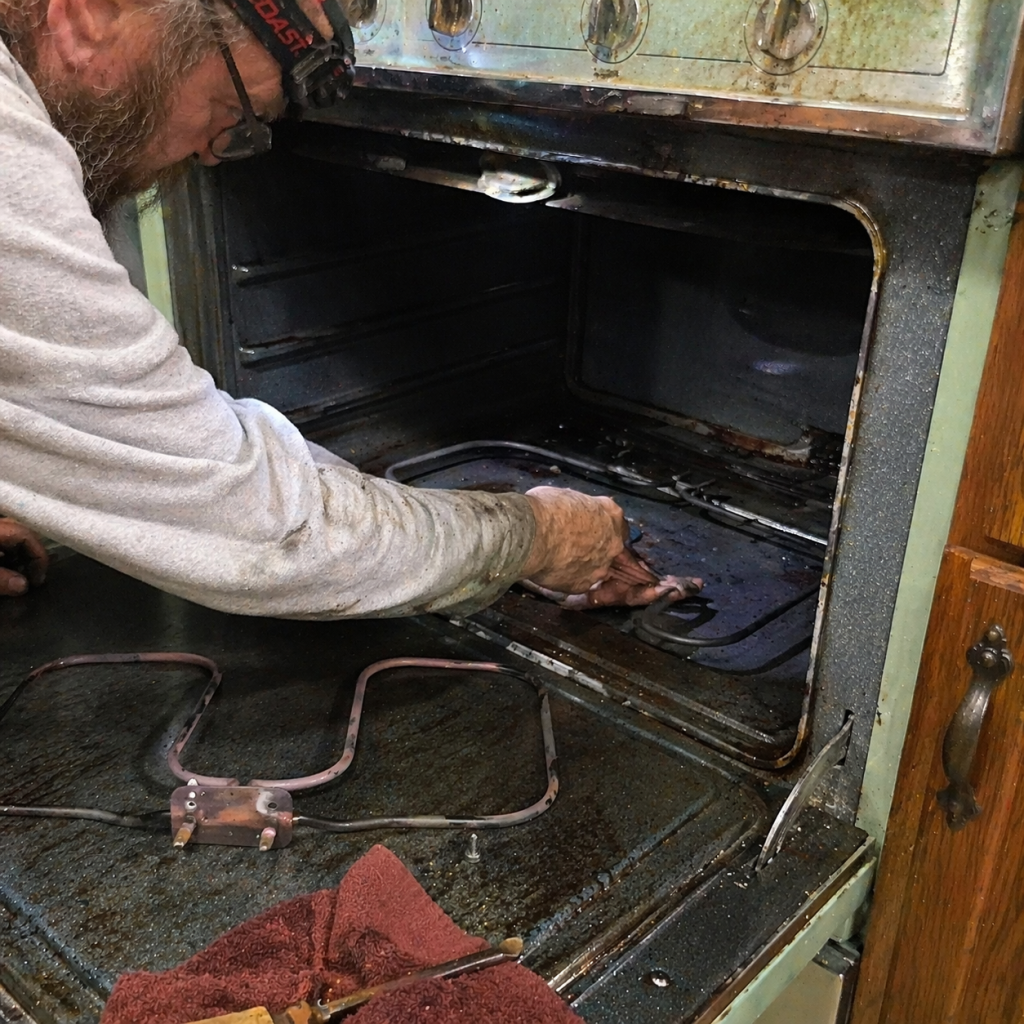
Oven elements wore out over time. When they failed, the oven didn’t get replaced.
People removed the old element and installed a new one.
The wiring connections were simple and accessible. This was a standard repair for many households. It didn’t require specialist knowledge.
Just a replacement part and a bit of care. The oven was back in use and just like new.
14. Refrigerator Seals
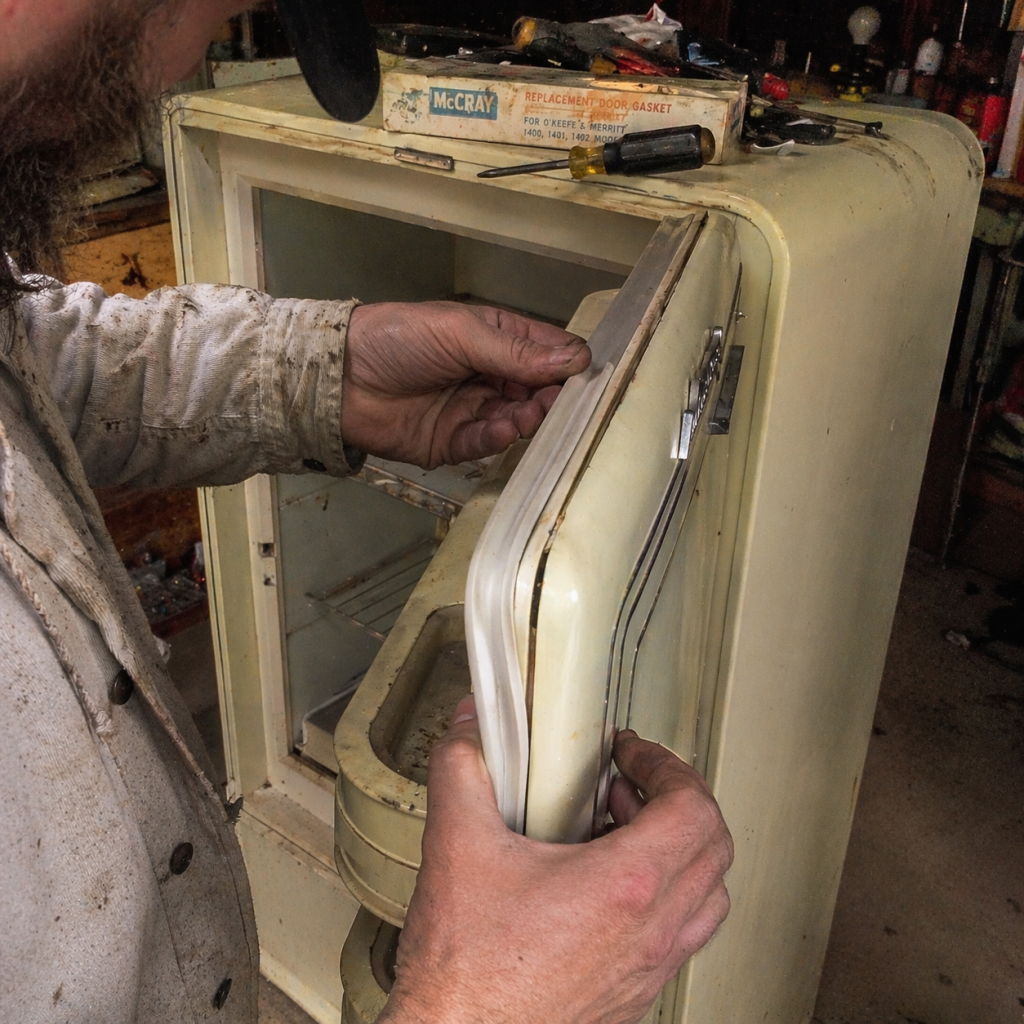
Fridge doors stop sealing properly over time.
That means cold air escapes and food spoils faster.
Instead of replacing the fridge, people fixed the seal. The rubber gasket could be removed and replaced.
This improved efficiency immediately. It was a small fix with a big impact.
People understood how important the seal was. So they maintained it instead of upgrading the appliance.
13. Faucet Washers and Seals
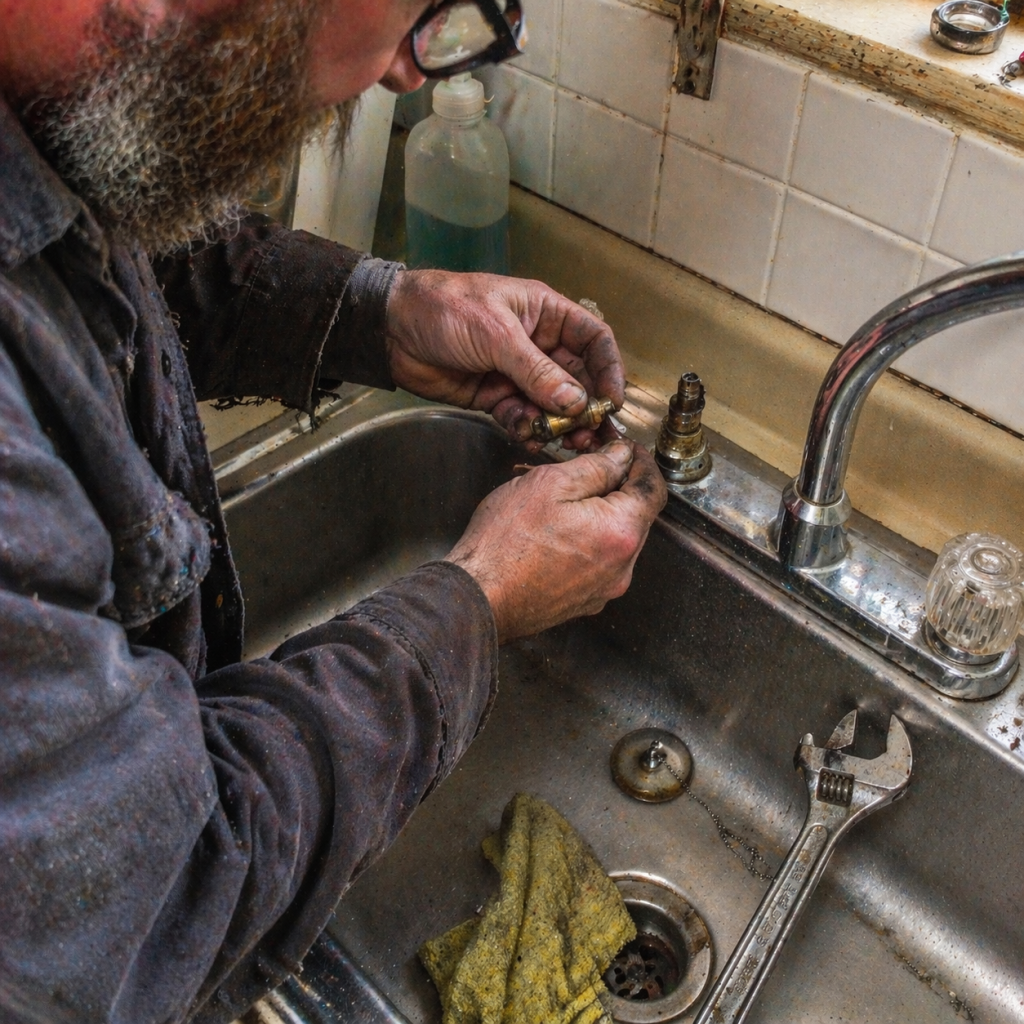
Leaky faucets were extremely common.
But no one replaced the whole fixture because of a drip.
You turned off the water and took the faucet apart.
Inside was a worn rubber washer or seal. That small part caused the entire problem.
Replacement parts cost very little.
As one person in our research pointed out, you could buy these pieces “for pennies.”
Fixing the leak was quick and expected.
12. Toilet Mechanisms

Toilets weren’t complicated systems. Inside the tank were simple parts like floats, chains, and valves.
When something went wrong, people lifted the lid and looked inside.
Most problems came down to a single worn or misaligned part. You adjusted it or replaced it yourself.
Parts were cheap and widely available.
Calling a plumber wasn’t the first instinct. Fixing it yourself was faster and normal.
11. Drain Blockages
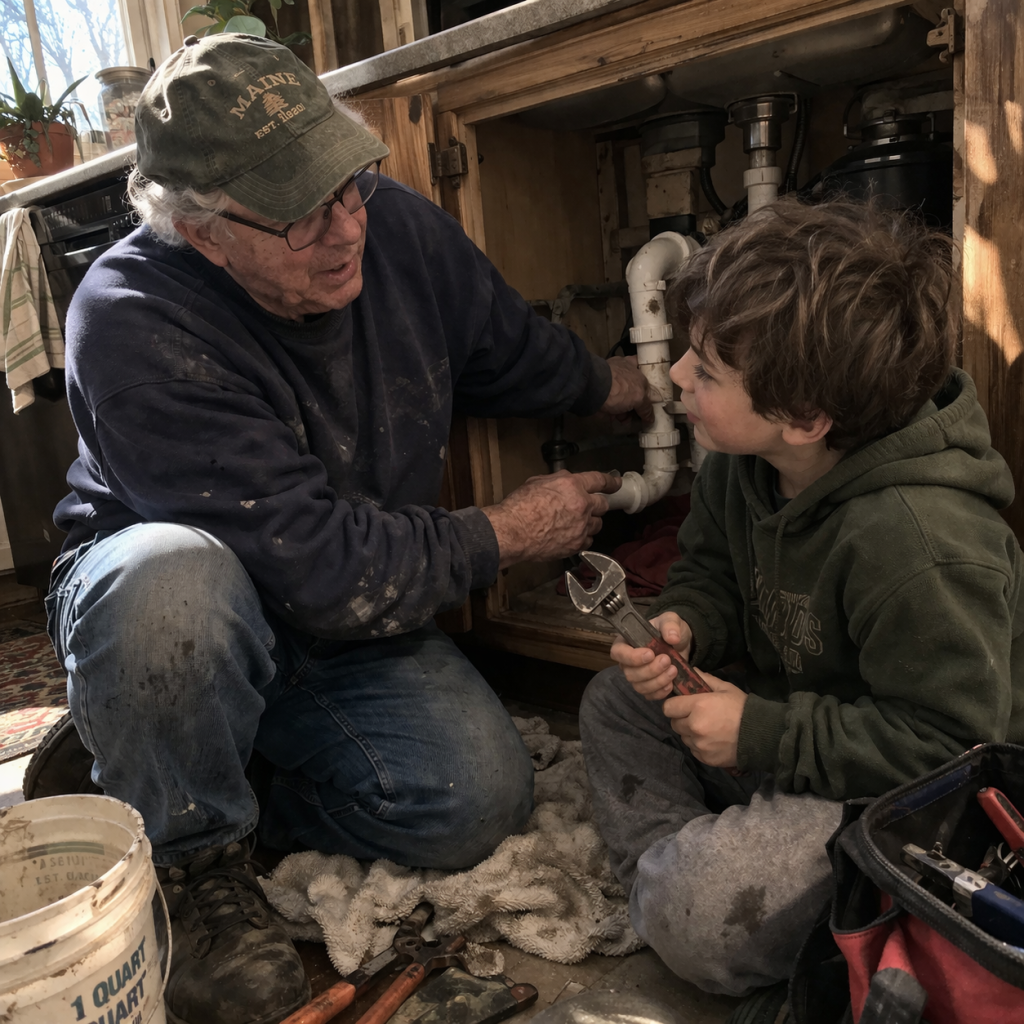
Clogged drains were handled at home. People didn’t immediately call for help.
They used plungers, improvised tools, or manual clearing methods.
Hair, grease, and debris were physically removed.
It wasn’t pleasant, but it was expected.
The goal was to restore flow, not replace anything. Most households dealt with this regularly. It was just part of maintaining a home.
10. Car Spark Plugs
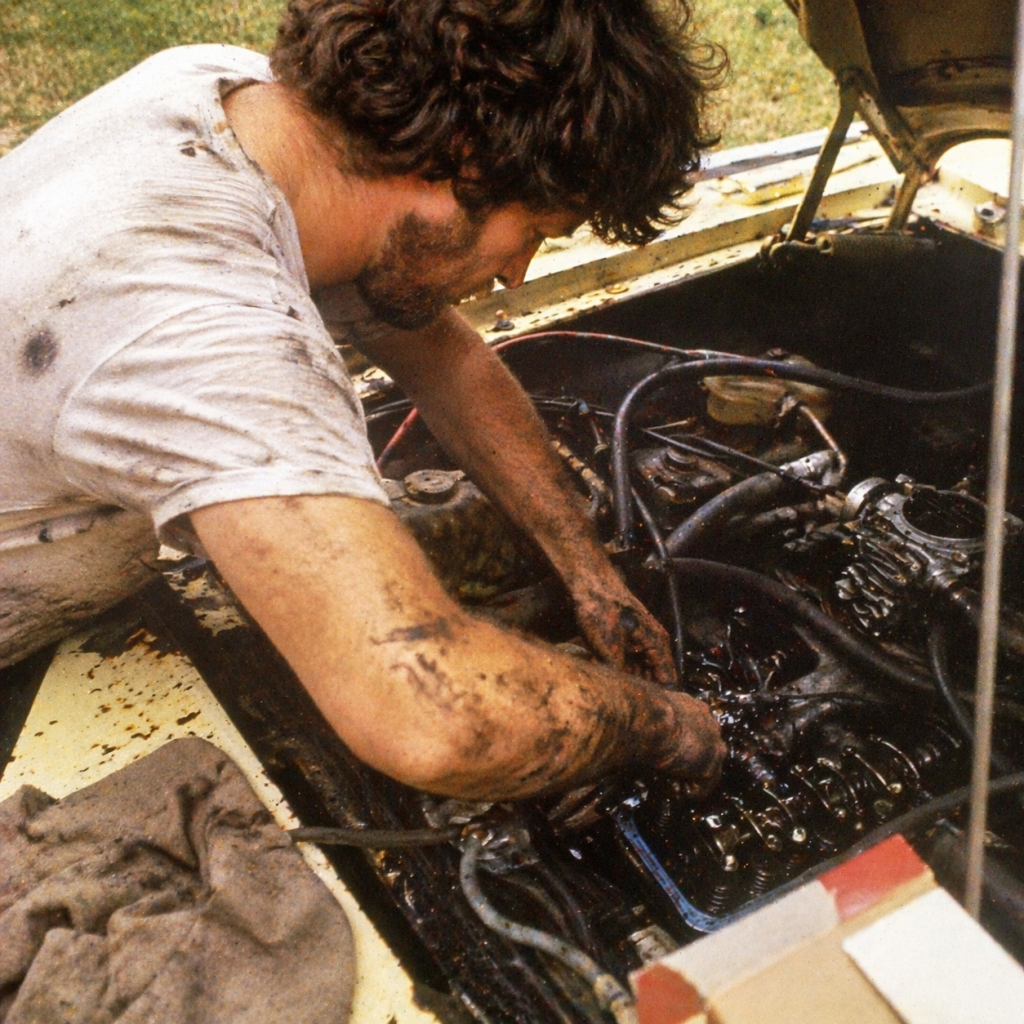
Cars needed constant tuning to stay running. Spark plugs fouled and points wore down quickly.
Replacing them was routine, not occasional.
Many people learned to do it themselves.
You opened the hood and handled it in your driveway. Maintenance wasn’t optional—it was survival.
As one person reflected of their youth: “Keeping a car going was a full time job.”
Fixing small issues kept the car on the road.
9. Car Belts and Hoses
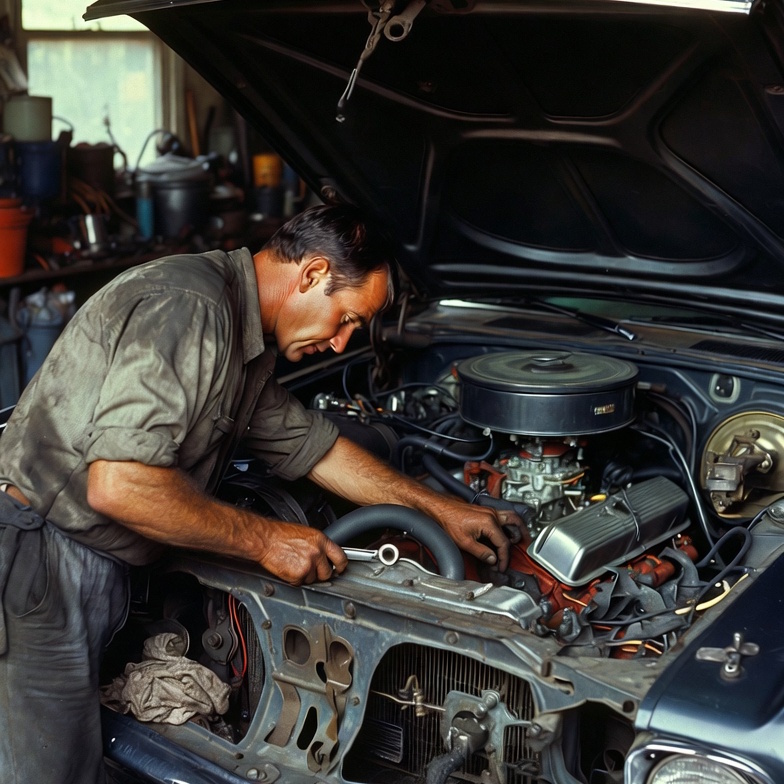
Belts snapped and hoses cracked without warning.
If they failed, your car stopped working.
People kept spares or replaced them quickly. You didn’t wait for a mechanic.
These were expected wear-and-tear items. Fixing them was part of owning a car.
Breakdowns were common, so repairs had to be quick. You learned to deal with them yourself.
8. Car Batteries
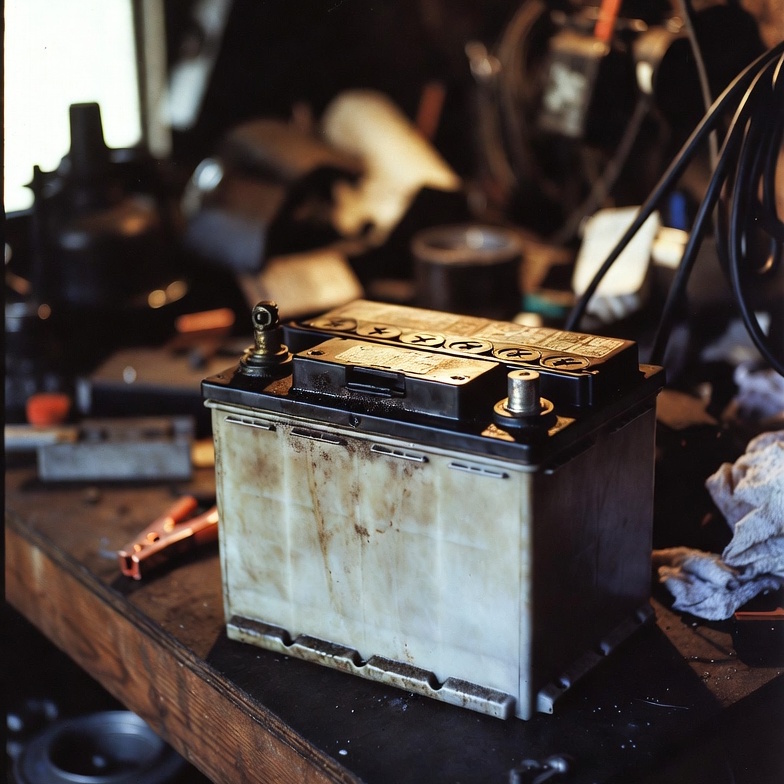
Car batteries weren’t sealed like today’s versions. They required regular maintenance to keep working.
People checked fluid levels and topped them up. Distilled water was added when needed. This extended the life of the battery.
Replacing it was a last resort.
Basic upkeep kept it going longer. Maintenance mattered more than replacement.
7. Lawn Mower Engines
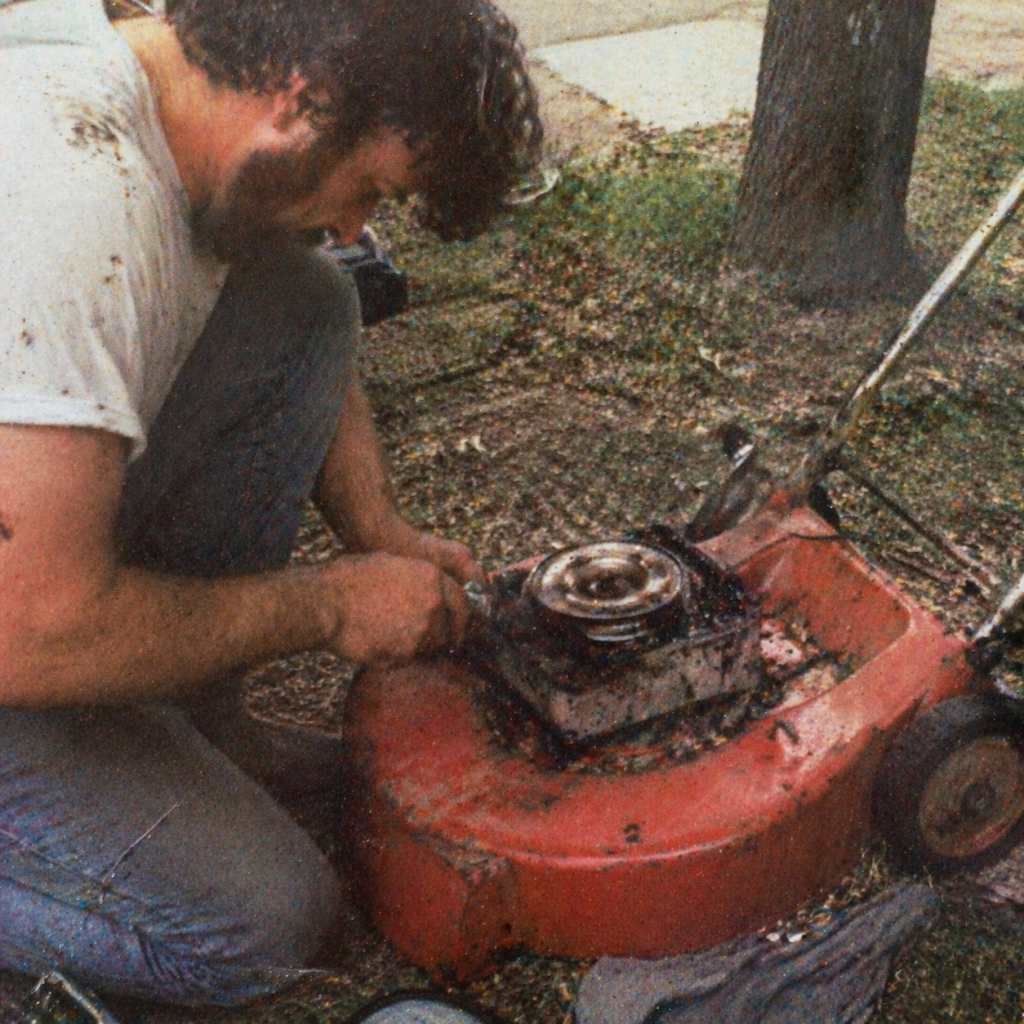
Lawn mowers often stopped working, but rarely for good.
Most issues were simple—old fuel, dirty parts, or a bad spark plug.
People diagnosed and fixed these problems at home. You drained the fuel, cleaned the system, and tried again.
A small fix could bring it back to life. Many “broken” mowers weren’t actually broken. They just needed attention. That kept them running for years.
6. Small Gas Engines
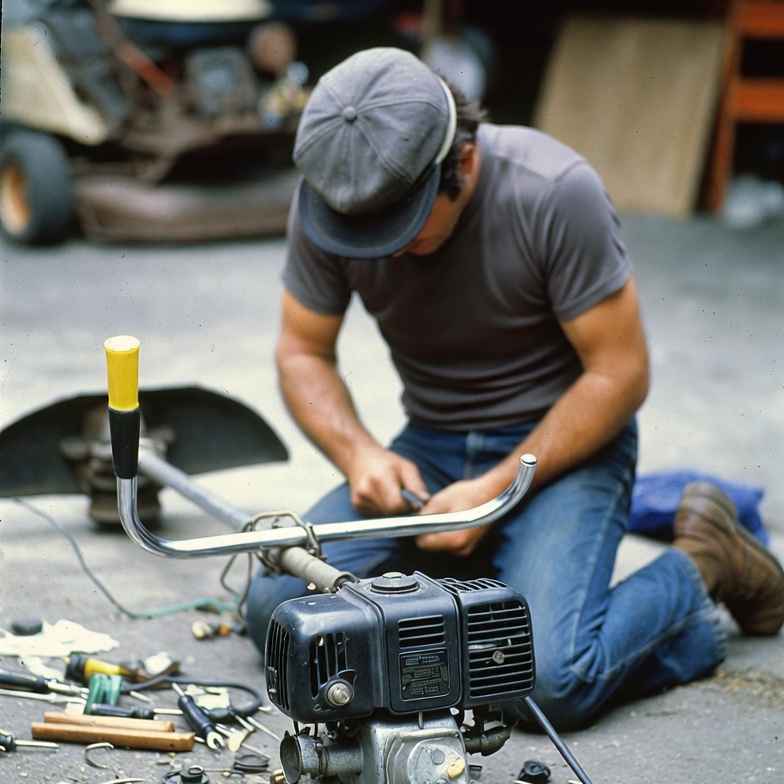
The same logic applied to trimmers, blowers, and other tools.
These engines were simple and predictable. If they stopped working, there was usually an obvious cause.
People replaced spark plugs or cleaned clogged parts. Basic maintenance solved most issues.
Some people even picked up discarded machines and fixed them. A little effort turned “junk” into something usable again.
Nothing was thrown out without trying.
5. Bicycle Tires and Chains
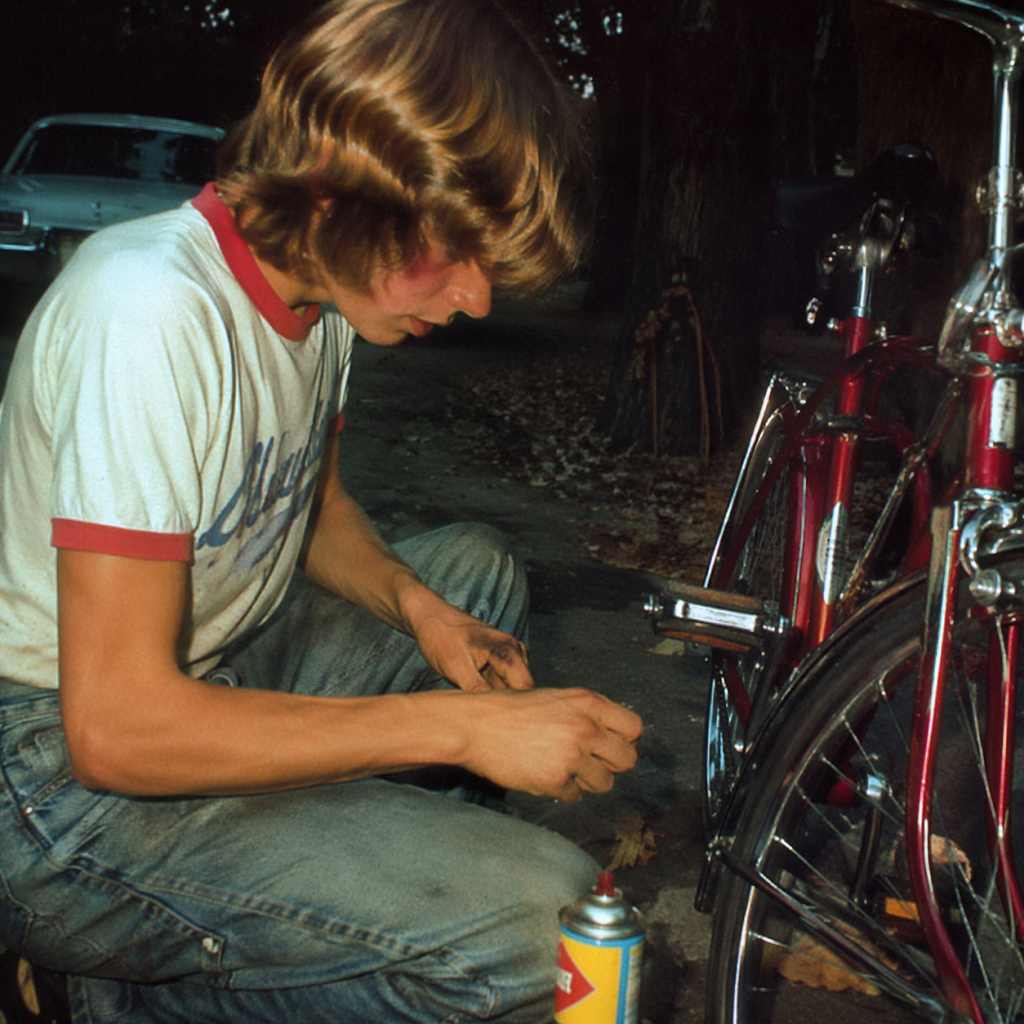
Bikes were repaired constantly, especially by kids.
Flat tires were patched instead of replaced. You found the hole, applied a patch, and kept riding. Chains were tightened and adjusted when they slipped.
Basic tools were enough for most fixes.
These skills were learned early. Keeping your bike working was your responsibility. It wasn’t something you replaced—it was something you maintained.
4. Shoe Soles and Laces

Shoes were pushed far beyond their intended lifespan.
When soles wore out, people patched or reinforced them. Fixes weren’t always pretty, but they worked.
One person in our research recalled using cardboard and bread bags to keep shoes usable!
Laces snapped, but they weren’t replaced either. They were tied back together again and again.
Function mattered more than appearance. You used what you had.
3. Torn Clothing and Zippers
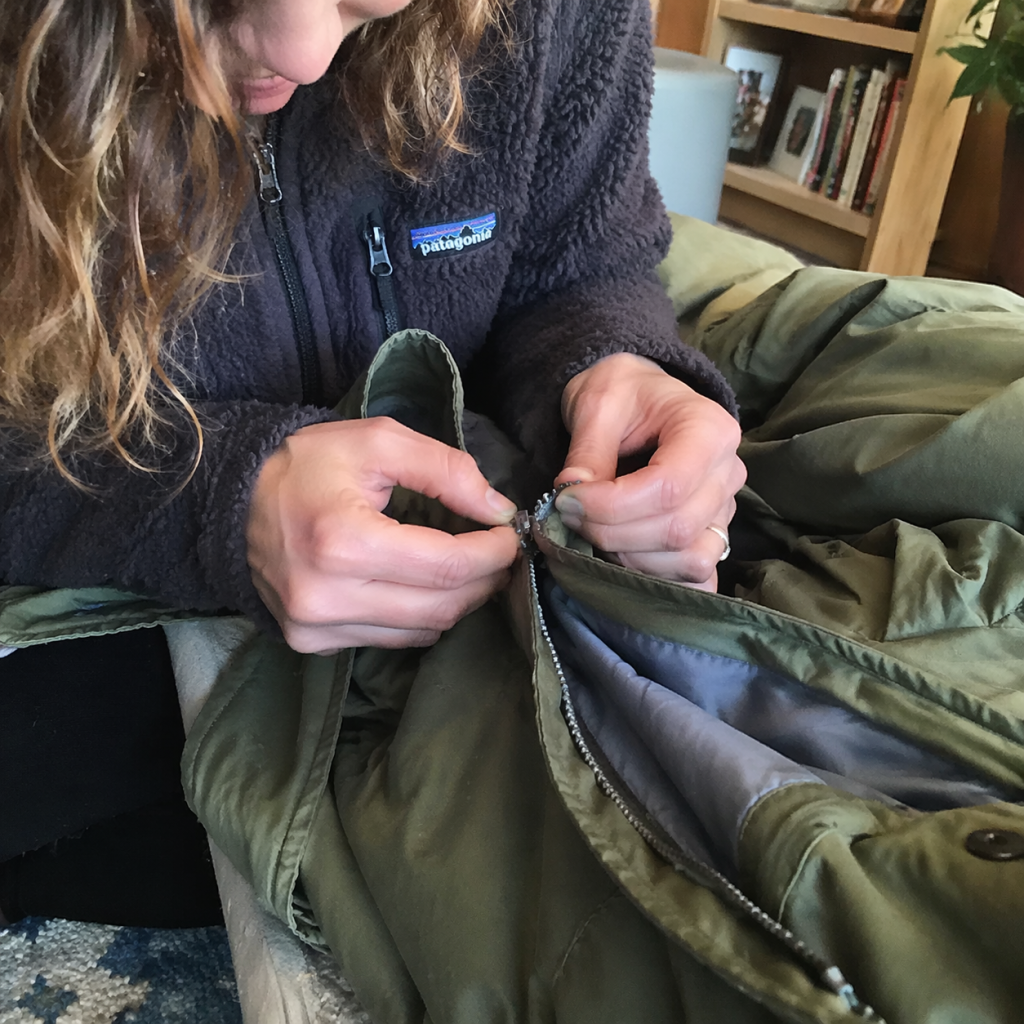
Clothing was repaired as a matter of routine. Tears were patched and weak spots reinforced.
Zippers were fixed or replaced when they failed.
Throwing clothes away for minor damage wasn’t normal.
Most repairs were done at home. If not, a seamstress handled it cheaply.
Clothes were expected to last. Fixing them was part of everyday life.
2. Broken Buttons and Seams

Sewing was a basic life skill. Loose buttons were fixed immediately. Seams were stitched before they got worse.
These weren’t big repairs—they were quick fixes. Most households handled them without thinking.
One person in our research recalled learning to sew just to maintain their clothes. It saved money and extended the life of everything. Nothing was wasted over something small.
1. Window Screens
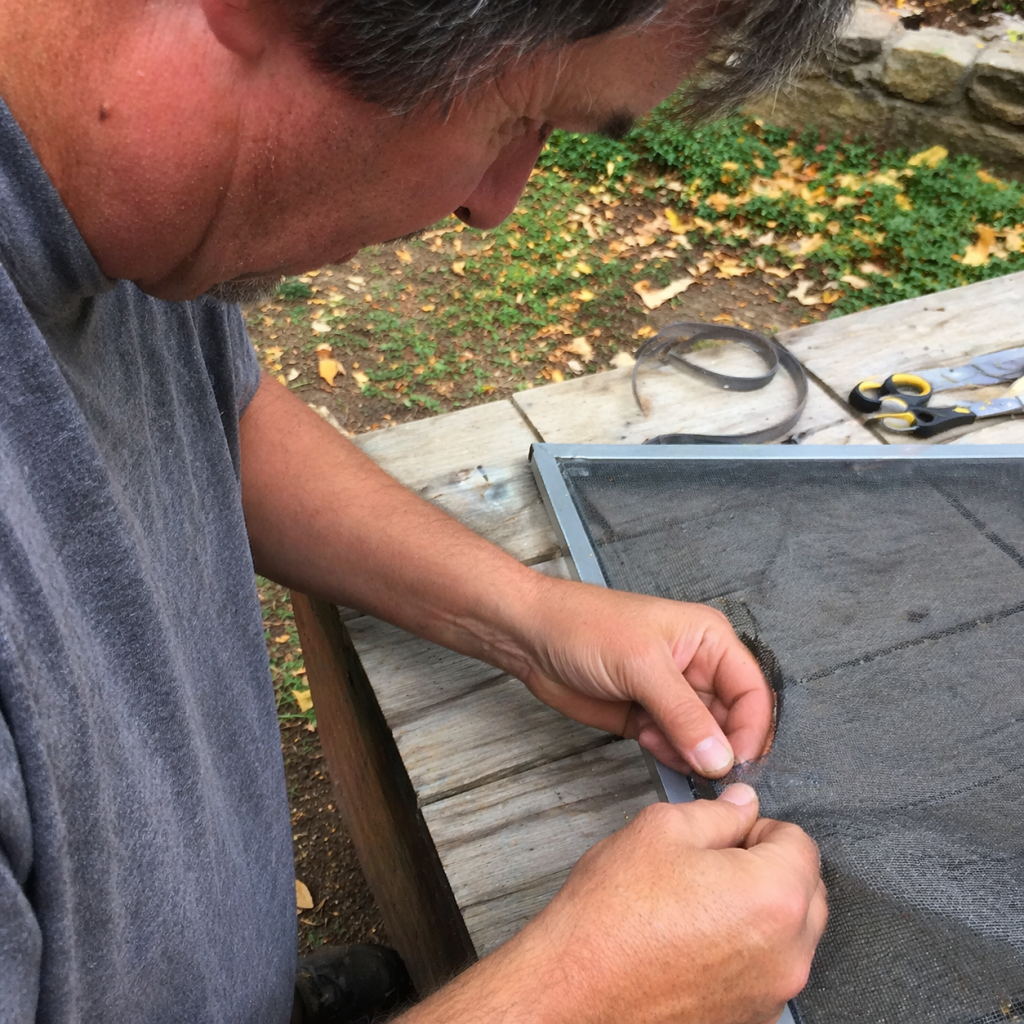
Window screens tore easily with use. But small holes didn’t mean replacement.
People patched the damaged section.
Sometimes only part of the mesh was replaced. It was a simple, practical fix.
The goal was to keep bugs out, not make it perfect.
Materials were cheap and easy to work with. So the screen stayed in use.

Charles Jacobs