
Step back into a time when life moved at a slower, more tactile pace.
Before smartphones and streaming took over, daily life was defined by the clink of glass and the whir of dials.
We’ve traded many of these quirks for modern convenience, yet the memories remain vivid.
Let’s take a nostalgic trip down memory lane to revisit the staples of a bygone era.
Here are 27 forgotten items from the 60s and 70s that have largely vanished from the modern world.
27. Manual TV dials
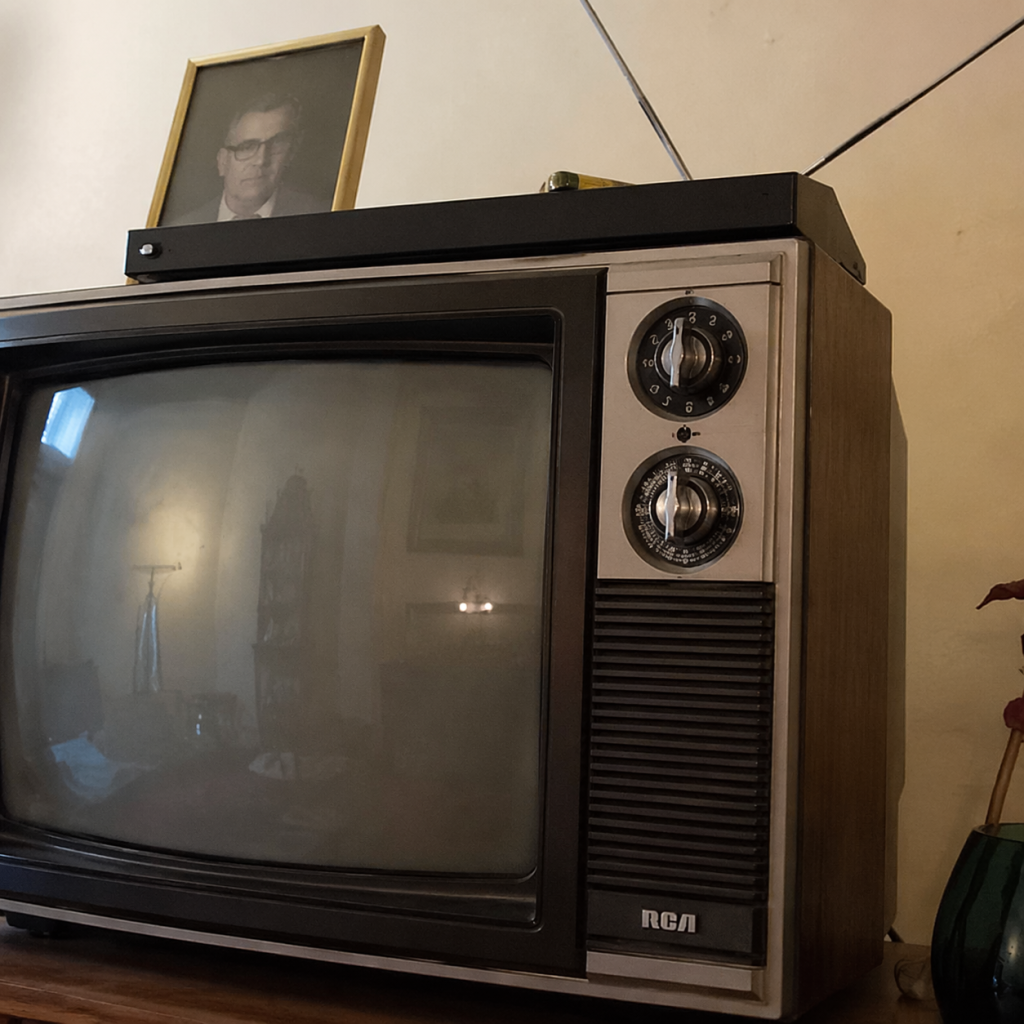
Back then, the remote control was usually the youngest child in the room. Changing the channel meant physically walking to the set and turning a heavy plastic knob.
Each click was a mechanical commitment to a single broadcast. You had to wait for the tube to warm up before the picture appeared.
26. Going to your neighbor’s to watch TV
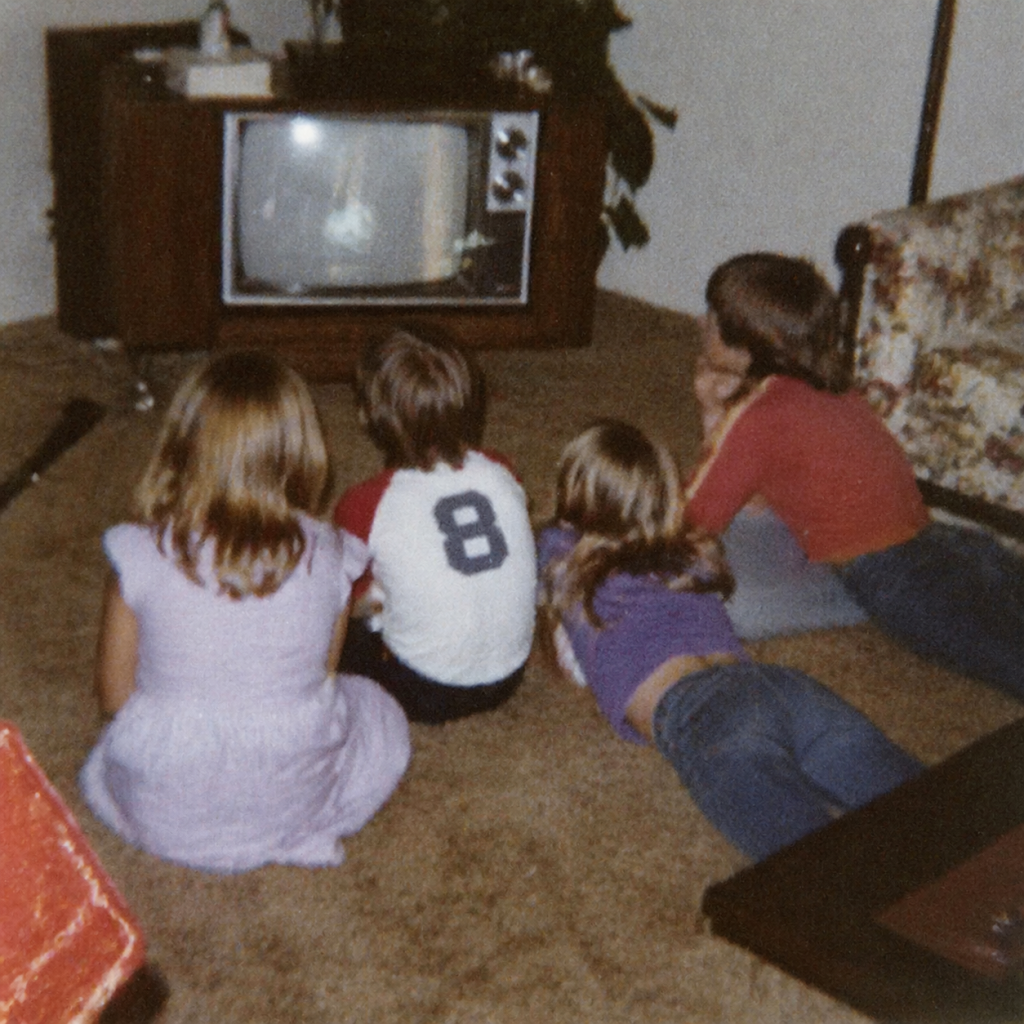
In the early days, owning a television set was a genuine luxury for the block. If you didn’t have one, you simply walked over to the neighbor’s house.
Whole families would squeeze onto a sofa just to catch a popular variety show. It turned every evening broadcast into a cozy community event.
25. Car bench seats in the front
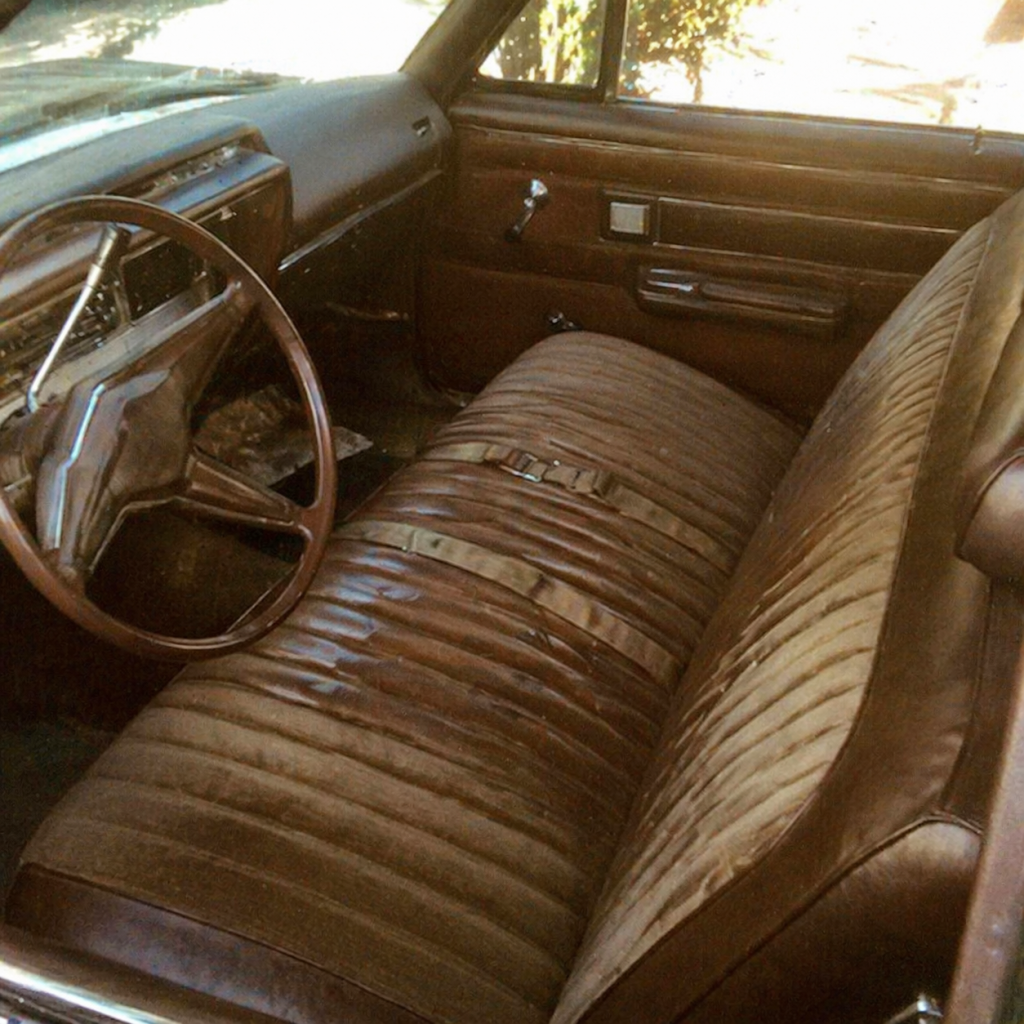
Modern cars feel like cockpits, but old sedans were more like living room sofas. The front seat was one long, continuous bench without any bulky center console.
You could easily fit three people side-by-side during a weekend cruise. It made sliding across the seat to exit the curbside door a breeze.
24. Rotary phones
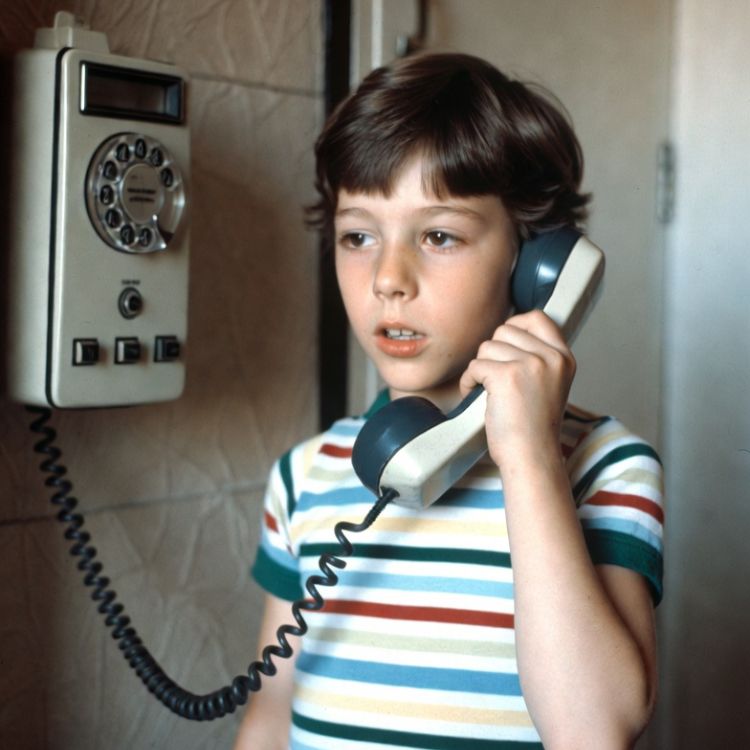
Dialing a number was a slow, rhythmic process that required a steady finger. You placed your finger in the hole and pulled the wheel all the way around.
If you messed up the last digit, you had to hang up and start over. Waiting for that dial to spin back was a true test of patience.
23. Phone operators
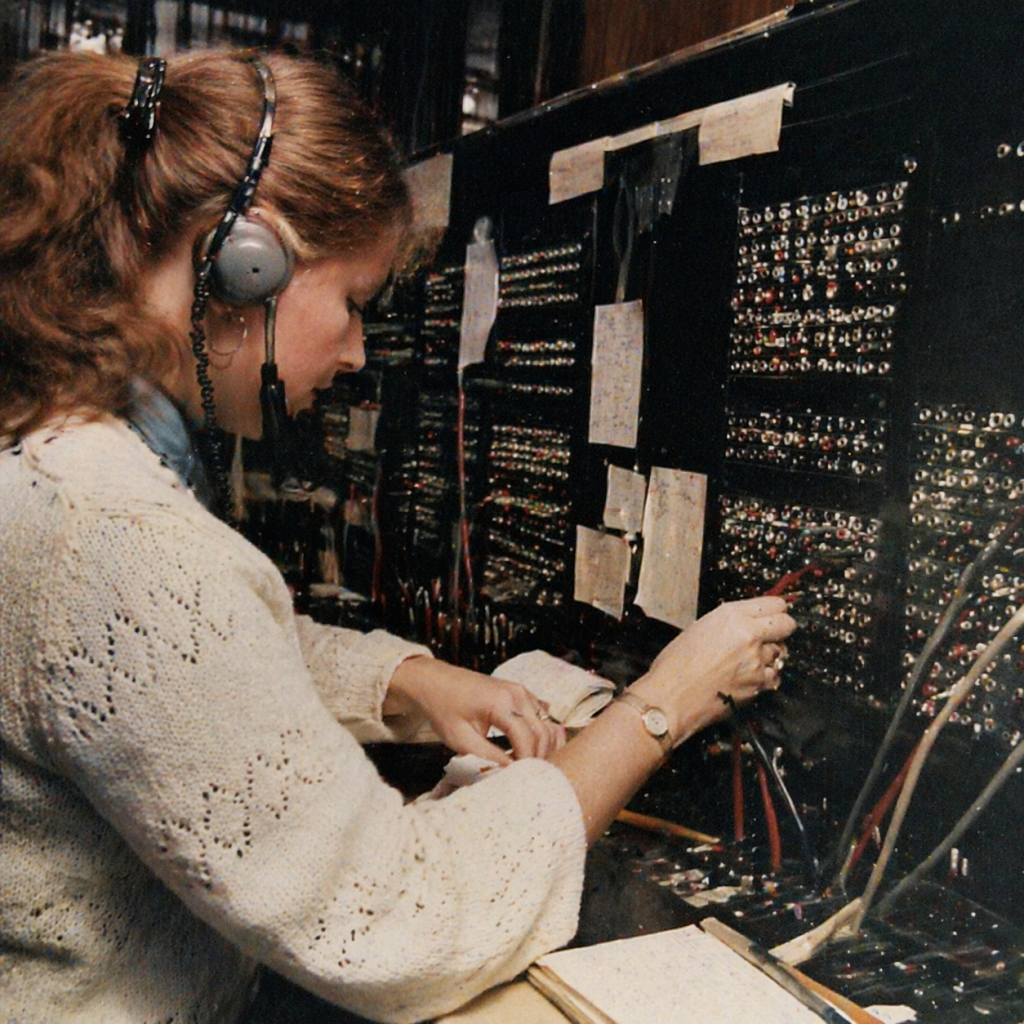
You didn’t always dial direct; sometimes you just picked up and waited for a voice. Real people sat at switchboards, plugging cords into jacks to connect your call.
They were the original navigators of our social networks. It felt personal knowing a human was helping your voice reach its destination.
22. Milk delivery to your door
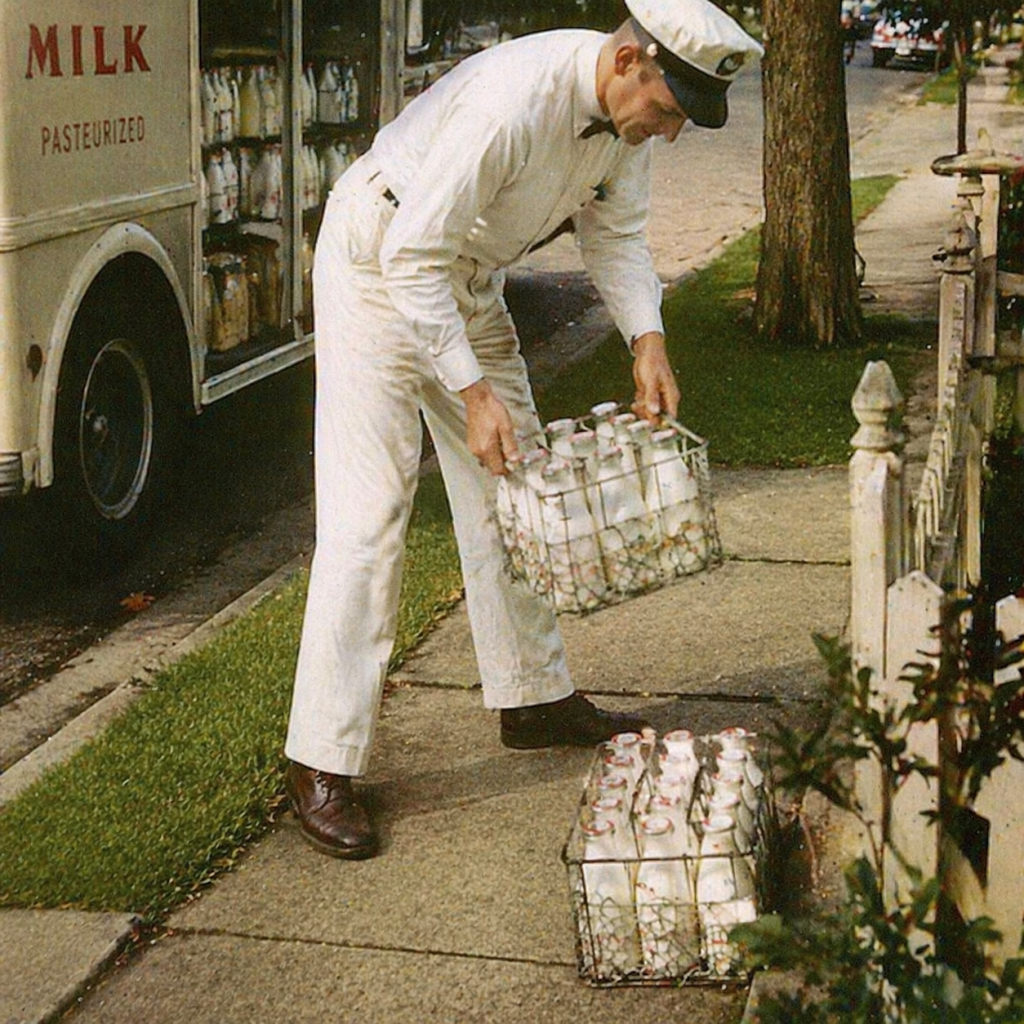
The morning soundtrack used to be the gentle clinking of glass bottles on the porch. A milkman would arrive at dawn to swap your empties for fresh dairy.
You could see the cream rising to the top through the clear glass. It was a simpler supply chain built entirely on local trust.
21. Ashtrays everywhere
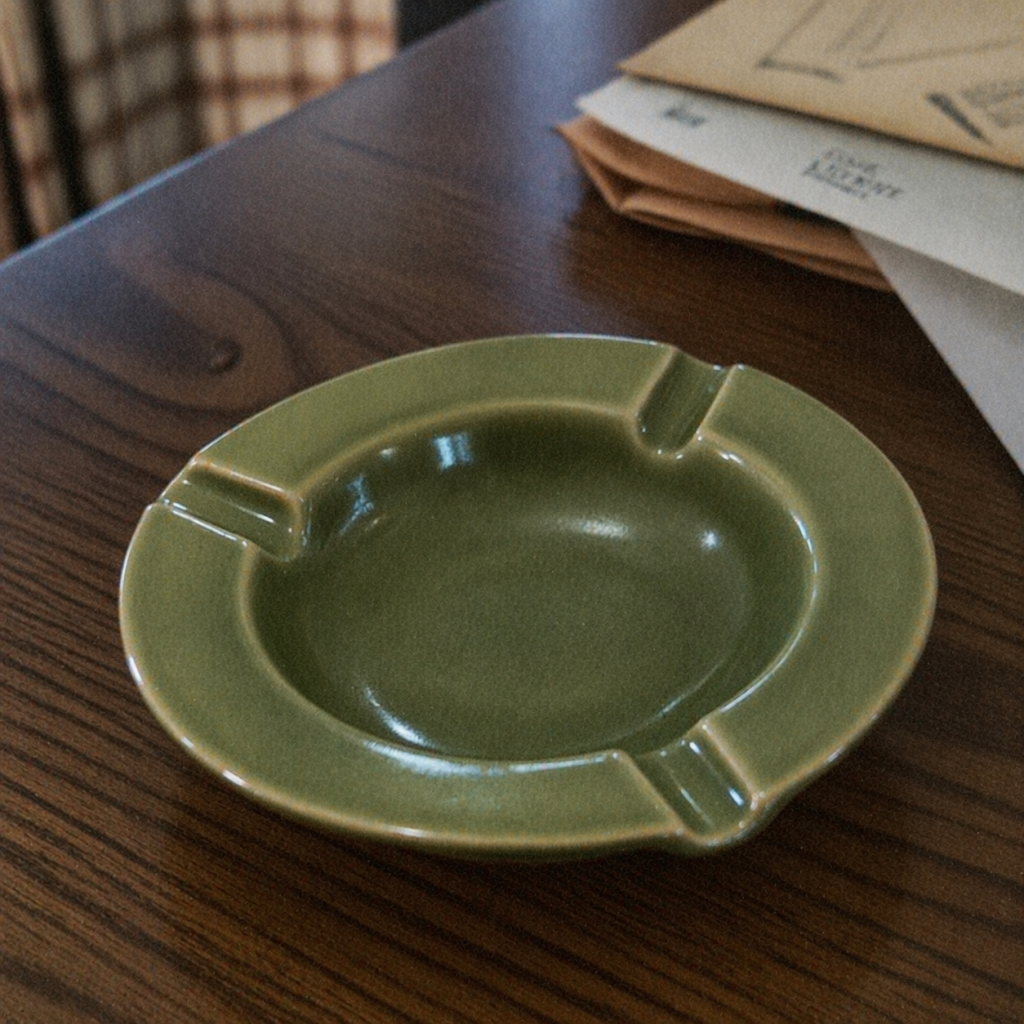
It’s hard to believe today, but smoking was once a ubiquitous part of public life. Ornate glass or heavy metal ashtrays sat on every coffee table and office desk.
Even airplanes and hospital waiting rooms featured built-in trays for your embers. They were as common as coasters are in the modern home.
20. Payphones on every corner
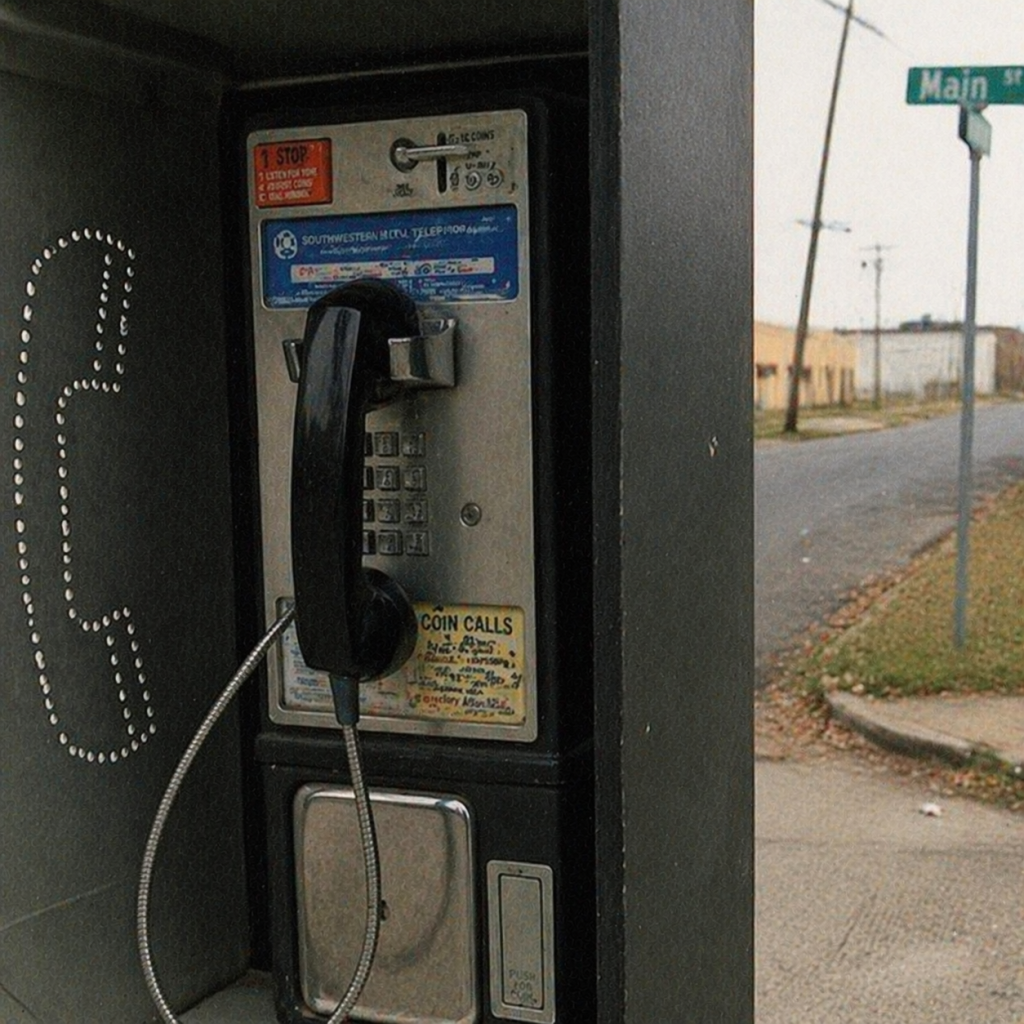
If you were away from home and needed to talk, you hunted for a silver booth. You always kept a few spare quarters tucked away in your pocket just in case.
Privacy meant folding a glass door shut while the street noise hummed outside. These booths were our only lifelines to the world when we were out.
19. Drive-in theaters
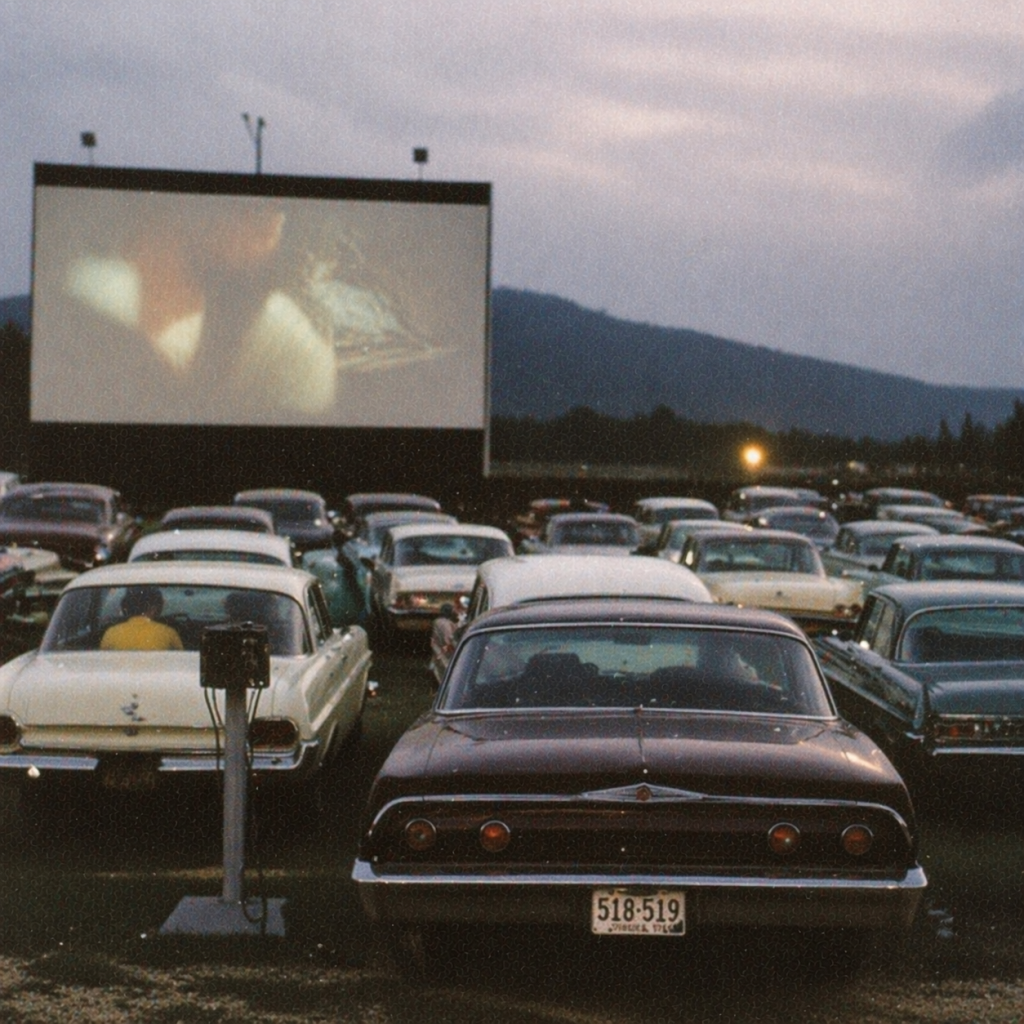
Friday nights were for piling the kids into the car and heading to the big screen. You’d hook a heavy, metallic speaker onto your window to hear the movie audio.
The smell of popcorn drifted through the rows of parked station wagons. It was the ultimate way to watch a double feature under the stars.
18. Full-service gas stations
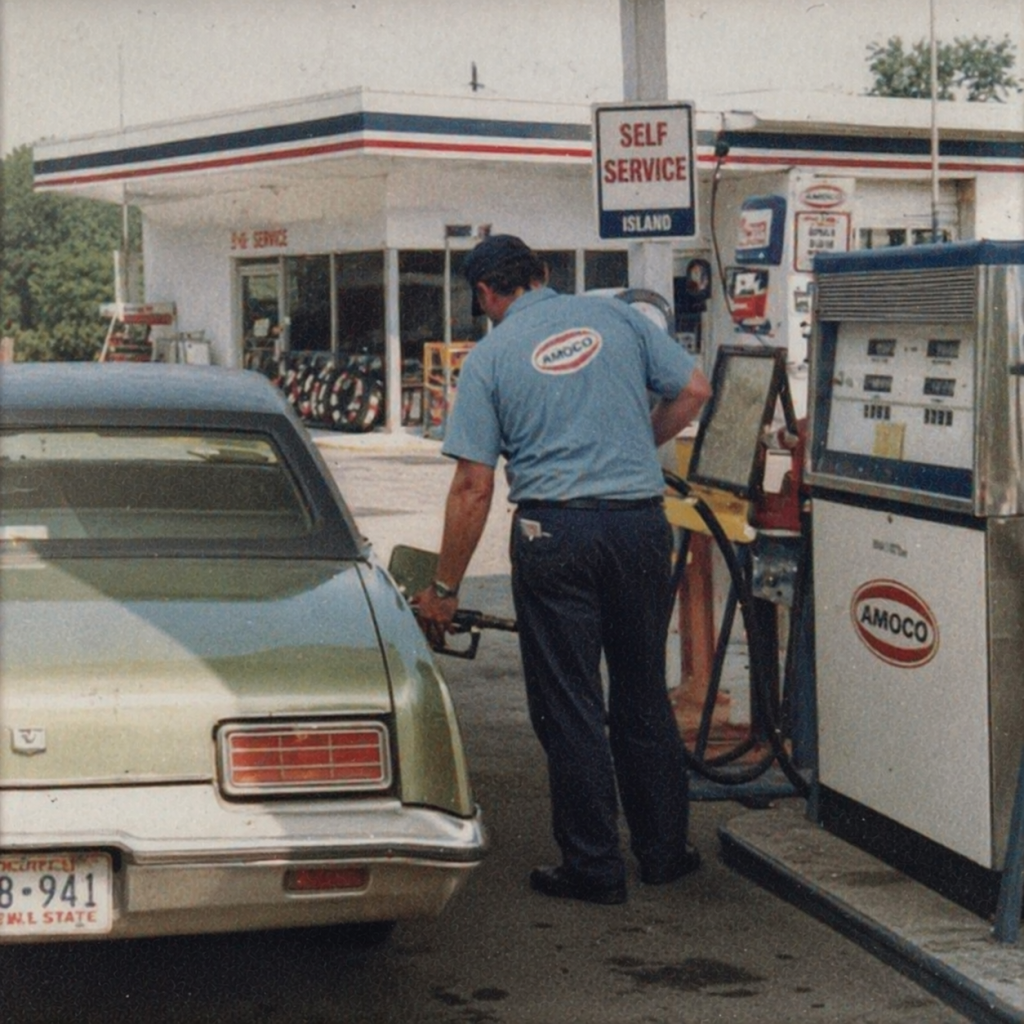
You never had to leave your driver’s seat when the fuel gauge hit empty. Uniformed attendants would rush out to pump your gas and wash your dusty windshield.
They would even check your oil and tire pressure as a standard courtesy. It was a level of service that made every driver feel like royalty.
17. Metal lunchboxes
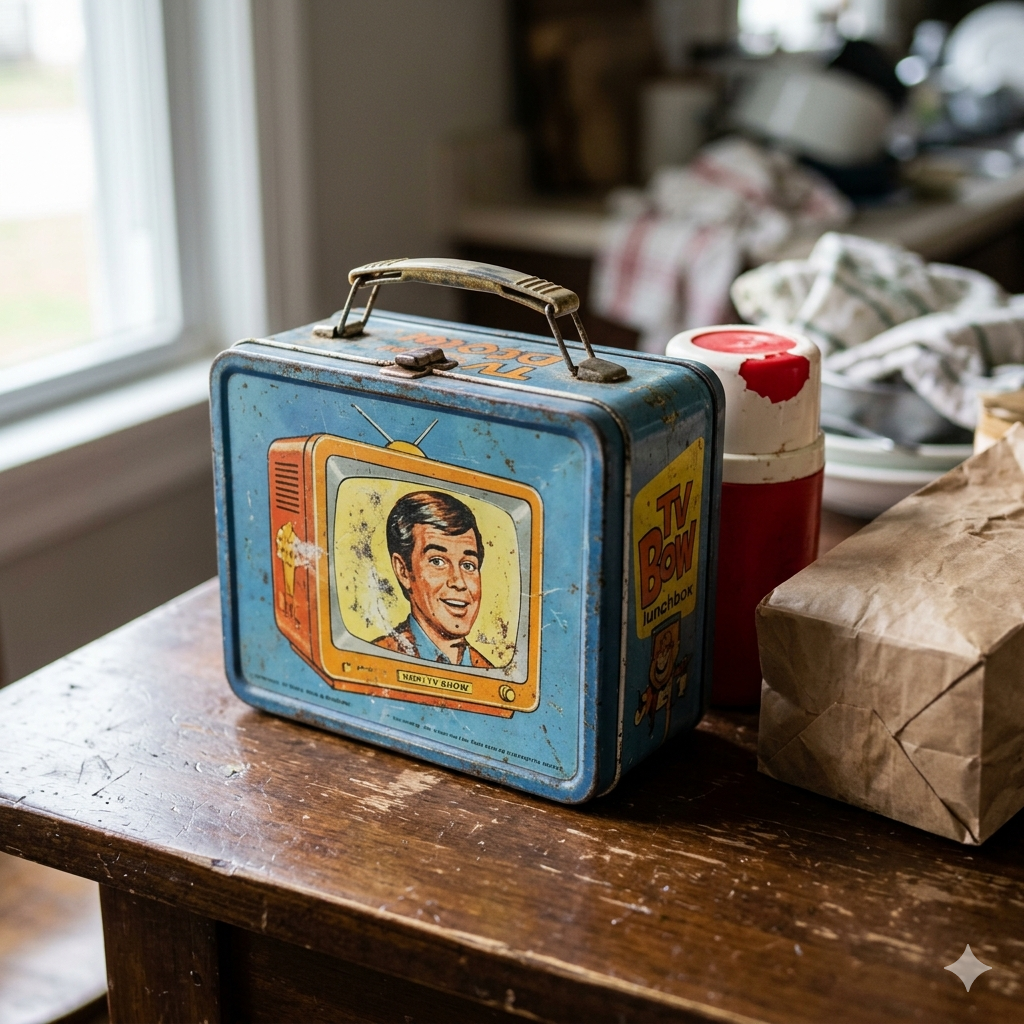
School cafeterias were filled with the loud clanging of colorful, tin carrying cases. These heavy-duty boxes featured bold prints of your favorite Saturday morning superheroes.
Inside, a matching thermos held your soup or milk securely in place. They were built to survive the roughest playground battles without a dent.
16. Wood-paneled station wagons
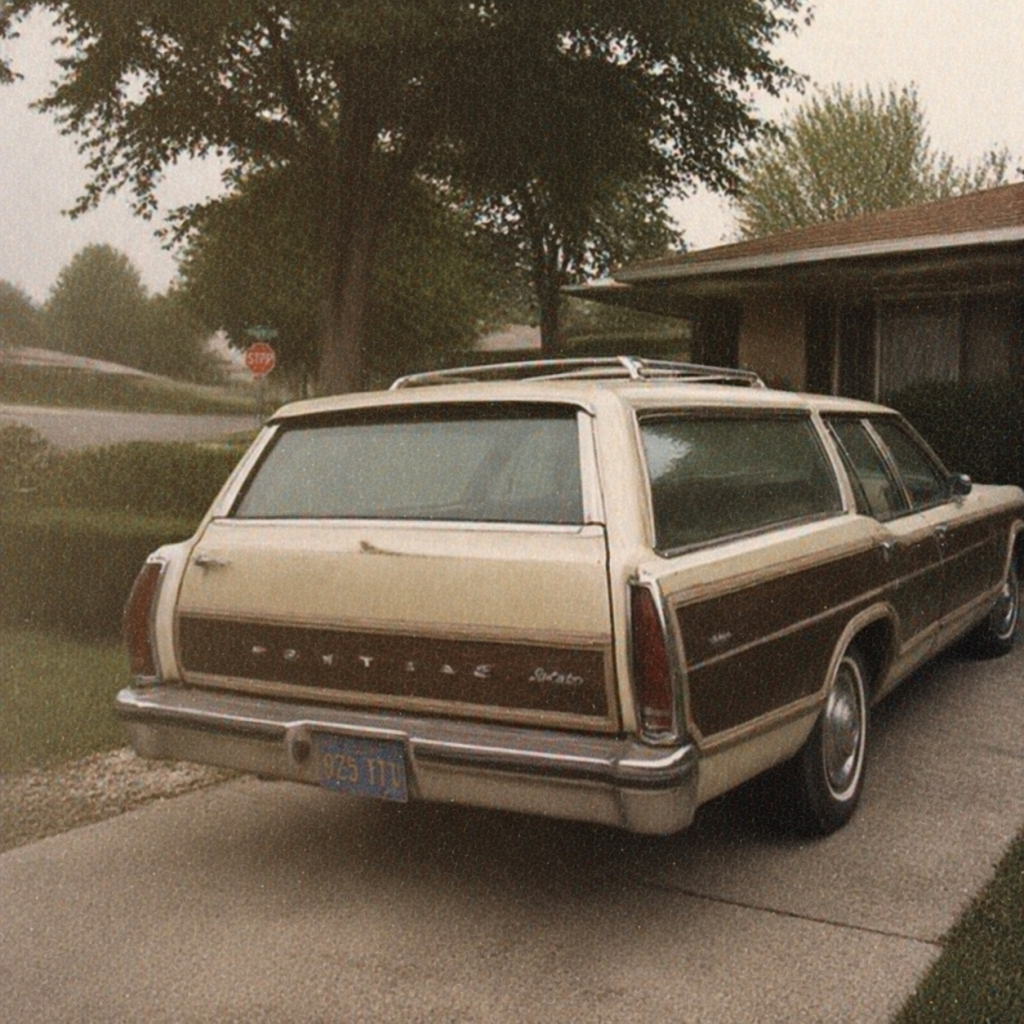
The ultimate family road trip machine featured distinctive “wood” decals along its long sides. These massive cruisers were designed to hold large families and all their luggage.
Kids would often sit in the rear-facing “way back” seat to wave at drivers. It was a glorious, vinyl-clad symbol of the suburban American dream.
15. Encyclopedia salesmen
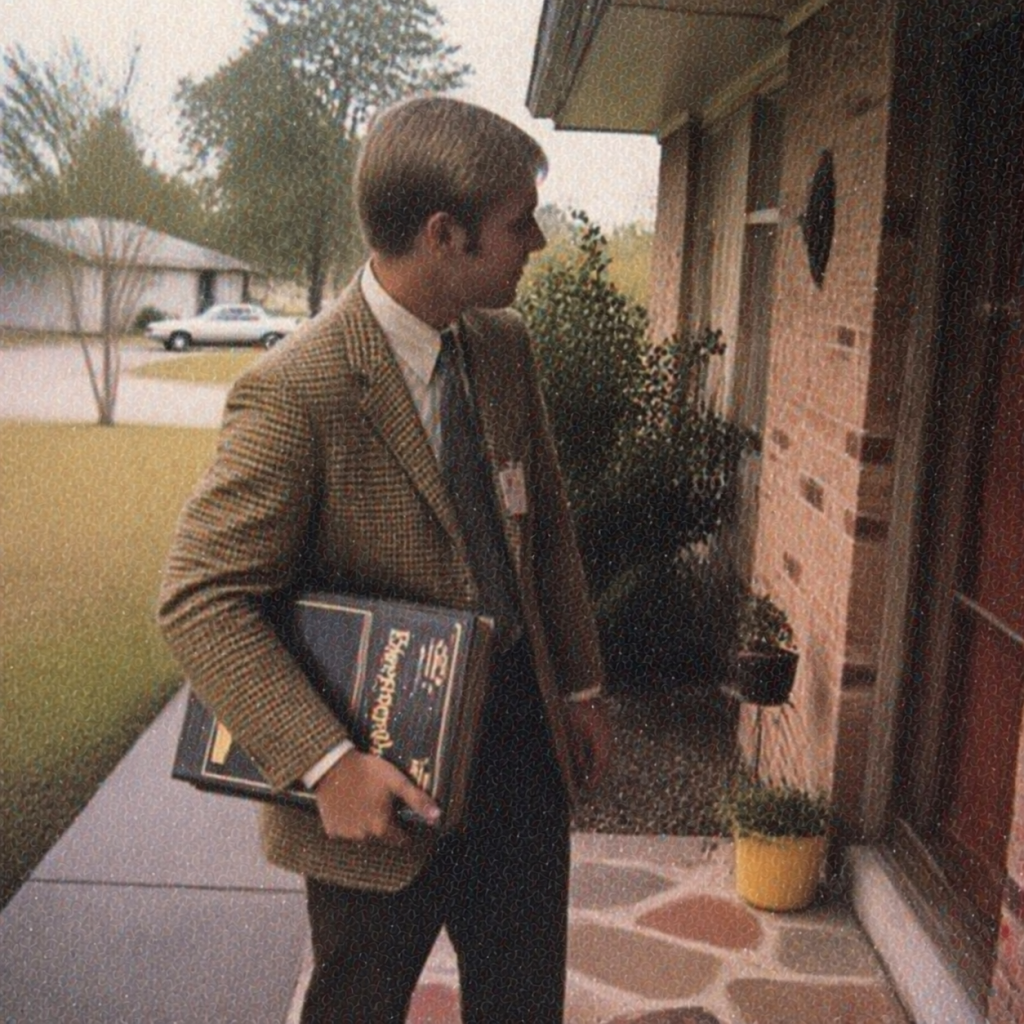
Before the internet, the world’s knowledge arrived at your front door in a briefcase. A salesman would pitch a leather-bound set of books that promised to make kids smarter.
Families often paid for these massive collections through monthly installment plans. Owning the “A” through “Z” volumes was a major point of pride.
14. TV sign-off at night
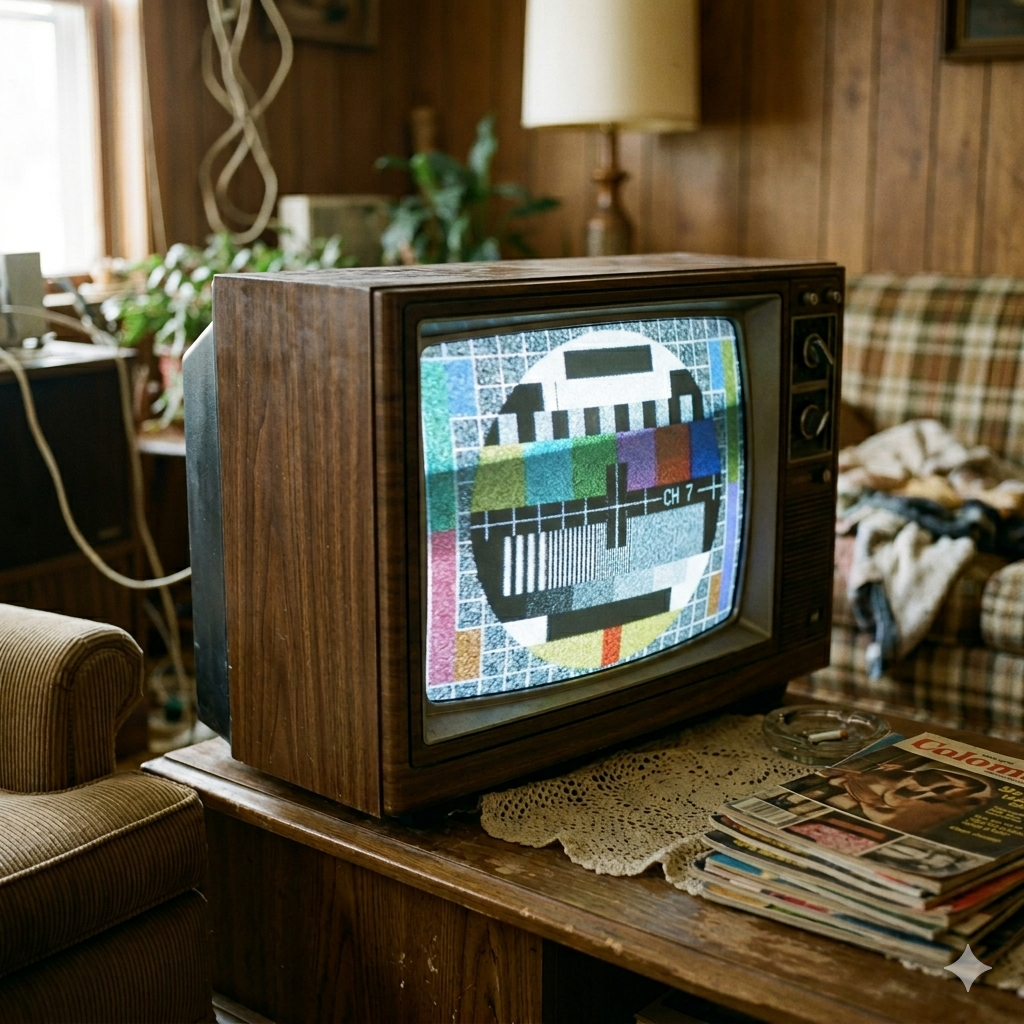
Television wasn’t a 24-hour cycle; it actually went to sleep when you did. Late at night, the national anthem would play over a waving flag image.
Then, a static-filled “test pattern” would hum on the screen until the morning. It was a quiet reminder that it was finally time for bed.
13. Home economics classes
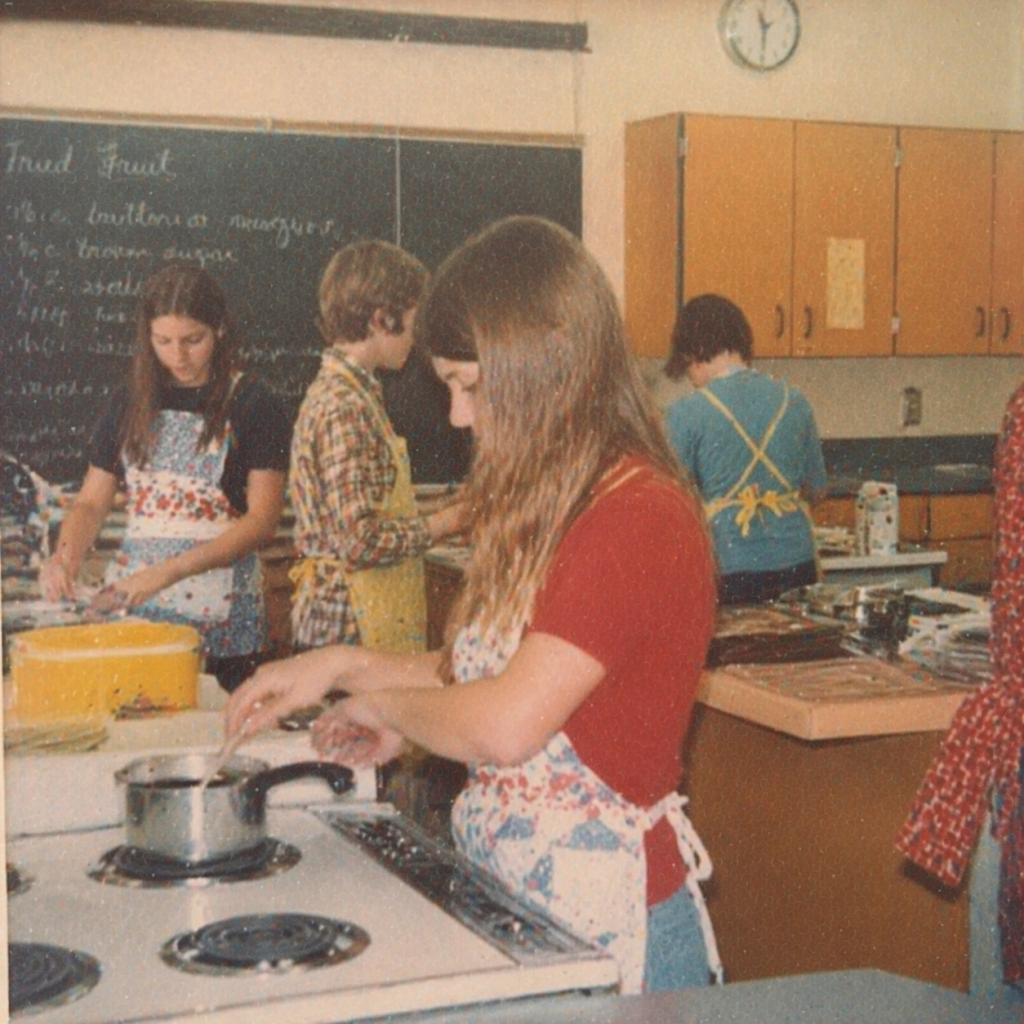
Schools once prioritized the practical arts of running an efficient and happy household. Students gathered around stoves to learn the basics of baking and balanced meals.
You also learned how to thread a needle and follow a clothing pattern. These classes prepared an entire generation for the realities of domestic life.
12. Shop class for everyone
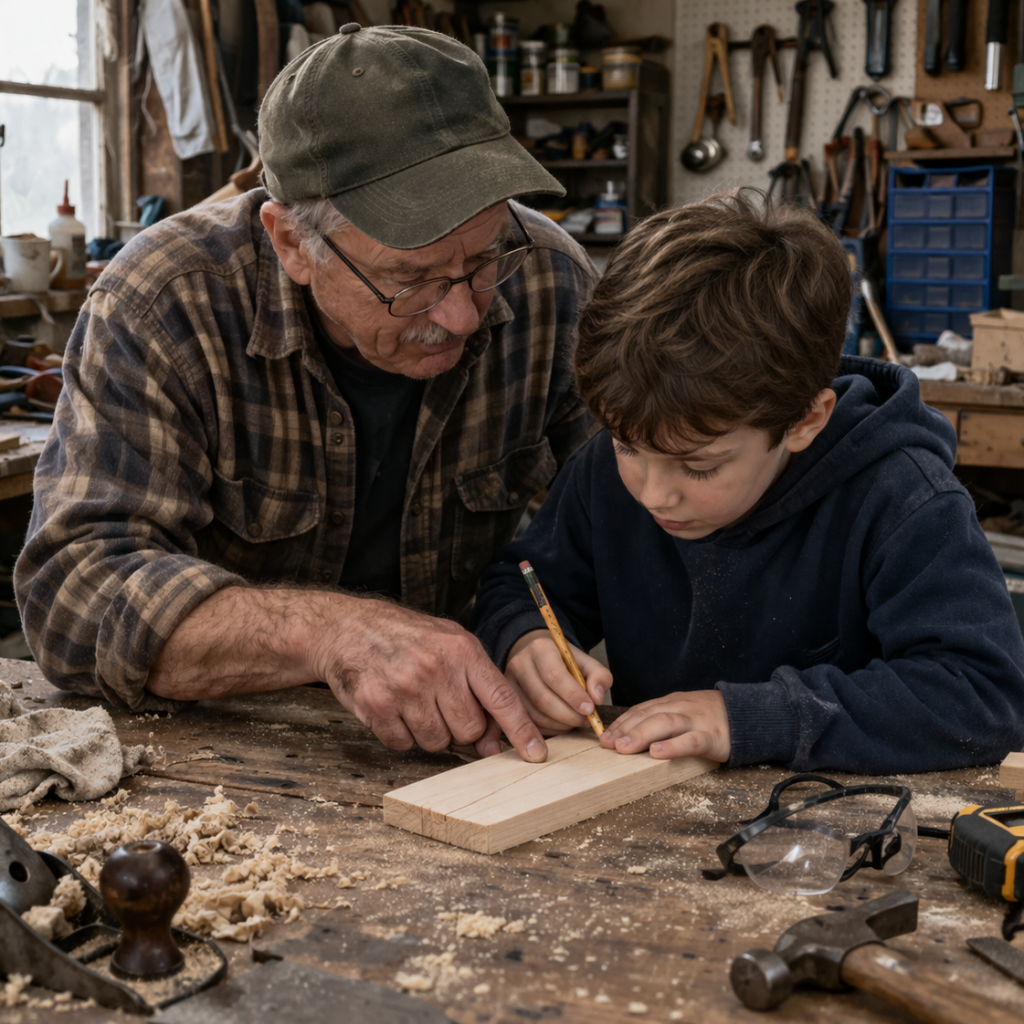
The smell of sawdust and engine oil was a staple of the high school experience. Everyone learned how to handle a jigsaw and change a spark plug.
You walked away with a handmade birdhouse or a refurbished metal tool. It instilled a sense of confidence in building and fixing things by hand.
11. Sewing your own clothes
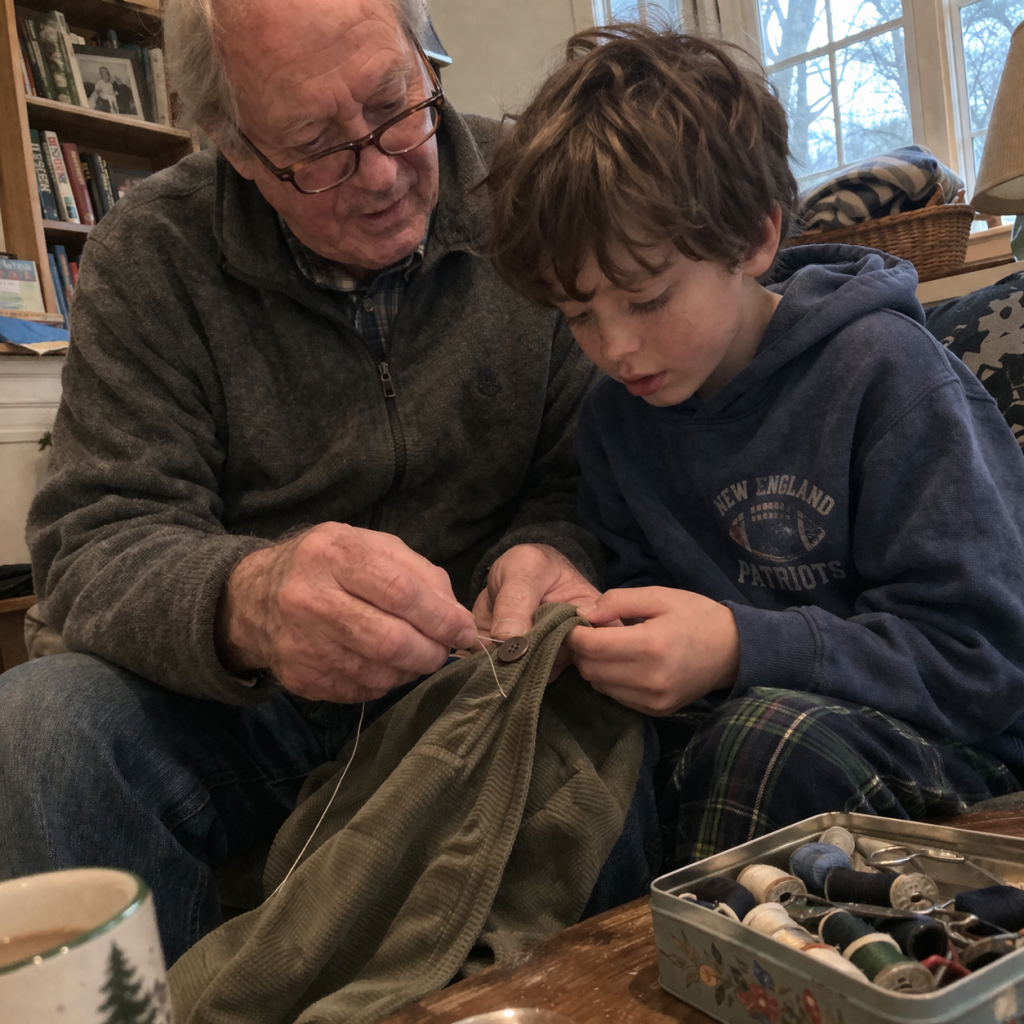
Staying stylish didn’t always mean a trip to the mall; it often meant a trip to the fabric store. Patterns from Simplicity or Butterick guided the creation of many school outfits.
Moms would spend hours at the kitchen table hunched over a sewing machine. It was a normal, creative way to save money and stay unique.
10. Repairing instead of replacing
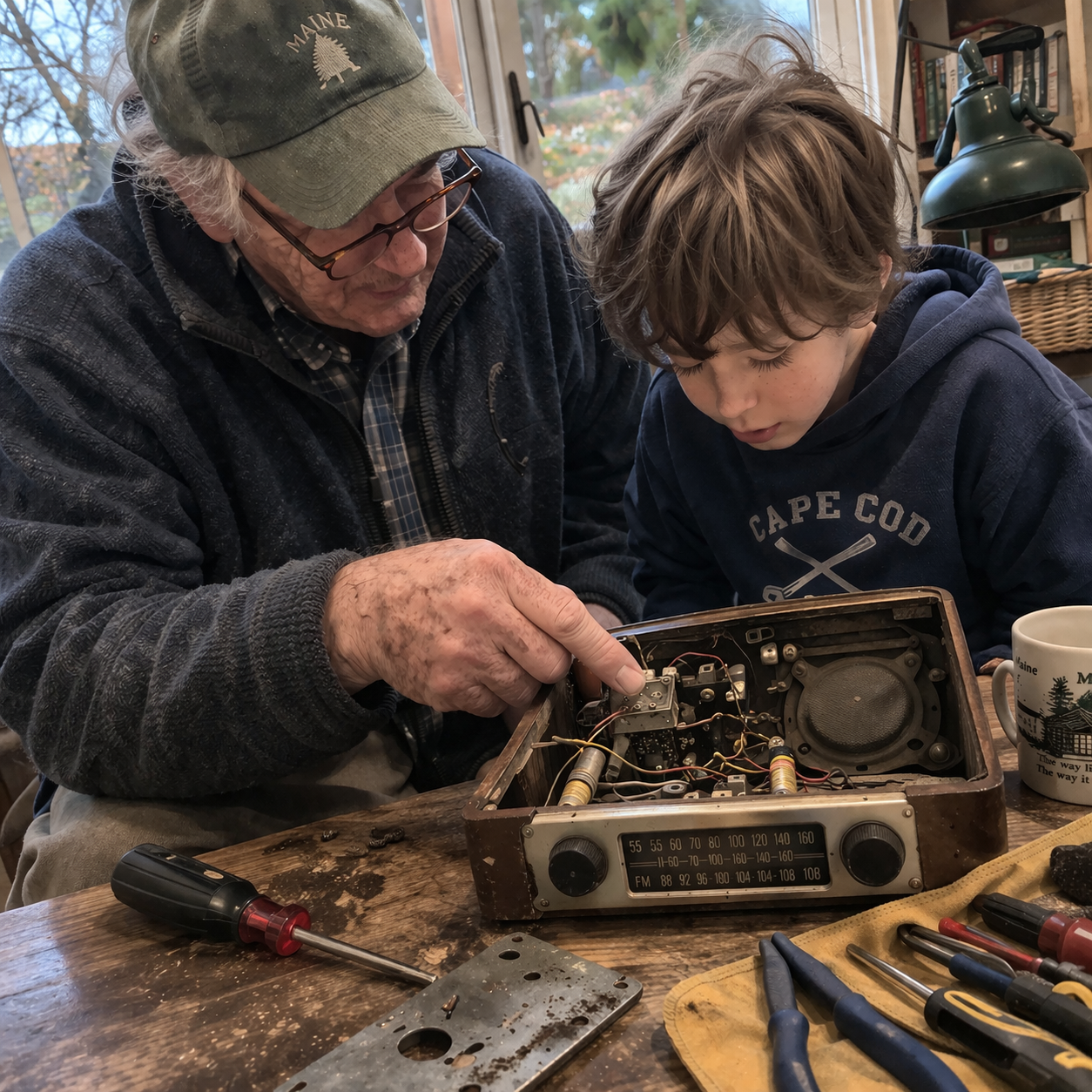
When a toaster broke or a shoe sole thinned, you didn’t throw it away. You took it to a local repair shop or fixed it yourself.
Appliances were built with heavy parts that were actually meant to be serviced. We valued longevity over the convenience of modern, disposable plastic goods.
9. Corner candy stores
Small, independent shops were the heartbeat of every neighborhood and a magnet for kids. You could walk in with a few pennies and leave with a paper bag of treats.
The glass counters were filled with everything from wax lips to licorice ropes. It was a place where the shopkeeper knew every child’s name.
8. Paper maps for every trip
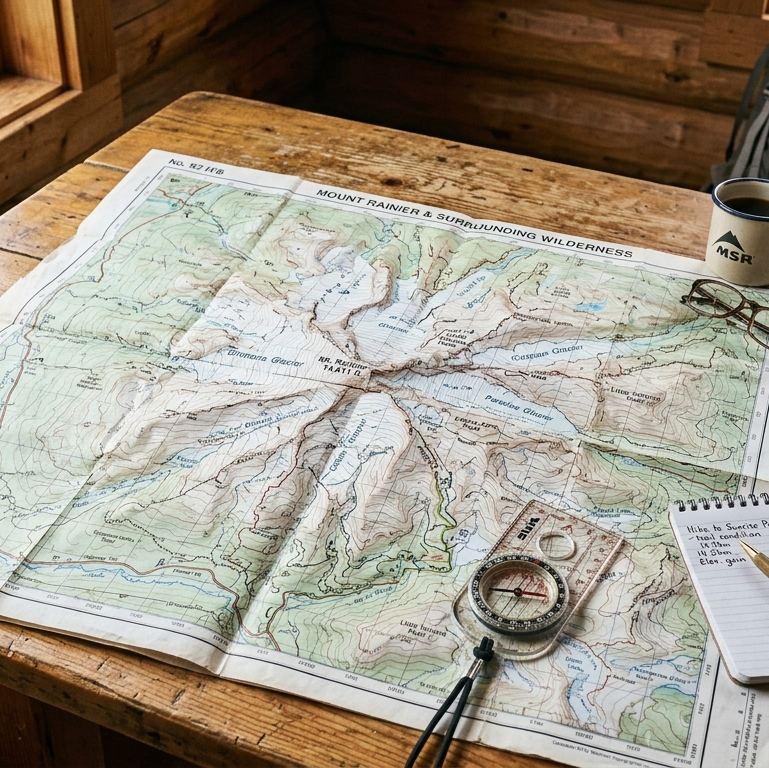
Navigating a cross-country journey required a massive, folding sheet of paper from the gas station. You had to master the “accordion fold” to keep the car organized.
Arguments often broke out over which exit to take while squinting at tiny lines. There was no GPS voice to redirect you if you took a wrong turn.
7. Neighborhood curfews enforced by parents
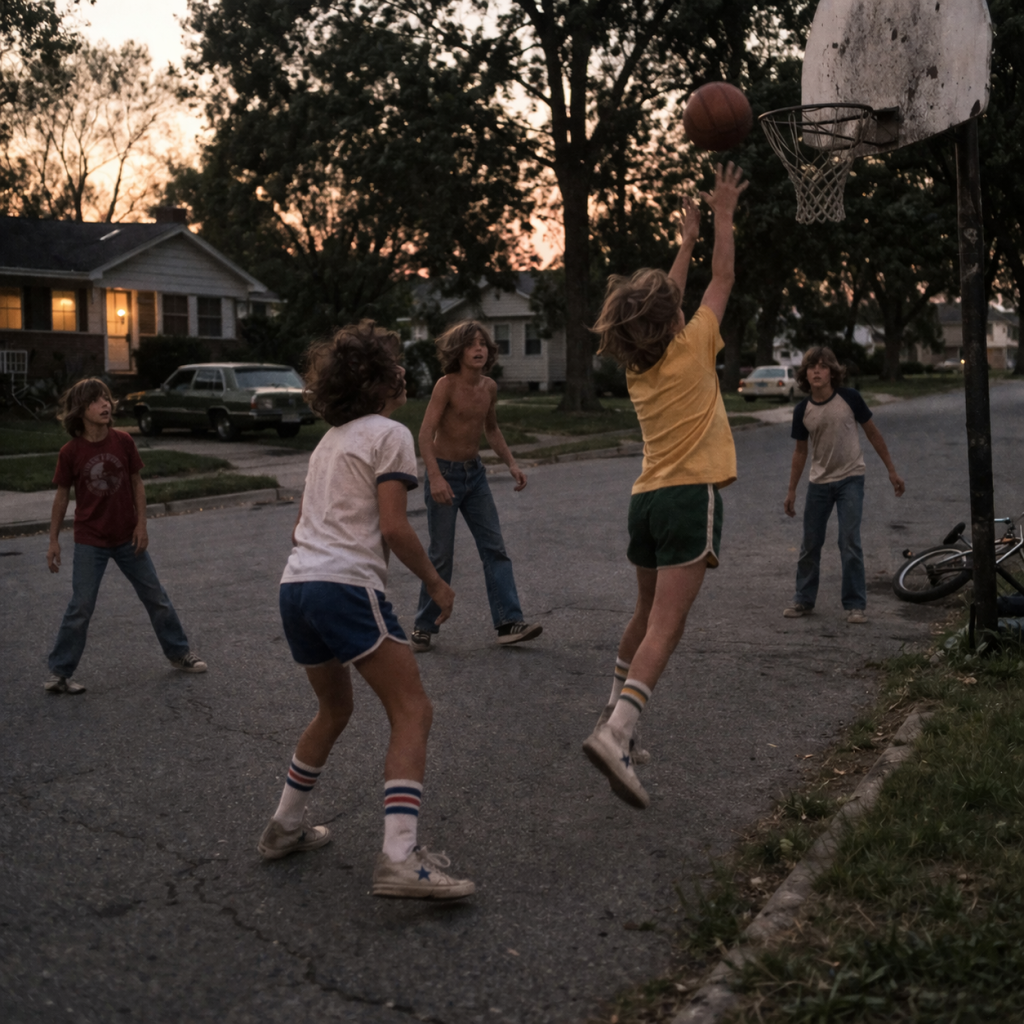
Parental supervision was far less formal but much more strictly timed than today. You were free to roam blocks away as long as you followed one rule.
Once the streetlights flickered on, you had to be back on your porch. The glow of the lamps was the universal signal that playtime was over.
6. Saturday morning cartoons
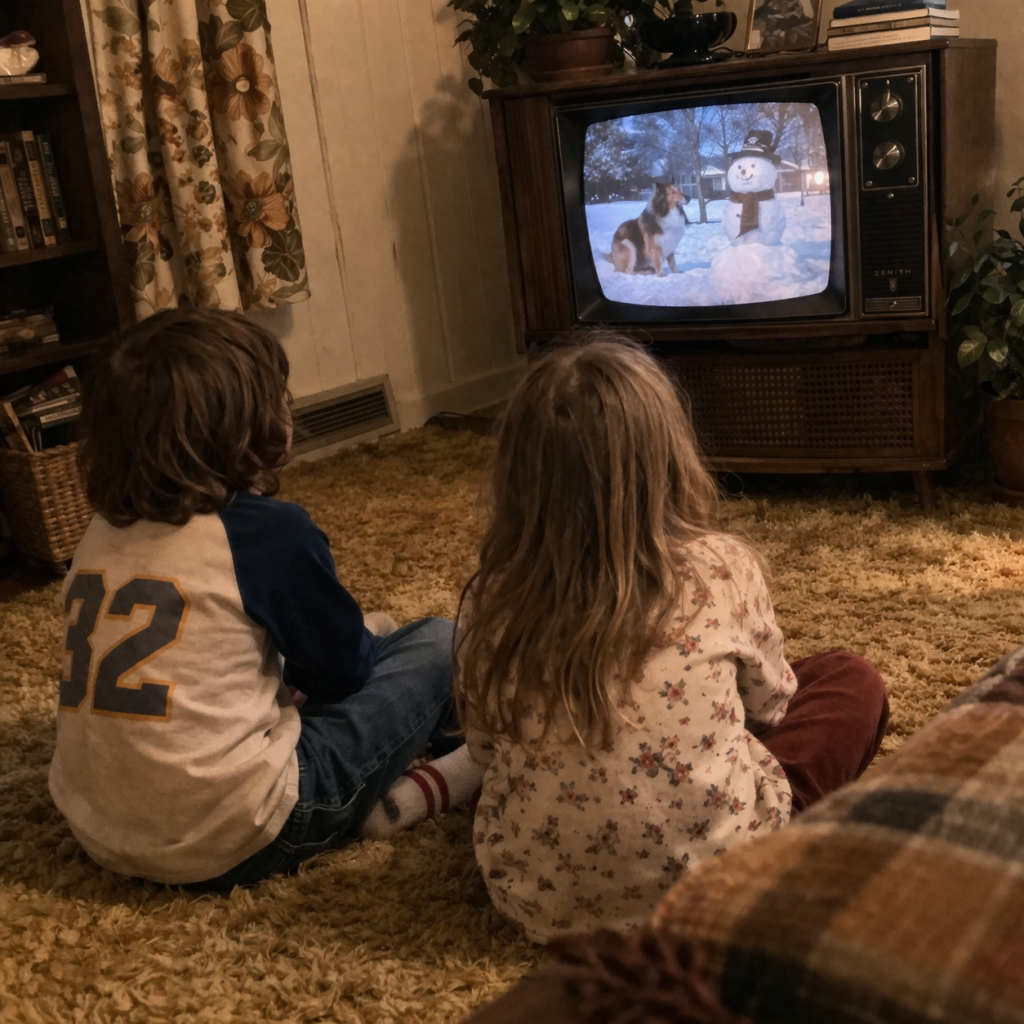
Cartoons were a precious commodity reserved for one specific window of time each week. You woke up early, grabbed a bowl of cereal, and parked on the rug.
There was no “on-demand” viewing; if you missed an episode, it was gone. This shared experience gave every kid something to talk about on Monday.
5. Roller rinks as social hubs
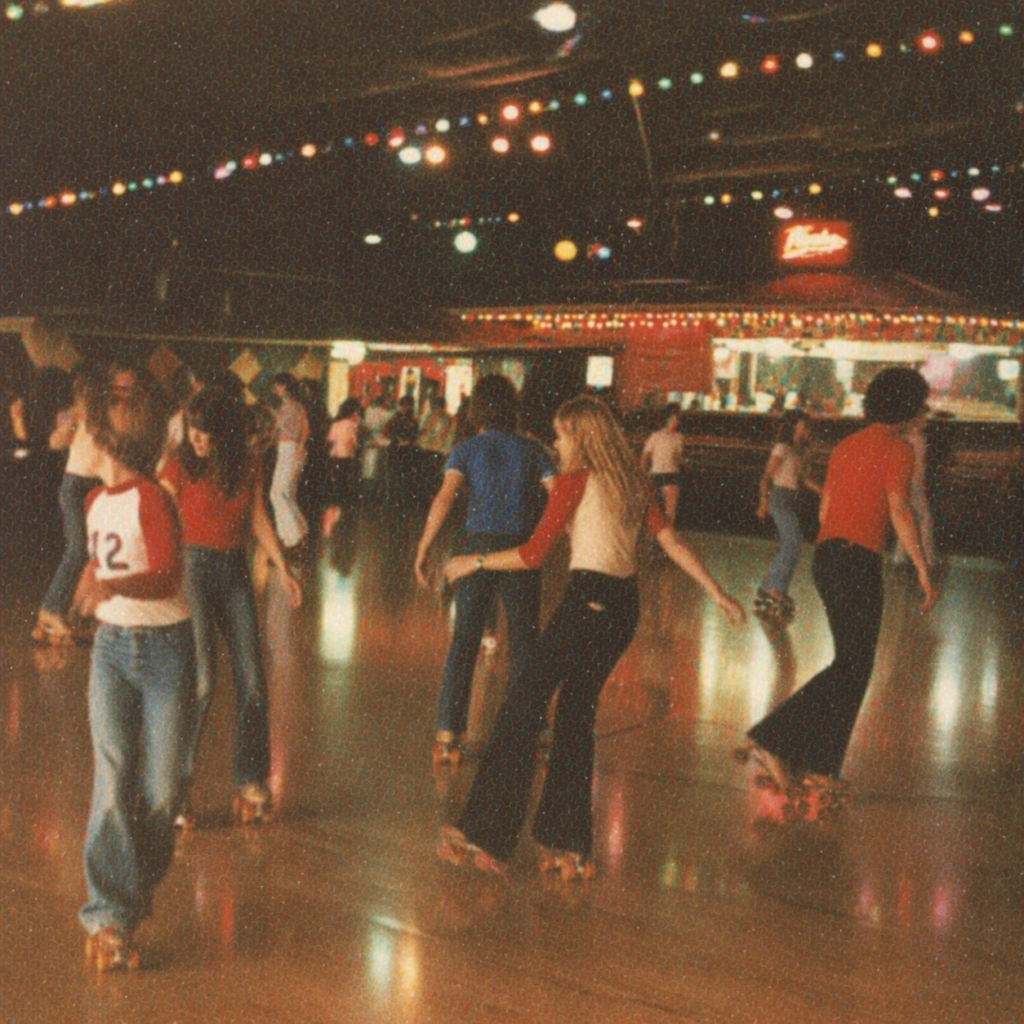
The local rink was the place to see and be seen on a Saturday night. You’d lace up your skates and glide under the spinning disco ball lights.
Couples would hold hands during the “all-skate” while pop hits blared from speakers. It was a high-energy world of hardwood floors and brown rental boots.
4. Handwritten letters as the norm
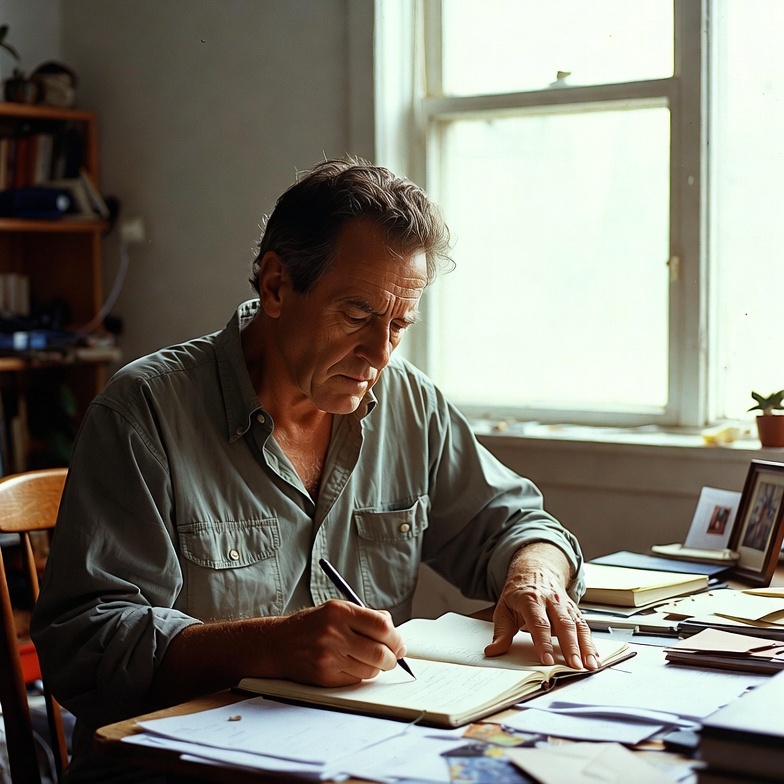
Communication was an art form that involved ink, paper, and a stamp. You would wait days for the mailman to deliver a response from a friend.
Finding a long letter in the mailbox felt like receiving a personal gift. People kept these notes in shoeboxes to reread for years to come.
3. Film cameras with limited shots
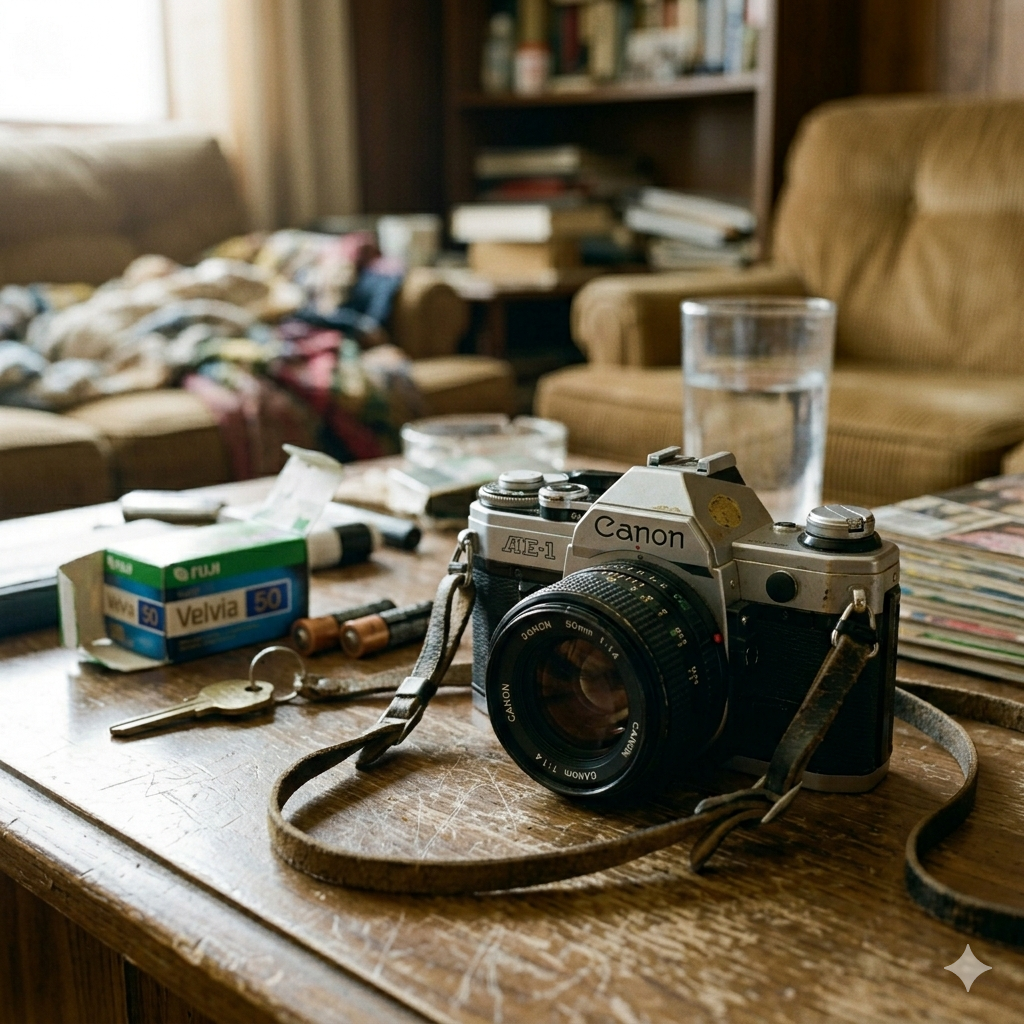
Taking a photo was a high-stakes gamble that required careful thought and lighting. You usually only had 24 or 36 exposures on a single roll of film.
You couldn’t see the results until the pictures were developed a week later. Every blurry shot was a permanent part of your physical photo album.
2. TV antennas (“rabbit ears”)
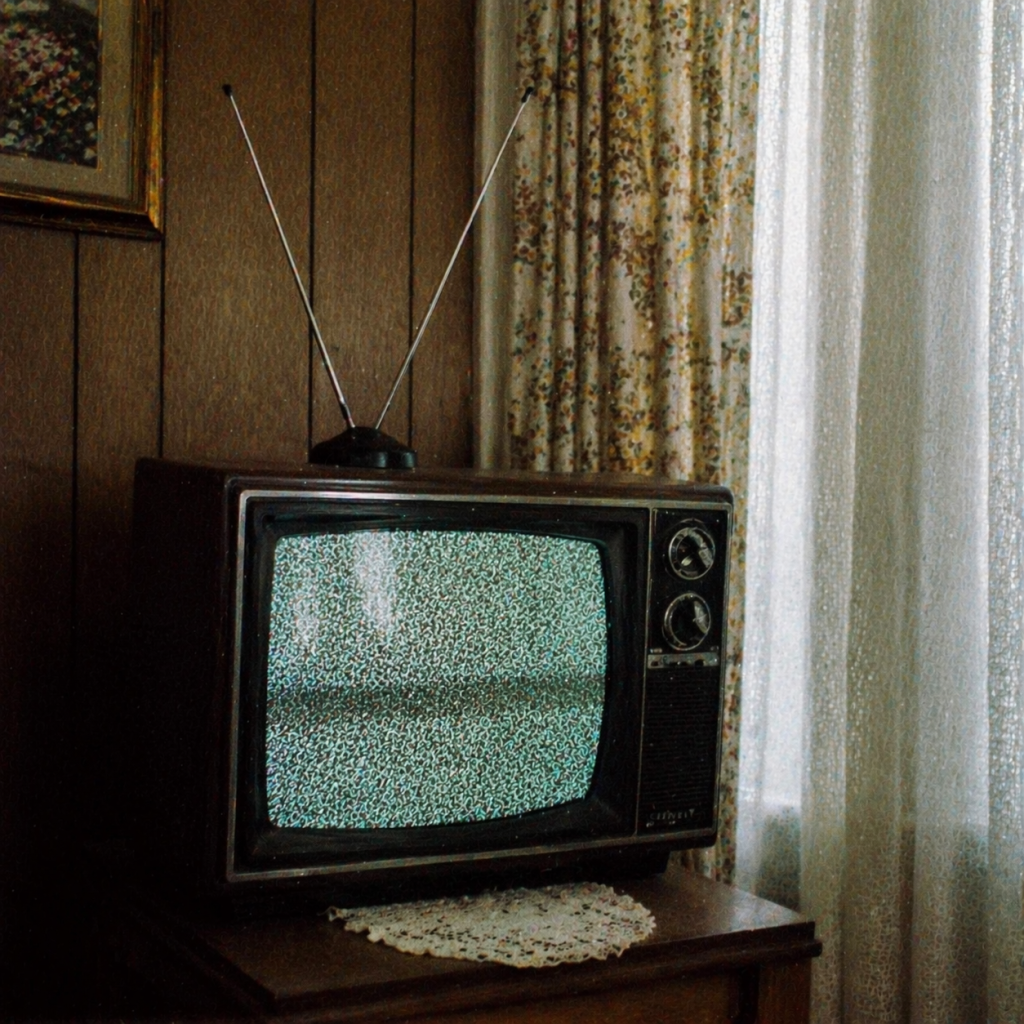
Getting a clear signal often required a delicate dance with the metal rods on top of the TV. You would wrap them in aluminum foil to boost the reception.
Sometimes one person had to hold the antenna while the other shouted instructions. It was a constant battle against “snow” and ghosting on the screen.
1. Local diners as daily hangouts
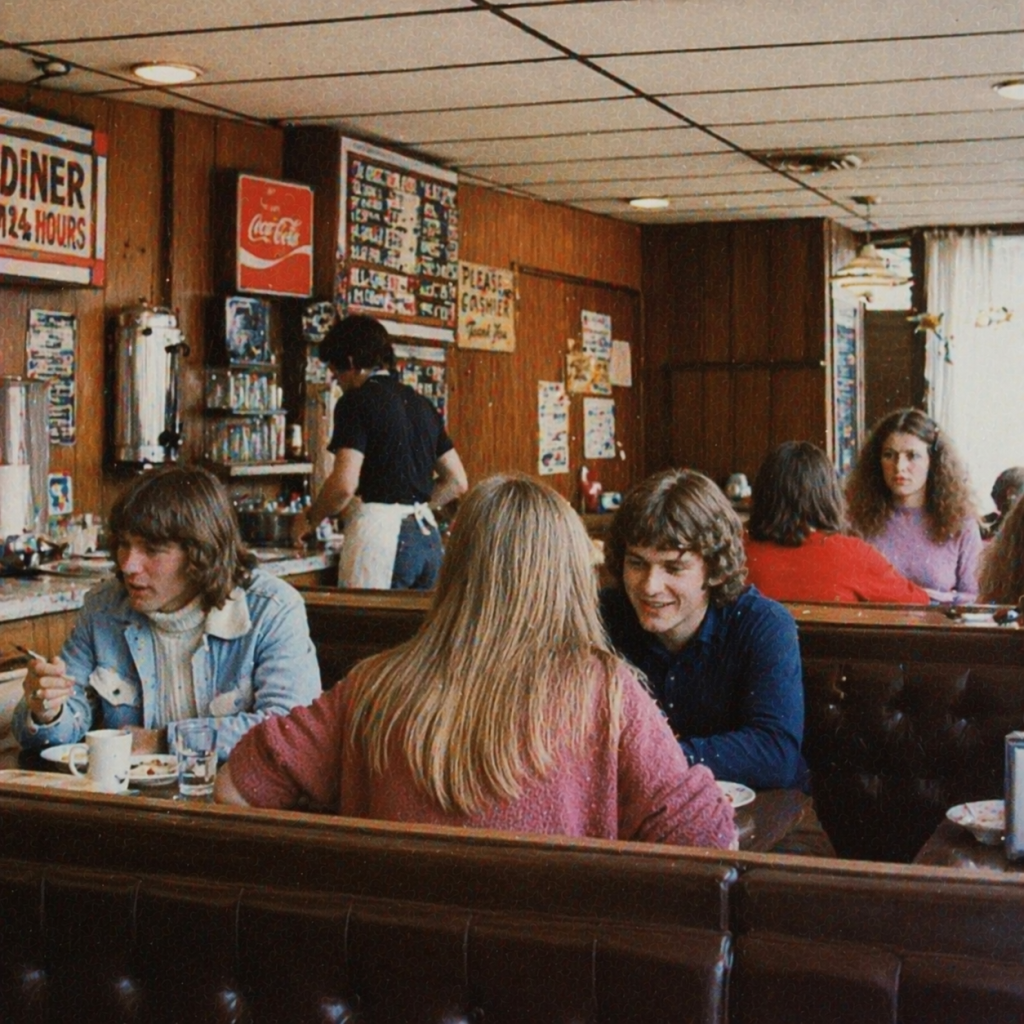
Before large coffee chains arrived, the local diner was the town’s social anchor. You could sit at the counter for hours with a single cup of coffee.
The waitresses knew your regular order and the local gossip by heart. It was a warm, welcoming space where the community truly felt like family.
Charles Jacobs