

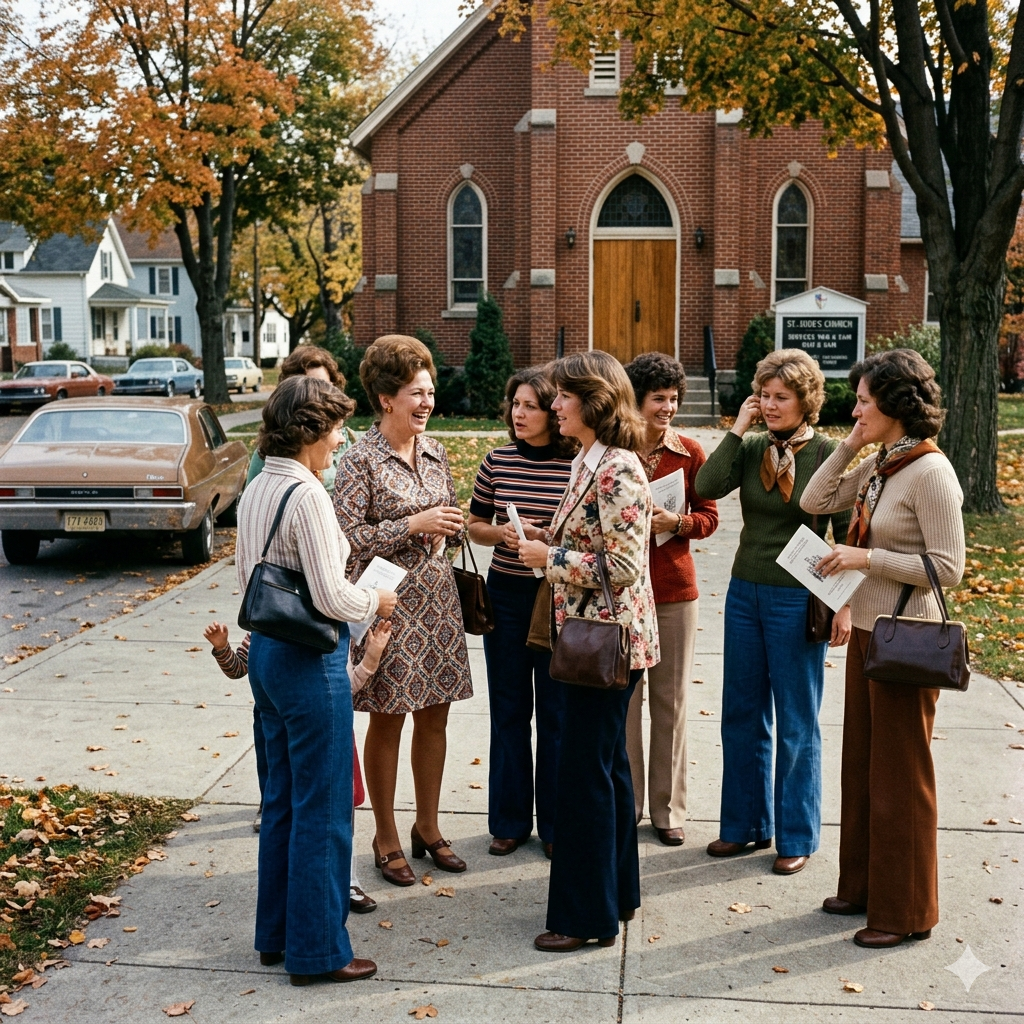
Back in our times, faith wasn’t just a Sunday morning activity. It was the quiet thread woven through the very fabric of our neighborhoods.
We lived with a shared understanding of what it meant to be a good neighbor and a faithful friend.
While the world has certainly changed, looking back at those decades reveals a beautiful tapestry of devotion and character.
Let’s take a nostalgic trip down memory lane to remember the values that once defined the American home.
33. Saying grace before meals as a moment of gratitude
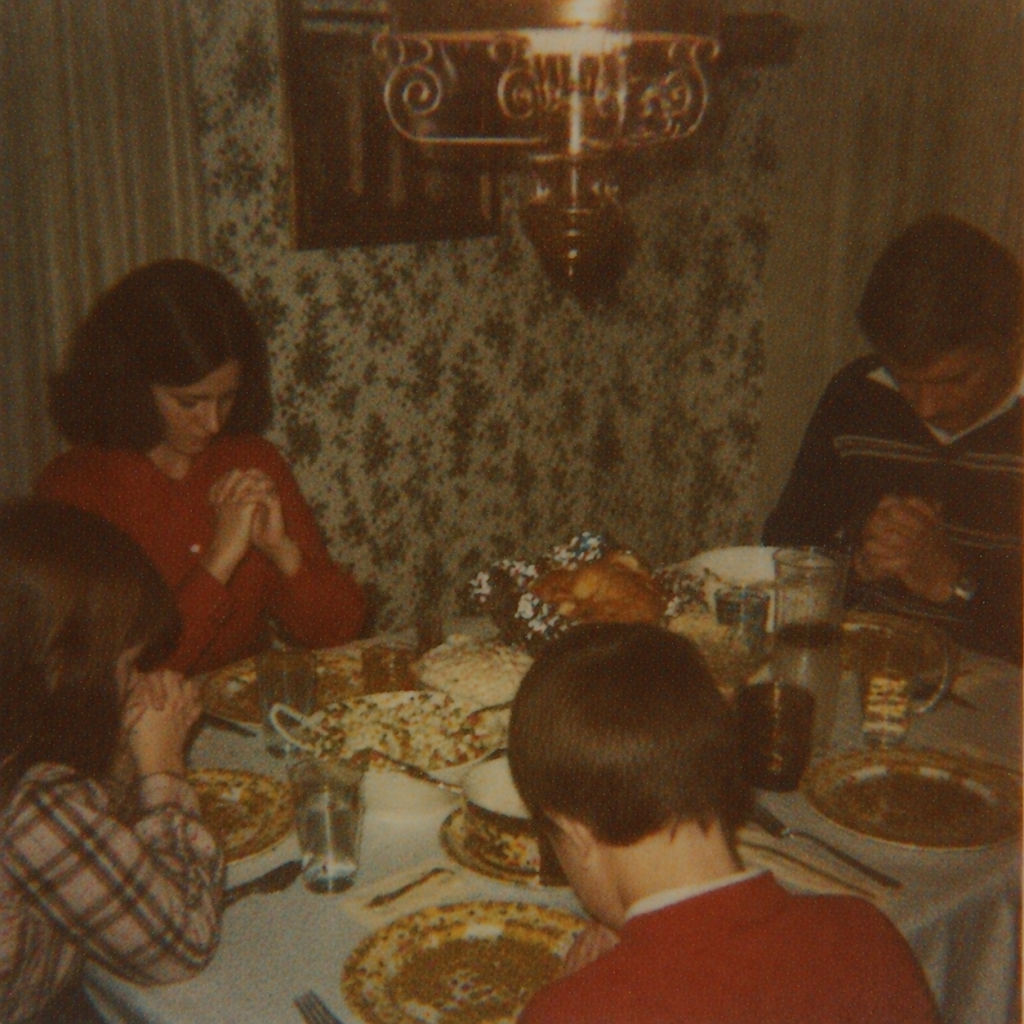
Dinner didn’t start until everyone was seated and heads were bowed in quiet reverence. We paused to acknowledge that the food on our plates was a gift from above.
It was a simple ritual that grounded the family before the evening rush began. This moment of collective silence turned a mundane meal into a sacred gathering.
Gratitude was the seasoning that made every dish taste just a little bit better. We learned early on that nothing we had was strictly by our own doing.
32. Treating Sunday as a slower, more reflective day
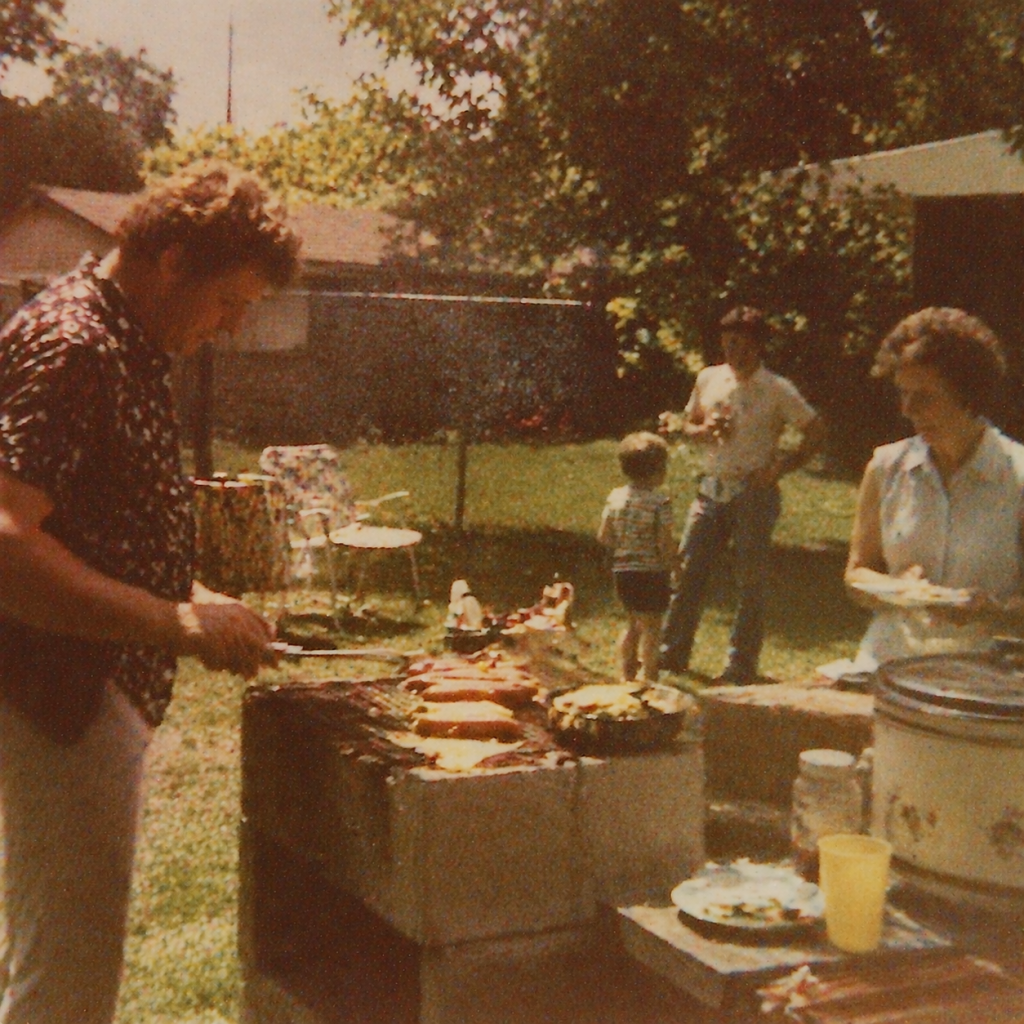
Sundays were distinct from the rest of the week, marked by a slower, intentional pace. The shops were closed, and the frantic energy of productivity finally took a backseat.
Families spent the afternoon together, perhaps sharing a pot roast or taking a long walk. It was a day designed for the soul to catch up with the body.
The world felt quieter, allowing space for prayer and much-needed rest for the weary. We honored the Sabbath not as a chore, but as a restorative blessing.
31. Attending church regularly as a shared routine
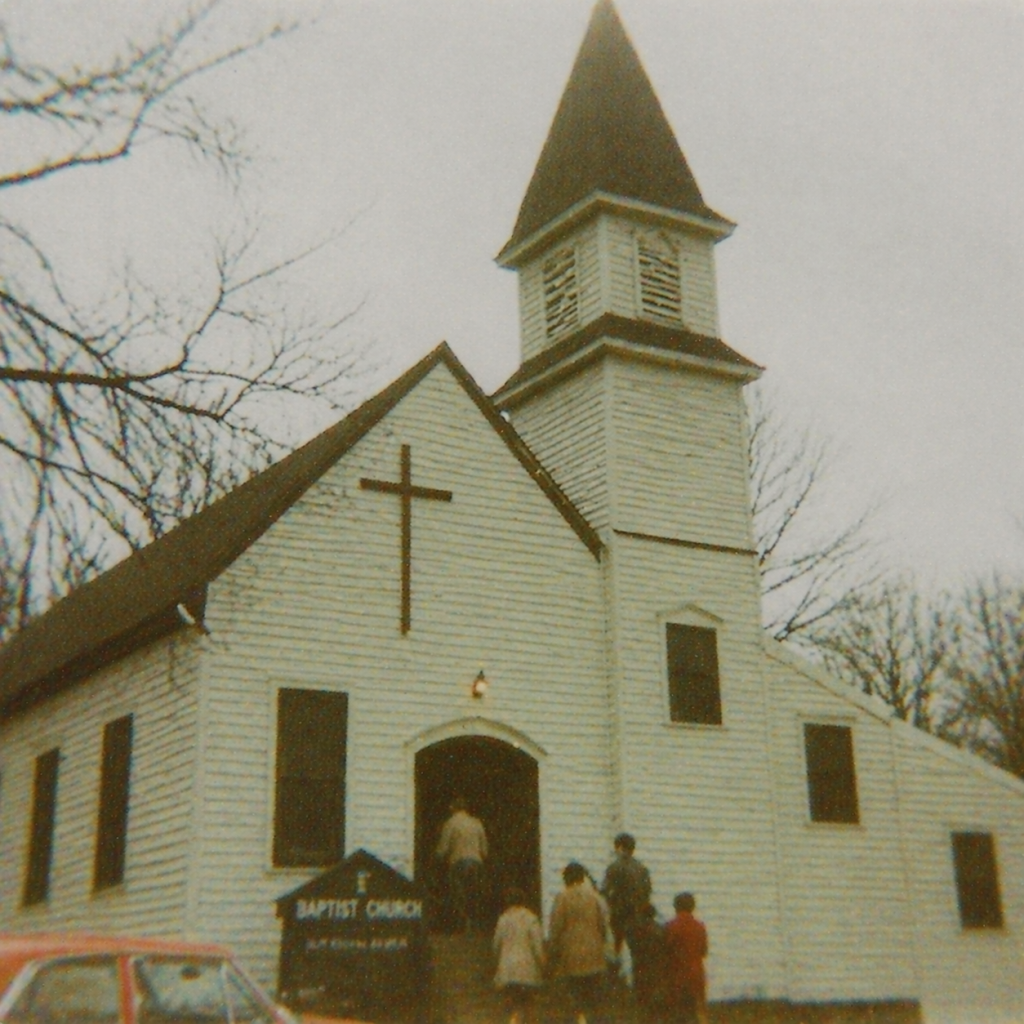
Getting dressed in our Sunday best was a rhythm that defined the start of every week. You didn’t need an invitation; you just knew where everyone else was going to be.
The sanctuary was a place of familiar faces and shared songs that echoed through the rafters. It provided a steady heartbeat for the community, regardless of what the headlines said.
Faith was a public commitment, a weekly promise to show up for God and each other. We grew up in those pews, marking the seasons of our lives together.
30. Looking to pastors for guidance during tough times
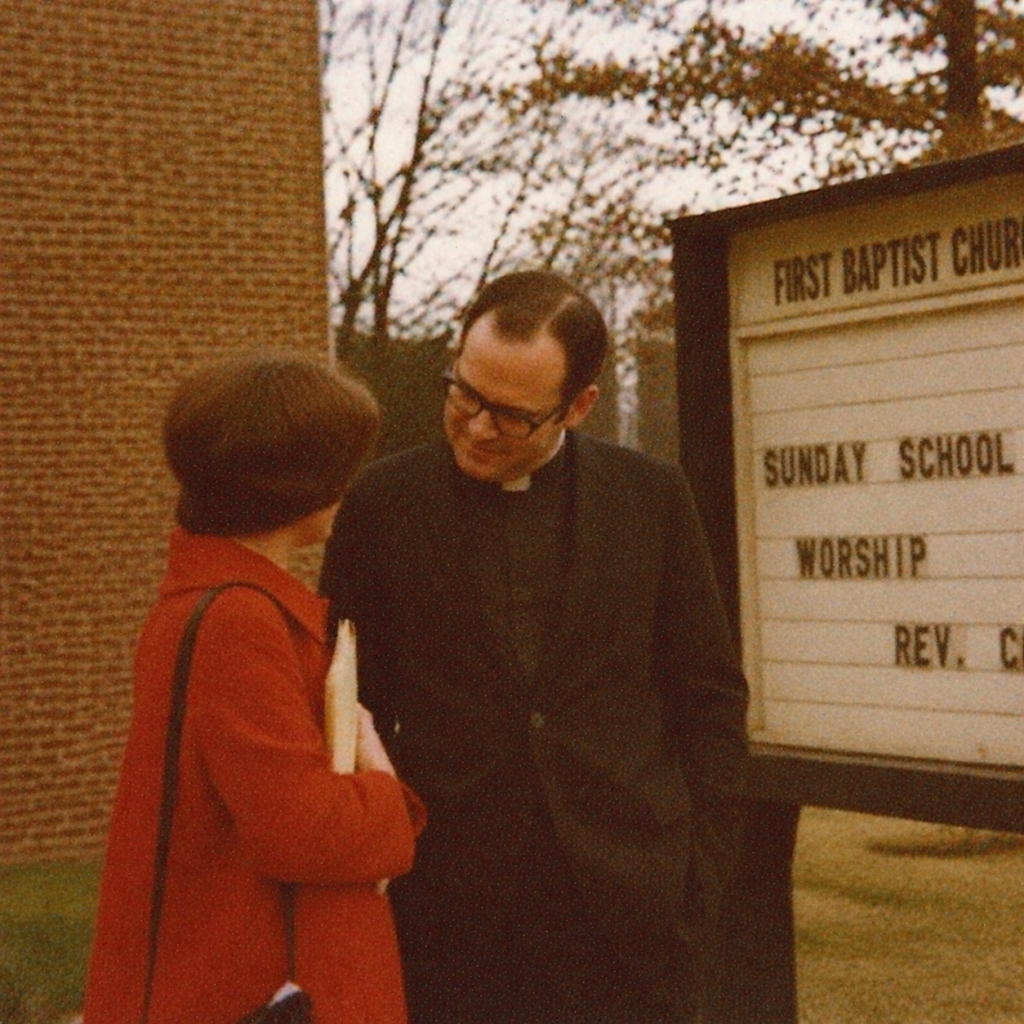
When a family hit a rough patch, the first person they called was often their local minister. The pastor was a steady anchor, offering wisdom that was rooted in something timeless.
They weren’t just speakers; they were counselors who knew your name and your family’s history. Their front door was always open for a heavy heart or a seeking soul.
We trusted their discernment to help navigate the complicated crossroads of life and loss. Faith and community leadership went hand-in-hand to keep the neighborhood strong and resilient.
29. Centering Christmas around faith, not just gifts
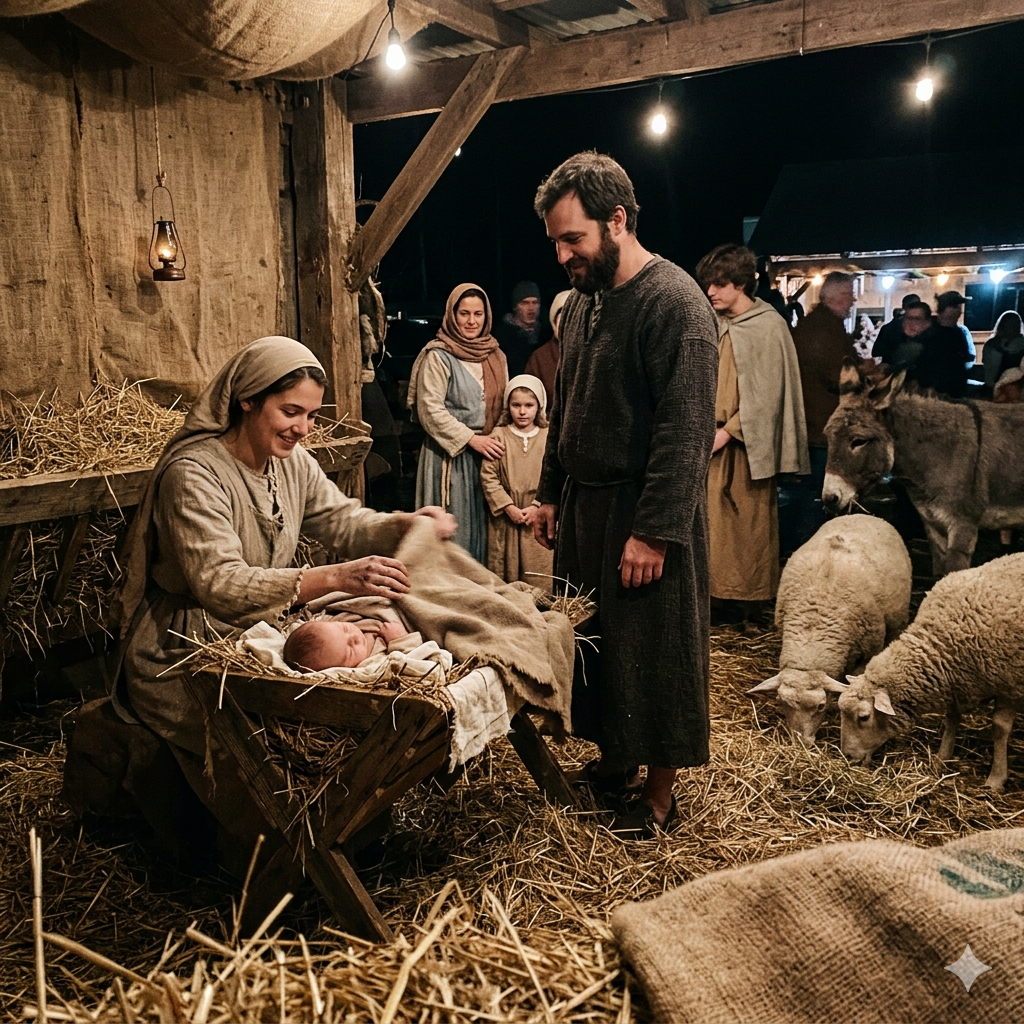
The holiday season felt less like a shopping marathon and more like a hushed anticipation. We focused on the miracle of the manger long before we looked under the tree.
Nativity scenes held the place of honor on the mantle, reminding us why we celebrated. The story of a humble birth took precedence over the latest gadgets or trends.
Gifts were a reflection of the ultimate gift, kept in their proper, secondary place. It was a season of light and wonder that pointed directly toward the heavens.
28. Attending Christmas Eve or Christmas morning services
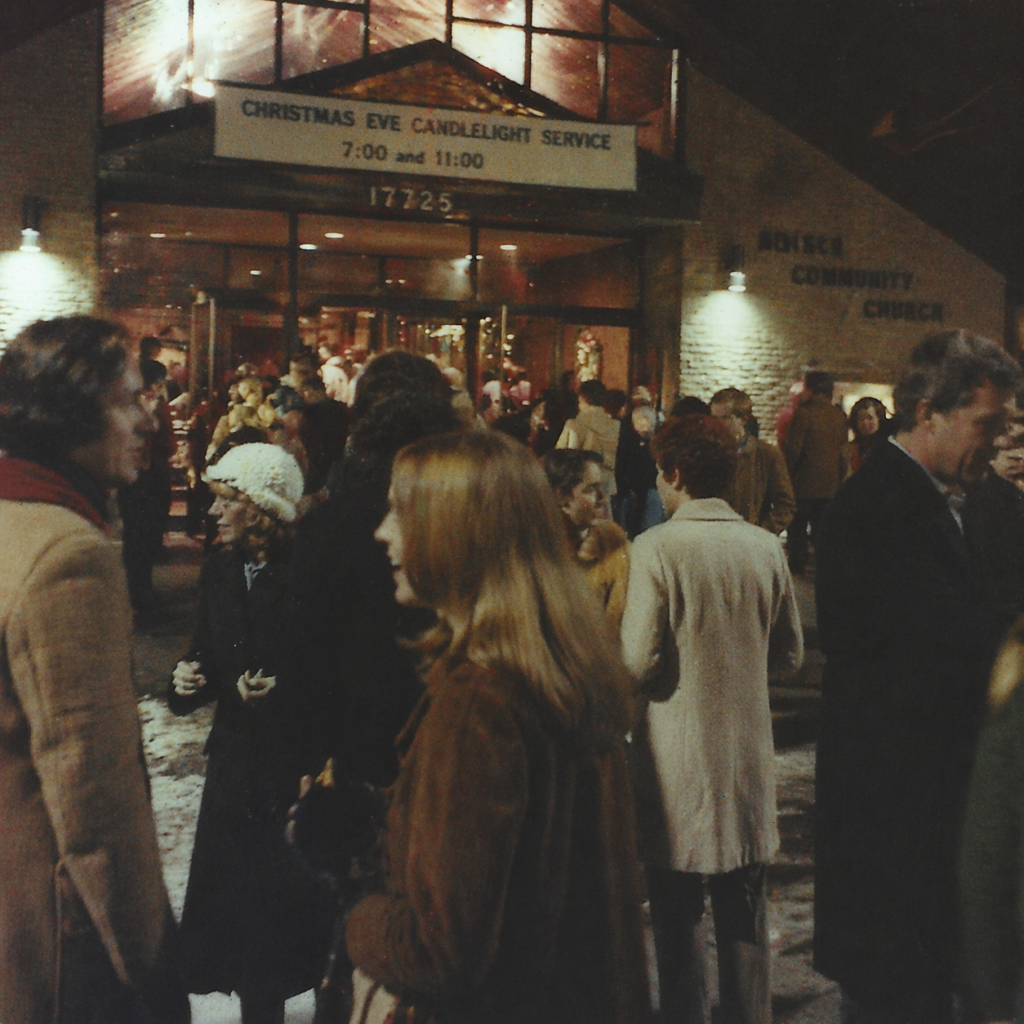
Candlelight services were the breathtaking highlight of the entire year for many American families. We gathered in the cold night air to sing “Silent Night” by the glow of wax.
Stepping into the warm church felt like coming home to a story that never grew old. Even the children sat still, mesmerized by the flickering lights and the ancient words.
It was a non-negotiable tradition that anchored our celebrations in the reality of the Gospel. We left those services with hearts full of peace and a renewed sense of hope.
27. Singing traditional Christmas hymns at home or church
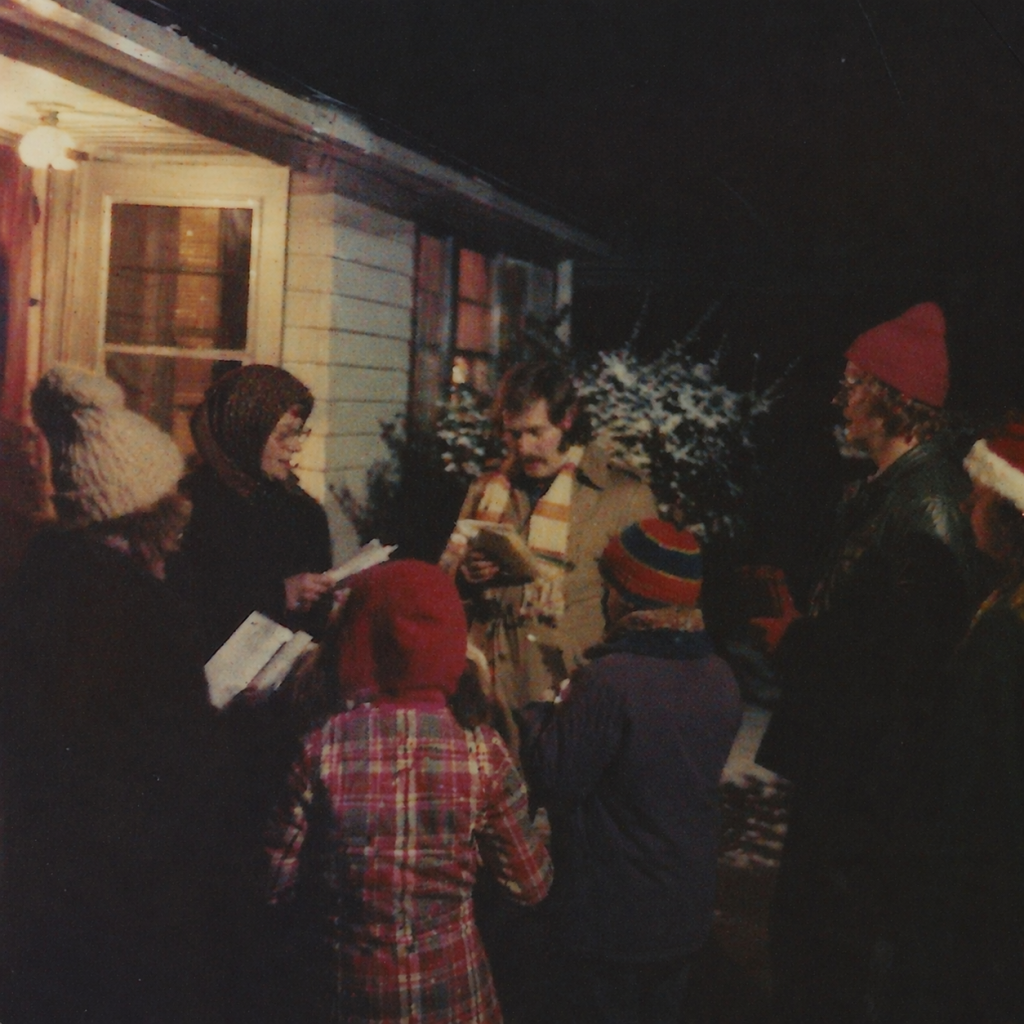
The radio played the classics, but the real magic happened when we sang the hymns ourselves. “O Holy Night” and “Hark! The Herald Angels Sing” were etched into our very souls.
We didn’t need a screen to follow along because the lyrics lived deep within our hearts. Music was a way to proclaim our faith with every note and every breath.
Harmony wasn’t just about the music; it was about the voices of generations blending together. These songs carried the weight of history and the joy of the present moment.
26. Teaching children clear values rooted in faith
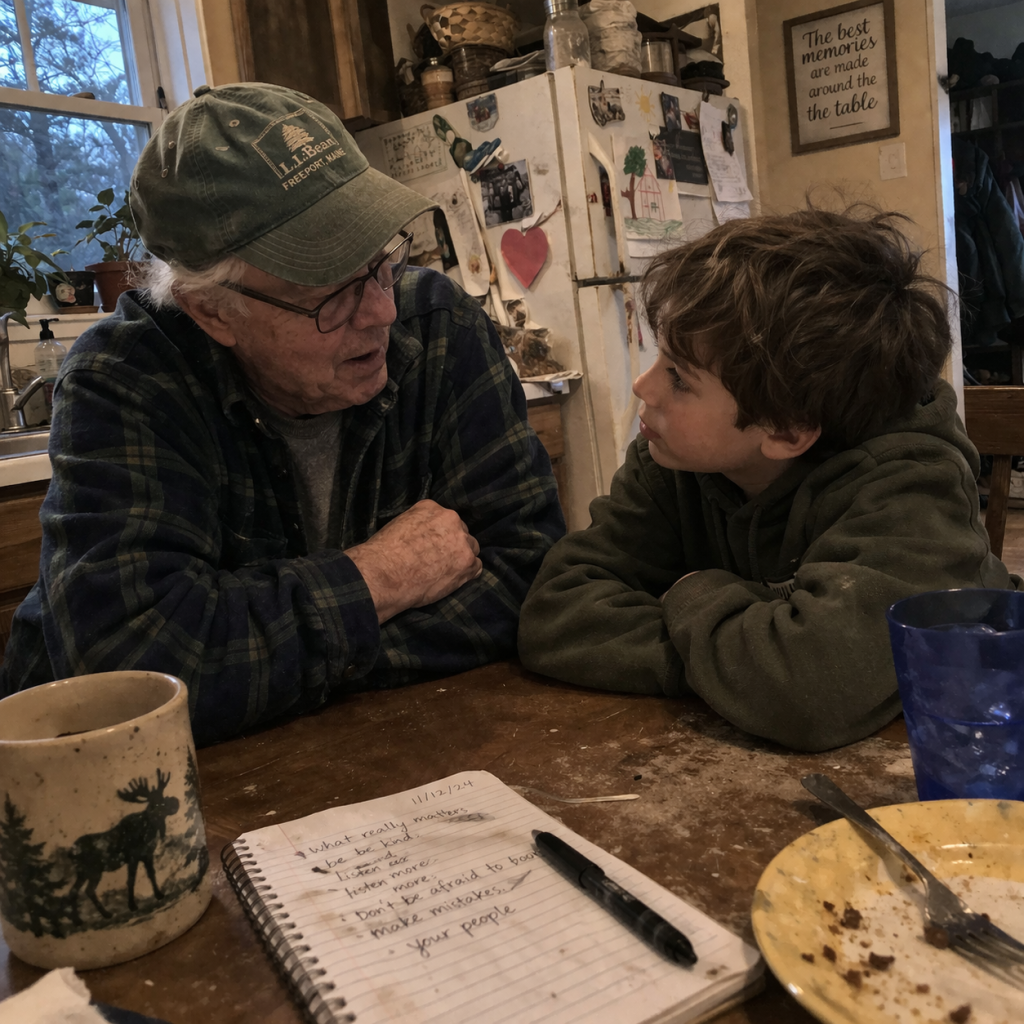
Parents believed that character was built on the solid foundation of spiritual truth and discipline. We were taught that right and wrong weren’t suggestions, but clear, divinely inspired paths.
Lessons on kindness, honesty, and respect were reinforced with stories from the Good Book. Children were raised to understand they were part of a much larger moral story.
Faith wasn’t hidden away; it was the primary lens through which we viewed the world. We grew up knowing that our choices mattered to God and to our community.
25. Turning to prayer before making big decisions
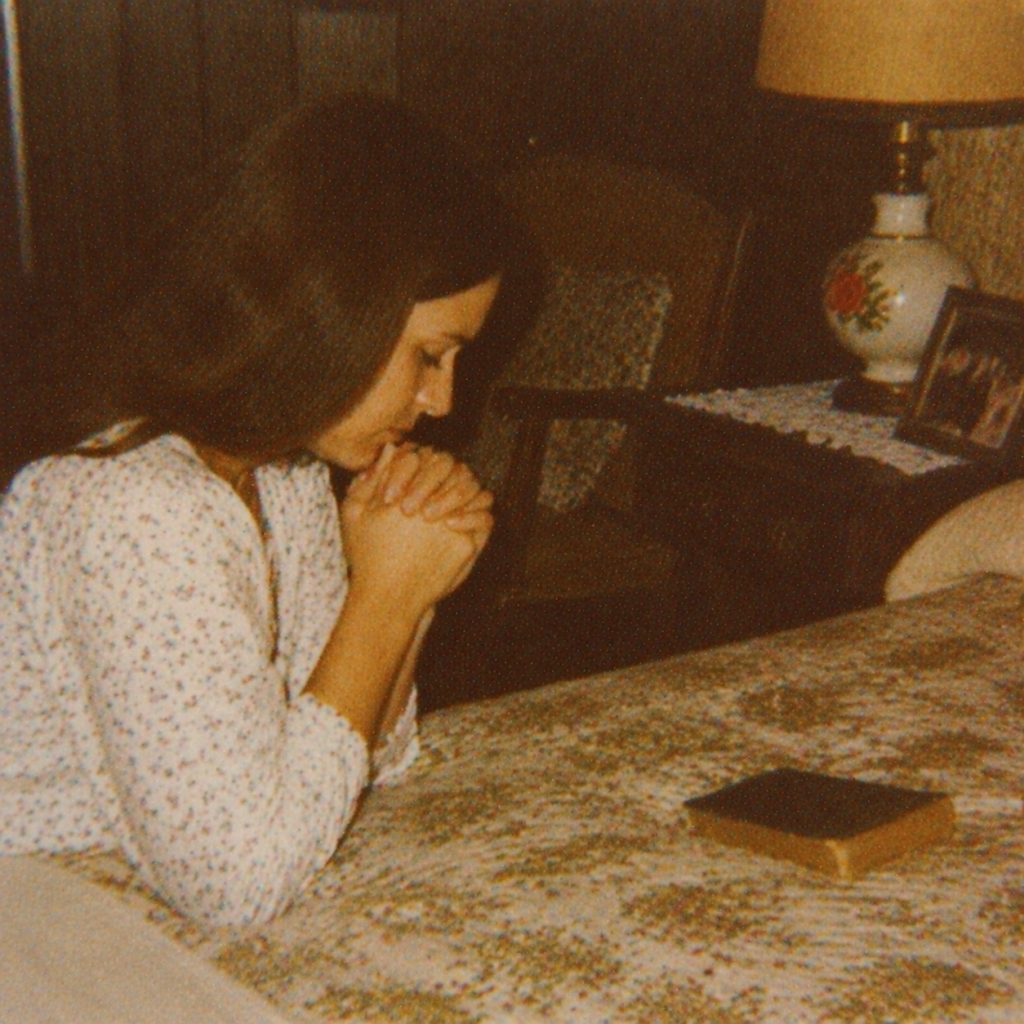
Before a new job was accepted or a house was bought, the family gathered to pray. We sought a peace that surpassed understanding before moving forward with any major life changes.
It wasn’t about getting what we wanted, but about aligning our hearts with a higher will. Prayer was the first resort, not the last-ditch effort when things went wrong.
There was a profound sense of security in knowing we weren’t navigating life’s journey alone. We asked for guidance and then waited patiently for the doors to open or close.
24. Speaking openly about faith in everyday life
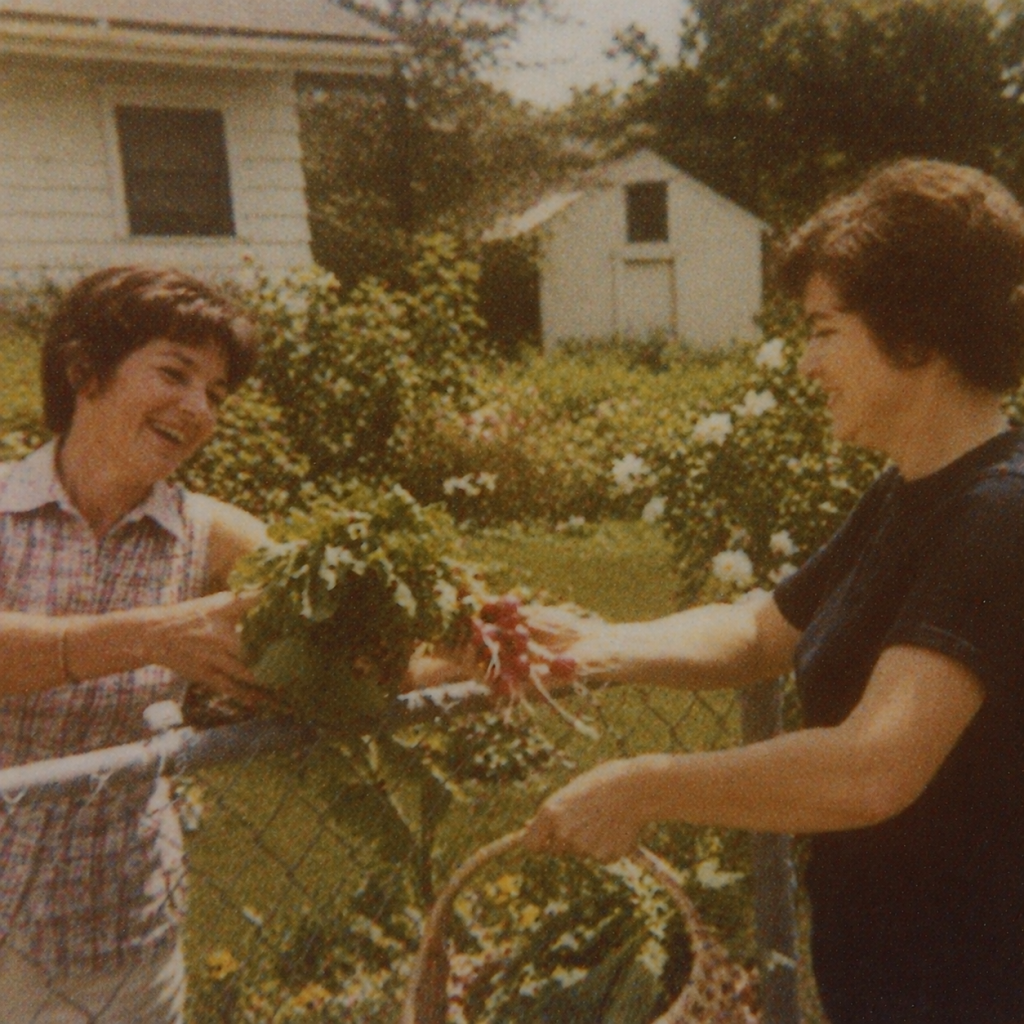
Conversations over the backyard fence often drifted naturally toward spiritual matters and blessings. You didn’t have to be “religious” to mention how God had helped you through.
Faith was as common a topic as the weather or the local high school football scores. People shared their testimonies with a casual, authentic sincerity that felt entirely unforced and real.
It wasn’t about debating doctrine; it was about sharing the journey of walking with the Lord. Speaking of faith was simply part of the vocabulary of a life well-lived.
23. Setting aside time for family prayer or reflection
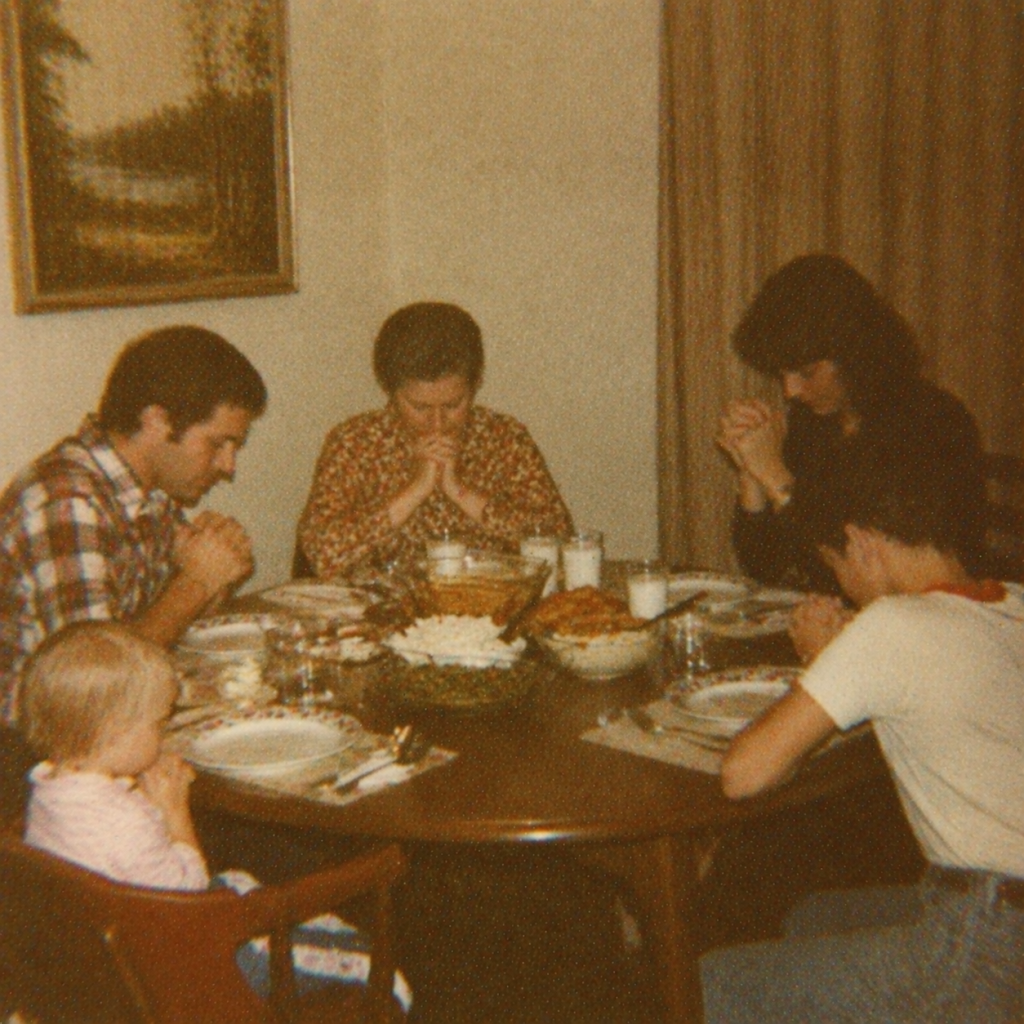
The day often ended with the family gathered in the living room for a few moments. We shared our burdens and lifted them up together before the house went dark.
This ritual reminded us that no matter what happened outside, we were a spiritual unit. It created a safe space for children to express their fears and their simple joys.
The sound of a father or mother praying for their kids is a lifelong memory. These quiet minutes built a fortress of love and faith around the entire household.
22. Teaching Bible stories as part of growing up

Noah’s Ark, David and Goliath, and the loaves and fishes were the bedtime stories of choice. We learned about courage, sacrifice, and miracles before we could even read the text ourselves.
These weren’t just tales; they were the building blocks of our identity and our worldview. The characters felt like old friends who taught us how to face our own giants.
Biblical literacy was common, providing a shared language for the entire neighborhood to use. We understood the parables and their deep meanings because they were part of our upbringing.
21. Seeing marriage as a long-term commitment

In the 60s and 70s, marriage was viewed as a sacred covenant that required grit and grace. Couples worked through the “for worse” parts with a stubborn, faith-filled determination to stay together.
The community supported marriages, encouraging pairs to lean on their faith when things got difficult. Divorce was seen as a tragedy to be avoided through prayer and mutual hard work.
There was a beautiful beauty in watching grandparents celebrate fifty years of shared life and love. It taught us that the best things in life are built slowly over many decades.
20. Choosing forgiveness, even when it was difficult

Holding a grudge was seen as a heavy burden that poisoned the soul and the community. We were taught to forgive others just as we had been forgiven by the Creator.
This didn’t mean ignoring the hurt, but choosing to let go of the bitterness that followed. Families and neighbors found ways to mend fences and start over with a clean slate.
Grace was a practice, not just a concept we heard about once a year in church. It kept the community tight-knit and prevented small slights from becoming permanent, lifelong divides.
19. Giving to others as a regular habit
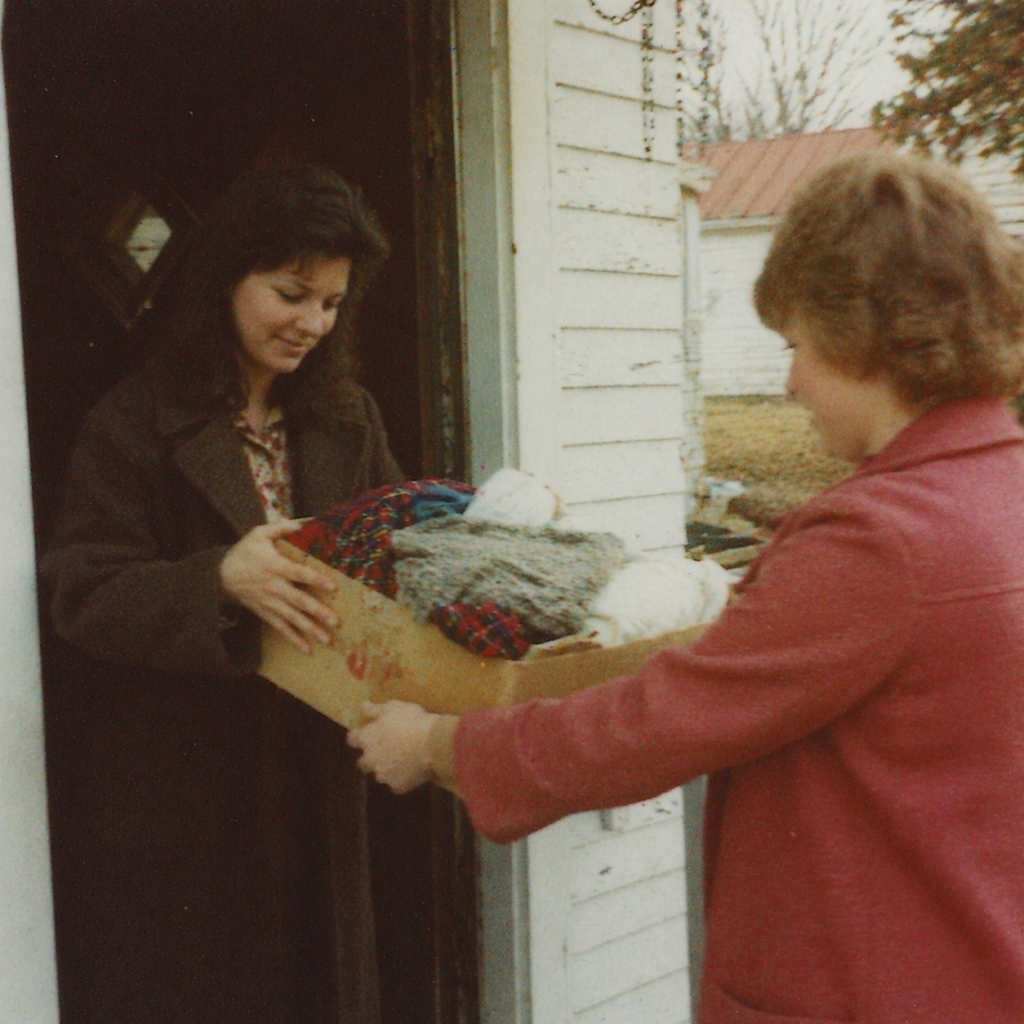
Tithing was a standard practice, but giving often went far beyond the Sunday morning collection plate. If a neighbor’s barn burned or a family fell ill, the community showed up.
We gave our time, our hands, and our extra casseroles without expecting anything in return. Generosity was a quiet habit that didn’t require a tax receipt or public recognition.
We understood that we were stewards of our resources, meant to bless those around us. Helping a friend was simply the natural outflow of a heart transformed by faith.
18. Practicing hospitality by keeping an open door

The coffee pot was always on, and a neighbor never needed a formal invitation to stop by. We viewed our homes as places of refuge and warmth for anyone who might be passing.
Hospitality wasn’t about showing off a perfect house, but about offering a comfortable, welcoming chair. It was a tangible way to practice the biblical call to love our neighbors as ourselves.
Sharing a simple slice of pie or a glass of tea built bonds that lasted a lifetime. We opened our hearts and our kitchens, believing that a guest was a blessing from above.
17. Turning to scripture for guidance and comfort
The family Bible sat in a prominent place, often worn at the edges from years of use. In times of grief or confusion, we turned to its pages for a steadying word.
The Psalms provided a voice for our sorrows, and the Epistles offered a map for living. We memorized verses that became anchors when the storms of life began to howl.
It was the ultimate authority, a lamp unto our feet in an often dark and confusing world. Scripture wasn’t just a book on a shelf; it was a living conversation with God.
16. Connecting hard work with purpose and meaning

Work wasn’t just a way to earn a paycheck; it was seen as a form of service. We were taught to do our jobs “as unto the Lord,” with integrity and excellence.
Whether farming the land or working in a factory, there was dignity in a hard day’s labor. Laziness was discouraged, while perseverance was celebrated as a vital, godly virtue for all.
We believed that our efforts contributed to the common good and the glory of God. This perspective turned even the most repetitive tasks into an act of meaningful, quiet worship.
15. Valuing humility over showing off

Bragging was considered poor taste, and humility was a trait that earned genuine respect from others. We were encouraged to let our actions speak louder than our words ever could.
A person’s worth wasn’t measured by their possessions, but by the quiet strength of their character. We were taught to put others first and to keep our own egos in check.
True greatness was found in service, not in seeking the spotlight or the praise of men. Humility allowed for deeper connections and a more peaceful, contented way of living life.
14. Taking responsibility for your actions
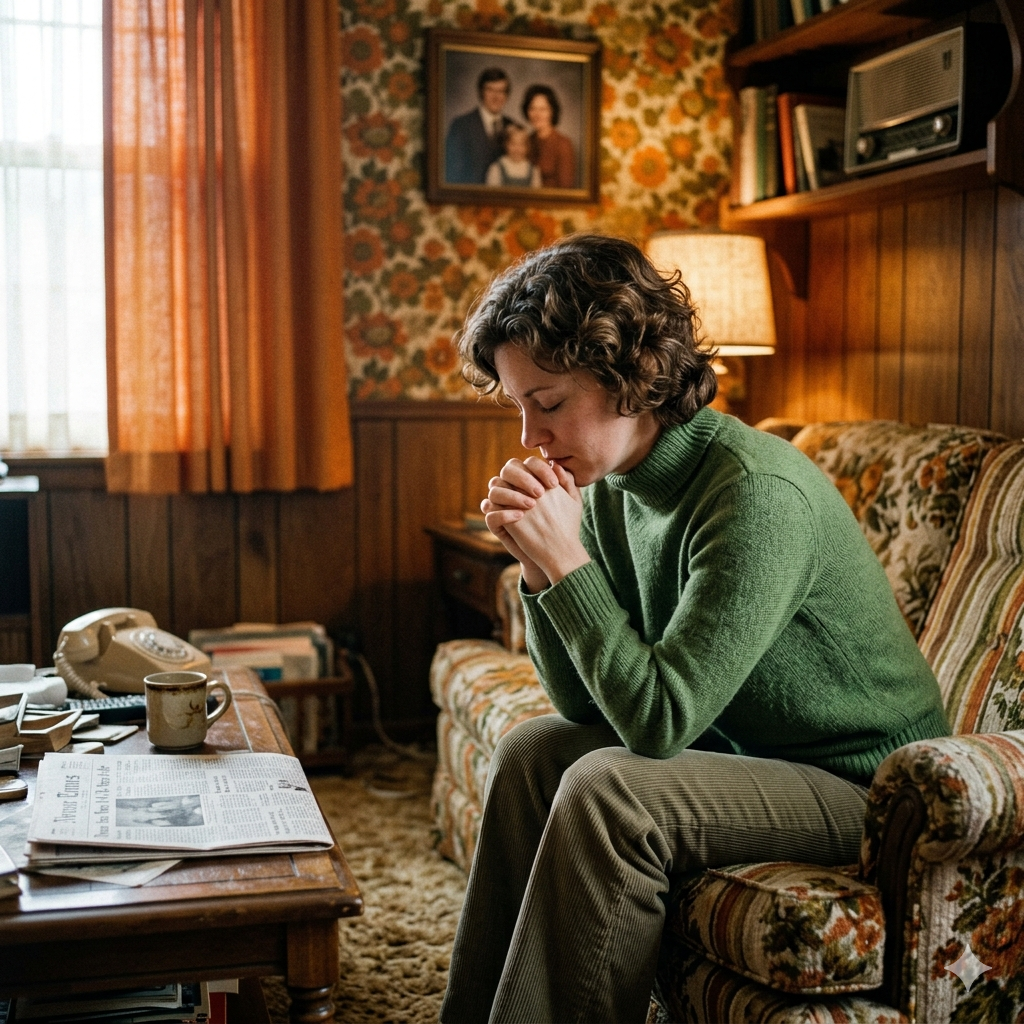
When we made a mistake, we were expected to own up to it and make it right. Blaming others was seen as a sign of weak character and a lack of integrity.
Repentance was a familiar concept that started with a simple, honest admission of our own personal faults. We learned that growth only happens when we face the consequences of our choices.
Taking responsibility built trust within the family and the broader community at large. It was the mark of a mature person who understood their duty to God and neighbor.
13. Making an effort to care for others in your community
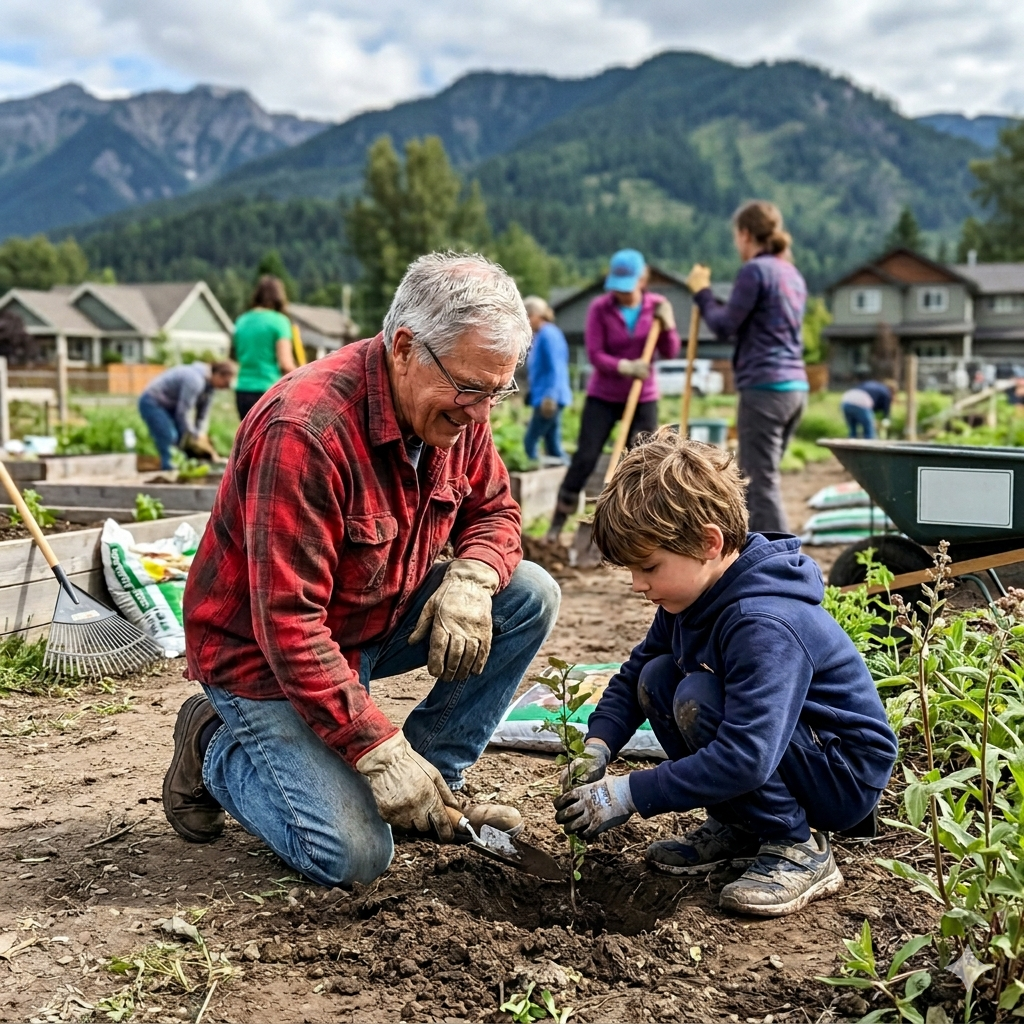
Looking out for the widow or the orphan wasn’t just a biblical command; it was a neighborhood reality. We knew who was struggling and made sure they weren’t left to suffer all alone.
Caring meant more than just a donation; it meant a visit, a phone call, or a chore. The safety net wasn’t a government program, but the hands and feet of local believers.
We were our brother’s keeper, and that responsibility was a source of great communal pride. This culture of care created a sense of belonging that is often missed in today’s world.
12. Leaning on faith during hard times

When the economy dipped or illness struck, the refrain was always, “The Lord will provide.” Faith provided a resilient hope that kept us moving forward through the darkest of nights.
We didn’t panic because we believed in a power that was much greater than our circumstances. Hardship was seen as a time to draw closer to God rather than turn away.
The community prayed together, holding each other up when individual strength began to fail. We came out of trials with a deeper trust and a more refined, tested spirit.
11. Showing strong respect toward elders
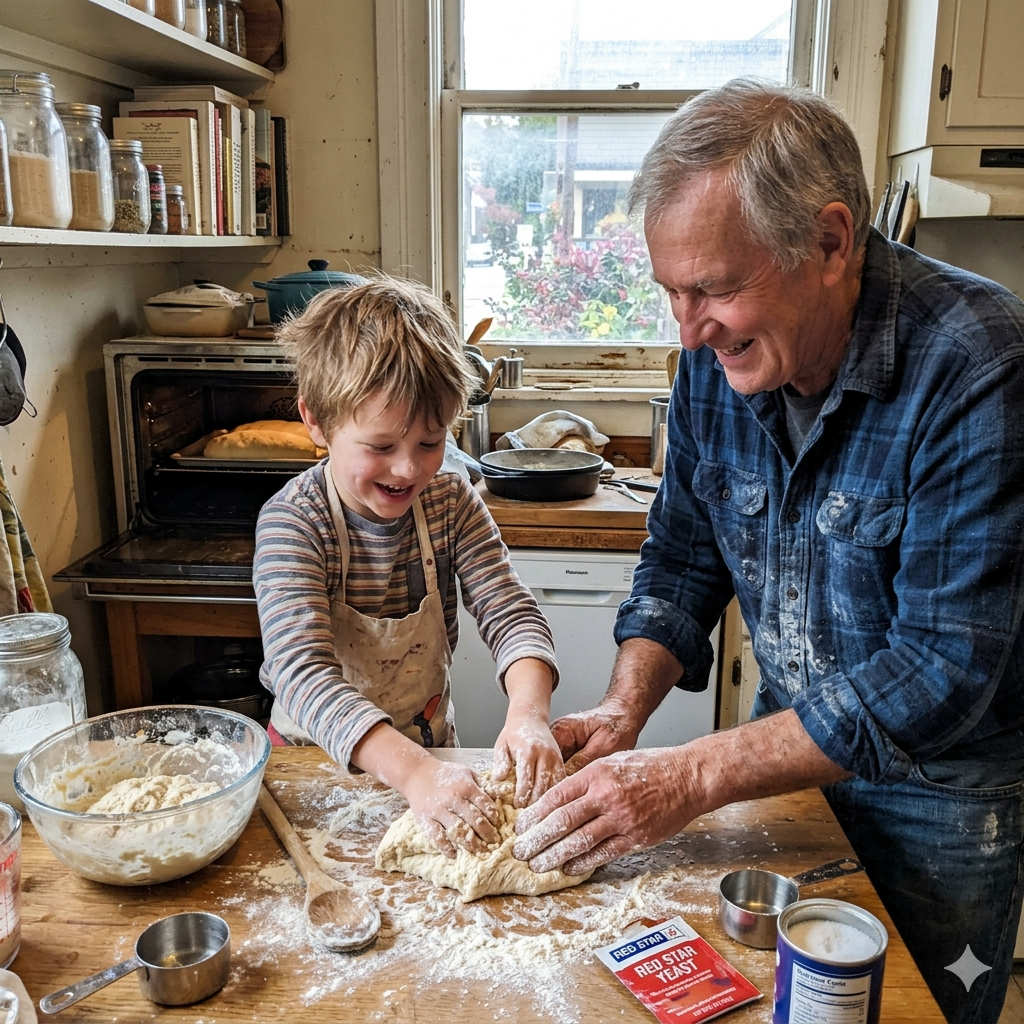
Grandparents and elderly neighbors were treated as repositories of great wisdom and living history. We listened when they spoke and stood up when they entered a crowded room.
Their life experiences were valued far more than the latest opinions of the younger generations. We were taught that gray hair was a crown of splendor to be highly honored.
Serving the elderly was a standard part of growing up and learning how to be human. This respect created a bridge between the past and the future that felt very secure.
10. Being honest, even when it was not easy
Your word was your bond, and a handshake was often as good as a written contract. Honesty was expected in business, in school, and in every single one of our relationships.
We were taught that a lie might save you today, but it would surely haunt you tomorrow. Integrity meant being the same person in the dark as you were in the light.
Truth-telling was a foundational value that allowed the community to function with complete, total confidence. We lived with the peace of mind that comes from having nothing to hide.
9. Avoiding gossip
We were cautioned that “loose lips sink ships” and that gossip was a fire that burned. Protecting a neighbor’s reputation was seen as an essential act of Christian love and kindness.
If you didn’t have something helpful to say, the general rule was to say nothing at all. We understood that words had the power to either build up or tear down a soul.
Keeping a confidence was a mark of maturity and a requirement for a lasting, true friendship. We aimed to be people of grace who covered faults rather than exposing them to others.
8. Volunteering and helping as part of daily life
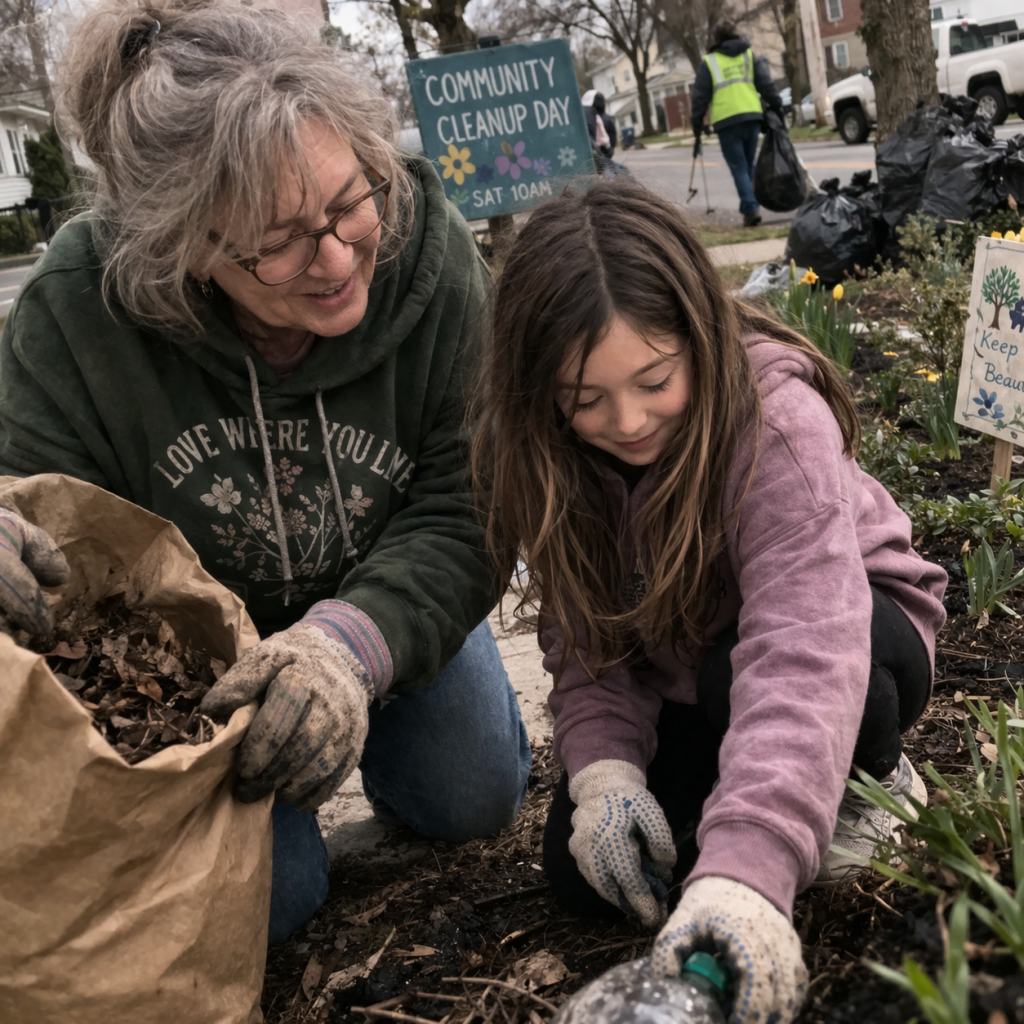
Helping out at the church bazaar or the school car wash was just what people did. Service wasn’t a resume builder; it was the natural heartbeat of a healthy, thriving community.
We gave our Saturdays to paint a fence or clean the sanctuary without a second thought. Being useful to others provided a sense of fulfillment that money simply couldn’t ever buy.
The spirit of volunteerism was rooted in the idea that we were all in this together. Our hands were meant to be busy doing good for those who lived right beside us.
7. Being part of a close-knit church community
The church was more than a building; it was a family of choice that spanned every generation. We celebrated births, mourned deaths, and shared potlucks with the very same group of people.
There was a profound sense of belonging that came from being known and truly loved there. You didn’t just attend; you belonged to a body that looked out for your spiritual health.
This community provided the social and spiritual infrastructure that held our lives together. It was the center of our social world and the anchor for our deepest, truest values.
6. Practicing self-discipline in daily habits

Temperance and self-control were seen as essential virtues for a stable and productive life. We were taught to delay gratification and to master our impulses through prayer and willpower.
Discipline wasn’t about being rigid, but about being free to choose what was actually best. We avoided excess and aimed for a life of balance, moderation, and steady, quiet growth.
This inner strength allowed us to face challenges with a calm and very determined mind. We understood that a well-ordered life began with a well-ordered and disciplined heart.
5. Trusting that things would work out over time
There was a patient optimism that defined the era, a belief that God was in control. We didn’t need everything resolved by the end of the day or even the end of the week.
Faith taught us to wait with hope, trusting in a timing that was better than our own. This trust lowered the collective anxiety and allowed us to live with more genuine joy.
We believed that even the messy parts of life were being woven into a larger, better plan. This perspective gave us the endurance to keep going when the path ahead looked unclear.
4. Living with a sense of purpose beyond yourself
Life wasn’t just about personal happiness or self-actualization; it was about serving a much higher calling. We were part of a grand narrative that began long before us and would continue after.
Our individual lives gained meaning through our contributions to our family, church, and country. We were taught to ask what we could give, rather than just what we could get.
This outward focus prevented the loneliness that often comes from a life centered only on the self. We found ourselves by losing ourselves in the service of God and our fellow man.
3. Treating Easter as a time of reflection and renewal
Easter was the pinnacle of the year, a season that celebrated the ultimate victory over death. We spent the weeks leading up to it in a state of quiet, prayerful preparation.
The atmosphere was one of solemnity followed by an explosion of pure, unadulterated joy on Sunday. It was a time to examine our hearts and ask for a fresh, new beginning.
The promise of resurrection gave us a reason to celebrate life in all its messy beauty. Easter reminded us that no matter how dark the Friday, Sunday was surely on its way.
2. Attending Easter Sunday services
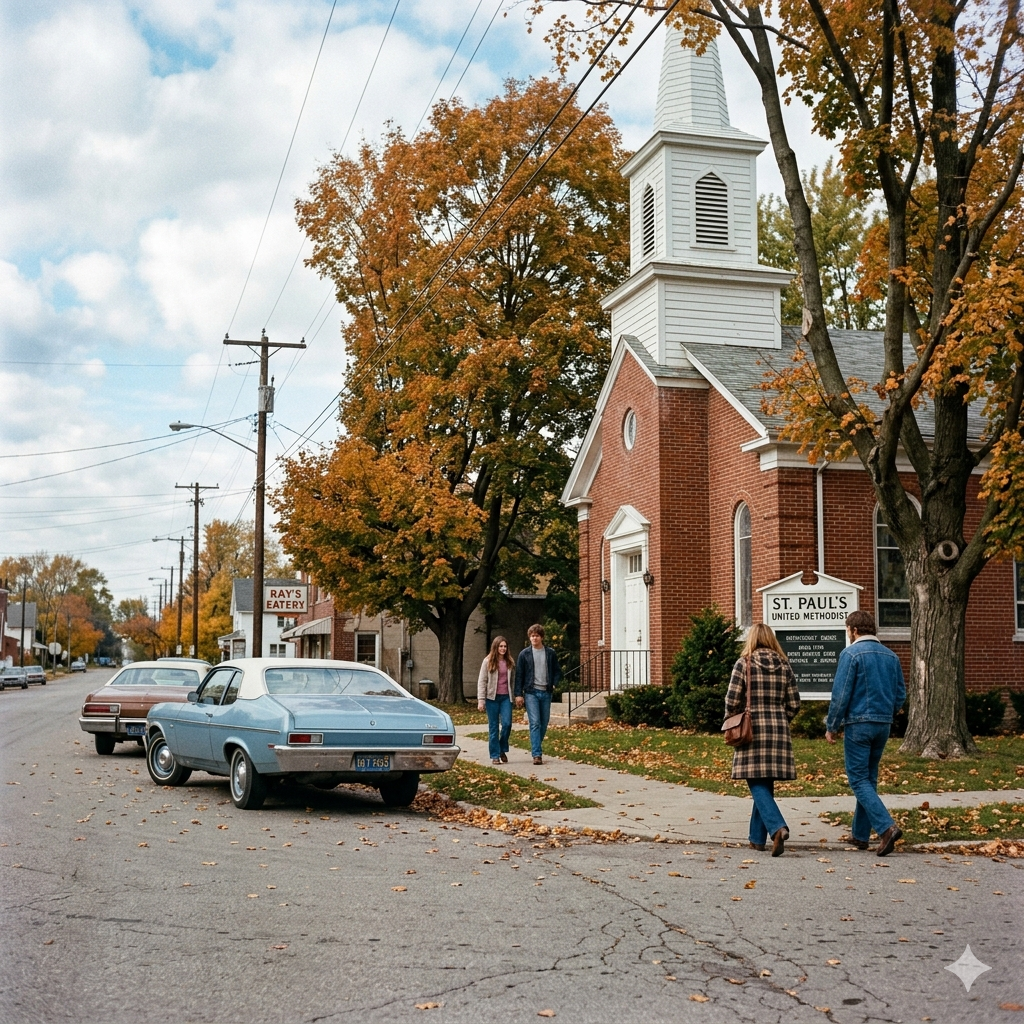
The church was packed to the rafters with people wearing their finest, most colorful spring clothes. The air was thick with the scent of lilies and the sound of triumphant, ringing bells.
We sang “Christ the Lord Is Risen Today” with a fervor that could be felt in our bones. It was a collective shout of hope that united the entire community in a shared belief.
Being there in person was a vital way to witness the reality of our shared faith. It was the most important day of the year, and we wouldn’t have dreamed of being anywhere else.
1. Teaching the meaning of Easter alongside celebrations
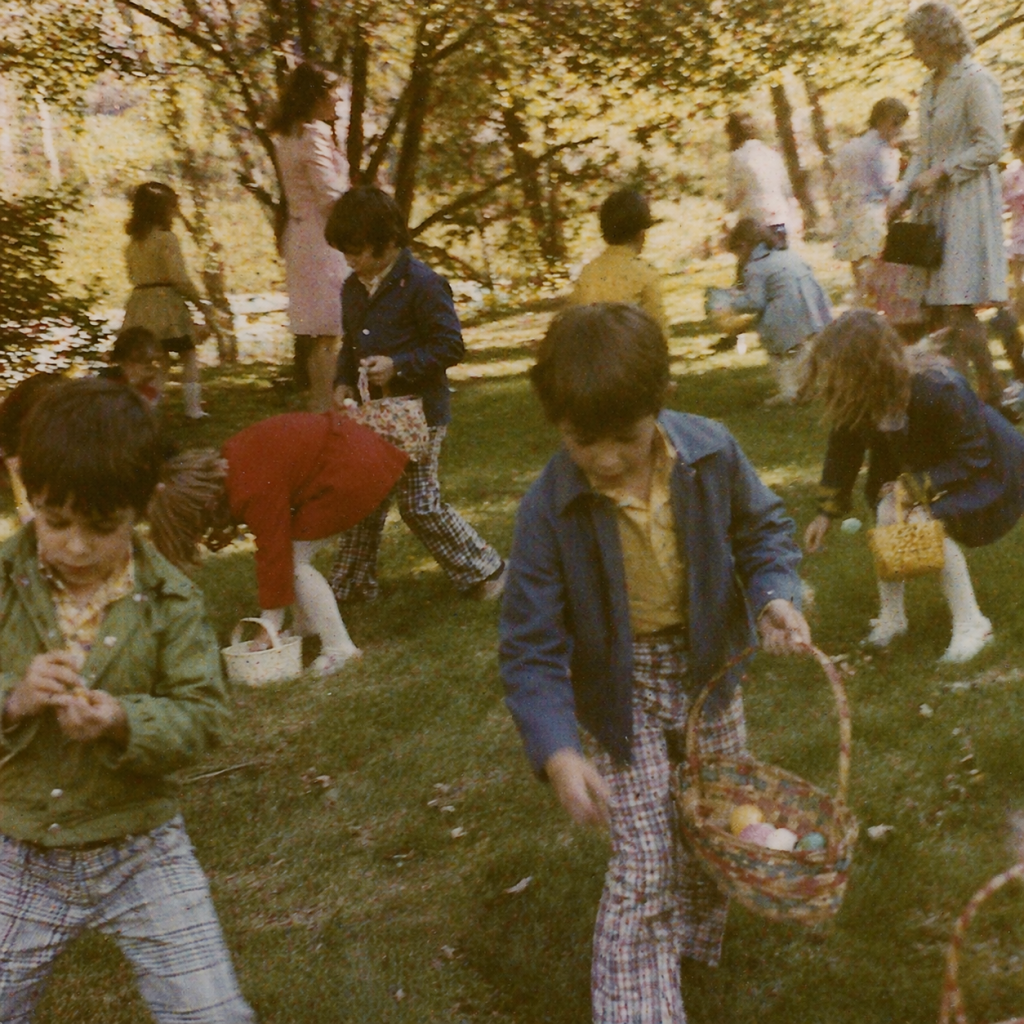
While we enjoyed the chocolate bunnies and egg hunts, the “why” was never left behind. Parents made sure we understood that the empty tomb was the reason for the celebration.
The eggs were symbols of new life, and the spring flowers pointed to a glorious rebirth. We learned that the joy of the holiday was rooted in a historical and spiritual reality.
By keeping the focus on the miracle, the holiday became a lasting lesson in faith and love. We grew up knowing that the greatest story ever told was one of hope and redemption.

Charles Jacobs