


While the evening news often focuses on conflict and crisis, there is a quieter, more hopeful story unfolding around the world.
From landmark legal changes in Japan to record-breaking clean energy milestones in Europe, progress is happening faster than many realize.
These stories remind us that dedicated people and smart policies are solving some of our toughest global challenges.
Here are 27 inspiring good news stories that deserve a spot in your daily feed.
27. Ten Percent of the ocean is Now protected

The United Nations recently announced that 10% of the world’s ocean is now officially protected.
This is a major milestone because it meets a global conservation goal that was originally set years ago.
Over the last two years alone, countries added about 5 million square kilometers of protected waters.
This new total was reached after Indonesia, Thailand, and Australia added large new marine parks to the list.
While this is great news, experts say we still have a long way to go to reach the next goal: world leaders want to protect 30% of the ocean by the year 2030 to save marine life.
Currently, most of the protected areas are close to land rather than out in the deep “high seas.”
26. US Road Deaths Fall Drastically

The U.S. government recently reported that road deaths have dropped to their lowest levels since 2019.
Around 36,640 people deceased in traffic crashes in 2025, which is a significant 6.7% decrease from the year before.
This drop is especially impressive because Americans are actually driving more miles than they used to.
Officials say this success comes from tougher laws and better partnerships with police officers.
They are also working to make newer, safer cars more affordable for families across the country.
Campaigns against distracted driving, like “Put the Phone Away or Pay,” have helped reduce risky behaviors.
25. UK Sets Renewable Energy Record
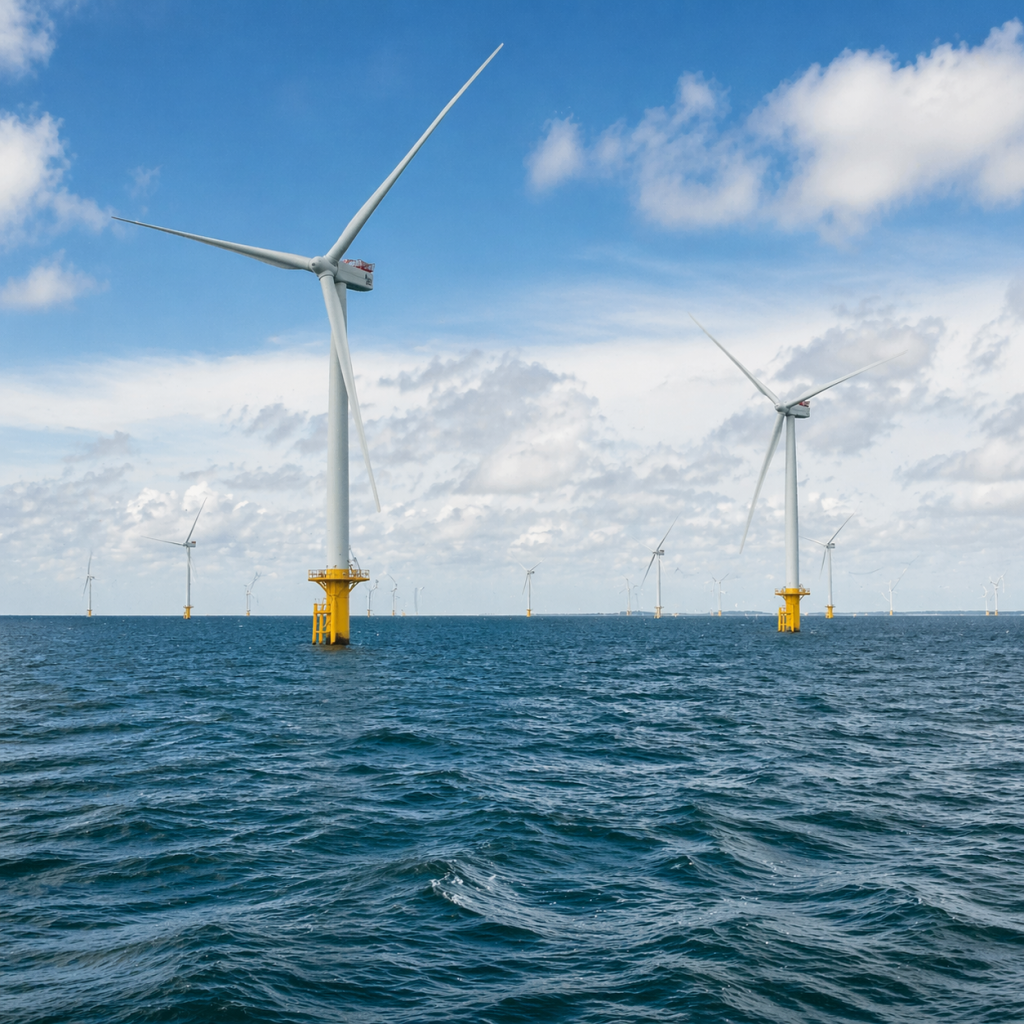
The United Kingdom has set a massive new record for wind power generation.
In one day last month, wind turbines across the country produced enough electricity to power 23 million homes at once.
This surge meant that wind provided more than half of all the electricity used in Britain during that time.
At the same time, the use of expensive natural gas dropped to its lowest level in two years.
These records are helping the UK move away from fossil fuels that cause climate change.Experts say that using more homegrown green energy also helps lower electricity prices for families.
24. New ‘Blue Corridors’ for Turtles at COP-15
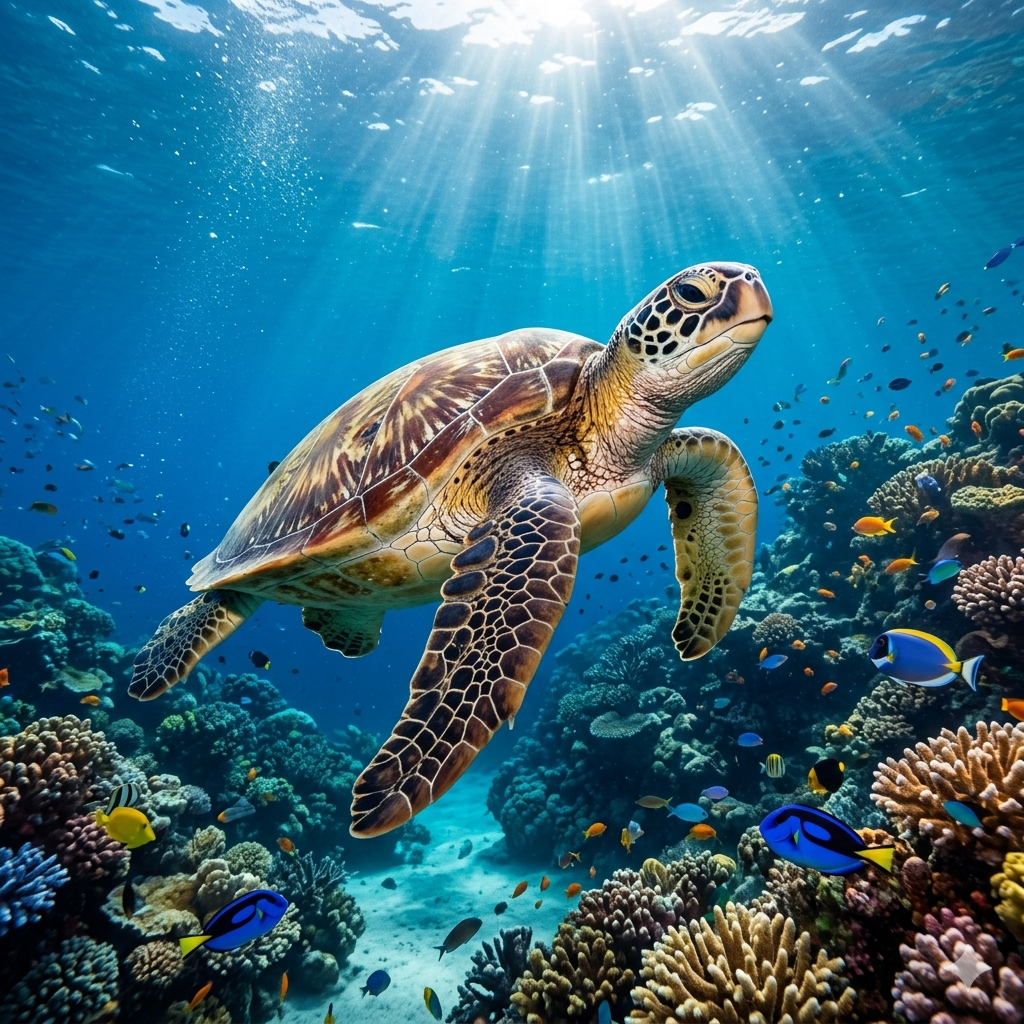
World leaders at the COP-15 biodiversity summit in Brazil took a huge step to protect sea turtles.
They officially backed a plan called “Blue Corridors,” which creates safe “highways” for turtles in the ocean.
Experts believe these corridors will help turtle populations recover by giving them a clear, safe path through the sea.
Because sea turtles travel thousands of miles across different countries, they are often at risk from fishing nets and pollution.
These new corridors map out the most important areas where turtles eat, nest, and travel, and prevent invasive human actions in those areas.
By identifying “Important Marine Turtle Areas,” countries can work together to protect these spots regardless of national borders.
This project is vital because six out of the seven sea turtle species are currently threatened with extinction.
23. Joint Custody Legalized in Japan

Japan has officially updated its family laws to allow for joint custody after a divorce.
For over a century, Japanese law only allowed one parent to have legal authority over a child.
Now, parents can work together to make important decisions about their child’s school, health, and future.
If parents cannot agree on an arrangement, a family court will decide what is best for the child.
Even parents who divorced before 2026 can now ask a court to switch their arrangement to joint custody.
This new system aims to help children stay connected to both of their parents even after a split.
22. Bird Biodiversity Surges in Scotland
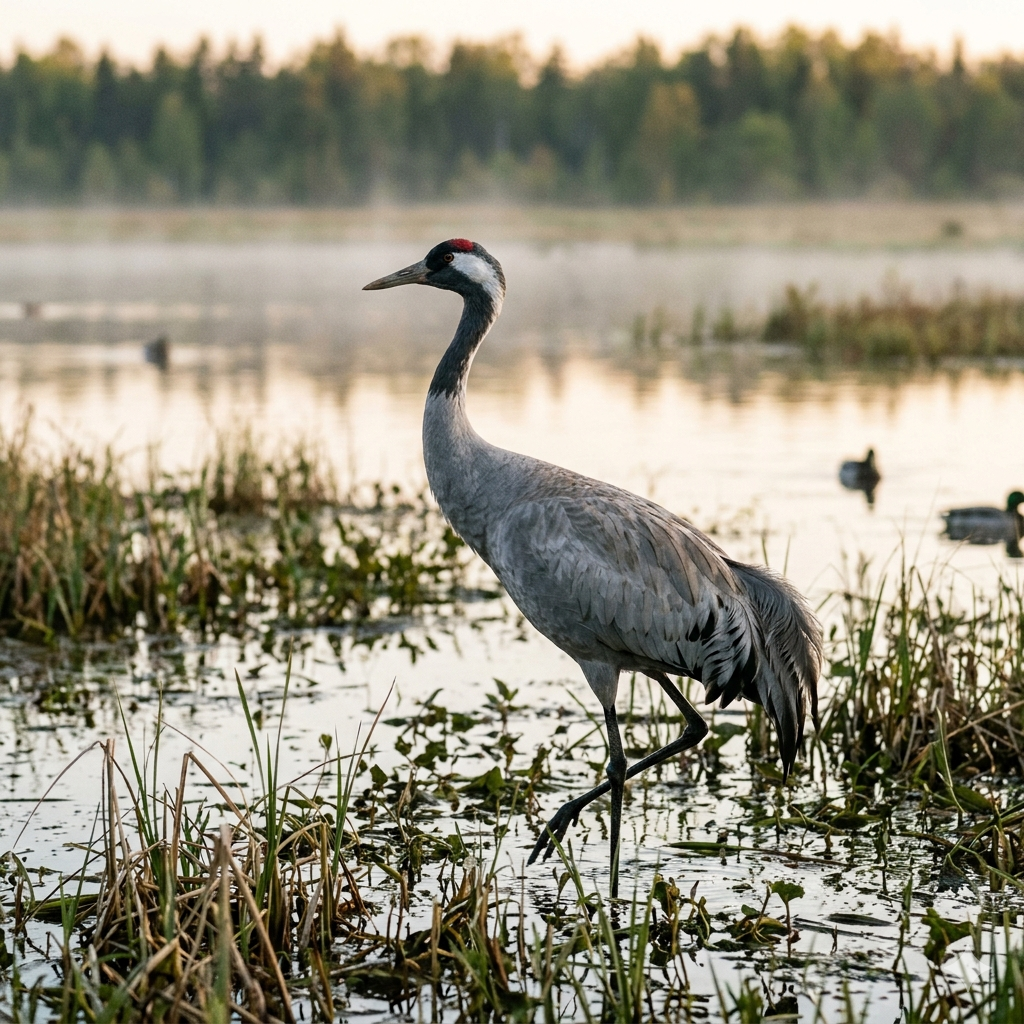
New research has revealed a massive surge in bird biodiversity across Scotland’s rewilded landscapes.
According to the charity ‘Scotland: The Big Picture’, suitable habitats for birds have increased fivefold on restored land.
One of the most exciting successes is the return of the Common Crane, Scotland’s tallest bird. After disappearing from the country for 400 years, cranes had a record-breaking breeding season in 2025 and 2026.
Conservationists also reported small signs of hope for the rare Capercaillie, a large forest grouse. In the Highlands, populations of these endangered birds increased by 50% at specific protected sites.
These gains are largely due to “rewilding,” which involves restoring wetlands and forests to their natural state.
21. EVs Now Save 2.3 Million Barrels of Oil Per Day
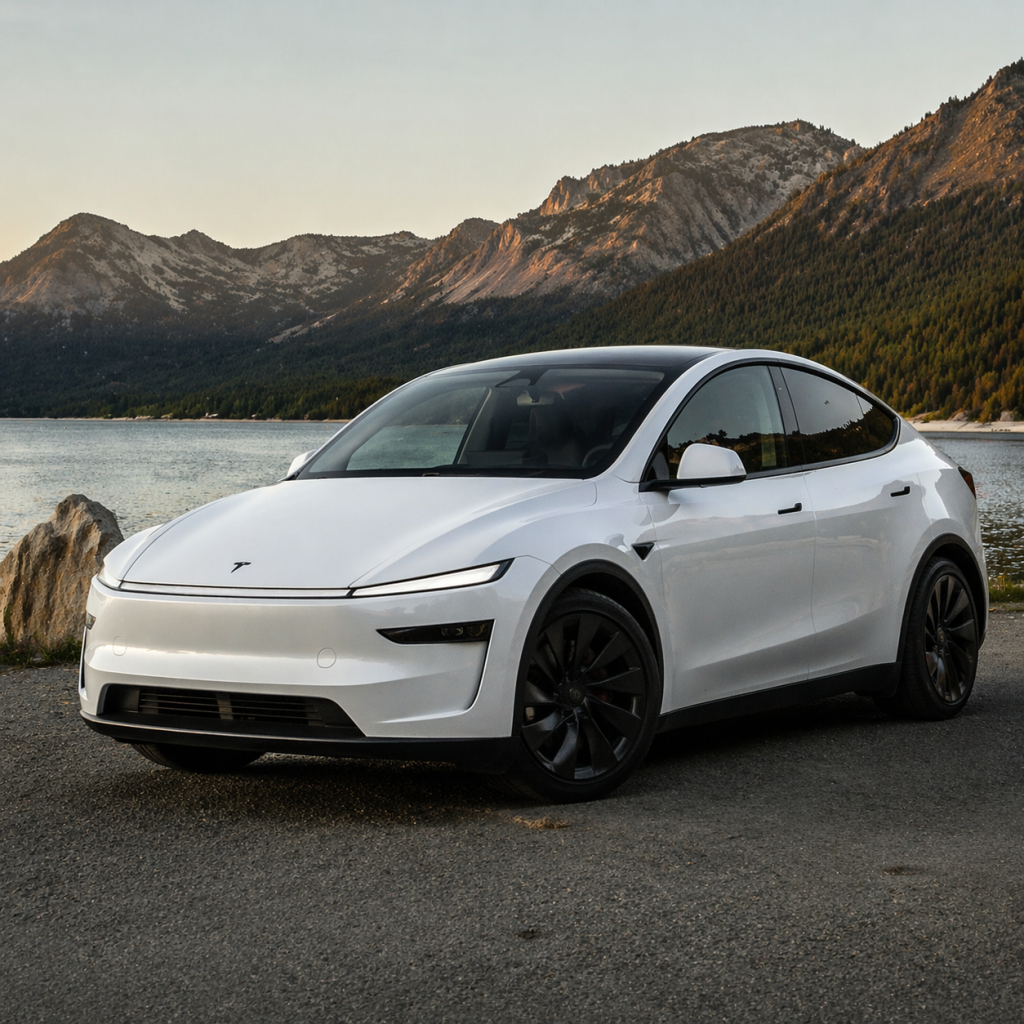
A new report shows that electric vehicles (EVs) are now saving 2.3 million barrels of oil every single day.
This is a massive jump from previous years as more people switch to battery-powered cars and bikes.
By choosing electricity over gasoline, drivers are helping to slow down the world’s demand for oil.
Experts say this shift is happening even faster in countries like China and Thailand. Interestingly, electric scooters and three-wheeled delivery vehicles are currently saving the most fuel in these regions.
This change is helping countries become less dependent on expensive fuel imported from other parts of the world.
20. Middle East and North Africa increases Renewables by 44%
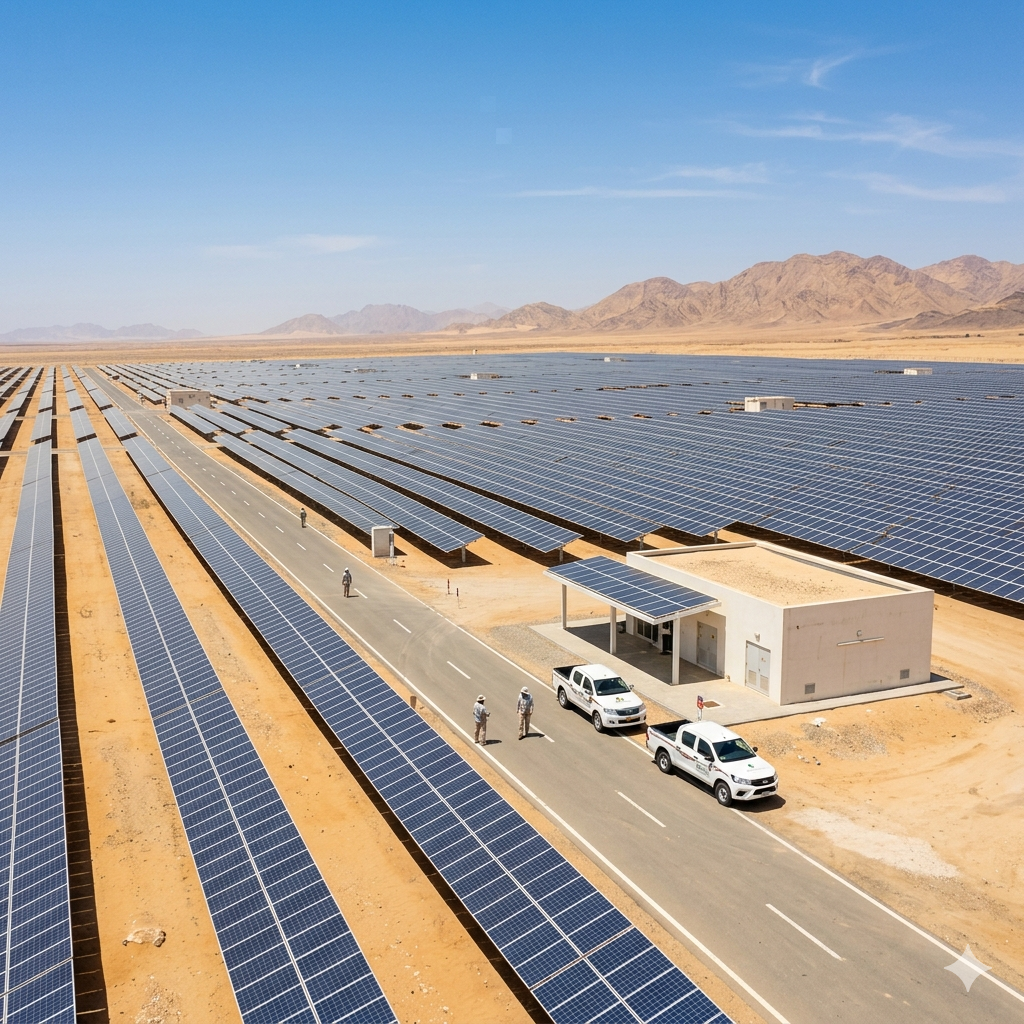
A major report has revealed that renewable energy in the Middle East and North Africa grew by 44% in just one year.
This massive jump means the region now has over 43 gigawatts of clean energy capacity.
Solar power was the biggest winner, making up nearly 80% of all the new green energy added.
Saudi Arabia and the United Arab Emirates are leading the way by building some of the world’s largest solar farms. One reason for this boom is that the cost of solar energy has dropped to record-low prices in the region.
To keep the lights on at night, these countries are also investing heavily in giant batteries to store extra power.
Experts say this growth is much faster than anyone predicted only a few years ago. By 2030, the region could produce enough clean energy to power millions of more homes and businesses.
19. Chile Protects 337,000 sq km of Ocean
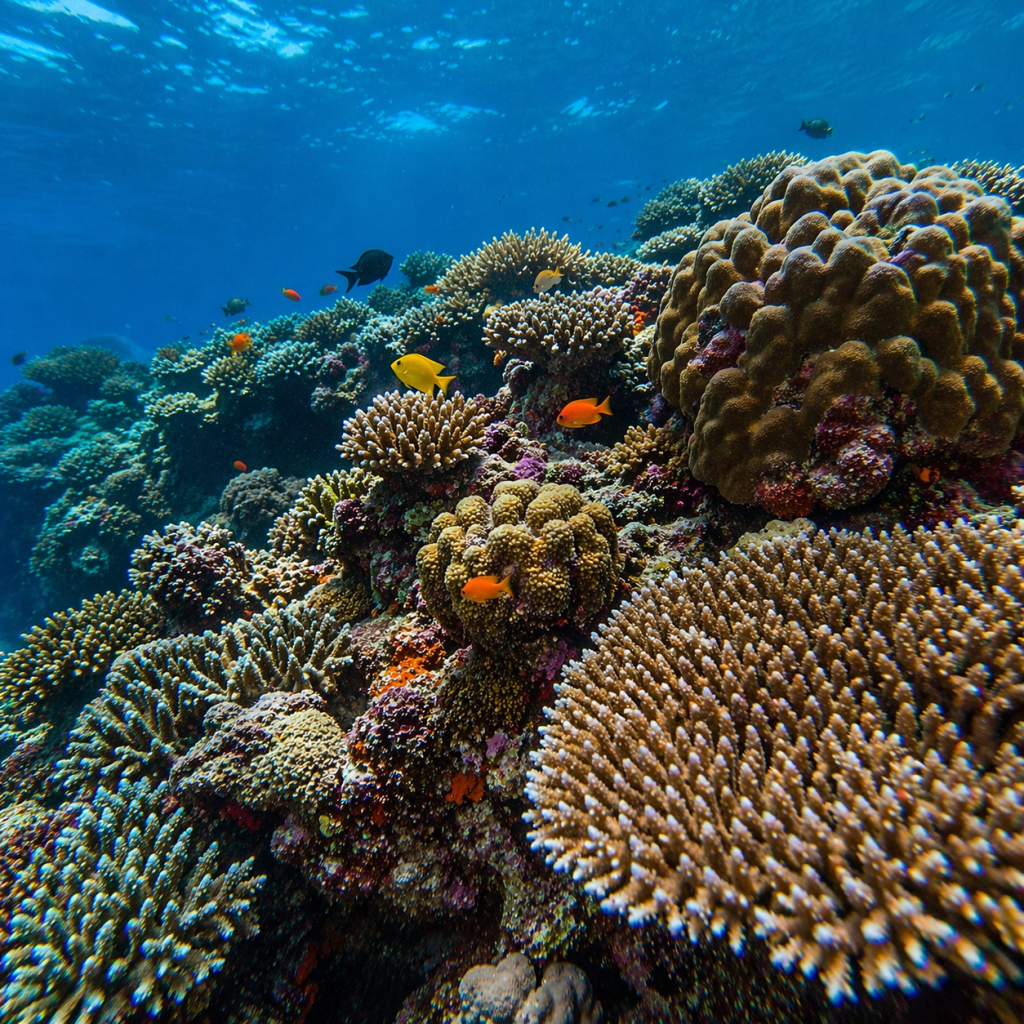
Chile’s President recently signed a law to protect 337,000 square kilometers of the Pacific Ocean.
This new sanctuary surrounds the Juan Fernández and Nazca-Desventuradas islands. These waters are home to unique animals like the Juan Fernández fur seal and a special type of lobster.
Because of this move, Chile now protects over half of its total ocean territory.
The “no-take” rule means that industrial fishing and mining are completely banned in these areas.
By creating this park, Chile has become a world leader in ocean conservation.
Scientists believe this will help migratory animals like whales and sea turtles travel safely across the sea.
18. Scotland Launches Emissions-free flights

In March 2026, Scotland made history by launching its first all-electric commercial flight program.
The airline Loganair partnered with BETA Technologies to fly a battery-powered plane across the country.
This special aircraft, called the ALIA, completed 23 successful flights between cities like Glasgow and Aberdeen. Because it runs on batteries, the plane produces zero carbon emissions during flight.
The program focused on delivering mail and medical supplies to remote island communities.
Many of Scotland’s flight routes are very short, which makes them perfect for electric technology.
Experts believe this is a major step toward making all short-haul travel much cleaner.
17. Red-crowned cranes no longer threatened

Japan’s Ministry of the Environment has officially removed the red-crowned crane from its list of threatened species.
The bird’s status was downgraded to “near-threatened” because the risk of it going extinct is now considered very low.
This is a major victory for conservation, as the population of the Red-Crowned Crane in Japan once dropped to only 33 birds in 1952.
Overhunting and habitat loss were the main reasons these beautiful birds almost disappeared a century ago.
Recent surveys show that there are now nearly 2,000 red-crowned cranes living in the wild in Hokkaido.
This change shows that consistent environmental protection can successfully bring a species back from the brink of extinction.
16. Plug-in solar panels now sold at supermarkets

Supermarkets in Europe are now selling plug-in “balcony solar” kits that allow apartment residents to easily generate their own electricity by plugging panels directly into wall outlets.
Yes, these plug-in solar kits are designed to be affordable and often carry a price tag between €200 and €800.
These systems enable renters to lower energy bills without landlord permission for construction, with hundreds of thousands already sold following updated safety regulations.
15. Pollution in Cities Falls

19 metropolises that have slashed air pollution by between 20% and 45%.
Outstanding cities in the report included London, Paris, Beijing, and San Francisco.
To achieve these goals, many cities created “Clean Air Zones” that restrict the most polluting vehicles from entering busy downtown areas.
They also invested heavily in safe bike lanes and expanded public transit to give people better ways to get around without cars.
In Asia, a massive shift toward electric vehicles helped cities like Shenzhen and Hong Kong clear their skies quickly.
14. Massachusetts Wind Farm Goes Online
The Vineyard Wind 1 project recently became the first large-scale offshore wind farm in America to go online.
Located off the coast of Massachusetts, it uses 62 massive turbines to catch powerful ocean breezes.
This project now sends clean electricity directly into the local power grid for residents to use. At full capacity, the farm produces enough energy to power over 400,000 homes and businesses.
Switching to wind power will save customers over $1 billion on electricity bills over time.
It also removes more than one million tons of harmful carbon pollution from the air annually.
This achievement proves that the ocean can be a reliable source of power for the future.
13. Ugandan national park Welcomes Back Rhinos
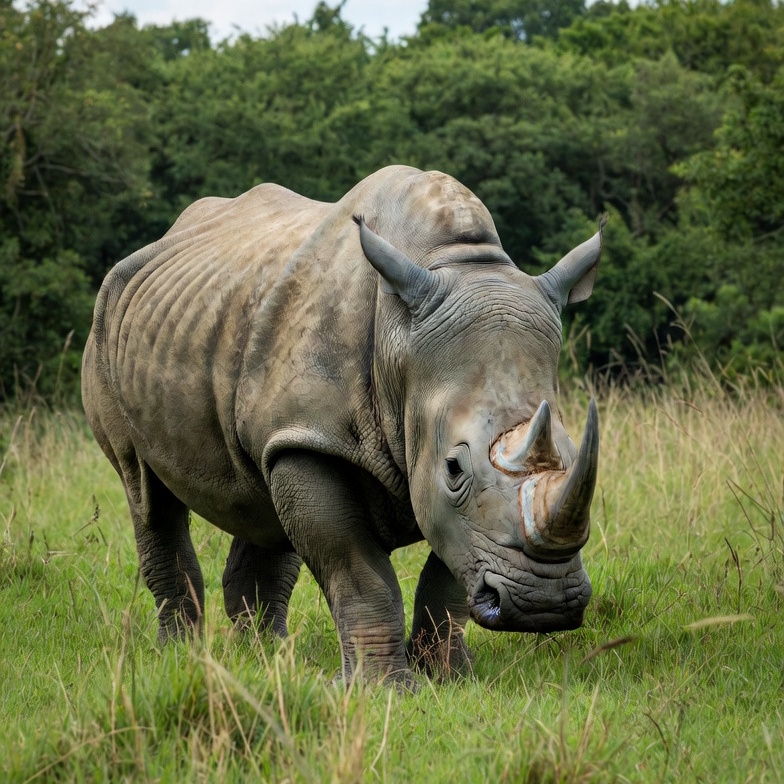
Uganda has successfully reintroduced rhinos to Kidepo Valley National Park after a 43-year absence.
Their reintroduction means the national park now has all of the ‘big five’ animals—lion, leopard, elephant, buffalo, and rhino—back in their homeland.
Following a successful breeding program, southern white rhinos were transported to a secure, monitored sanctuary within the park to bolster the population and restore natural heritage.
12. England Opens World’s Longest Coastal Path
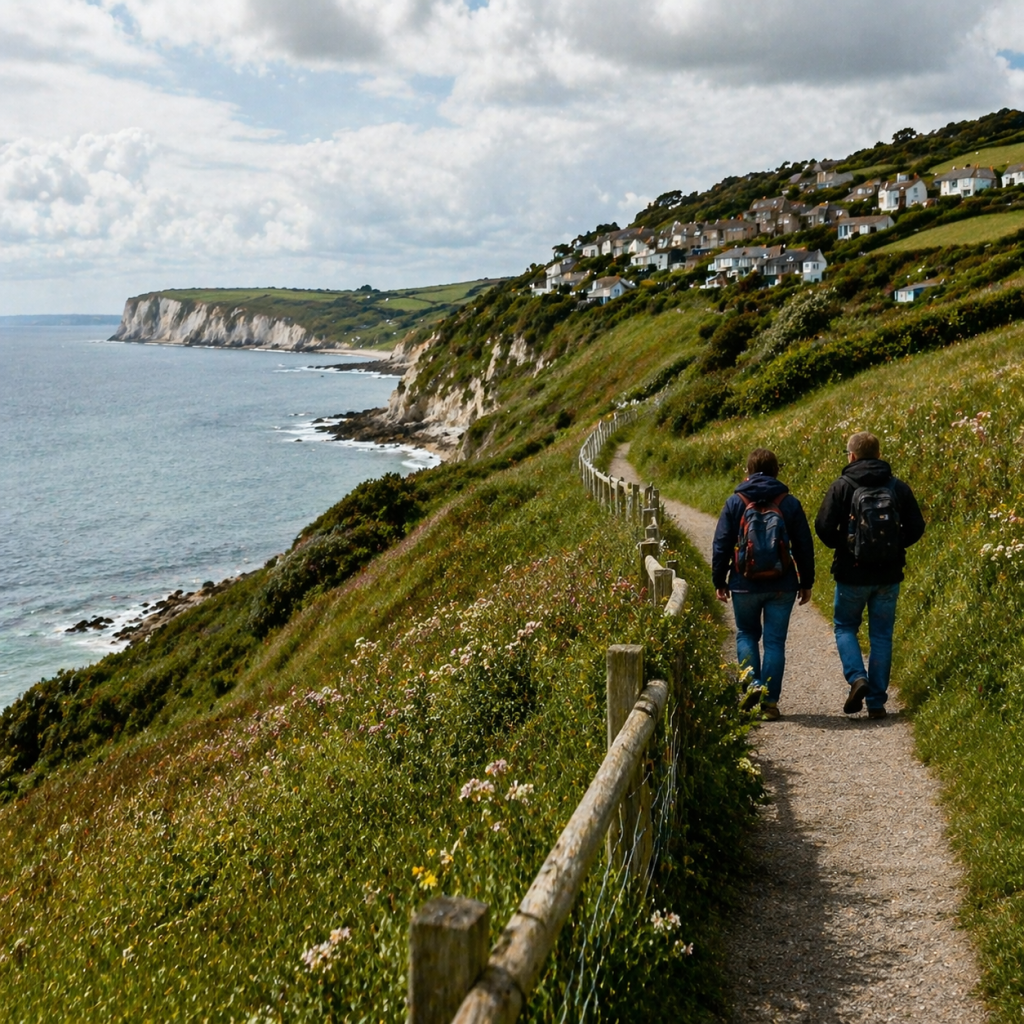
The 2,689-mile King Charles III England Coast Path has officially opened.
It is the world’s longest managed coastal walking route, offering legal access to nearly the entire English shoreline.
Inaugurated by King Charles III, the 18-year project connects coastal communities, features erosion-adaptive design, and provides free access to beaches and cliffs.
11. Guatemala protects Maya Biosphere Reserve from Oil Drilling

Guatemala recently made a bold move to protect the massive Maya Biosphere Reserve from oil drilling.
This giant rainforest is home to ancient Maya ruins and thousands of unique animals.
For years, oil companies wanted to dig in the area to find fuel underground.
The government decided to stop these projects to keep the environment safe and clean. They officially banned all new oil exploration inside the protected park’s borders. This decision helps save the “lungs of the world” from pollution and heavy machinery.
Indigenous communities who live in the forest played a huge role in pushing for this law. They want to protect their traditional lands and the water they drink every day.
By stopping the drills, Guatemala is choosing nature over quick profits from fossil fuels. This win shows that people can successfully stand up for the planet’s most special places.
10. Guinea-Worm Disease Reaches All-Time Low

Global Guinea-worm disease cases have dropped to a record low of only 14 in 2024.
This represents a 99.99% reduction since the 1980s.
The results were achieved through community-based water filtration and education efforts.
This progress places the parasitic disease on the brink of becoming only the second human disease to be eradicated worldwide.
Health workers and local volunteers track every remaining case to ensure that infected individuals do not contaminate local water sources.
The program also provides filtered drinking straws and treats ponds with larvicide to break the parasite’s life cycle once and for all.
9. Norway’s Polar Bears See Recovery
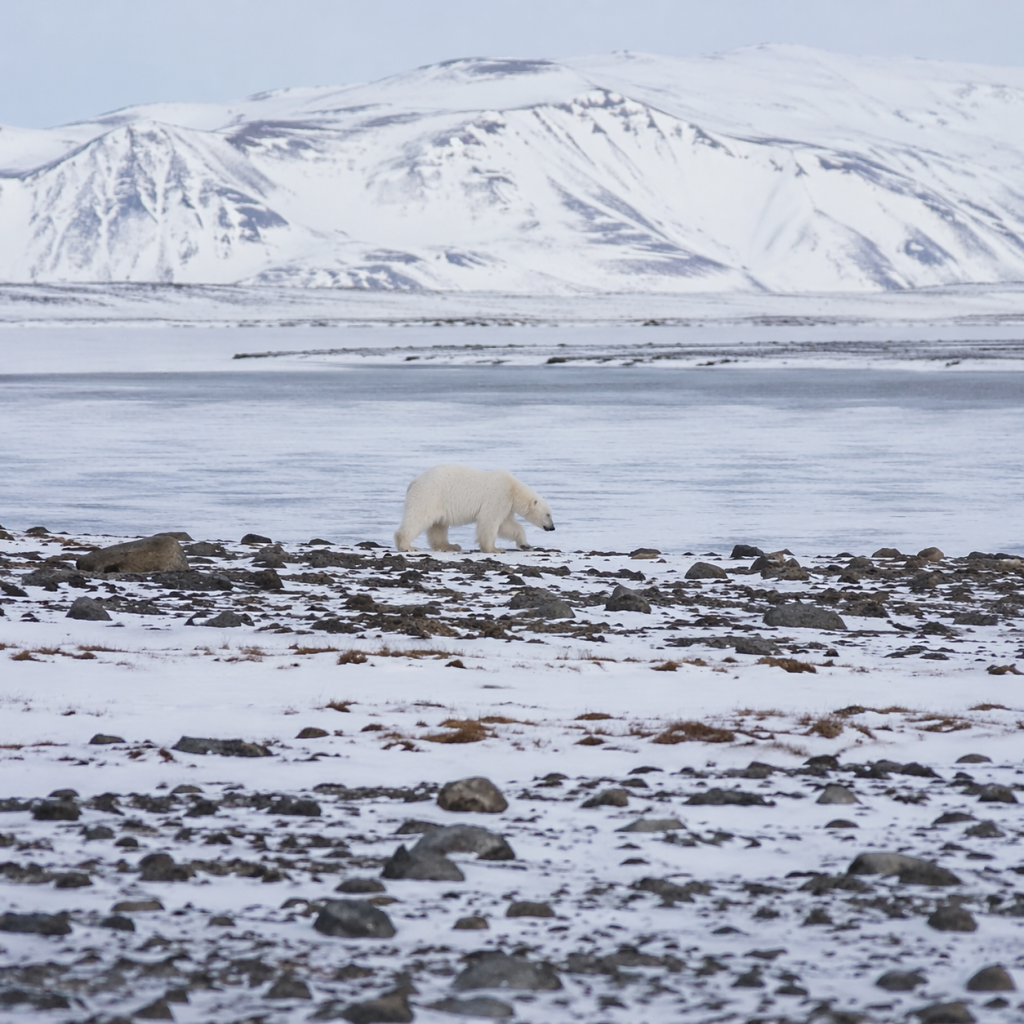
Polar bears in Norway’s Svalbard region are surprisingly thriving and getting healthier, despite rapid sea ice loss reducing their traditional seal-hunting habitat.
Scientists believe the population in the Svalbard archipelago has stabilized at around 2,600 bears despite the rapid disappearance of Arctic sea ice.
The bears have shown remarkable resilience by adapting their diets to include reindeer and bird eggs when seals are harder to hunt.
Strict hunting bans enacted decades ago remain the primary reason these sub-populations are currently faring better than those in other parts of the Arctic.
8. North America’s Largest Wildlife Overpass Opens

North America’s largest wildlife overpass has opened in Colorado. It is called the Greenland Wildlife Overpass and crosses Interstate 25.
The bridge is about 200 feet wide and 209 feet long and stretches over six lanes of busy highway traffic.
The overpass reconnects about 39,000 acres of wildlife habitat.
Animals like elk, deer, bears, and mountain lions can now cross safely.
The area used to have about one wildlife crash per day during migration seasons, but officials expect the project to reduce crashes by up to 90 percent.
The goal is to protect both animals and drivers while restoring natural movement paths.
7. Alaska Protects America’s Largest Rainforest

The U.S. government has restored the “Roadless Rule” to the Tongass National Forest in Alaska, protecting over 9 million acres of the world’s largest temperate rainforest from industrial logging and road development.
The Roadless Area Conservation Rule, commonly called the “Roadless Rule,” is a federal regulation created in 2001 to protect nearly 60 million acres of wild national forest land.
Its primary purpose is to prohibit the construction of new roads and restrict most commercial timber harvesting in designated “inventoried roadless areas”.
By blocking road construction, the rule prevents the fragmentation of large, intact ecosystems, which is essential for protecting clean water sources and wildlife habitats.
Recently upheld by a court, this action preserves vital habitats for diverse wildlife and protects a major carbon sink essential to the environment.
6. North Carolina Erases $6.8B of Medical Debt

North Carolina has launched a program to erase approximately $6.5 billion in medical debt for over 2.5 million residents.
This initiative forgives debt dating back to 2014 for low- and middle-income families, while implementing stricter rules against aggressive collection tactics.
The state government achieved this by offering hospitals increased Medicaid reimbursement rates in exchange for writing off long-standing debts for low-income patients.
This deal specifically targets debt that is at least two years old or held by individuals whose income is below 350% of the federal poverty level.
5. Lead Levels Drop More than 100 Times since the 1970s

In a major public health victory, environmental lead levels in the United States have plummeted by more than 100-fold since the 1970s.
This massive drop is primarily thanks to the Environmental Protection Agency (EPA) banning lead from gasoline, paint, and household plumbing.
Researchers recently confirmed this trend by studying century-old human hair samples, which act as a biological record of pollution.
The data shows that median blood lead levels in children have fallen from over 15 units in the late 1970s to just 0.6 units in 2020.
Before these laws, the average person was breathing in nearly two pounds of lead dust every single year from car exhaust.
Today, lead concentrations in the air at EPA-monitoring sites have decreased by 97.7%.
4. The Ocean Cleanup Removes 46 Million Kilograms of Trash from the Ocean
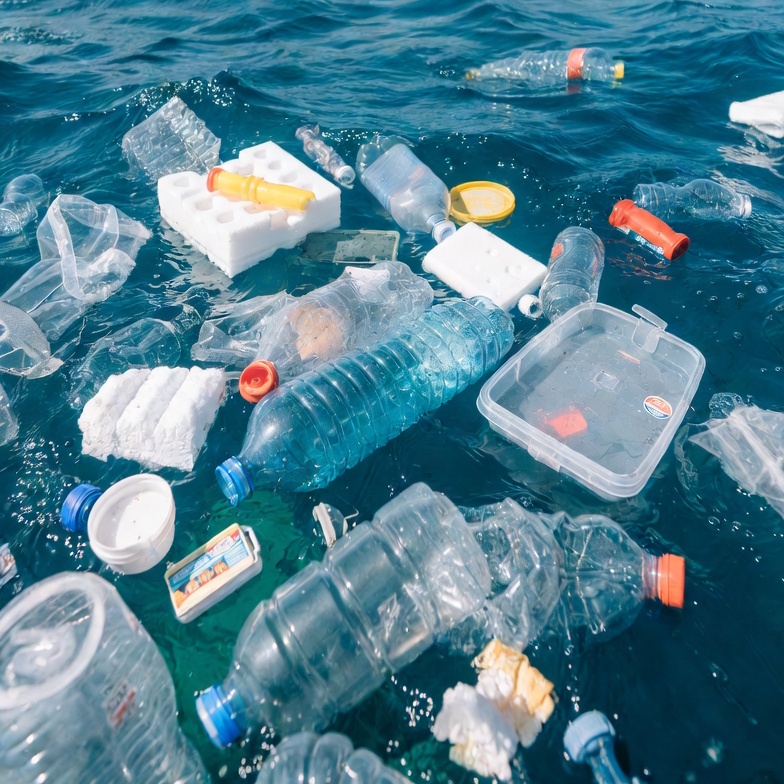
The Ocean Cleanup has achieved a significant milestone by removing over 46 million kilograms of plastic from oceans and rivers, primarily utilizing advanced, large-scale floating barriers.
The initiative, which includes the deployment of the highly efficient System 03, focuses on cleaning the Great Pacific Garbage Patch and polluted rivers while recycling the recovered materials to protect marine ecosystems.
The organization uses massive floating barriers to concentrate plastic into a collection zone for efficient extraction from the water.
These efforts are crucial because removing large debris prevents it from breaking down into harmful microplastics that poison marine life.
3. More People Are Surviving Cancer Than Ever

More people are surviving cancer today than at any point in history thanks to incredible medical breakthroughs.
Doctors are now using advanced screening tools to find tumors much earlier when they are easier to treat.
New treatments like immunotherapy help the body’s own immune system fight back against cancer cells.
Genetic testing also allows physicians to create personalized medicine plans that work best for each individual patient. Because of these improvements, the number of survivors in the United States has grown to over 18 million people.
Many types of cancer that used to be very deadly are now managed like long-term health conditions.
This progress gives millions of families more time together and provides great hope for the future of medicine.
2. 70 Endangered Shark & Ray Species Protected
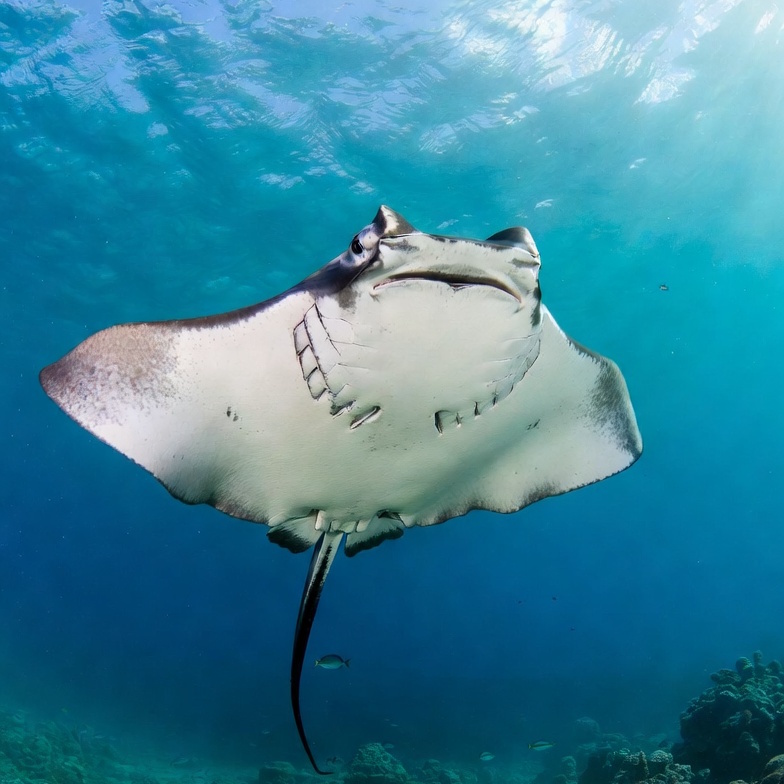
In late 2025, over 180 countries at the CITES conference in Uzbekistan agreed to grant new protections to more than 70 endangered shark and ray species.
Iconic animals like whale sharks and manta rays received the highest level of protection. It effectively bans all commercial international trade of their parts.
Deep-sea gulper sharks and smooth-hounds were also added to regulatory lists to ensure any future trade is strictly monitored and sustainable.
These measures target the lucrative markets for shark fins, liver oil, and meat that have decimated global populations.
By regulating nearly all shark species traded globally, the agreement aims to prevent total extinction and maintain the health of marine ecosystems.
1. Amazonian Bees Gain Legal Rights
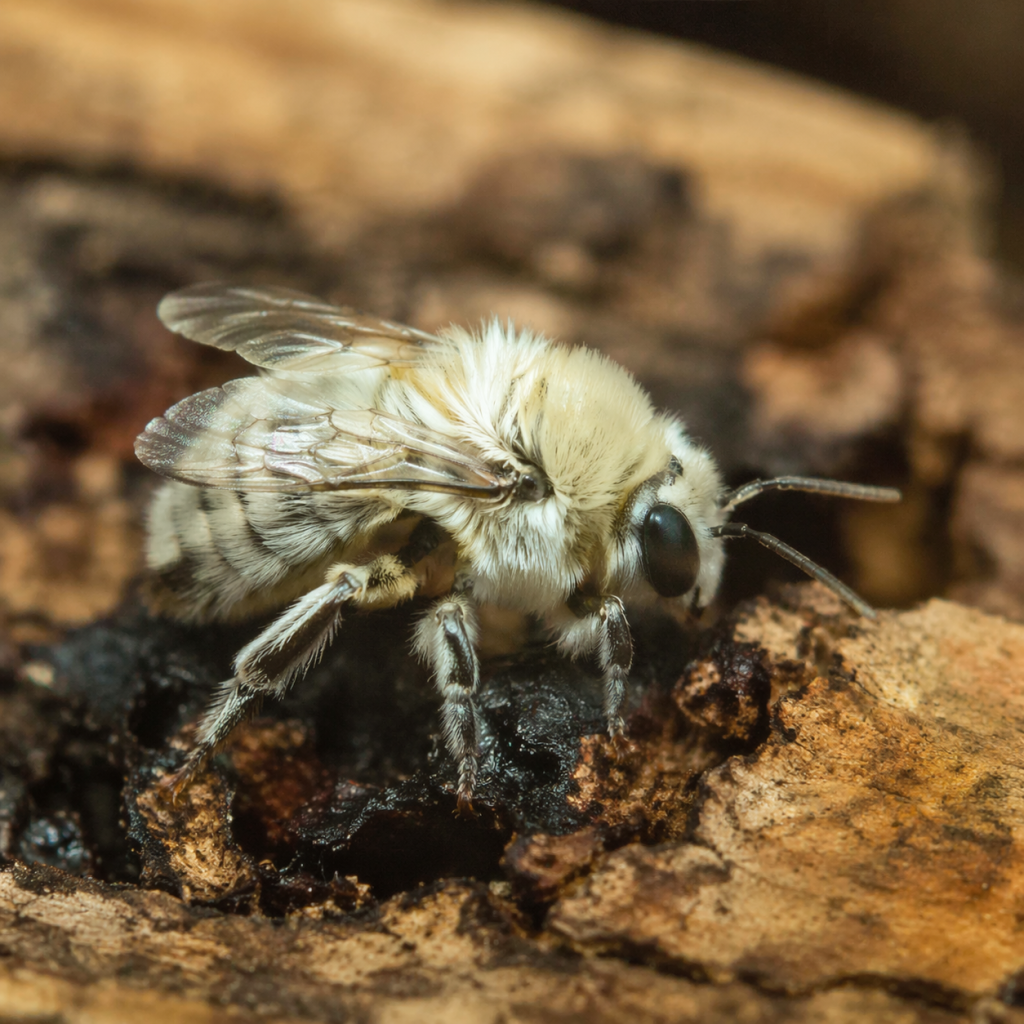
In a world-first for environmental law, native stingless bees in the Peruvian Amazon were granted formal legal rights in late 2025.
This historic milestone recognizes the insects as rights-bearing entities rather than just natural resources. It allows them to be legally represented in court to defend against threats like deforestation and pesticides.
Under these ordinances, the bees (specifically species like Melipona eburnea) and their ecosystems are granted several “inherent” rights: the right to exist and thrive, the right to a healthy habitat, the right to climate stability, and the right to legal representation.

Dr. Chris Drew is the founder of the Helpful Professor. He holds a PhD in education and has published over 20 articles in scholarly journals. He is the former editor of the Journal of Learning Development in Higher Education. [Image Descriptor: Photo of Chris]