

➡️ Video Lesson: What is Game-Based Learning?
➡️ Introduction
Game-based learning is an educational approach that uses games within lessons to enhance learning. It makes lessons more engaging and interactive for students.
This method encourages problem-solving, critical thinking, and collaboration. By incorporating games, learners can practice skills in a fun, low-stress environment.
It is defined below:
“Game-based learning is defined as the use of games as a main lesson or the enhancement of a lesson, while keeping learning as the main, desired outcome” (James, 2020).
➡️ Game-Based Learning vs Gamification
Game-based learning uses actual games to teach specific skills or knowledge, making the learning process more interactive and engaging.
In contrast, gamification applies game-like elements, such as points, badges, and leaderboards, to non-game contexts like classrooms or workplaces to motivate and enhance participation.
While game-based learning focuses on the immersive experience of playing a game to learn, gamification adds game mechanics to traditional activities to boost engagement and motivation. Both methods aim to make learning more enjoyable and effective but use different strategies to achieve this goal.
Game-Based Learning Activities (List)
1. Jeopardy-style quiz

Create a game board with categories and point values. Develop questions and answers that align with your curriculum. Divide the class into teams and have them compete by selecting categories and answering questions. This format encourages quick recall and teamwork while reviewing course material.
2. Escape room

Design a series of interconnected puzzles and clues related to your lesson content. Set a time limit for students to solve all puzzles and “escape” the room. This activity promotes problem-solving, collaboration, and critical thinking while reinforcing key concepts from your curriculum.
3. Scavenger hunt

Create a list of items or clues related to your lesson content and hide them around the classroom or school. Students can work individually or in teams to locate the items. This activity encourages active engagement with the material and can be adapted for various subjects and difficulty levels.
4. Pictionary
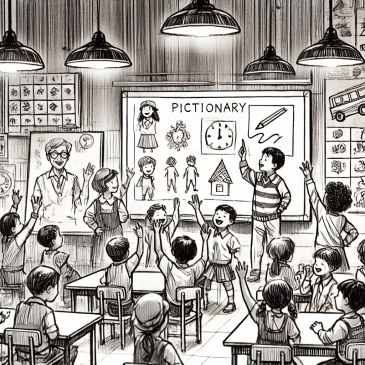
Divide the class into teams and prepare a list of terms or concepts from your current unit. Students take turns drawing while their team attempts to guess the word. This game reinforces vocabulary and visual representation of ideas, particularly useful in subjects with abstract concepts.
5. Bingo
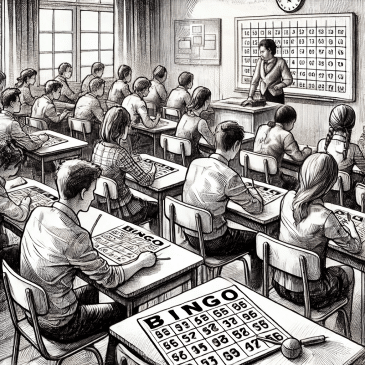
Generate bingo cards featuring key terms, dates, or concepts from your lessons. Instead of calling out the answers directly, provide clues or definitions. This approach encourages students to apply their knowledge and make connections between concepts as they play.
6. Crossword puzzles
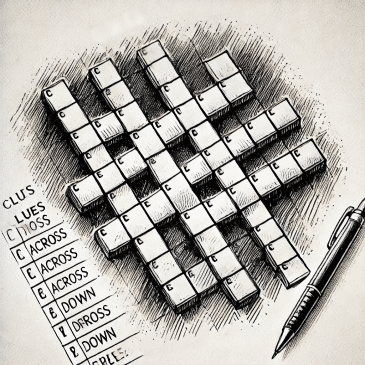
Construct a crossword puzzle using terminology and concepts from your curriculum. Craft clues that require students to apply their understanding of the material. This activity reinforces vocabulary and encourages students to think critically about the relationships between different concepts.
7. Word searches
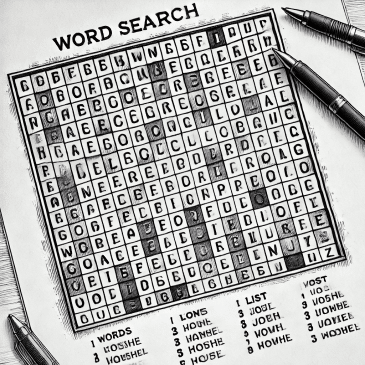
Create a grid containing hidden words relevant to your current unit. Provide students with a list of words to find. While seemingly simple, this activity can reinforce spelling and word recognition, particularly useful for technical vocabulary or foreign language classes.
8. Charades

Compile a list of terms, concepts, or historical figures related to your curriculum. Students take turns acting out these items without speaking while their team attempts to guess. This kinesthetic approach to learning can help reinforce understanding and improve retention of key ideas.
9. Taboo
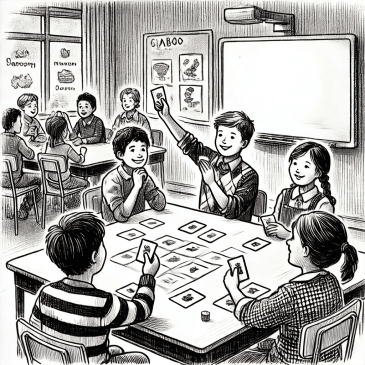
Prepare cards with a main term and a list of related words that cannot be used to describe it. Students must find alternative ways to explain the main term without using the taboo words. This game enhances vocabulary, encourages lateral thinking, and reinforces connections between concepts.
10. Flashcard races
Create a set of flashcards with questions on one side and answers on the other. Divide the class into teams and have them compete to correctly answer as many cards as possible within a set time limit. This high-energy activity is particularly effective for reviewing factual information or mathematical concepts.
11. Trivial Pursuit-style game
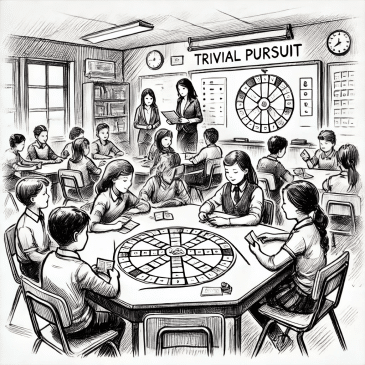
Develop question cards in various categories related to your curriculum. Design a game board with spaces representing these categories. Students roll dice, move around the board, and answer questions to progress. This game format allows for comprehensive review across multiple topics.
12. Educational board game

Design a custom board game that incorporates key elements of your lesson content. Include spaces that require players to answer questions, solve problems, or complete tasks related to the material. This adaptable format can be tailored to any subject and encourages engagement with course content in a fun, competitive environment.
13. Scrabble-style word game

Provide students with letter tiles and challenge them to create words related to your current unit of study. Assign point values based on word length or the use of specific letters. This game reinforces spelling and vocabulary while encouraging students to think creatively about subject-specific terminology.
14. Simon Says
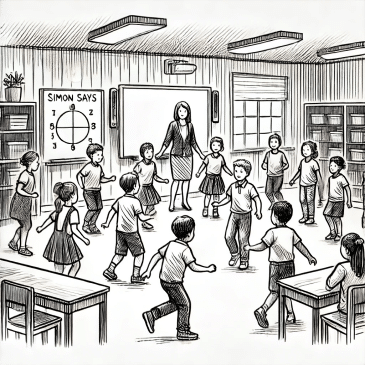
Adapt the classic game by incorporating actions or gestures related to your lesson content. For example, in a biology class, you might say, “Simon says point to your patella.” This kinesthetic approach can be particularly effective for subjects that involve physical processes or spatial relationships.
15. Hangman
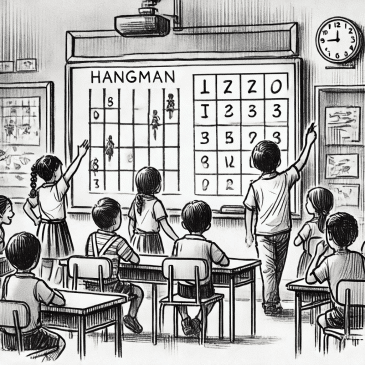
Select words or phrases from your curriculum as the hidden answers. As students guess letters, incorporate discussion about the word’s meaning or significance to the lesson. This game can serve as a springboard for deeper conversations about key concepts while reinforcing spelling and vocabulary.
16. Quiz bowl

Prepare a series of questions covering various aspects of your curriculum. Divide the class into teams and use a buzzer system or raised hands for students to indicate when they want to answer. This fast-paced game format encourages quick recall and promotes healthy competition.
17. Memory matching game
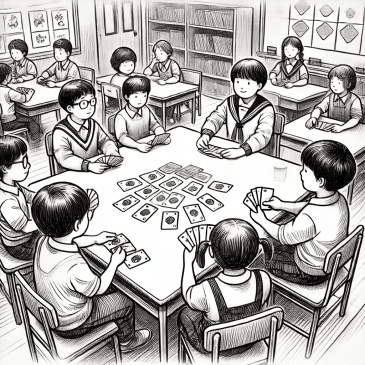
Create pairs of cards that match related concepts, such as terms and definitions, causes and effects, or historical figures and their accomplishments. Students turn over cards two at a time, attempting to find matches. This game reinforces connections between ideas and improves recall of paired information.
18. Math fact races

Write a series of math problems on the board, ranging in difficulty. Divide the class into teams and have one member from each team race to solve a problem correctly. This activity promotes quick mathematical thinking and can be adapted to various skill levels.
19. Geography guessing game

Provide clues about a specific location without naming it directly. Students attempt to identify the place based on the given information. This game enhances geographical knowledge and encourages students to make connections between various characteristics of locations.
20. Historical timeline game
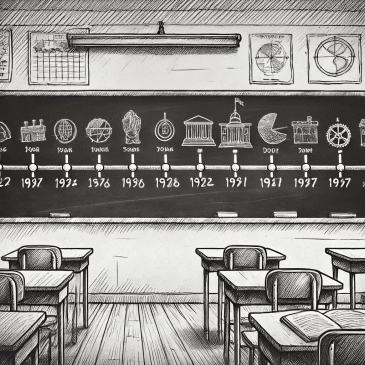
Create cards featuring significant historical events. Distribute these cards to students, who must then arrange themselves in chronological order. This kinesthetic activity helps students visualize the sequence of historical events and understand their relative timing.
21. Science experiment bingo

Design bingo cards featuring scientific terms, concepts, or equipment. Conduct a series of simple experiments or demonstrations in class. Students mark their cards when they observe something that matches an item on their card. This game reinforces scientific vocabulary and observational skills.
22. Vocabulary charades

Select vocabulary words from your current unit and have students act them out without speaking. Other students attempt to guess the word based on the actions. This game encourages students to think deeply about the meaning and context of words, reinforcing their understanding.
23. Literature character guessing game

Choose a character from a book your class has studied. Students ask yes or no questions to deduce the character’s identity. This game promotes close reading and character analysis skills, encouraging students to recall and synthesize details from the text.
24. Math problem solving relay

Set up stations around the classroom, each with a different math problem. Divide the class into teams, with each member solving one problem before tagging the next teammate. This activity combines problem-solving skills with the excitement of a relay race, promoting both individual accountability and team cooperation.
25. Role-playing historical events

Assign students roles from a specific historical event or period. Provide them with background information and objectives for their characters. Have students act out the event, making decisions based on their character’s perspective. Follow up with a discussion on the historical accuracy and implications of their choices.
Pin Collection for Article


References
James, M. (2020). The impact of game-based learning in a special education classroom. Master’s Thesis. (Access here)

Dr. Chris Drew is the founder of the Helpful Professor. He holds a PhD in education and has published over 20 articles in scholarly journals. He is the former editor of the Journal of Learning Development in Higher Education. [Image Descriptor: Photo of Chris]