


In a world increasingly dominated by screens and instant gratification, many fundamental life skills are quietly slipping away.
While technology offers incredible advancements, it also inadvertently sidelines some basic competencies that were once considered essential for growing up.
Let’s explore 27 basic skills that many kids today simply haven’t had the chance to master, often due to technological convenience.
27. Counting Change

Remember when grocery store checkout lines involved actual math?
Kids today often rely solely on digital payments or expect the cashier to do all the calculations.
The skill of quickly adding and subtracting coins in your head is slowly fading.
Understanding how to make sure you’ve received the correct change is a practical life skill.
26. Reading Analog Clocks
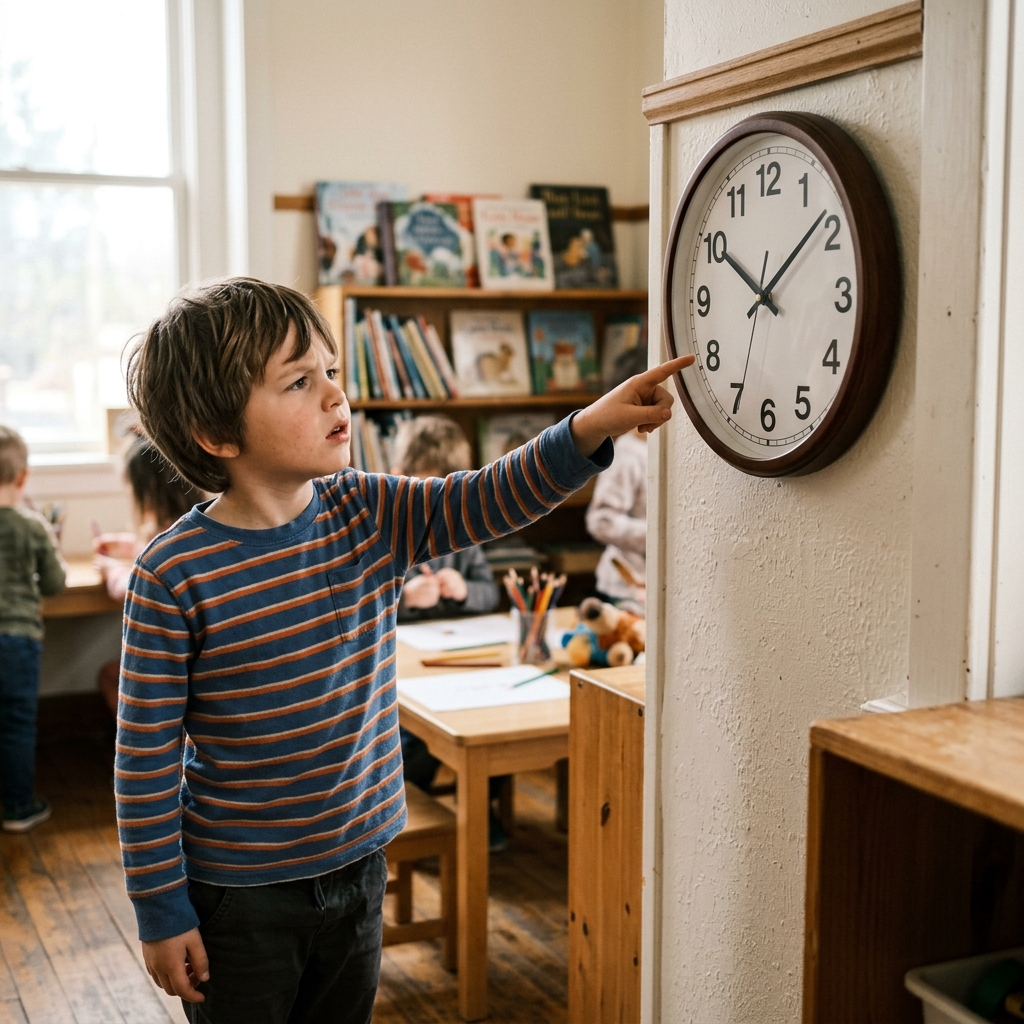
In a world of digital displays, reading a clock with hands can feel like a foreign language to some children.
Many public spaces and homes have replaced traditional clocks with digital versions.
This skill involves understanding fractions and spatial reasoning, which are valuable cognitive exercises.
Telling time from an analog clock is a foundational concept that helps with time management and scheduling.
25. Writing in Cursive
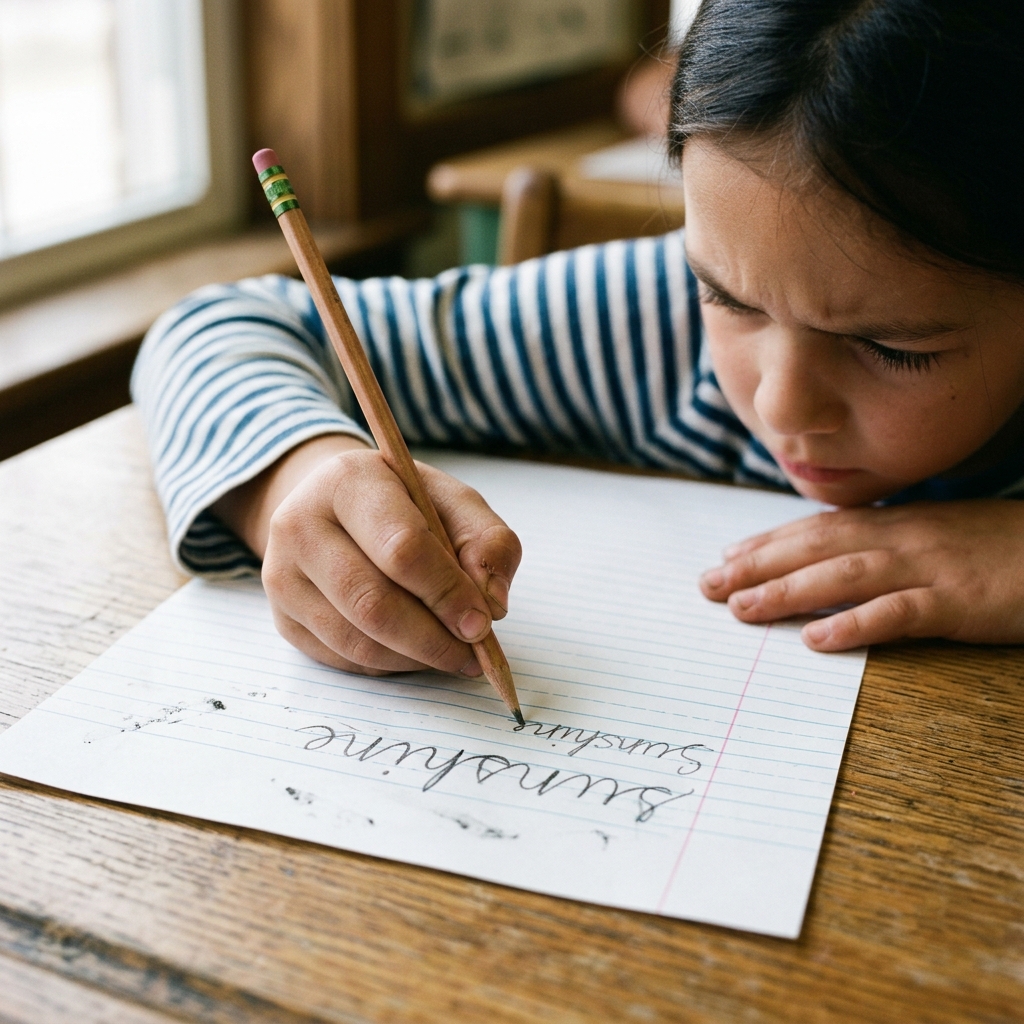
The art of cursive writing, once a staple of elementary education, is becoming a forgotten skill.
Many schools have dropped it from the curriculum in favor of keyboarding skills.
Without it, kids might struggle to read historical documents, old letters, or even their grandparents’ handwriting.
Cursive also helps with fine motor skills and connects us to a rich tradition of written communication.
24. Memorizing Phone Numbers

With contacts saved directly to smartphones, memorizing phone numbers seems almost obsolete.
However, knowing a few key numbers by heart can be crucial in an emergency when a device isn’t accessible.
This simple act of memorization strengthens memory skills and provides a sense of security.
It’s a small but significant step towards self-reliance.
23. Reading a Paper Map

GPS has made navigation incredibly convenient, but it’s also made reading a traditional paper map a rare skill.
Understanding how to orient a map, read a legend, and plan a route requires spatial reasoning and problem-solving.
These abilities are valuable far beyond just finding your way; they build cognitive flexibility.
Being able to interpret a map gives a deeper understanding of geography and direction.
22. Spelling Without Autocorrect

Autocorrect is a fantastic tool for quick communication, but it can hinder the development of strong spelling skills.
Many children rely on their devices to correct mistakes, rather than learning the correct spellings themselves.
Developing an innate sense of spelling improves writing quality and confidence.
It’s an important aspect of clear and effective written communication that shouldn’t be outsourced to AI.
21. Basic Mental Math

Calculators on every device mean that mental arithmetic is less frequently practiced by today’s youth.
The ability to quickly add, subtract, multiply, and divide in your head is incredibly useful for everyday situations.
It sharpens the mind, improves number sense, and builds confidence in mathematical abilities.
From budgeting to cooking, mental math empowers individuals to make quick, accurate calculations without external tools.
20. Using a Dictionary

Online search engines and digital spell-checkers have replaced the tactile experience of flipping through a physical dictionary.
Using a dictionary teaches alphabetical order, strengthens vocabulary, and encourages independent learning.
It’s a valuable skill for understanding word origins and nuances of language.
This traditional tool offers a deeper engagement with language than a quick digital lookup.
19. Addressing an Envelope

In the age of email and instant messaging, sending a physical letter is a rare occurrence for many kids.
Knowing how to correctly address an envelope, including return addresses and stamps, is a basic administrative skill.
It teaches attention to detail and an understanding of postal systems.
This small act ensures your message reaches its intended recipient through traditional means.
18. Writing a Formal Letter

Formal written communication, such as a thank-you note or a complaint letter, often feels outdated in a text-driven world.
The ability to structure a formal letter, use appropriate tone, and convey a message respectfully is incredibly important.
It demonstrates professionalism and strong communication etiquette.
Mastering this skill prepares individuals for various professional and personal interactions.
17. Using Proper Table Manners

Casual dining and screen-time at meals can sometimes lead to a neglect of basic table manners.
Knowing how to use cutlery correctly, chew with your mouth closed, and engage in polite conversation at the dinner table are essential.
These manners show respect for others and enhance social interactions.
Good table etiquette is a cornerstone of social grace and confidence in various settings.
16. Holding a Face-to-Face Conversation

With so much communication happening digitally, the nuances of in-person conversation can be challenging for some.
This involves active listening, turn-taking, and understanding non-verbal cues.
Developing strong conversational skills builds empathy and strengthens relationships.
It’s a foundational element of human connection that screens cannot fully replicate.
15. Making Eye Contact

Constant screen interaction can sometimes lead to a habit of looking down or away during social interactions.
Making appropriate eye contact signals attentiveness, honesty, and confidence.
It’s a crucial non-verbal cue that fosters trust and understanding in communication.
Teaching children to comfortably make eye contact improves their social presence and emotional intelligence.
14. Listening Without Interrupting

The rapid-fire nature of online interactions can make patient listening a challenge.
Active listening involves truly hearing and processing what someone is saying before formulating a response.
This skill demonstrates respect and allows for deeper, more meaningful conversations.
It’s vital for effective communication and building strong interpersonal bonds.
13. Following Written Instructions
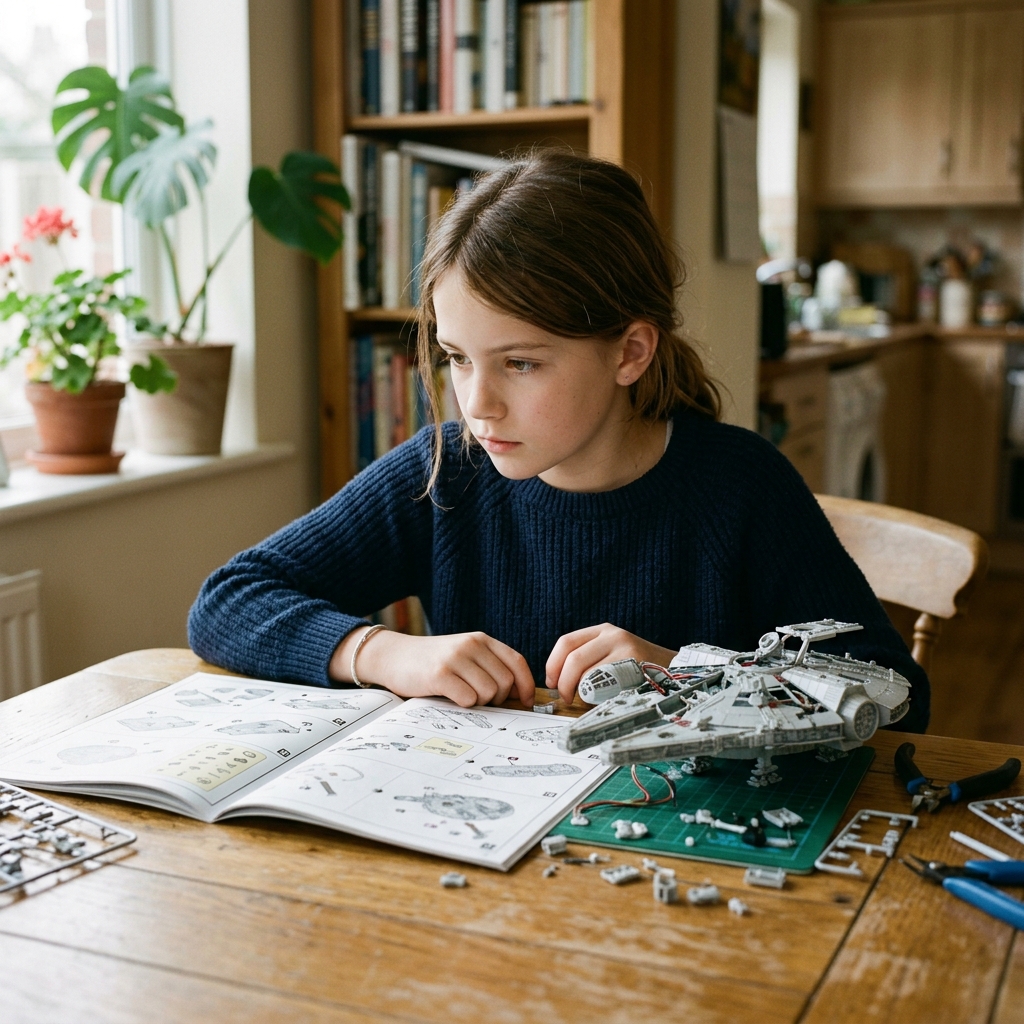
Many digital platforms often simplify tasks with visual cues or interactive prompts, reducing the need to read detailed written instructions.
The ability to carefully read, understand, and execute a series of written steps is fundamental for academic and practical success.
It teaches patience, attention to detail, and independent problem-solving.
This skill is essential for everything from assembling furniture to completing complex assignments.
12. Remembering Directions

GPS systems have made remembering a series of turns and landmarks almost unnecessary.
However, developing an internal sense of direction and the ability to recall verbal directions strengthens cognitive mapping skills.
This skill builds spatial awareness and can be incredibly useful when technology isn’t available.
It fosters a deeper connection to one’s environment and enhances independent navigation.
11. Using a Calendar
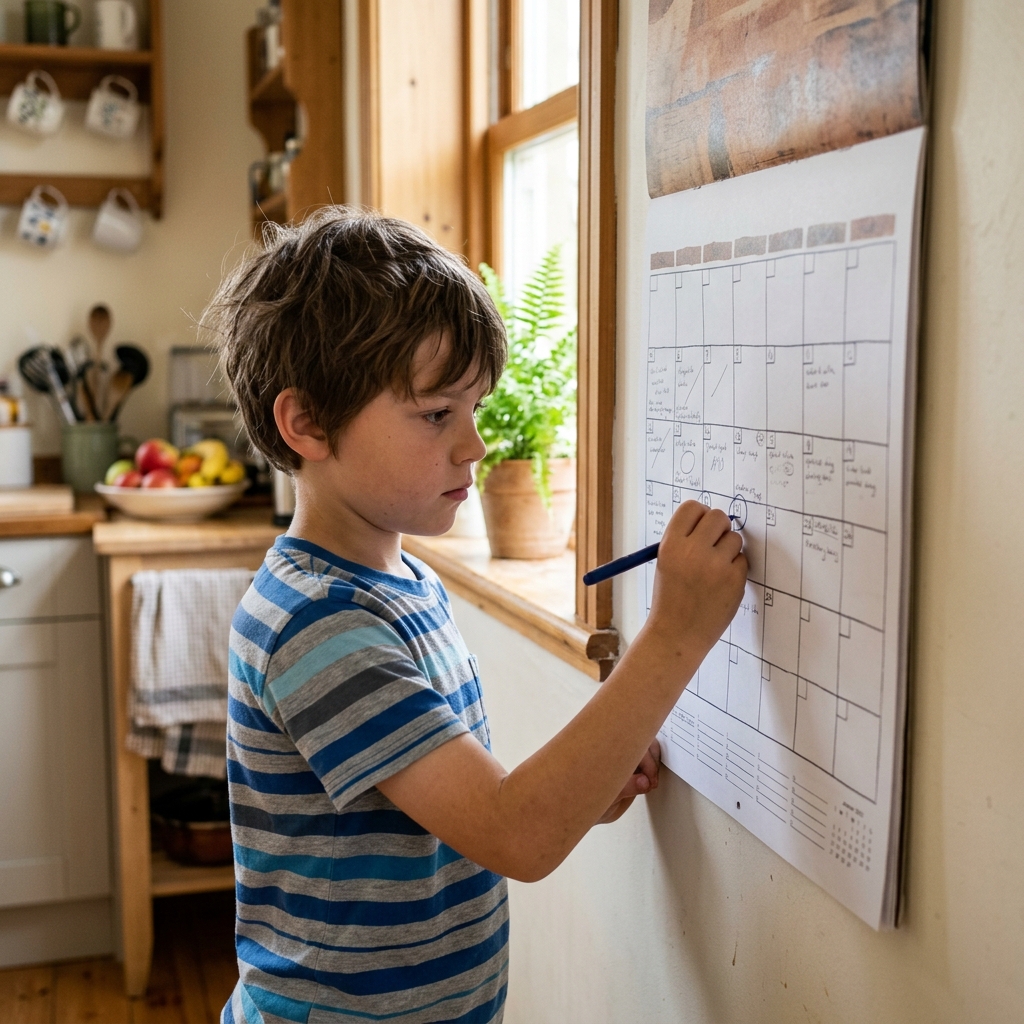
While digital calendars are ubiquitous, understanding and utilizing a physical calendar teaches valuable organizational skills.
Marking dates, scheduling events, and planning ahead on a tangible calendar provides a visual and tactile sense of time management.
It helps children grasp the concept of time, sequence, and future planning.
This hands-on approach to scheduling can be a powerful tool for developing responsibility.
10. Estimating Measurements

Precise digital tools often remove the need for quick, on-the-fly estimations.
The ability to eyeball a length, weight, or volume without a measuring device is a practical skill for everyday life.
It hones observational skills and develops an intuitive understanding of quantities.
From cooking to DIY projects, estimation is a valuable shortcut that builds confidence.
9. Reading Roman Numerals
Roman numerals, while not frequently used in daily life, still appear on clocks, monuments, and in historical contexts.
Learning to read them provides a glimpse into different numerical systems and historical perspectives.
It’s a fun mental exercise that also helps with pattern recognition and problem-solving.
Understanding Roman numerals connects children to a broader cultural and mathematical heritage.
8. Keeping a Simple Schedule

Digital reminders and parental oversight often mean kids don’t manage their own daily schedules.
Learning to keep track of appointments, homework, and activities independently builds responsibility and time management.
Using a simple planner or notebook teaches organization and foresight.
This foundational skill helps children become more self-sufficient and prepared for future commitments.
7. Writing Notes by Hand

Typing notes on a keyboard is fast, but studies suggest that writing notes by hand enhances memory and comprehension.
The act of physically writing engages different parts of the brain, leading to better retention of information.
It also encourages summarizing and synthesizing information rather than simply transcribing.
This traditional method can be a powerful tool for deeper learning and creative expression.
6. Recognizing Coins and Bills
In a cashless society, some children may not have much experience handling physical currency.
Being able to quickly identify different denominations of coins and bills is crucial for understanding money and making transactions.
This skill forms the basis of financial literacy and independence.
It’s a foundational step towards managing personal finances in the real world.
5. Waiting Patiently Without Screens

The instant entertainment of smartphones and tablets often removes the need to simply wait and be patient.
Learning to tolerate boredom, observe one’s surroundings, or simply sit quietly teaches self-regulation and mindfulness.
This skill is essential for developing patience and an appreciation for quiet moments.
It encourages children to engage with their internal thoughts or external environment rather than seeking immediate digital distraction.
4. Writing a Check

While less common today, knowing how to properly write a check is still a basic financial skill.
It teaches attention to detail, understanding of financial instruments, and careful record-keeping.
This skill provides a tangible understanding of how money moves between accounts.
It’s a useful competency for certain transactions and understanding personal finance.
3. Being Comfortable Being Bored

With endless digital content, many children never truly experience prolonged periods of boredom.
Embracing boredom is crucial for fostering creativity, imagination, and independent play.
It encourages children to invent games, read books, or simply ponder, leading to deeper self-discovery.
This ability to entertain oneself without external stimuli is a cornerstone of a rich inner life.
2. Remembering Facts Without Looking Them Up

The internet provides instant answers to almost any question, reducing the need to commit facts to memory.
However, developing a strong general knowledge base and the ability to recall information strengthens cognitive function.
It builds a foundation for critical thinking and helps connect disparate pieces of information.
Having facts readily available in one’s mind empowers quicker decision-making and deeper conversations.
1. Using Libraries

While online resources are vast, the physical library offers a unique experience of discovery and community.
Knowing how to navigate a library, use its catalog, and access diverse resources teaches research skills and fosters a love for learning.
It provides access to books, media, and programs, often for free, and connects individuals to knowledgeable librarians.
The library remains a vital hub for independent exploration, literacy, and community engagement beyond the digital realm.

Joan Jacobs