

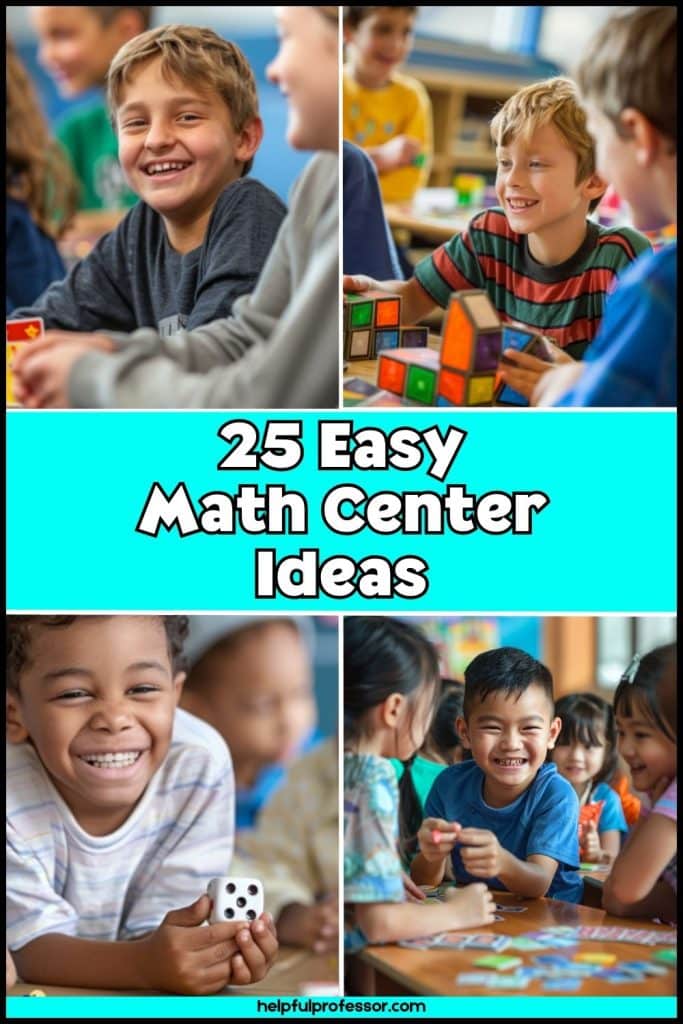
A math center is a designated area in a classroom where students engage in various hands-on and interactive math activities. It provides a structured yet flexible environment for students to practice and reinforce math concepts through games, manipulatives, and problem-solving tasks. Math centers encourage independent learning, collaboration, and the application of math skills in fun and meaningful ways.
Math Center Ideas
1. Pattern Blocks

Use pattern blocks in your math center to help students explore shapes and spatial relationships. Students can create designs and patterns, which helps them understand symmetry and geometric concepts. Incorporate activities where they combine shapes to form new ones, reinforcing concepts like fractions. Pattern blocks are a great way to engage students in hands-on learning and boost their creativity.
2. Math Puzzles
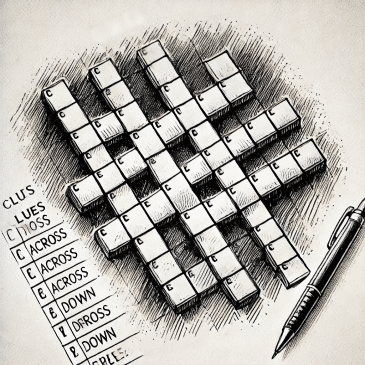
Introduce math puzzles in your math center to challenge students and develop their problem-solving skills. Provide a variety of puzzles, such as crosswords, Sudoku, and logic grids, to cater to different interests and abilities. These activities promote critical thinking and logical reasoning. Math puzzles make learning math fun and interactive, encouraging persistence and engagement.
3. Number Line Games
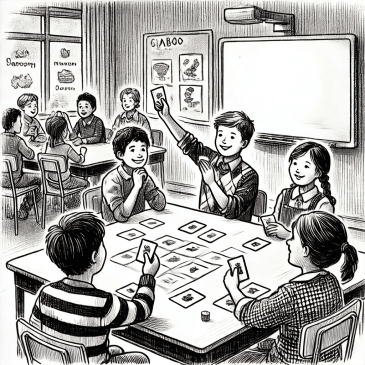
Number line games are a fantastic addition to your math center, helping students grasp numerical order and basic arithmetic operations. Create games where students hop along the number line to reach target numbers or place numbers in sequence. These activities reinforce place value and numerical relationships. Number line games are particularly effective for visual and kinesthetic learners, making abstract concepts more tangible.
4. Counting Bears

Counting bears are perfect for your math center to help young learners with counting, sorting, and basic arithmetic. Provide activities where students group bears by color, size, or number, teaching one-to-one correspondence and classification. Use the bears for simple addition and subtraction exercises. Counting bears offer a tactile and visual learning experience, making abstract math concepts more concrete for young students.
5. Geometric Shapes Exploration
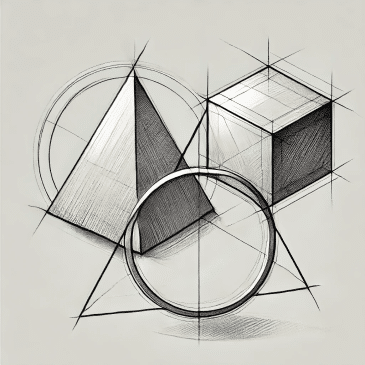
Incorporate geometric shapes exploration in your math center to engage students with hands-on activities. Use shape blocks, drawing exercises, or building materials like straws and connectors to teach properties of shapes, such as sides and angles. Activities can include comparing and constructing shapes, as well as exploring symmetry and congruence. This hands-on exploration helps students build a strong foundation in geometry and spatial reasoning.
6. Math Fact Flashcards
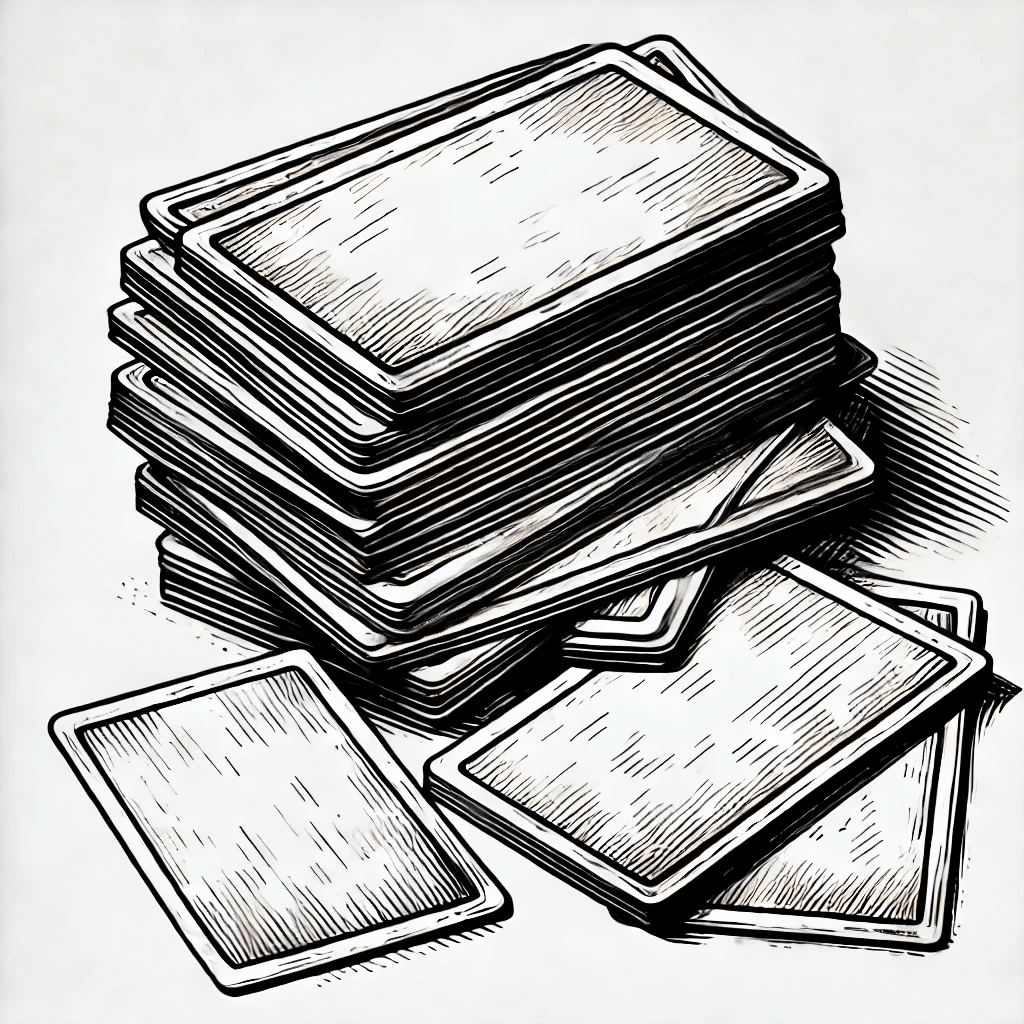
Use math fact flashcards in your math center to help students practice and memorize basic arithmetic facts. Flashcards can cover addition, subtraction, multiplication, and division, allowing students to work at their own pace. Create activities where students quiz each other or play games to reinforce their learning. Flashcards are a quick and effective way to build fluency and confidence in math.
7. Tangrams
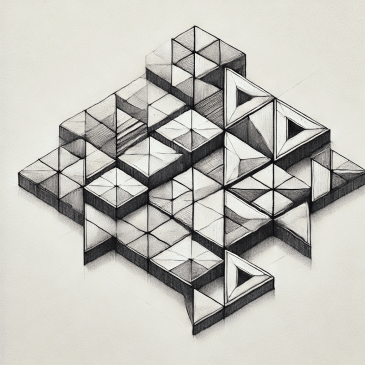
Introduce tangrams in your math center to engage students with spatial reasoning and geometric concepts. Provide sets of seven-piece puzzles that students can use to form various shapes and figures. Encourage them to solve tangram challenges and create their own designs. Tangrams help students understand properties of shapes, symmetry, and fractions in a hands-on, creative way.
8. Sudoku

Incorporate Sudoku puzzles in your math center to develop students’ logical thinking and number sense. Provide puzzles of varying difficulty levels to cater to different abilities. Sudoku requires students to use deduction and pattern recognition to fill in missing numbers. It’s a great way to challenge students and improve their problem-solving skills while having fun.
9. Fraction Circles
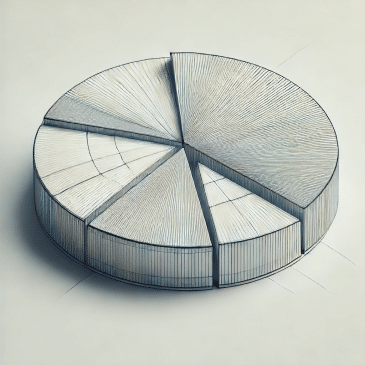
Use fraction circles in your math center to help students visualize and understand fractions. Provide sets of colored circles divided into different fractional parts (e.g., halves, thirds, quarters). Create activities where students compare, add, and subtract fractions using these manipulatives. Fraction circles make abstract fraction concepts more concrete and easier to grasp.
10. Money Counting Games
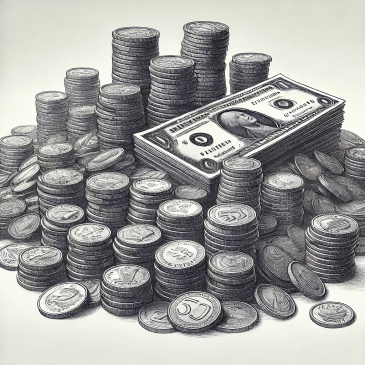
Introduce money counting games in your math center to teach students about currency and basic financial literacy. Provide play money and create activities where students practice counting coins and bills, making change, and solving real-life money problems. These games help students understand the value of money and develop their addition and subtraction skills. Money counting games are practical and engaging, preparing students for real-world situations.
11. Base Ten Blocks
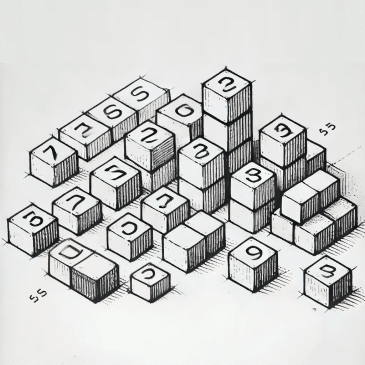
Use base ten blocks in your math center to help students understand place value and number sense. Provide blocks representing ones, tens, hundreds, and thousands for students to manipulate. Activities can include building numbers, performing addition and subtraction, and understanding regrouping. Base ten blocks offer a visual and tactile way to grasp the concept of place value and arithmetic operations.
12. Domino Math
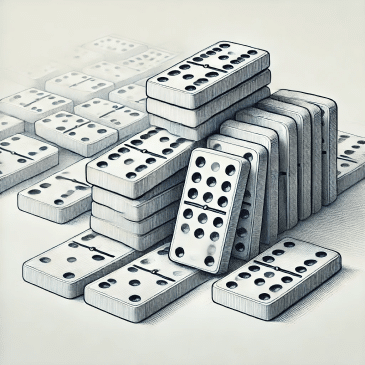
Incorporate domino math in your math center to make learning addition and subtraction fun. Provide sets of dominoes and create activities where students match numbers, add up the dots, or solve subtraction problems. Dominos can also be used for multiplication and division practice. This game-based approach keeps students engaged while reinforcing their math skills.
13. Measurement Activities
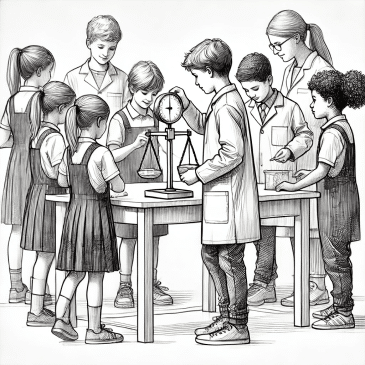
Introduce measurement activities in your math center to help students understand length, weight, and volume. Provide rulers, measuring tapes, scales, and measuring cups for hands-on exploration. Activities can include measuring objects around the classroom, comparing weights, and experimenting with capacity. Measurement activities make math practical and relevant to everyday life.
14. Graphing Activities

Use graphing activities in your math center to teach students about data collection and interpretation. Provide graph paper, charts, and various data sets for students to create bar graphs, line graphs, and pie charts. Activities can include graphing results from class surveys or science experiments. Graphing helps students understand how to organize and analyze information visually.
15. Symmetry Drawing
Incorporate symmetry drawing in your math center to help students understand symmetry and geometry. Provide worksheets with half-drawn images for students to complete symmetrically. Activities can also include creating their own symmetrical designs using mirrors or drawing tools. Symmetry drawing enhances spatial awareness and reinforces geometric concepts in a creative and engaging way.
16. Telling Time Activities
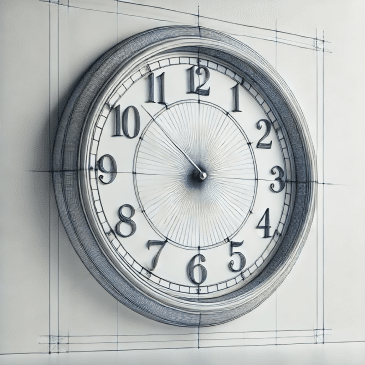
Use telling time activities in your math center to help students learn how to read analog and digital clocks. Provide clocks with movable hands, worksheets, and time-related games. Activities can include matching times, setting clocks to specific times, and solving time-related word problems. These activities help students understand the concept of time and improve their time-telling skills.
17. Math Bingo
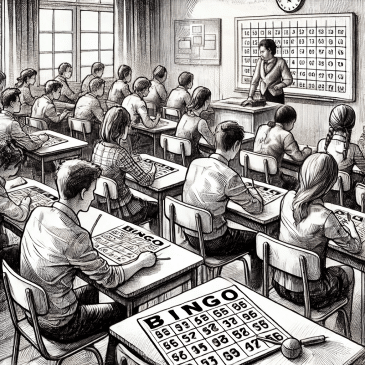
Introduce math bingo in your math center to make practicing math facts fun and interactive. Create bingo cards with math problems in the squares and call out answers for students to find and mark. This can be adapted for various math skills, including addition, subtraction, multiplication, and division. Math bingo promotes quick thinking and reinforces math facts in an enjoyable way.
18. Problem-Solving Cards
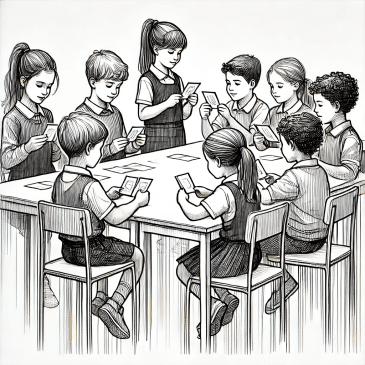
Use problem-solving cards in your math center to challenge students with a variety of math word problems. Provide a set of cards with different types of problems that require logical reasoning and mathematical operations to solve. Students can work individually or in pairs to discuss and solve these problems. Problem-solving cards encourage critical thinking and help students apply math skills to real-world situations.
19. Place Value Activities
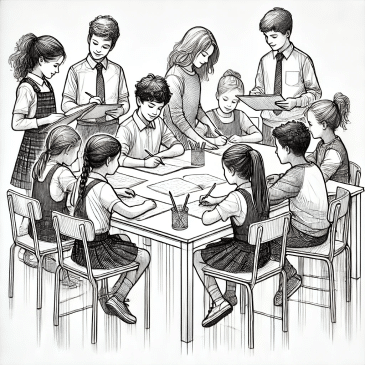
Incorporate place value activities in your math center to strengthen students’ understanding of number value and structure. Provide activities like building numbers with base ten blocks, creating place value charts, and playing games that involve identifying and comparing place values. These activities help students grasp the concept of units, tens, hundreds, and beyond. Place value activities are essential for developing strong number sense and arithmetic skills.
20. Math Journals
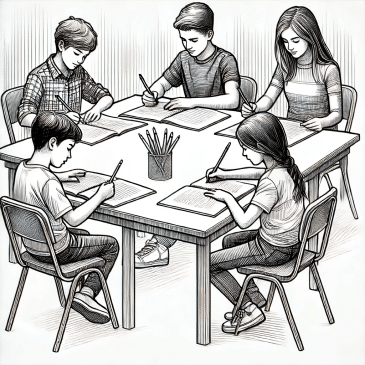
Introduce math journals in your math center to encourage students to reflect on their math learning and problem-solving processes. Provide journals where students can write about their math activities, explain their thinking, and solve problems. Regular journal entries help students articulate their understanding and track their progress over time. Math journals foster a deeper connection to math concepts and improve written communication skills in math.
21. Dice Games
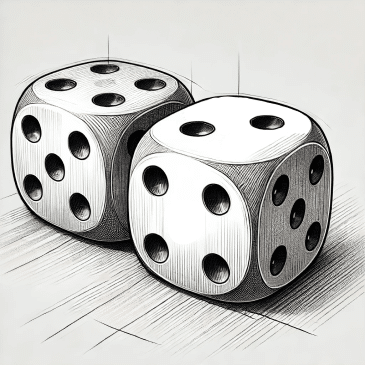
Incorporate dice games in your math center to make learning math facts and operations exciting. Provide various dice and create games where students roll to generate numbers for addition, subtraction, multiplication, or division problems. Activities can also include probability experiments and creating their own math games. Dice games add an element of chance and fun, keeping students engaged while practicing essential math skills.
22. Math Story Books

Use math storybooks in your math center to combine literacy and math learning. Provide a selection of books that incorporate math concepts within engaging stories. After reading, have students discuss the math ideas presented and complete related activities or problems. Math storybooks make math relatable and enjoyable, helping students see the practical applications of math in everyday life.
23. Estimation Jar
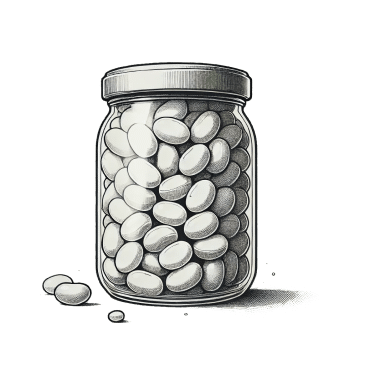
Introduce an estimation jar in your math center to develop students’ estimation and number sense skills. Fill a jar with a large quantity of small items, such as beans or marbles, and have students estimate the total number. Discuss estimation strategies and compare their guesses to the actual count. This activity promotes critical thinking and helps students become more comfortable with making educated guesses.
24. Algebra Tiles

Incorporate algebra tiles in your math center to help students understand algebraic concepts visually. Provide sets of tiles representing variables and constants for students to use in solving equations and exploring algebraic expressions. Activities can include building and simplifying expressions, solving equations, and visualizing distributive properties. Algebra tiles make abstract algebra concepts more concrete and accessible.
25. Multiplication War Cards

Use multiplication war cards in your math center to practice multiplication facts in a fun and competitive way. Provide decks of cards where each card has a multiplication problem, and students play a game similar to the traditional card game “War.” The student with the highest product wins the round. This game reinforces multiplication skills and encourages quick recall of math facts while keeping students engaged.

Dr. Chris Drew is the founder of the Helpful Professor. He holds a PhD in education and has published over 20 articles in scholarly journals. He is the former editor of the Journal of Learning Development in Higher Education. [Image Descriptor: Photo of Chris]