


The following list highlights some of the most baffling and restrictive regulations found in planned communities across the country.
While these stories sound like urban legends, they are documented cases of neighborhood governance taken to the ultimate extreme.
To respect the privacy of the homeowners involved and avoid unnecessary legal entanglements, we have omitted the specific names of the associations and developments.
These examples serve as a cautionary look at what can happen when the quest for “curb appeal” overrides common sense.
27. Fines for Grass That Is One-Half Inch Too Long
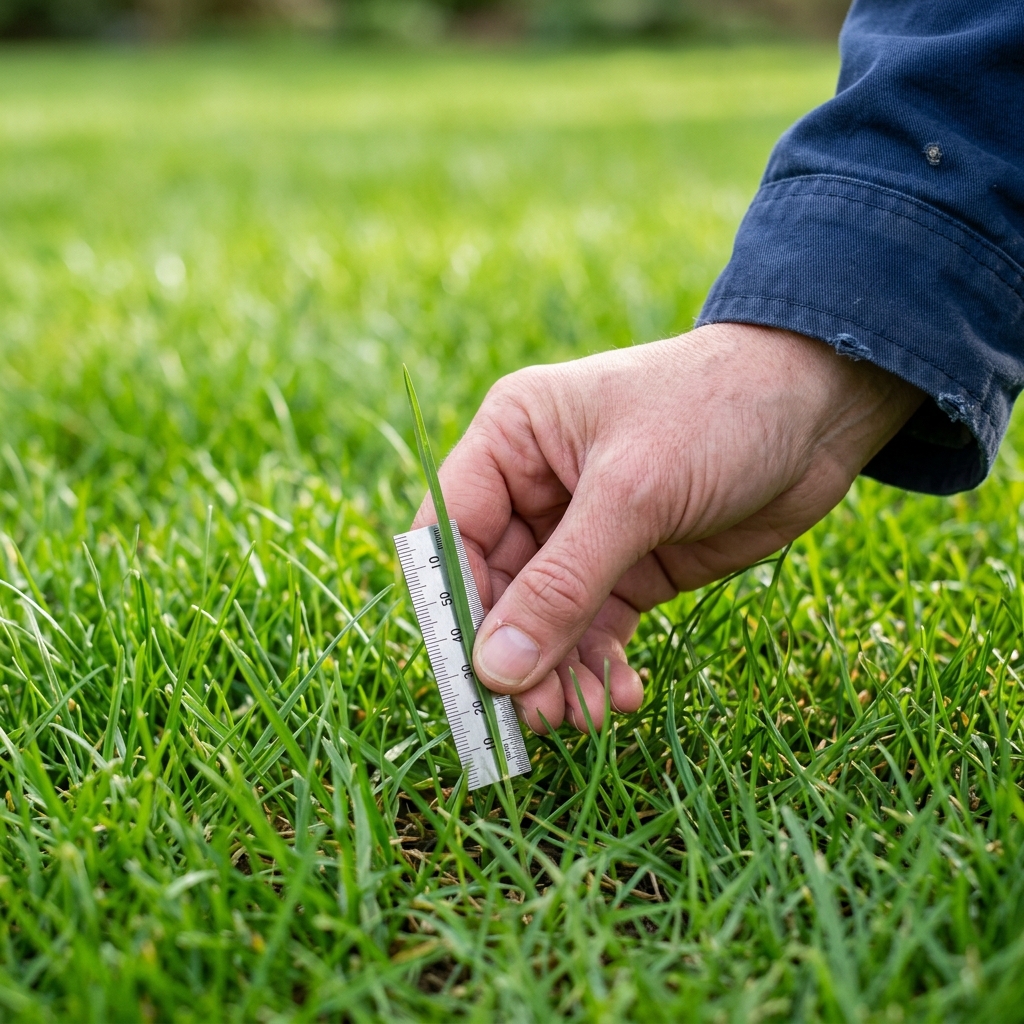
The most common HOA horror story involves the “ruler-wielding” board member who measures individual blades of grass.
If the limit is 3 inches and your lawn hits 3.5, you can expect a fine in the mail.
This requires homeowners to be professional-grade landscapers just to avoid penalties.
It turns the simple act of growing a lawn into a high-stakes game of inches.
26. No “Inflatable” Items Allowed in Backyards
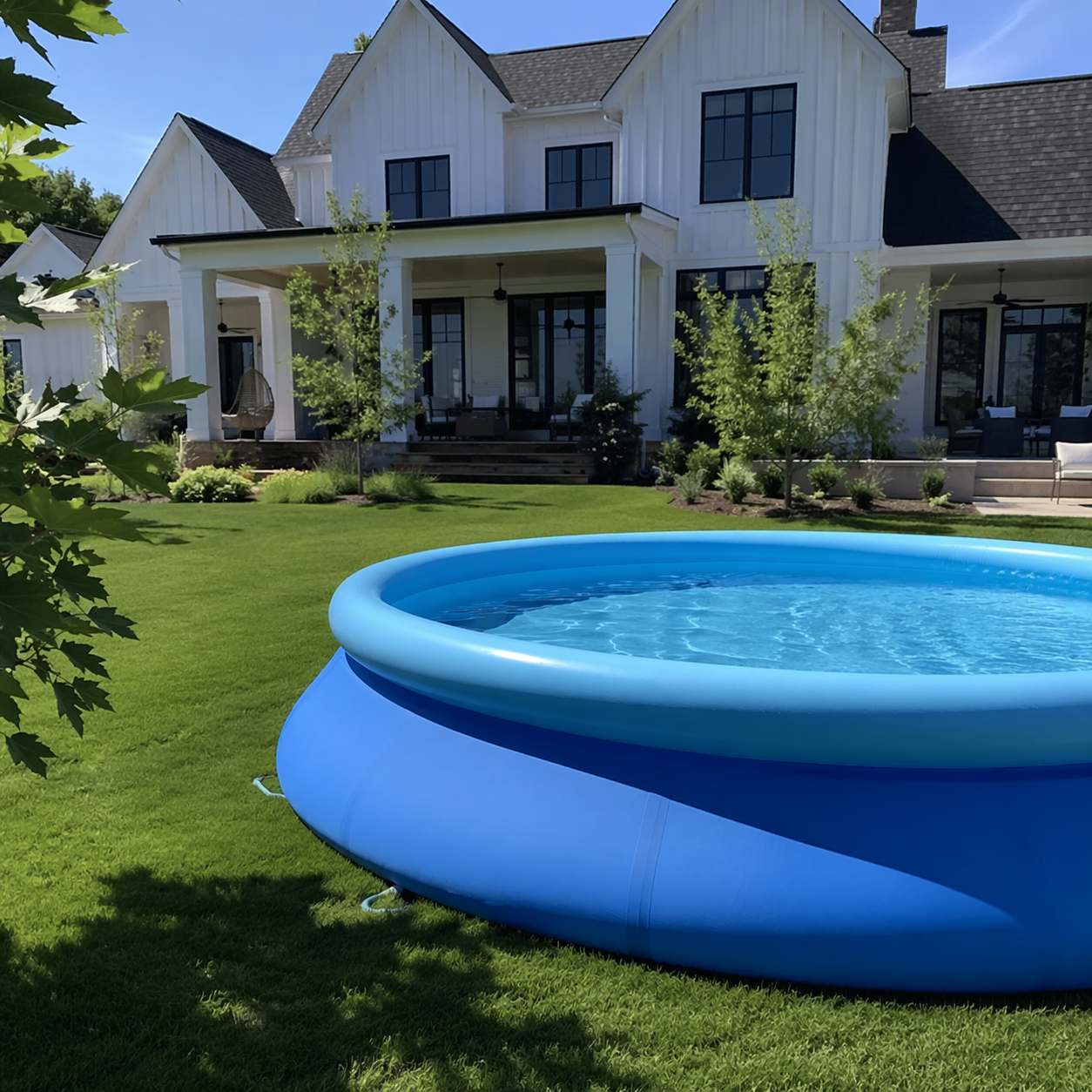
This doesn’t just apply to holiday decorations; it often includes kiddie pools and temporary bouncy houses for birthdays.
The board views anything filled with air as a “tacky” addition to the landscape.
Even if the item is only out for a few hours, a vigilant neighbor can report the “unauthorized structure.”
It makes hosting a simple children’s party a stressful exercise in rule-following.
25. Standardized Curtain Liners Must Be White
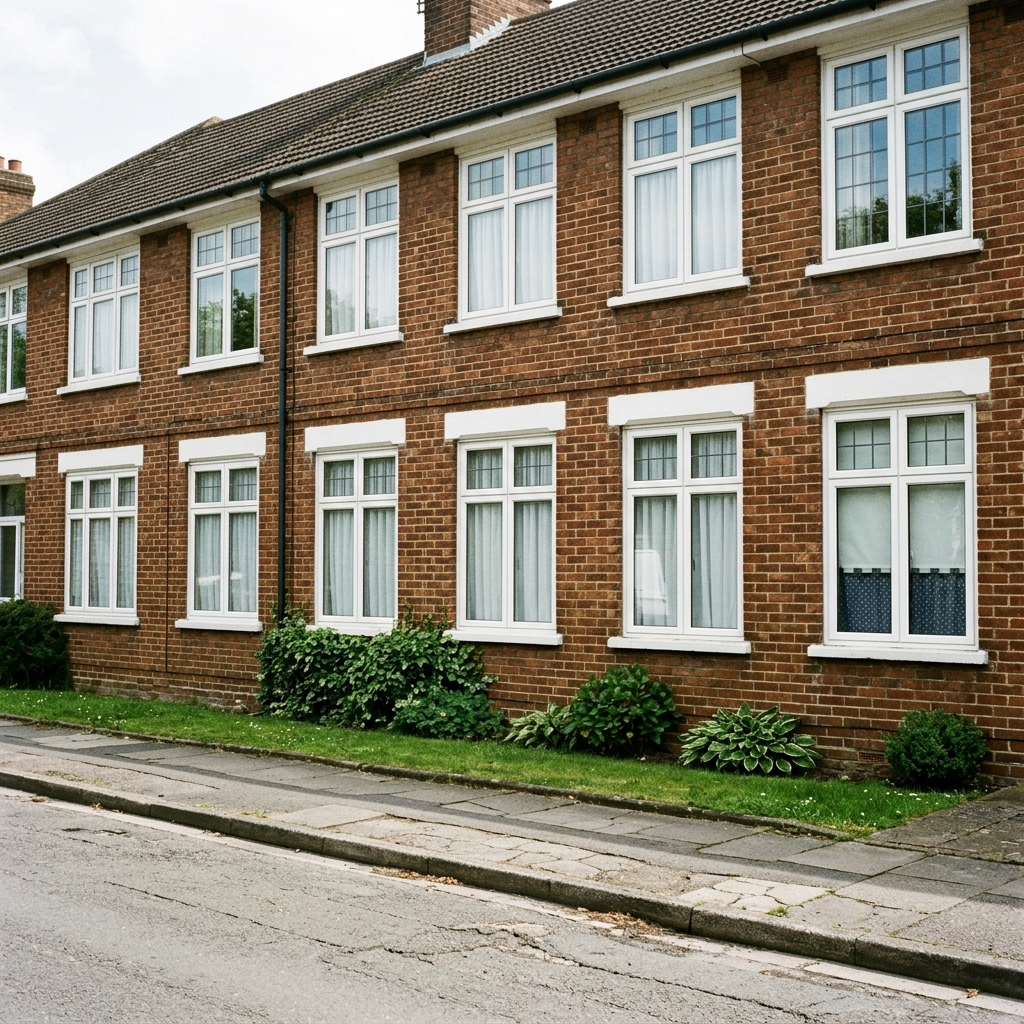
You can have whatever color curtains you want on the inside, but the side facing the street must be white or off-white.
This ensures that every window in the development looks identical from the sidewalk.
If a resident uses a patterned or dark liner, they will receive a letter demanding a change.
This rule ensures that the “soul” of the house is hidden behind a wall of mandatory neutral fabric.
24. Mandatory Shrubbery to Hide External Utility Meters
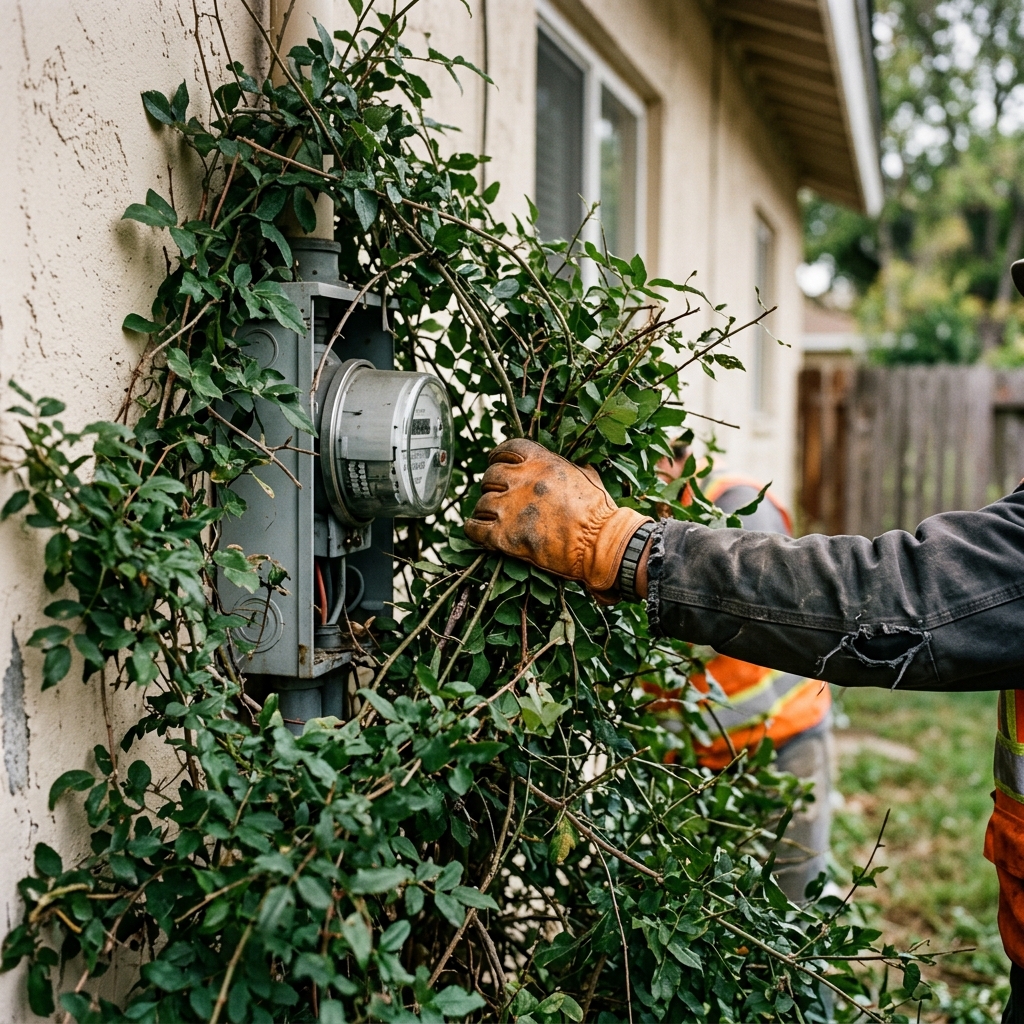
Homeowners are often required to plant specific types of bushes to completely obscure electric and water meters.
If the plant dies or grows too slowly, the resident is in violation for “exposed utilities.”
While the goal is to hide “ugly” infrastructure, it creates a maintenance burden for the homeowner.
It also makes it difficult for utility workers to actually access the meters they need to read.
23. No Basketball Playing in the Street or Driveways
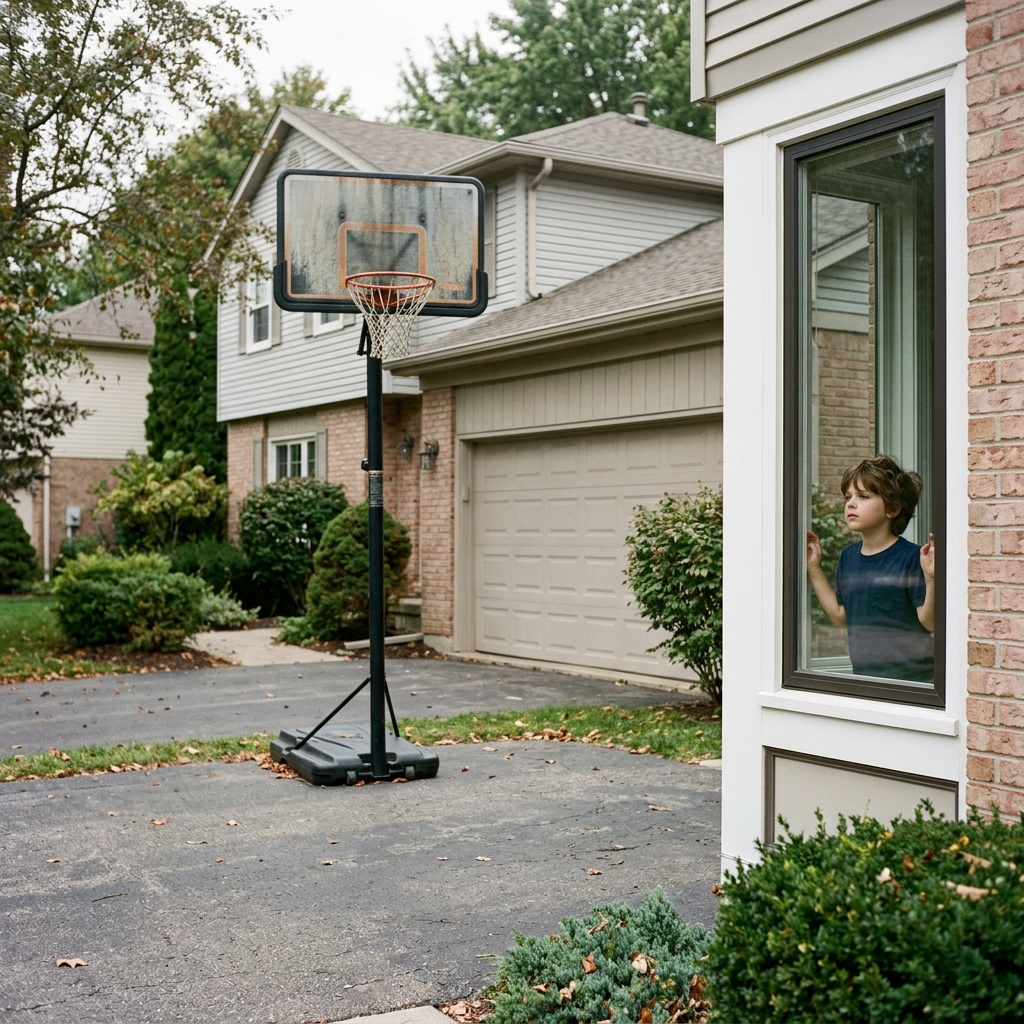
Some developments ban portable basketball hoops or the act of playing the game in any visible area.
The complaints usually center on the “noise” of the ball bouncing or the “clutter” of the hoop itself.
This effectively tells families that their children aren’t allowed to play sports in their own neighborhood.
It forces kids to stay indoors or travel to public parks just to shoot some hoops.
22. Prohibiting the Use of Clotheslines for Energy Efficiency
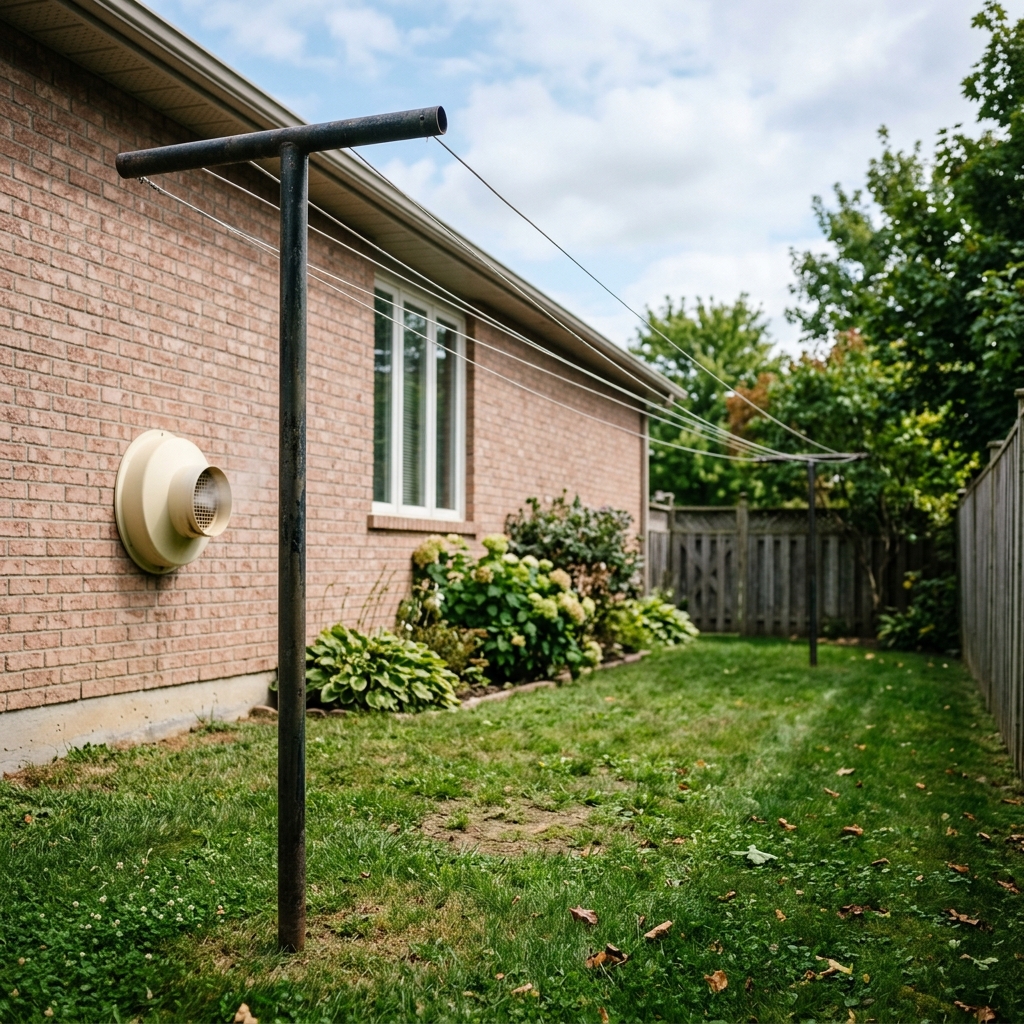
Despite many states passing “Right to Dry” laws, some HOAs still fight to ban outdoor clotheslines.
They argue that the sight of laundry hanging in the wind is “unsightly” and reminds people of tenement living.
This prevents residents from saving money on electricity and using natural methods to dry their clothes.
It is a battle between environmental sustainability and a very specific, old-fashioned idea of “curb appeal.”
21. Banning “Aggressive” Mailbox Shapes and Colors
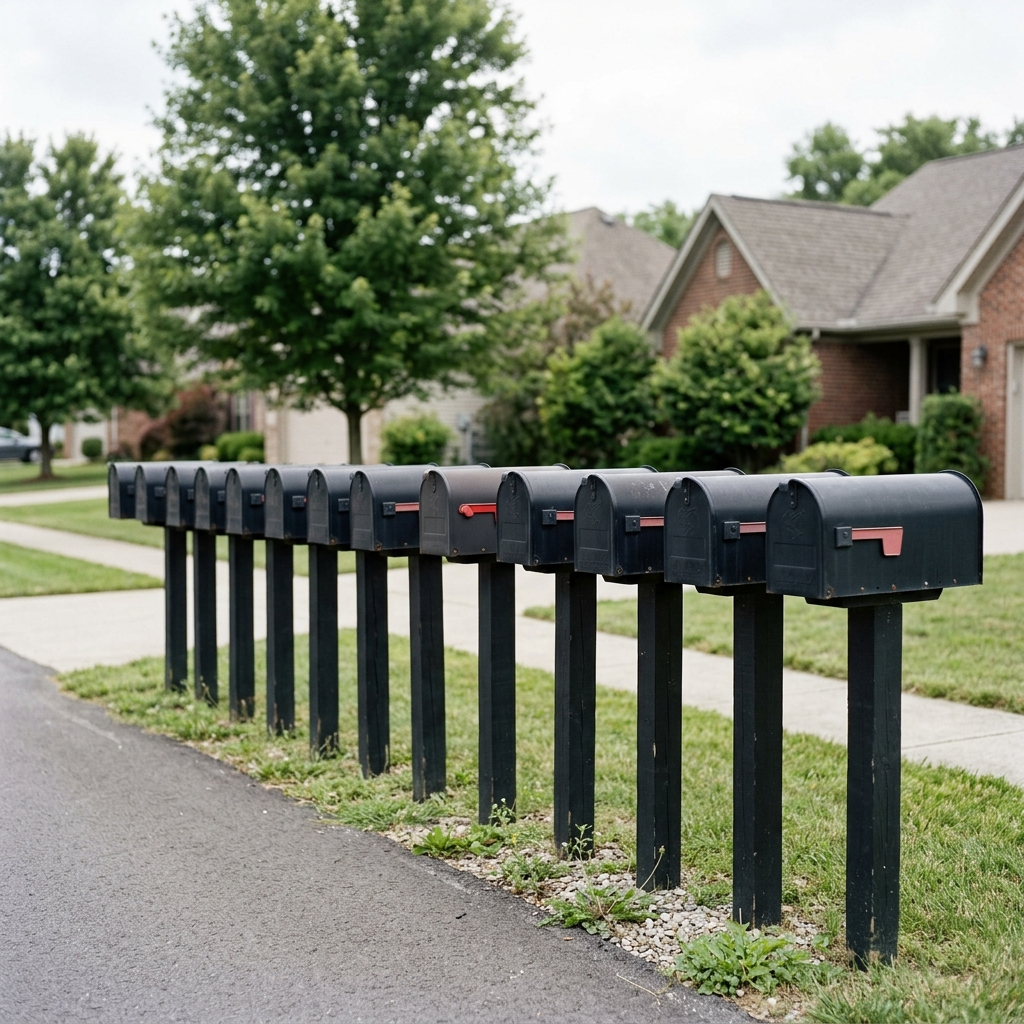
If you wanted a mailbox shaped like a lighthouse or painted like a ladybug, you’re likely out of luck in an HOA.
Many require a specific brand, model, and “federal” shade of black or green for all mail receptacles.
Deviating by even a few inches in height or a shade in color can result in a “correction notice.”
It’s a small detail that HOAs obsess over to maintain a sense of total environmental control.
20. No Window Air Conditioning Units Under Any Circumstances
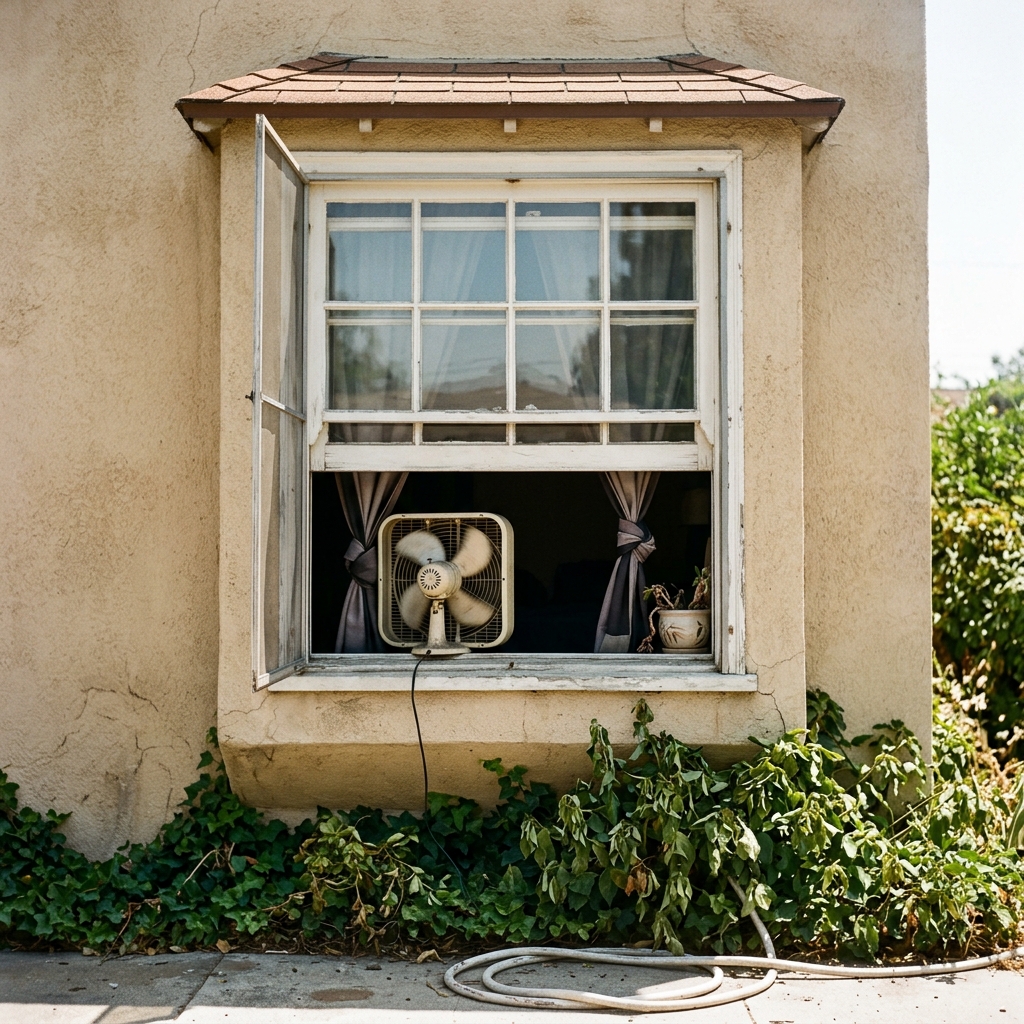
Even during record-breaking heatwaves or central air failures, some HOAs strictly forbid the use of window units.
They are viewed as “low-class” and an eyesore that breaks the clean lines of the building’s exterior.
This can create genuine health hazards for residents who cannot afford immediate central air repairs.
The HOA’s commitment to “visual harmony” in this case literally comes at the expense of human comfort.
19. Requirement for All Outdoor Furniture to Be Wrought Iron
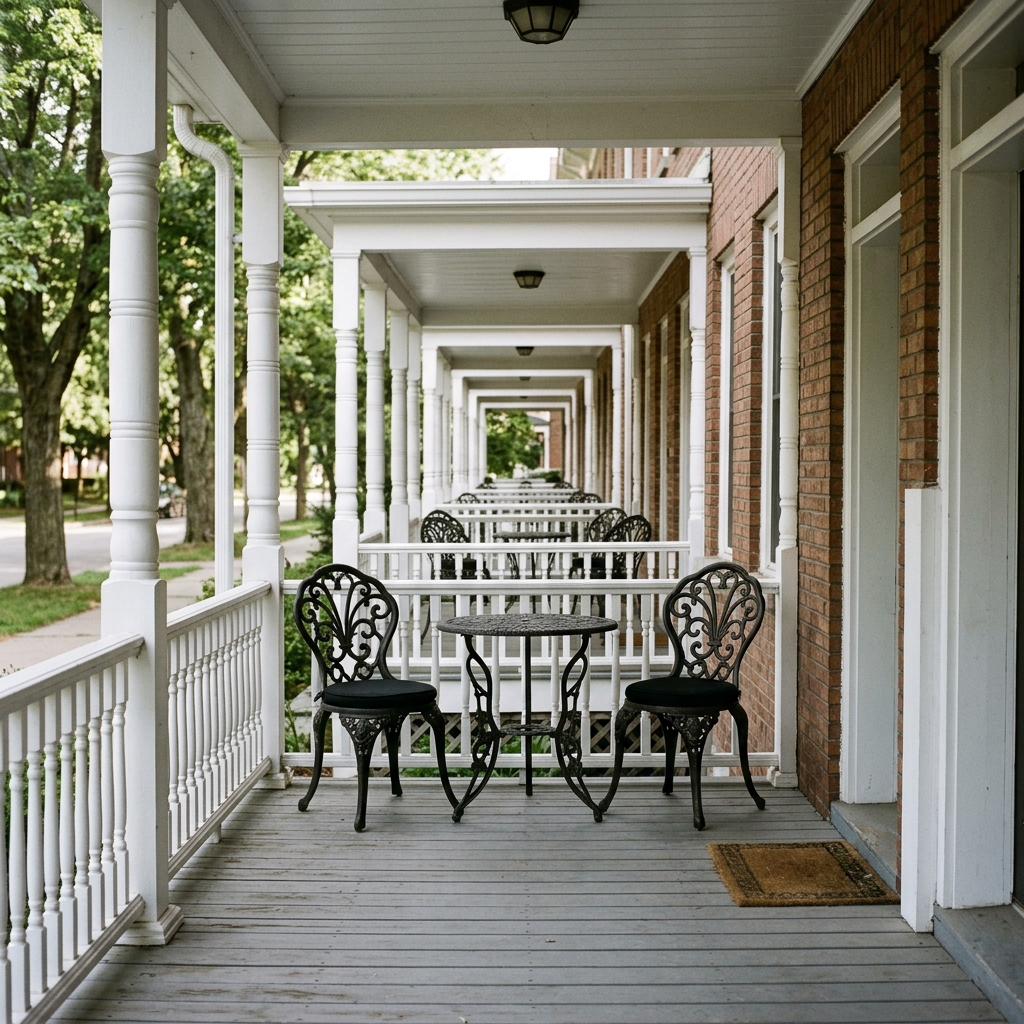
To ensure a “timeless” look, some boards ban plastic, wicker, or wood furniture on porches and patios.
If you want to sit outside, you must invest in the specific material sanctioned by the architectural committee.
This ignores the comfort, cost, and personal style of the residents.
It creates a rigid, uniform look that makes every porch in the neighborhood look exactly like the next.
18. Fines for “Unkempt” Mulch That Isn’t Fluffed

It isn’t enough to have mulch; it must be the “correct” aesthetic mulch at all times.
Some residents have been cited because their wood chips looked “compacted” or “weathered” after a rainstorm.
Homeowners are expected to periodically “fluff” or rake their mulch to keep it looking fresh and voluminous.
This level of detail suggests that the board expects the neighborhood to look like a staged model home 24/7.
17. The Mandatory “Overnight Guest Tax”

Some communities require residents to register any guest staying past a certain hour and pay a nominal daily fee.
This essentially treats a private home like a hotel, where the “owner” has to pay for the privilege of having visitors.
The fees are often justified as “wear and tear” on community roads or facilities.
However, most see it as a massive overreach into the private social lives of the people living there.
16. No Climbing Trees on Private Property
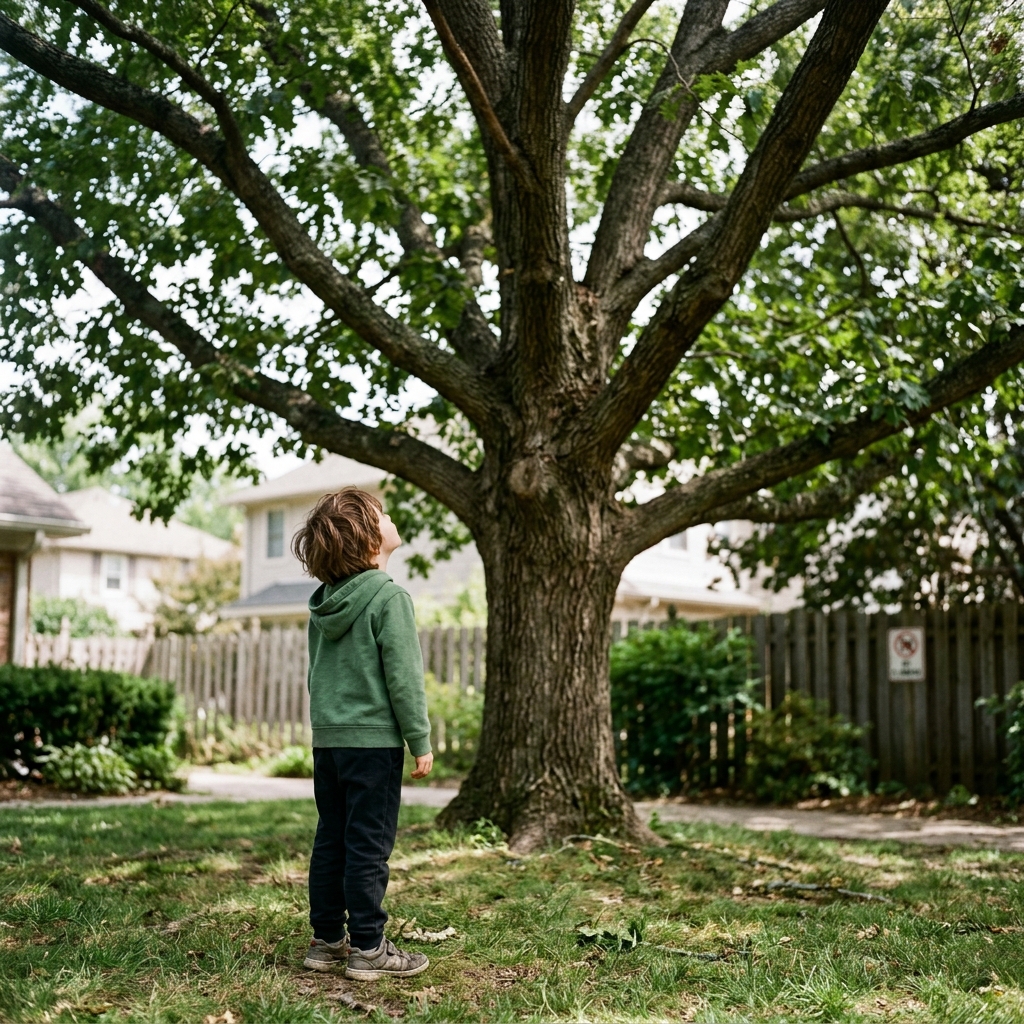
One association implemented a “no climbing” policy that applied to all trees in the development, including those in backyards.
They cited liability concerns and potential damage to the trees as the primary reasons for the ban.
This effectively outlaws a classic childhood activity and prevents adults from even trimming their own branches.
It turns a natural feature of the landscape into a “look-but-don’t-touch” museum exhibit.
15. Hurricane Shutters Must Be Removed Immediately After a Storm

In regions prone to tropical weather, HOAs often ban the use of shutters outside of an active “emergency window.”
Even if another storm is predicted for the following week, the board may demand they be taken down to restore the home’s “face.”
This forces elderly or busy residents to perform grueling manual labor multiple times a month during peak season.
It prioritizes the temporary look of the neighborhood over the safety and efficiency of the homeowners.
14. No Backing Your Car Into Your Own Driveway
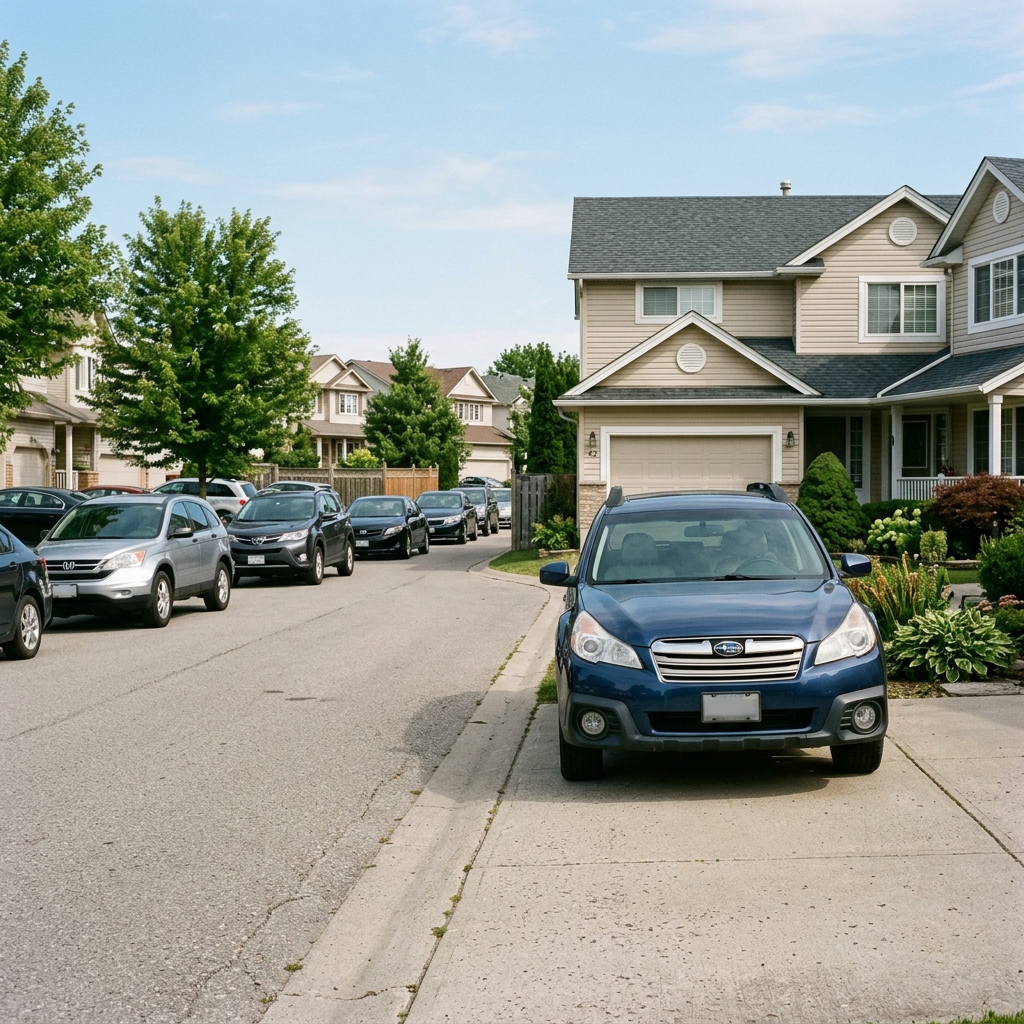
This rule requires that all cars be parked with their front bumpers facing the house and their license plates facing the street.
The stated goal is often to make it easier for security to scan tags, but it also enforces a “uniform” look for parked cars.
For residents who prefer backing in for safety reasons or easier exits, this is a constant source of frustration.
It is a prime example of a rule that prioritizes administrative convenience over homeowner preference.
13. All Christmas Lights Must Be Pre-Approved for Color and Pattern
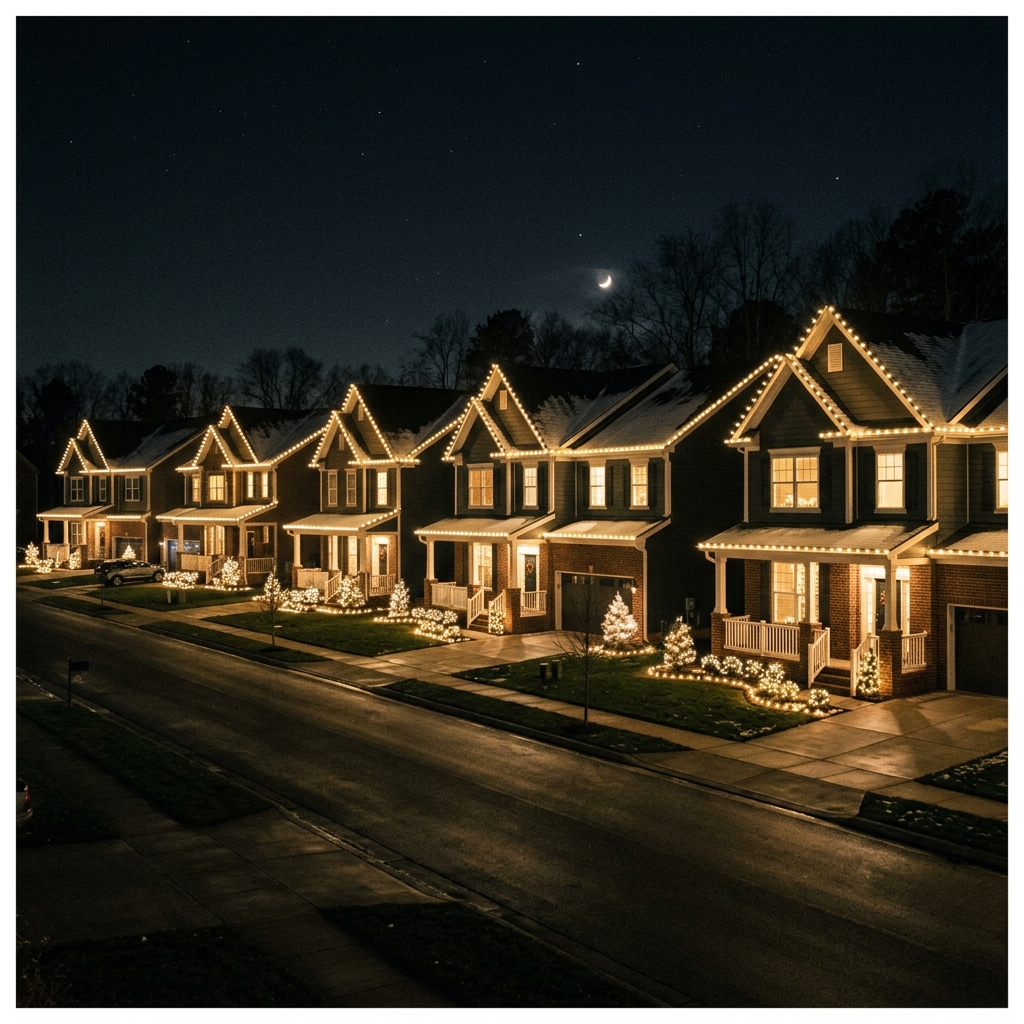
To avoid a “clashing” streetscape, some boards assign specific colors to specific houses or blocks.
You might be forced to use only white lights while your neighbor is the only one allowed to use blue.
This removes the joy and individuality from holiday decorating, turning the neighborhood into a forced, synchronized display.
If you prefer multi-colored lights but were assigned “warm white,” you are out of luck.
12. No Camouflage Clothing Allowed in Your Own Yard
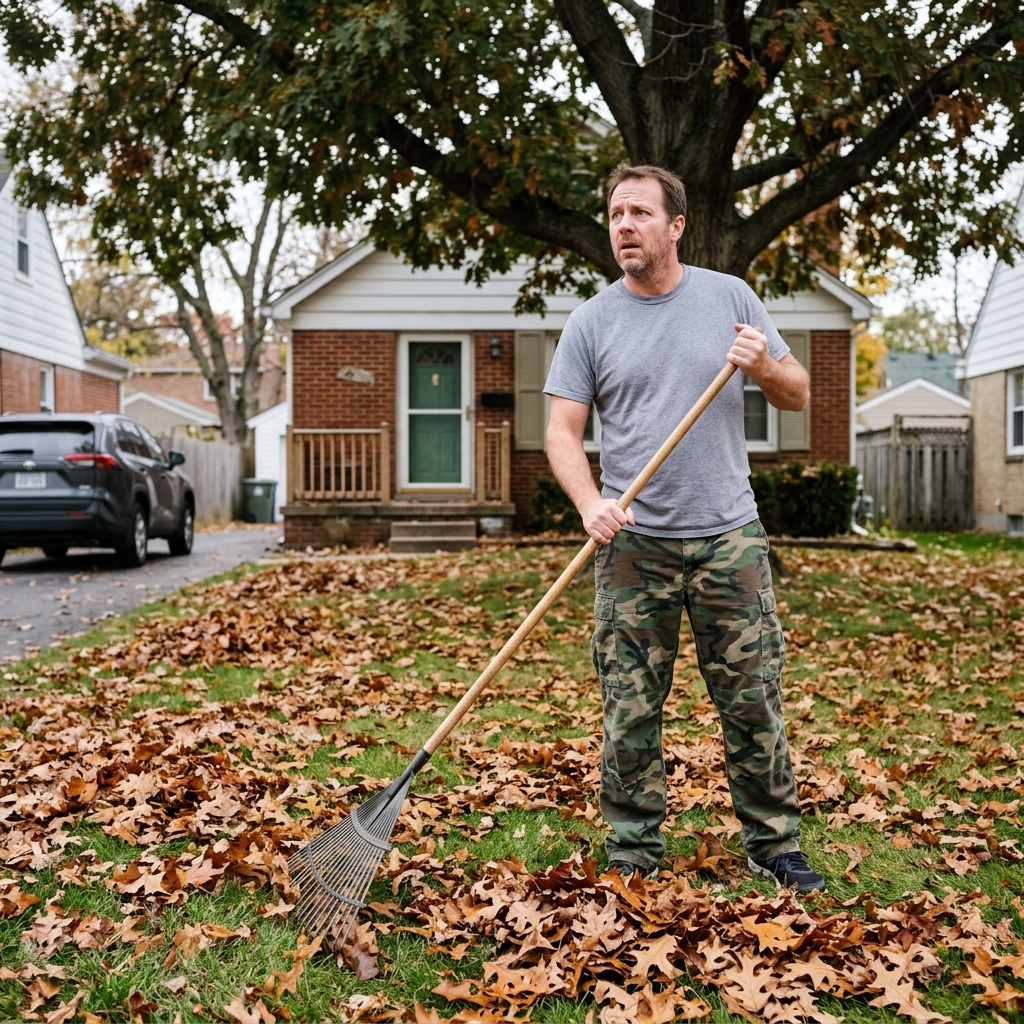
One resident was famously cited for wearing “hunting-style” camo gear while doing yard work on his own property.
The association deemed the clothing “distressing” and a violation of the community’s standards for public appearance.
This rule essentially allows the board to act as a fashion police for private citizens on their own land.
It pushes the boundary of HOA authority from property maintenance into personal lifestyle control.
11. Banning the Display of Pink Plastic Flamingos
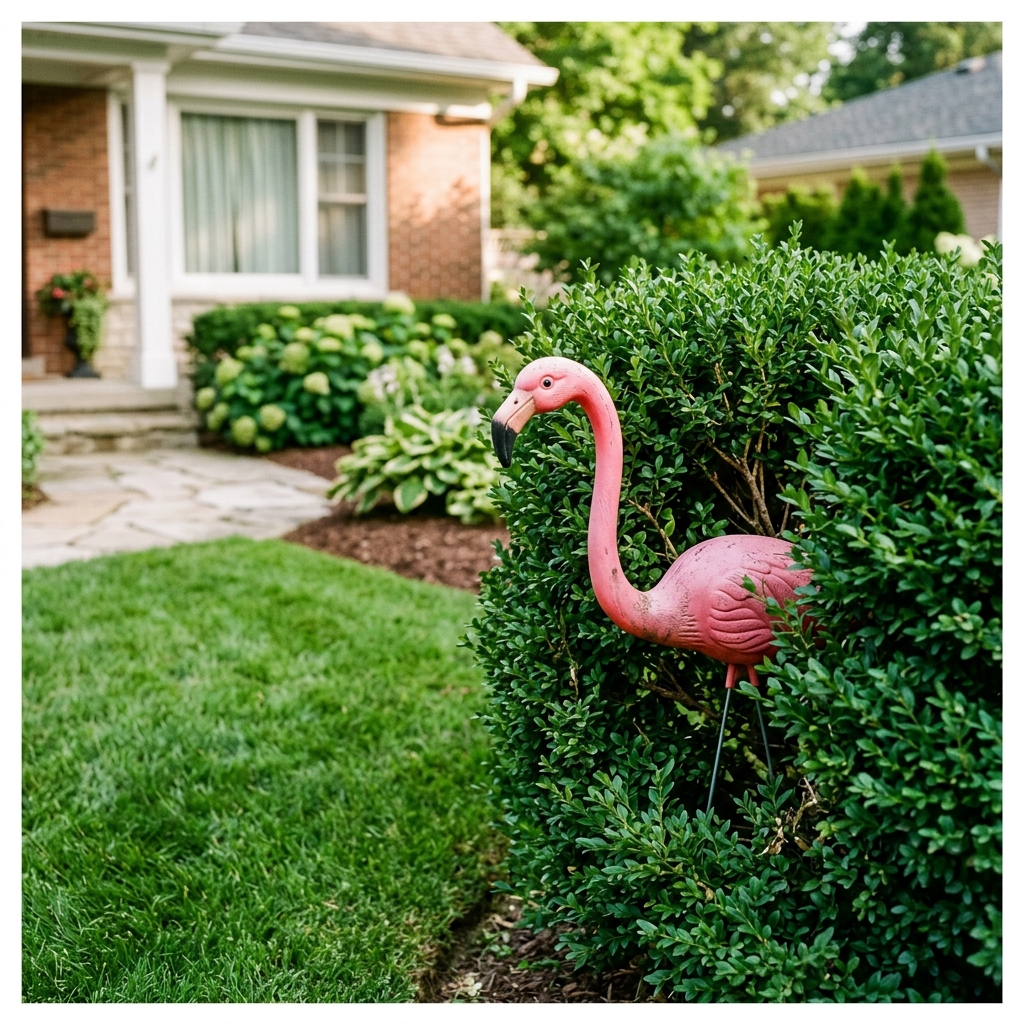
The pink flamingo is the ultimate “forbidden fruit” of the HOA world, often specifically named in bylaws as a prohibited item.
Boards view them as the height of kitsch and a threat to the sophisticated atmosphere of the neighborhood.
This has sparked legendary “lawn wars” where residents use the birds as a symbol of protest against strict boards.
In some cases, homeowners have been fined hundreds of dollars for a single plastic bird.
10. No Edible Gardens Are Permitted in the Front or Backyard
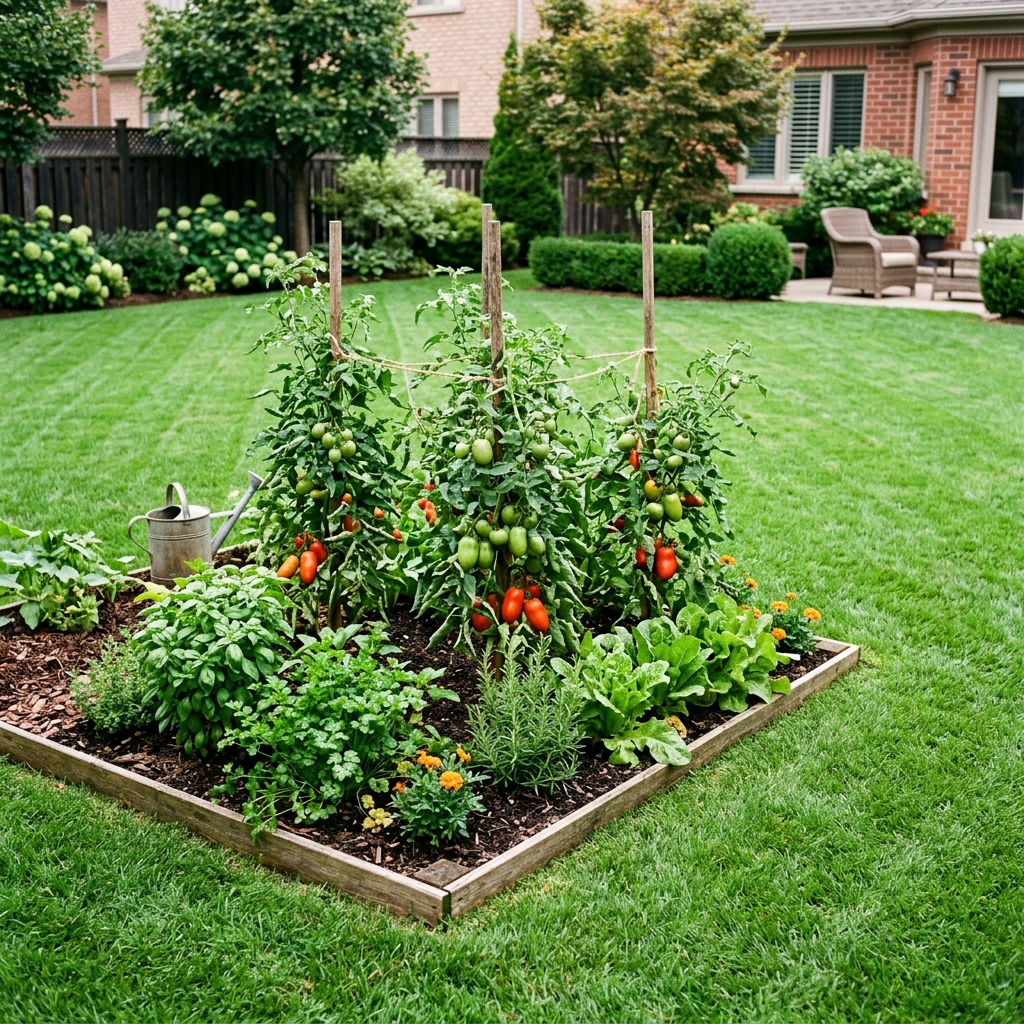
In an effort to maintain a “manicured” look, some HOAs ban the growth of vegetables, herbs, or fruit-bearing trees.
They argue that tomato cages and zucchini plants look “weedy” compared to traditional ornamental shrubs.
This prevents families from growing their own food and promotes a landscape of purely decorative, non-functional greenery.
Many homeowners find it absurd that they can be fined for growing a sprig of rosemary in their own dirt.
9. Trash Cans Cannot Be Set Out Until Exactly Midnight
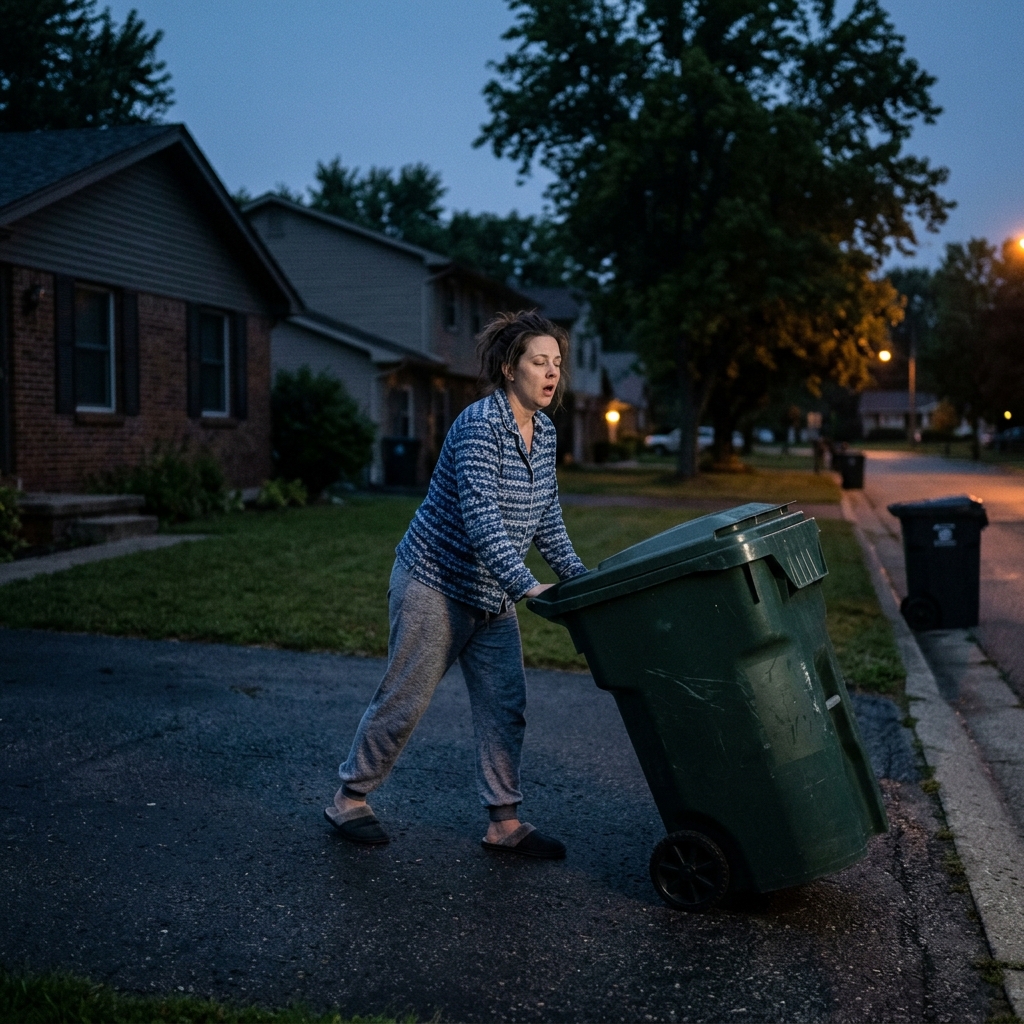
To keep the street looking pristine for as long as possible, residents are forbidden from putting their bins out the evening before pickup.
This forces people to wake up in the middle of the night or rush at dawn to catch the garbage truck.
If a bin is spotted on the curb at 10:00 PM, a violation is triggered instantly.
It assumes that every resident has a flexible enough schedule to manage their waste in a tiny, inconvenient window.
8. Mandatory Lawn Mowing Even During a Thunderstorm

Some associations require lawns to be mowed on a specific day of the week, regardless of the weather conditions.
This means residents have been seen pushing mowers through torrential downpours to avoid a “failure to maintain” fine.
The rule prioritizes a rigid schedule over common sense and safety.
It often results in damaged turf and mud-clogged mowers, all for the sake of artificial consistency.
7. No Blue Trampolines Allowed Due to Migratory Birds
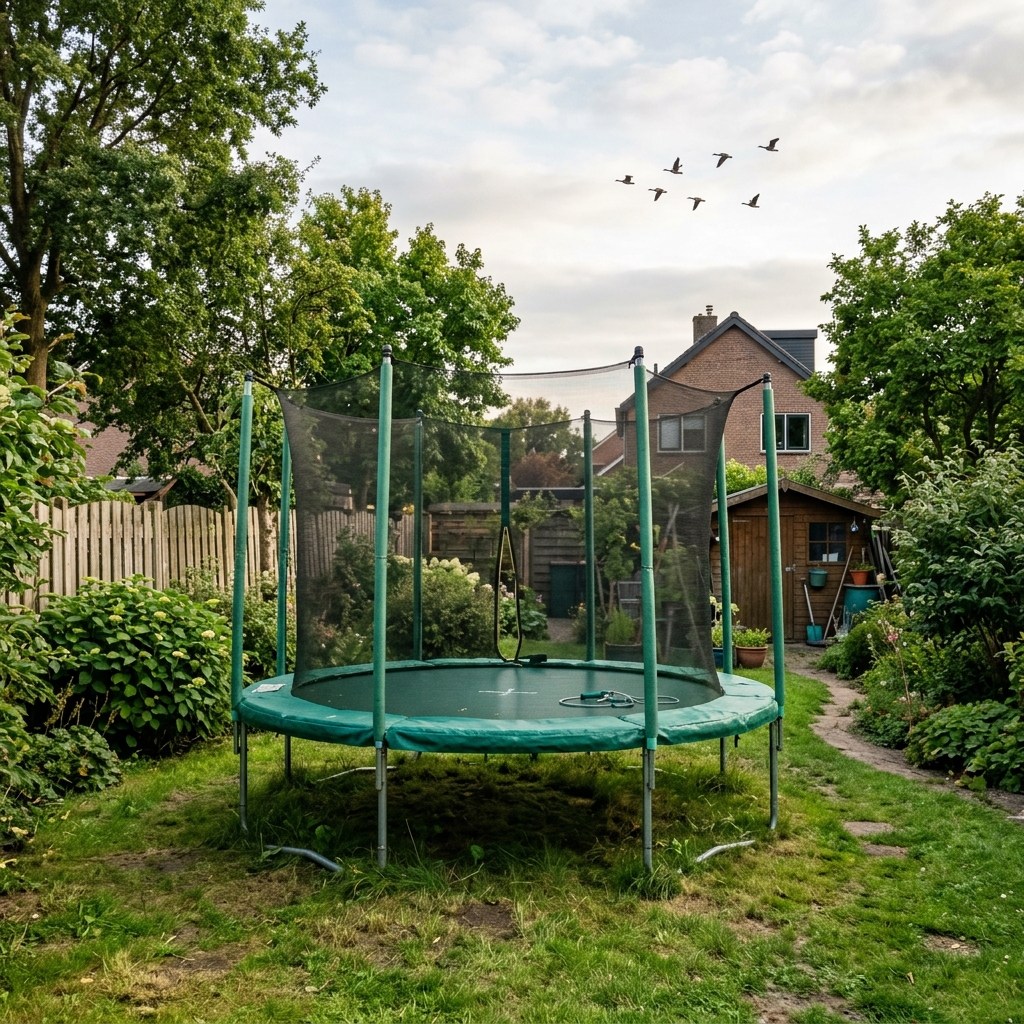
This oddly specific rule was enacted under the theory that ducks and geese might mistake a blue trampoline for a small pond.
The HOA feared that birds would attempt to dive-in mid-flight, potentially injuring themselves or damaging the equipment.
As a result, residents are forced to buy green or black models that blend into the grass.
While it sounds like an environmental protection act, most residents see it as a creative excuse to ban “brightly colored” play sets.
6. Pets Are Limited to a Combined Weight of 15 Pounds

Rather than banning specific breeds, this rule places a strict cap on the total “mass” of animals allowed in a home.
If you own two small dogs that weigh 8 pounds each, you are technically in violation of the neighborhood bylaws.
This creates a heartbreaking scenario where a pet gaining a little weight could theoretically put the owner at risk of a fine.
It ignores the temperament of the animals entirely, focusing solely on the number on the scale.
5. You Cannot Share a Towel at the Community Pool

To prevent what the board deems “unsanitary behavior,” some HOAs have banned two people from using the same towel to dry off.
This rule is often enforced by pool monitors who watch families closely as they exit the water.
While intended to maintain hygiene, it mostly results in parents being fined for drying off their own shivering children with their own towel.
It turns a relaxing afternoon at the pool into a highly monitored legal minefield.
4. Only Square Doorbells Rotated 45 Degrees Are Permitted
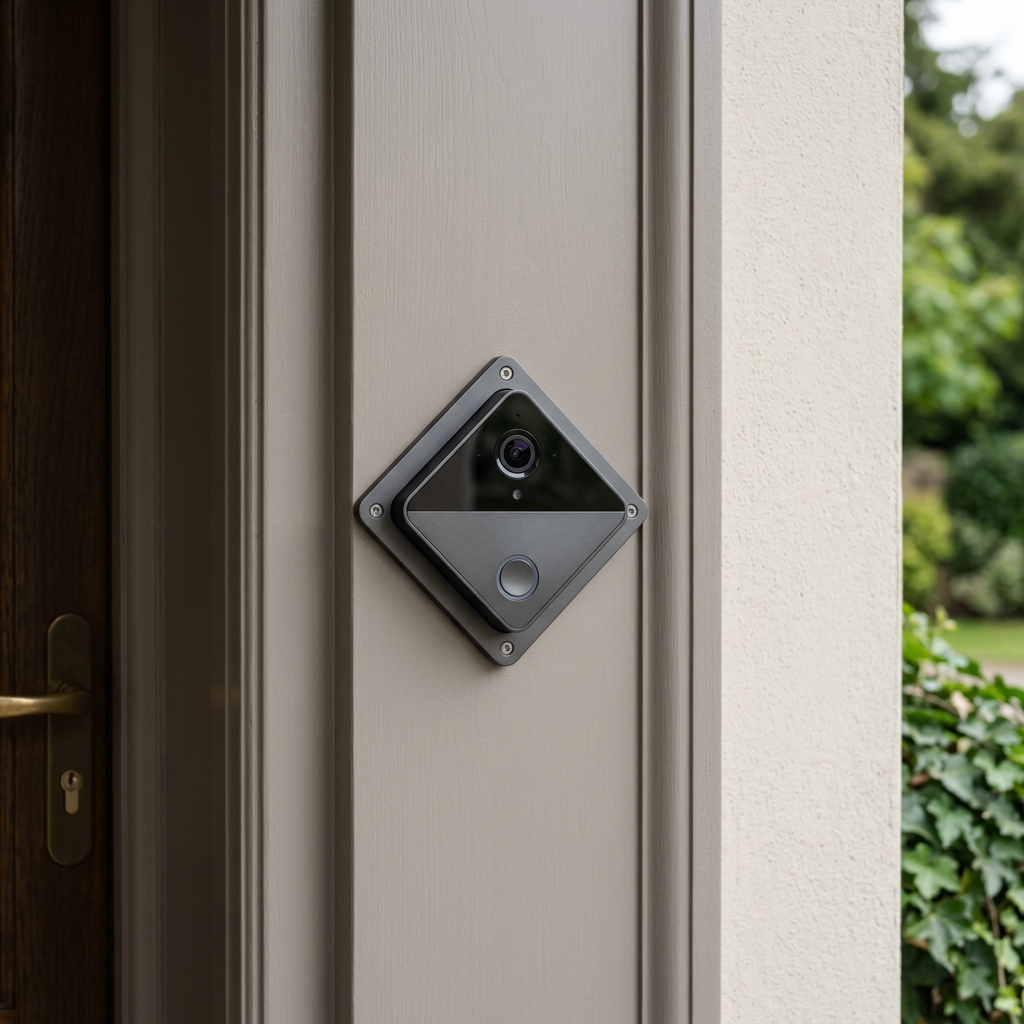
One specific community made headlines for banning standard rectangular or square doorbells in favor of a “diamond” orientation.
This level of granular control ensures that even the smallest hardware choice is dictated by a central board.
Homeowners who installed their doorbells “straight” were ordered to reinstall them or face penalties.
It represents the pinnacle of micromanagement, where even a half-inch piece of plastic must follow a geometric mandate.
3. Garage Doors Can Only Be Open for Five Minutes at a Time

This regulation essentially puts a stopwatch on your daily life, monitoring how long it takes to unload your groceries or pack the car for a trip.
If the door remains open for six minutes, neighbors or “compliance officers” may issue a formal violation notice.
The goal is to keep the “clutter” of a garage interior hidden from the street view at all times.
Unfortunately, it makes basic tasks like cleaning out the garage or working on a hobby nearly impossible without constant interruption.
2. No Parking Your Own Pickup Truck in Your Own Driveway
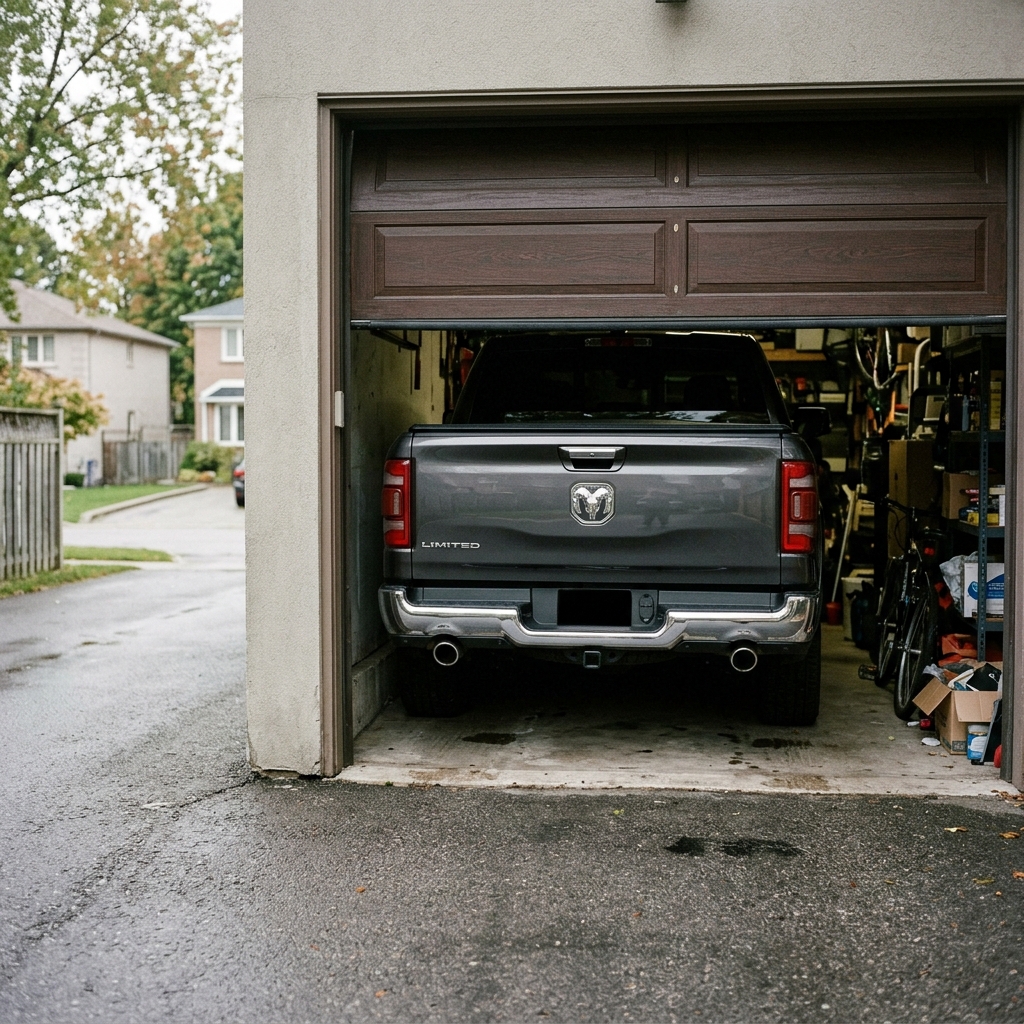
In many high-end developments, pickup trucks are categorized as “commercial vehicles” regardless of whether they are personal luxury vehicles or work trucks.
This forces owners to cram their large vehicles into garages or face daily fines for leaving them in the sun.
Even if the truck is a $100,000 top-tier model, the HOA views the bed of a truck as an inherent eyesore.
This has led to numerous legal battles where residents argue that their primary mode of transportation shouldn’t be treated like a piece of heavy machinery.
1. Residents Must Wear Polo Shirts and Khakis to Host Garage Sales
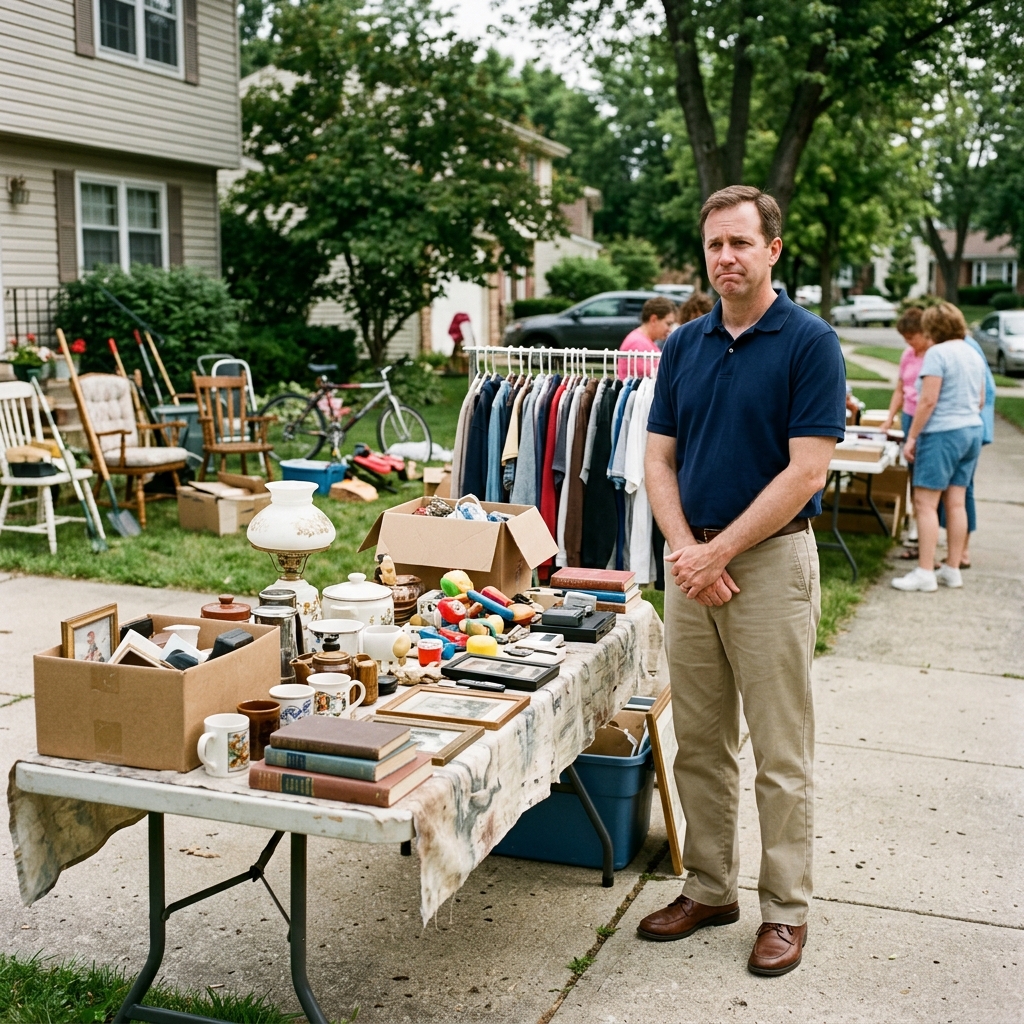
This rule dictates that homeowners cannot simply wear comfortable clothes while selling their old belongings on their own property.
Instead, they must adhere to a strict business-casual dress code to maintain a “professional” neighborhood aesthetic.
The logic suggests that seeing a neighbor in a t-shirt and shorts would lower the property value of the entire street.
Critics point out that this turns a simple weekend chore into a forced corporate uniform event.

Charles Jacobs