

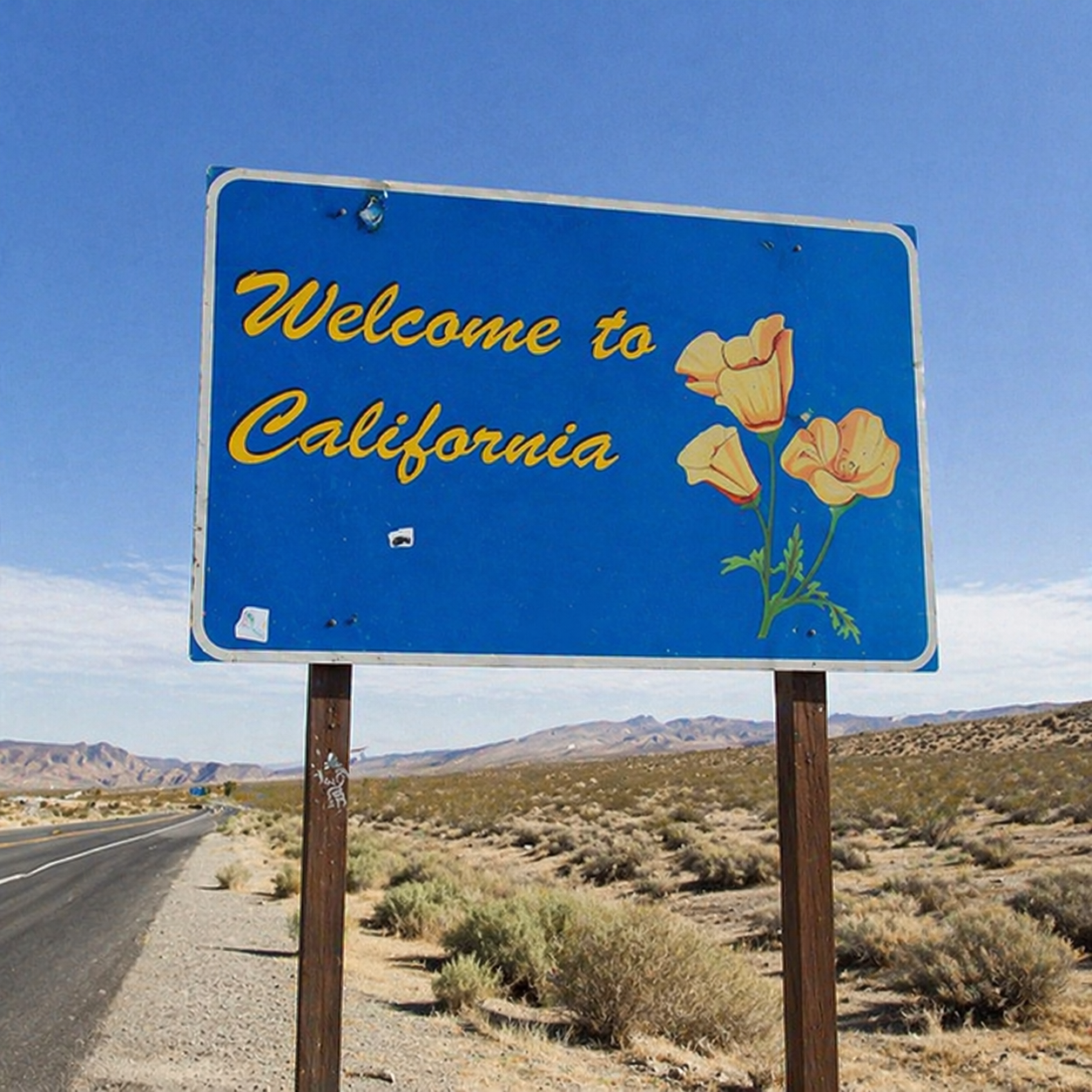
California, the Golden State, is famous for its sunshine, beaches, and innovative spirit.
But beneath the glitz and glamour, a treasure trove of peculiar laws lies hidden, waiting to be discovered.
Some of these statutes date back to bygone eras, while others seem to defy modern logic entirely. Many are still on the books but no longer enforced
Join us on a fun journey through 27 of California’s most undeniably ridiculous laws.
27. It’s illegal to eat a frog that dies during a frog jumping contest.
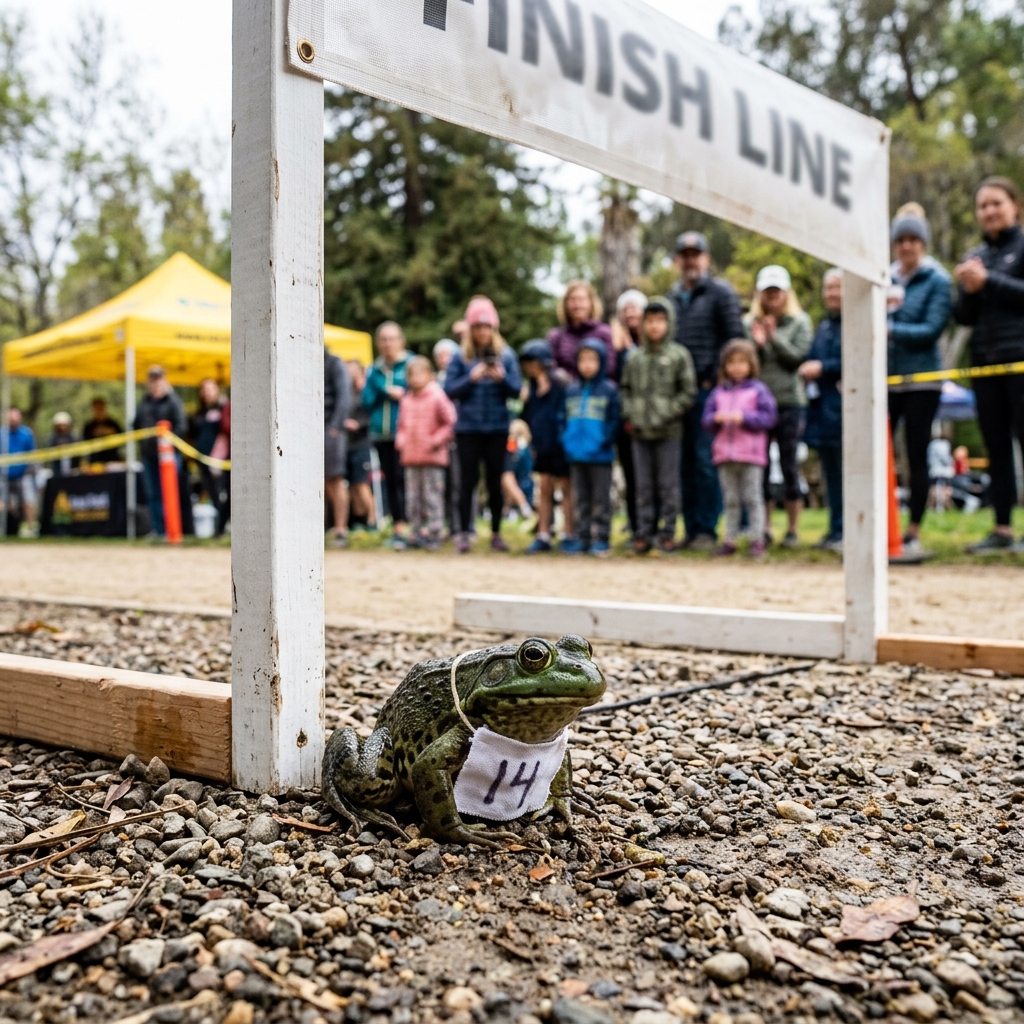
This specific law comes from the frog jumping contests, popularized by Mark Twain.
It’s illegal to eat a frog that dies during one of these events.
The intention was likely to prevent cruelty or regulate consumption, ensuring fairness to the amphibians.
Imagine the confusion if a frog croaked mid-jump, altering the competition’s outcome.
So, if your amphibian competitor doesn’t make it, it’s legally not dinner.
26. Donkeys must not sleep in tubs.
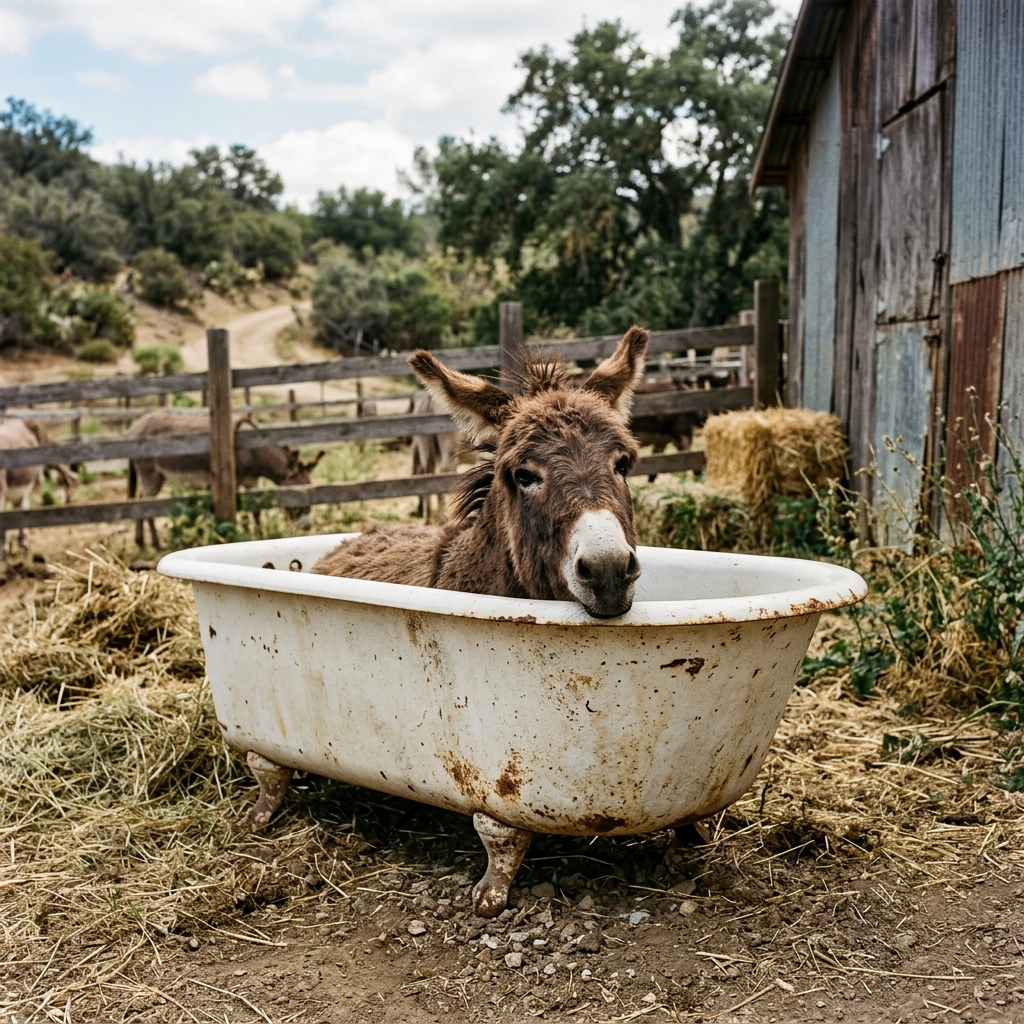
In California, donkeys are strictly forbidden from sleeping in bathtubs.
This bizarre law likely originated from a past incident where a donkey might have been housed improperly or gotten stuck.
It’s a quirky reminder of specific problems that once necessitated odd regulations.
One can only speculate about the circumstances leading to such a peculiar prohibition.
So, if you own a donkey, make sure it has a proper bed, not a porcelain tub.
25. Women cannot drive while wearing housecoats.

This old statute in California prohibits women from driving a car while wearing a housecoat.
It’s a classic example of outdated dress codes extending to public activities, perhaps reflecting societal norms of a bygone era.
The law probably aimed at promoting a certain level of decorum or preventing distractions.
Thankfully, enforcement of such a rule is likely nonexistent today, allowing for more comfortable commutes.
So feel free to wear what you wish behind the wheel, but this law once existed!
24. You may not bathe in birdbaths.

Yes, you read that right: it’s illegal to bathe in a birdbath in California.
This law is clearly meant to preserve public health, prevent property damage, and perhaps the dignity of our feathered friends.
One can only imagine the unsanitary circumstances that led to the creation of such a specific prohibition.
It highlights the extent to which public spaces are regulated for cleanliness.
Stick to your own shower for personal hygiene, please.
23. You may not set a mousetrap with a hunting license.

Believe it or not, in California, you technically need a hunting license to set a mousetrap.
This rule falls under a broader interpretation of hunting regulations, even for small pests.
It’s an extreme example of how far-reaching some animal control laws can be, encompassing even rodent control.
The intent is likely to ensure humane practices, even for vermin.
Better check your paperwork before tackling that rodent problem, just in case.
22. You may not peel an orange in a hotel room.

In the city of California (often cited as an unspecified city), it’s supposedly illegal to peel an orange in a hotel room.
This law is often cited as one of the most absurd, sparking much debate and amusement.
The rationale might relate to the mess, the strong aroma lingering in the room, or preventing fruit flies.
Perhaps they wanted to avoid sticky situations for housekeepers and maintain room freshness.
It’s a reminder that even seemingly innocuous actions can sometimes be legislated.
21. You may not launch a rocket in city limits.

Launching rockets within city limits is prohibited in California, which sounds sensible until you consider all forms of rockets.
This law isn’t just for commercial space launches, but can encompass smaller hobby rockets too.
It aims to prevent property damage, ensure public safety, and reduce noise pollution.
While practical for large projectiles, it can be a buzzkill for amateur rocketry enthusiasts.
So, save your model rocket experiments for open fields outside urban areas.
20. Men with mustaches may not kiss women.

In the city of Eureka, men with mustaches are legally forbidden from kissing women.
This incredibly specific and outdated law is a relic of a bygone era, reflecting historical social mores.
It likely stemmed from moralistic views, perceived hygiene concerns, or even a whimsical local ordinance.
The exact reasoning remains shrouded in historical mystery.
Thankfully, this quirky rule is rarely, if ever, enforced today, allowing for more hirsute affections.
19. Animals must not mate near schools.
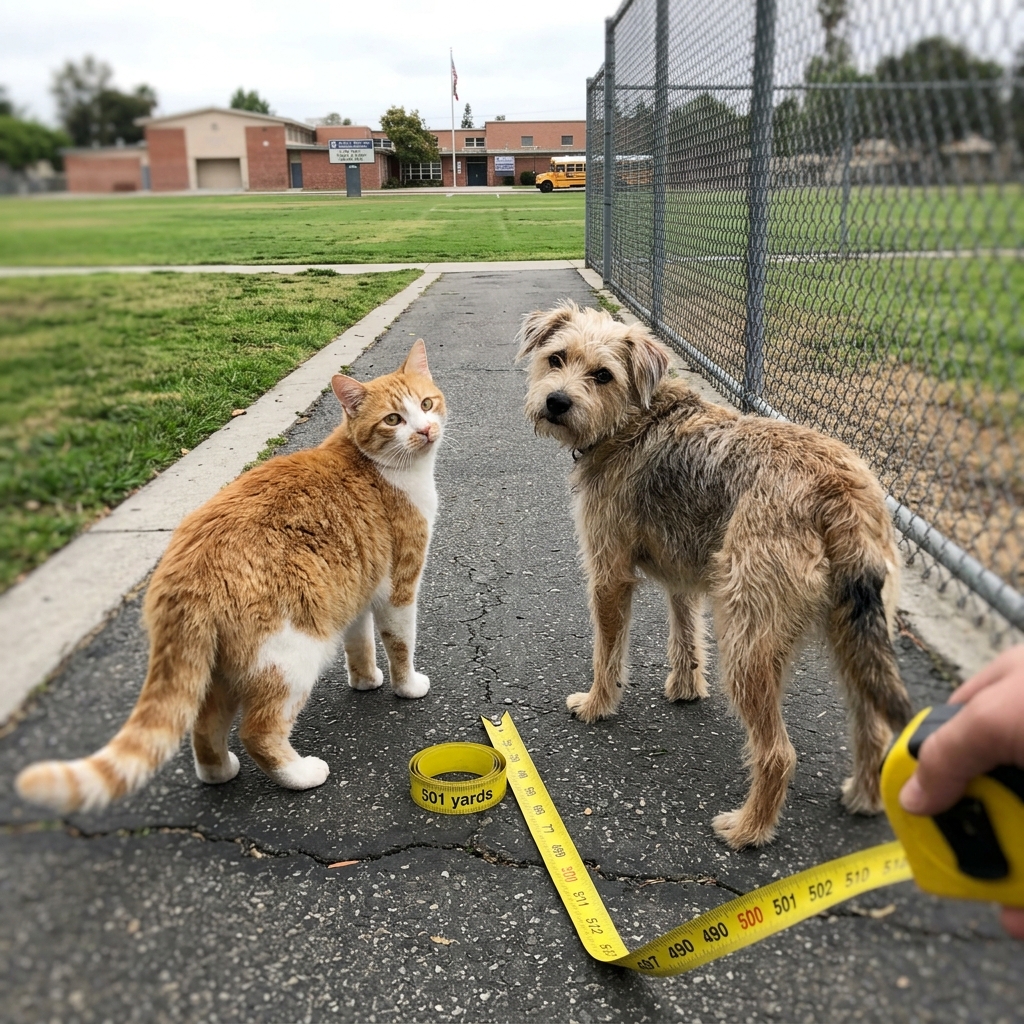
A surprising law in California prohibits animals from mating within 500 yards of a school, church, or public park.
This regulation clearly aims to shield impressionable eyes from the realities of nature.
It raises questions about enforcement and how one would even begin to monitor such a thing in the wild.
The practicality of such a widespread ban is certainly debatable.
It’s a truly impractical piece of legislation that speaks to a desire for public innocence.
18. Ugly people cannot appear in public.

Historically, some California cities had ‘ugly laws’ preventing people deemed ‘ugly’ from appearing in public.
While thankfully abolished, these discriminatory laws highlight a dark past of social control and prejudice.
They often targeted the poor, disabled, or those with visible deformities, forcing them out of sight.
These statutes were a stain on legal history, revealing societal biases.
It’s a stark reminder of how societal prejudices once manifested in law, thankfully now gone.
17. You may not own more than three cats.

In the city of San Jose, it is illegal to own more than three cats.
This specific ordinance aims to prevent animal hoarding and ensure proper care for pets in urban environments.
While well-intentioned, it can be a surprising restriction for multi-cat households.
It reflects an effort to manage pet populations and neighborhood concerns.
So, cat lovers in San Jose, count your feline friends carefully to stay compliant.
16. S*x is forbidden on pool tables.

Yes, you read that correctly: in California, it is illegal to have s*x on a pool table.
This law is often cited as a classic example of an overly specific and somewhat humorous prohibition.
It likely stems from public indecency statutes or attempts to regulate behavior in establishments where alcohol is served.
Perhaps they just wanted to protect the felt from damage and maintain a certain decorum.
It’s a quirky rule that definitely makes you wonder about its origins.
15. Moths may not be hunted under street lights.

A peculiar law in California makes it illegal to hunt moths under a street light.
This specific prohibition might seem utterly baffling at first glance, sparking curiosity about its purpose.
It could be related to public nuisance, protection of insects, or simply a very old, forgotten bylaw from a different era.
The law implies that moth hunting was once a common enough activity to warrant regulation.
So, leave those nocturnal flutterers alone if they’re enjoying the streetlamp glow.
14. No public gargling.

In the city of Los Angeles, it is technically illegal to gargle in public.
This ordinance is a testament to attempts at maintaining public decorum and hygiene standards in urban spaces.
While it sounds ridiculous, imagine a chorus of public gargling – perhaps it’s for the best to prevent noise and mess.
It reflects a desire for a certain level of public etiquette.
Good manners, apparently, extend to oral hygiene in the City of Angels.
13. No fishing from a horse.

California law prohibits fishing from the back of a horse, a rule that sounds straight out of a comedy sketch.
This unusual regulation seems designed to prevent potential harm to the animal, or perhaps to ensure the safety of other anglers and the public.
It conjures a humorous image of a cowboy with a fishing rod astride his steed, creating an unexpected scene.
The law suggests that someone, at some point, tried this unconventional method.
So, keep your fishing and equestrian hobbies separate for safety and legality.
12. Crying is forbidden on the witness stand.

In Los Angeles, it is against the law to cry on the witness stand.
This bizarre rule likely aims to prevent emotional manipulation in court proceedings and maintain decorum.
While judges might discourage histrionics, making crying illegal seems an extreme measure.
It highlights a desire to keep trials strictly rational and fact-based.
It’s a good thing this law isn’t strictly enforced, or every tearful testimony would be a crime.
11. Cats may not chase dogs up trees.
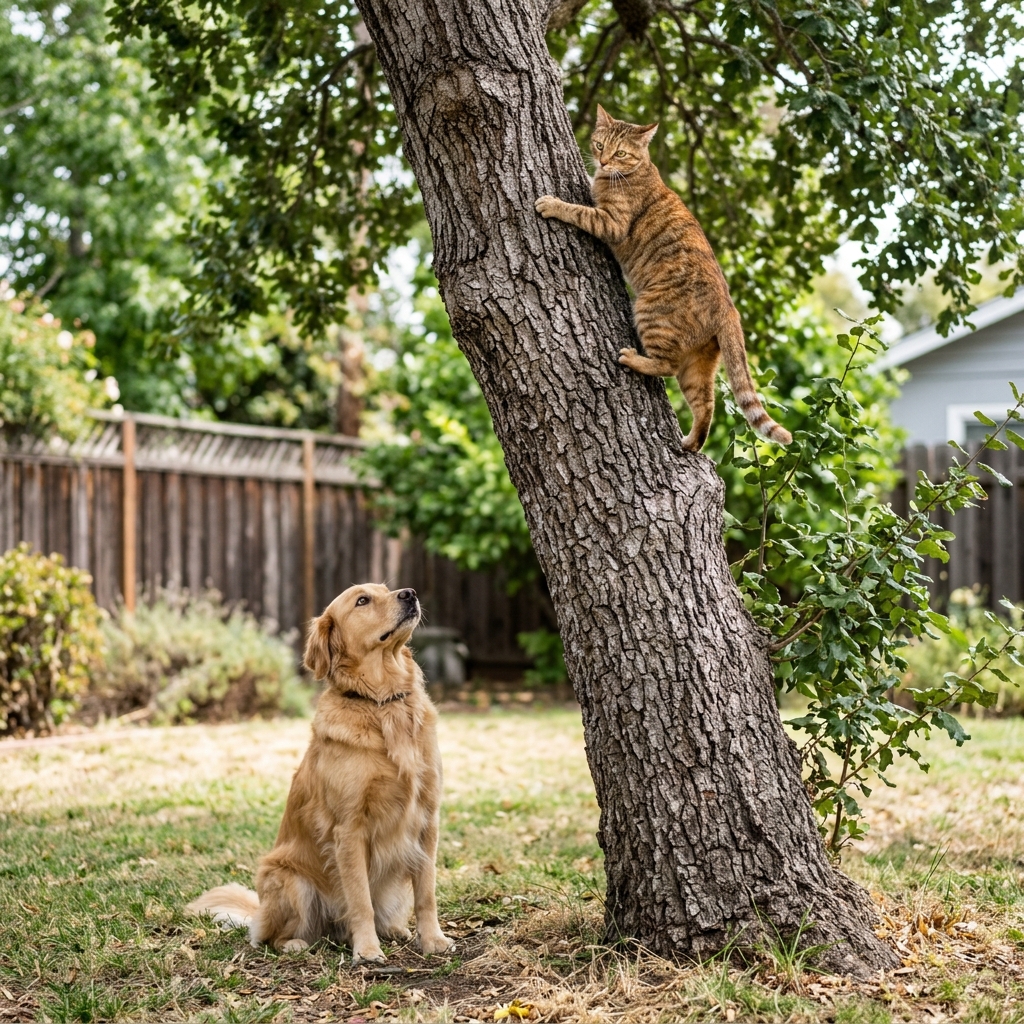
Believe it or not, it’s illegal in California for a cat to chase a dog up a tree.
This law is so specific and absurd that its origins are truly mysterious, sparking much head-scratching.
It might be a joke law, or perhaps a local ordinance from a very particular incident involving an unusual animal interaction.
It certainly flips the typical cat-dog dynamic on its head, defying common expectations.
The image of such an event is quite humorous and unexpected.
10. You may not eat a sandwich on a sidewalk.

In the city of Los Angeles, it is illegal to eat a sandwich on the sidewalk.
This sounds utterly ridiculous, especially in a city known for its vibrant street food culture.
The law might have been an attempt to curb littering, prevent loitering, or maintain cleanliness.
It reflects a desire to control public spaces and their usage.
Thankfully, this rule is largely ignored by hungry Angelenos today, who enjoy their al fresco meals.
9. You may not drive while wearing slippers.

It is illegal to operate a vehicle while wearing slippers in California.
This law is rooted in safety concerns, as slippers might interfere with pedal control, potentially causing accidents.
While seemingly minor, proper footwear is crucial for safe driving, ensuring a firm grip on the pedals.
It’s a practical safety measure disguised as a quirky rule.
So, next time you hop in the car, remember to put on some real shoes for your safety and compliance.
8. You must own two cows to wear cowboy boots.
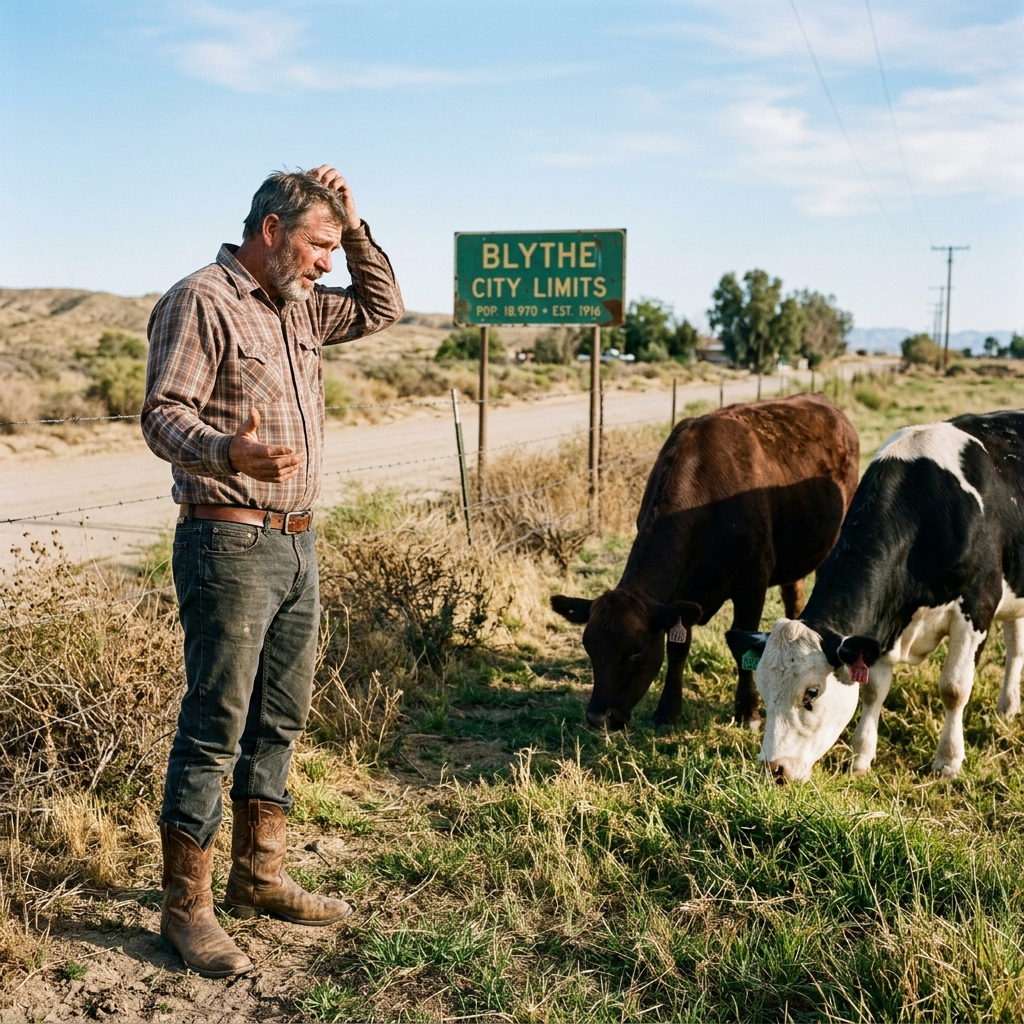
In the city of Blythe, you are legally required to own at least two cows to wear cowboy boots.
This incredibly specific and amusing law speaks to the agricultural heritage of the area and its unique local flavor.
It’s a charming, if baffling, piece of local legislation that ties fashion to livestock ownership.
The rule clearly aims to connect the attire with genuine ranching life.
So, if you love your boots in Blythe, you better invest in some cattle.
7. You may not sleep in your car.
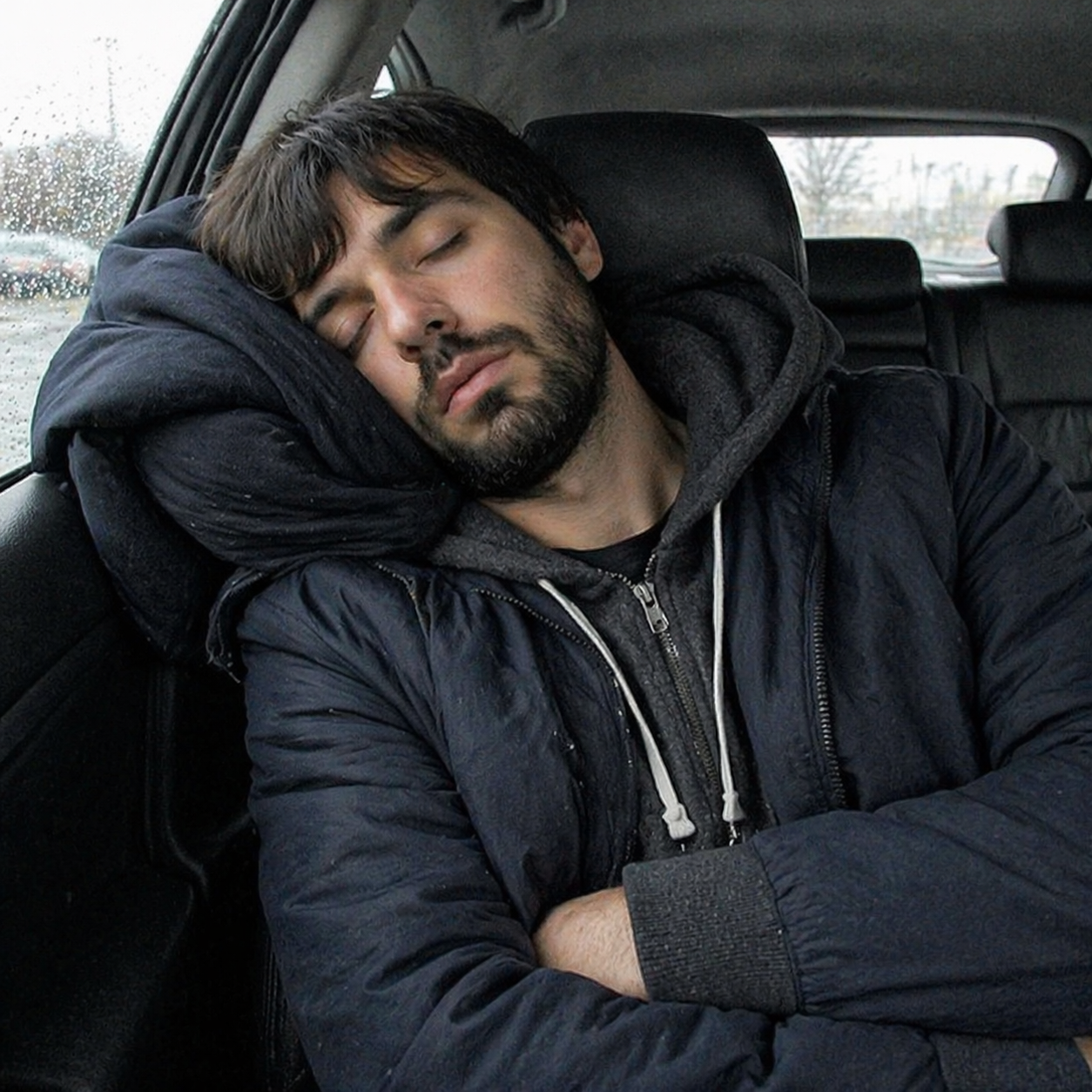
It is illegal to sleep in your car on a public street in California.
This law aims to prevent vagrancy and ensure public safety, but it often impacts homeless individuals.
While understandable from a city planning perspective, it presents a challenge for those without stable housing options.
The rule reflects a desire to maintain public order and prevent long-term encampments.
It’s a complex issue hidden in a seemingly simple law.
6. You may not drain bathtub water onto another person’s property.

In some California cities, it is illegal for bathtub water to drain onto another person’s property.
This law is a practical regulation to prevent property damage, maintain sanitation, and avoid neighbor disputes.
While it sounds obvious, it highlights the need for proper plumbing and drainage systems in residential areas.
It’s about respecting property lines, even for wastewater, and ensuring proper infrastructure.
This rule underscores the importance of municipal utility standards.
5. You may not drive in a bathrobe.

Much like the housecoat law, it is illegal to drive a car while wearing a bathrobe in California.
This regulation is likely tied to public decency and safety concerns, ensuring drivers are appropriately dressed for public appearance.
While many might find it harmless and comfortable, it’s another quirky example of fashion dictating legality on the road.
It reflects an older standard of what constitutes appropriate attire in public.
So, save your cozy loungewear for home, not the highway.
4. Cats must be kept inside.
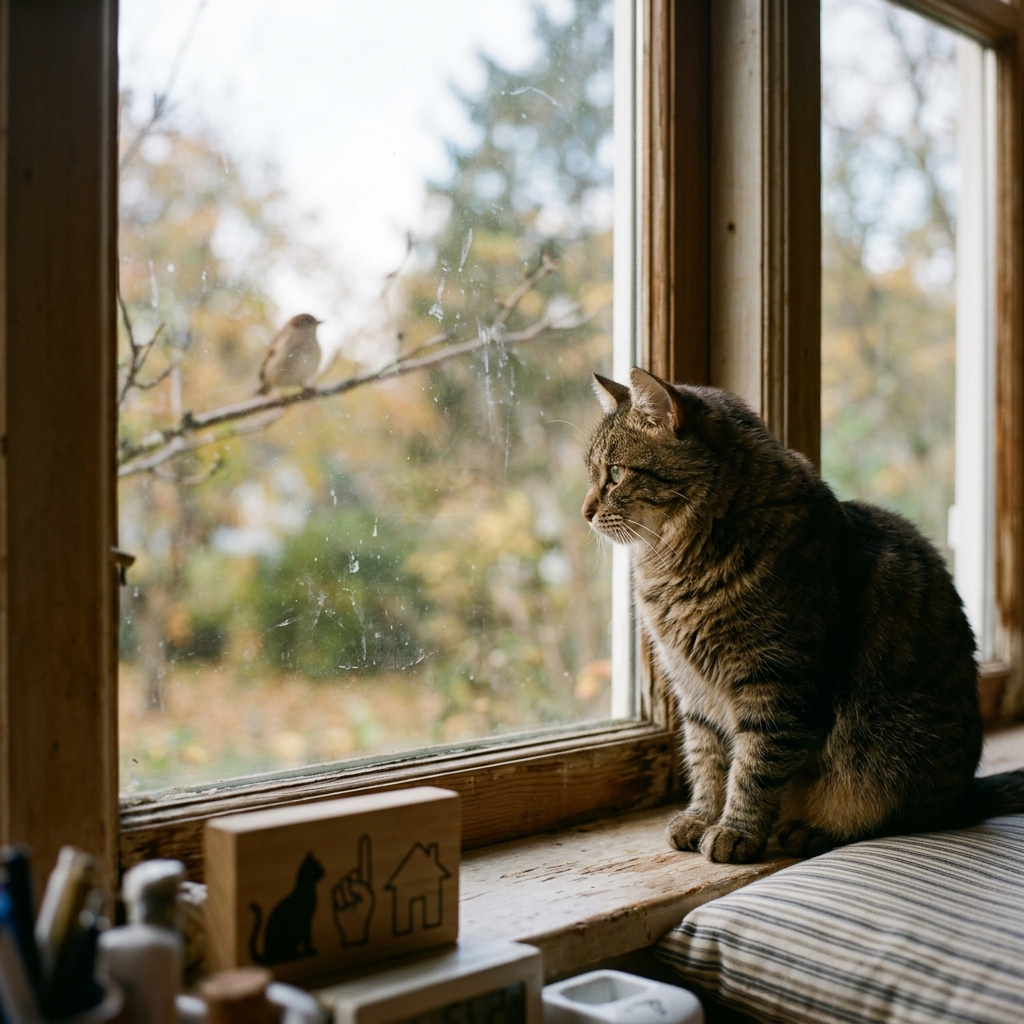
In certain California municipalities, it’s illegal for a cat to roam freely outdoors.
This law is typically enacted to protect local wildlife, particularly birds, and ensure the safety of domestic cats from traffic or predators.
While some cat owners disagree with restricting their feline’s freedom, it’s a common measure in ecologically sensitive areas.
It represents a balance between pet ownership and environmental protection.
Check your local ordinances before letting Whiskers wander freely.
3. No vehicle without a driver may exceed 60 miles per hour.
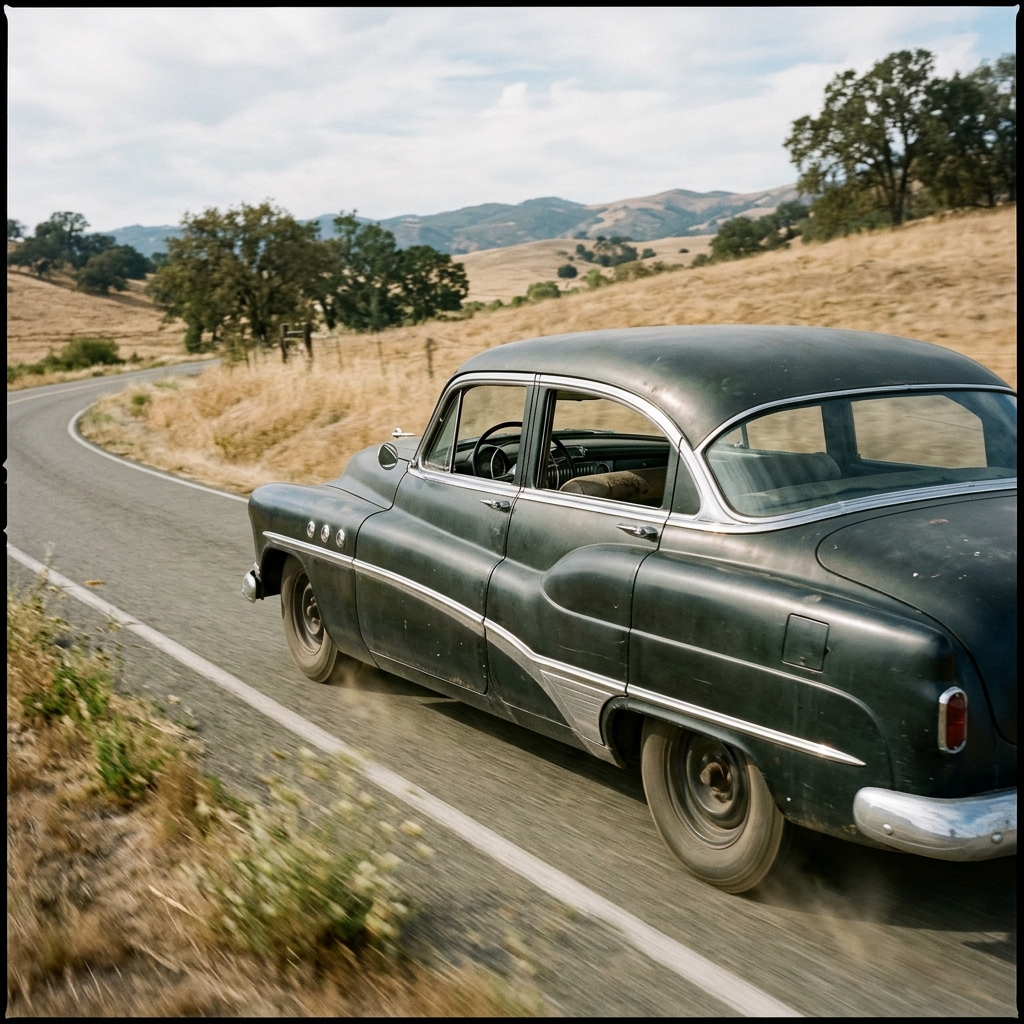
An interesting law states that no vehicle without a driver may exceed 60 miles per hour.
While seemingly obvious in today’s context, this law could be a fascinating relic from early automotive experimentation or perhaps a subtle jab at future autonomous vehicles.
It ensures accountability for anything moving at high speeds on public roads.
The rule prevents runaway vehicles and maintains human control over dangerous machinery.
It’s a reminder of foundational safety principles in transportation.
2.You may not fish from a car.
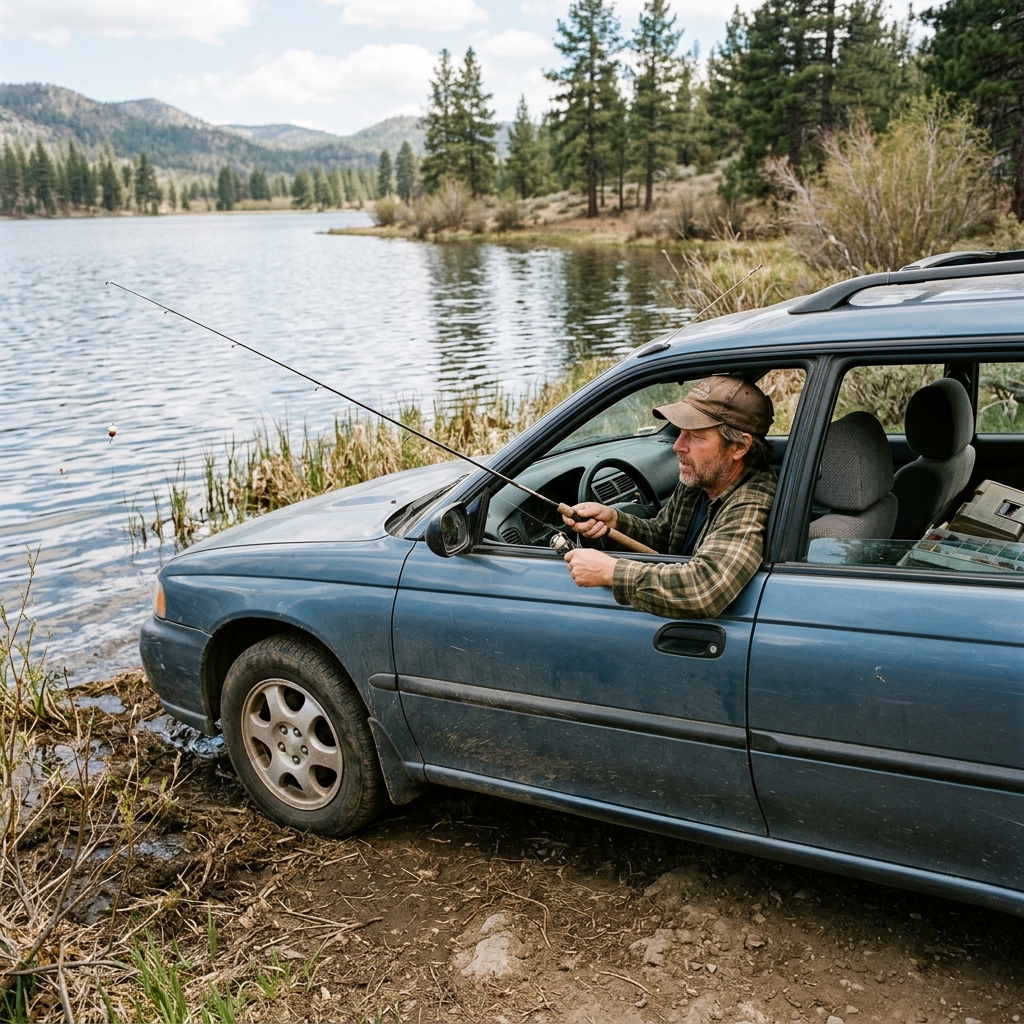
In California, it is illegal to fish from a car, which might sound like a convenient way to cast a line.
This regulation is likely in place for safety reasons, preventing vehicles from obstructing waterways or creating dangerous situations for others.
While tempting for some, it’s better to get out and enjoy nature properly, on foot, for a more authentic experience.
The law ensures that fishing remains a pedestrian-friendly activity.
So, park your car and grab your tackle box before approaching the water’s edge.
1. Snowball fights are banned.
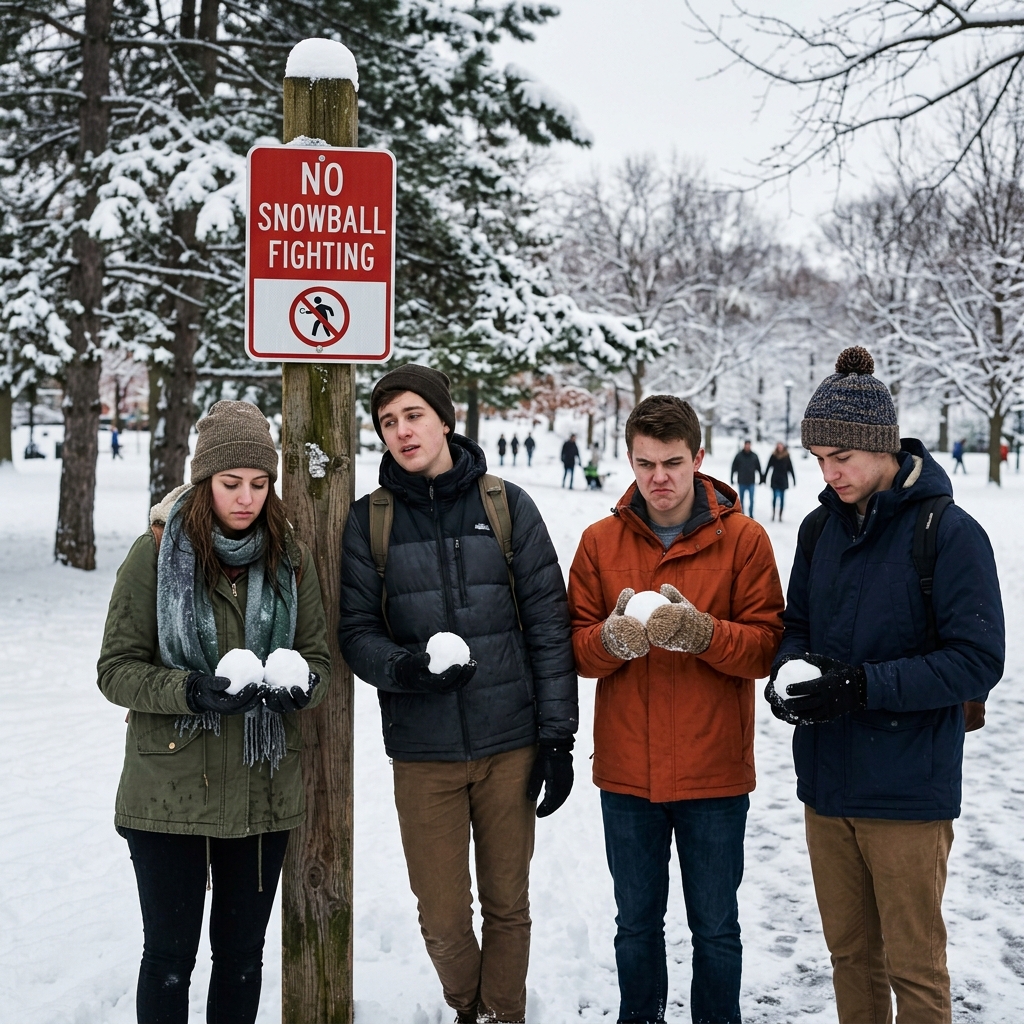
In some parts of California, particularly in areas like Glendale, it’s illegal to throw snowballs.
This surprising law is usually categorized under ordinances against throwing projectiles, aimed at preventing injuries or property damage.
It’s a fun-spoiler for those rare snowy days, reminding us that even playful activities can be regulated.
The rule is a local effort to maintain public safety, even during winter recreation.
So, enjoy the snow, but keep your hands off the snowball-making.

Charles Jacobs