
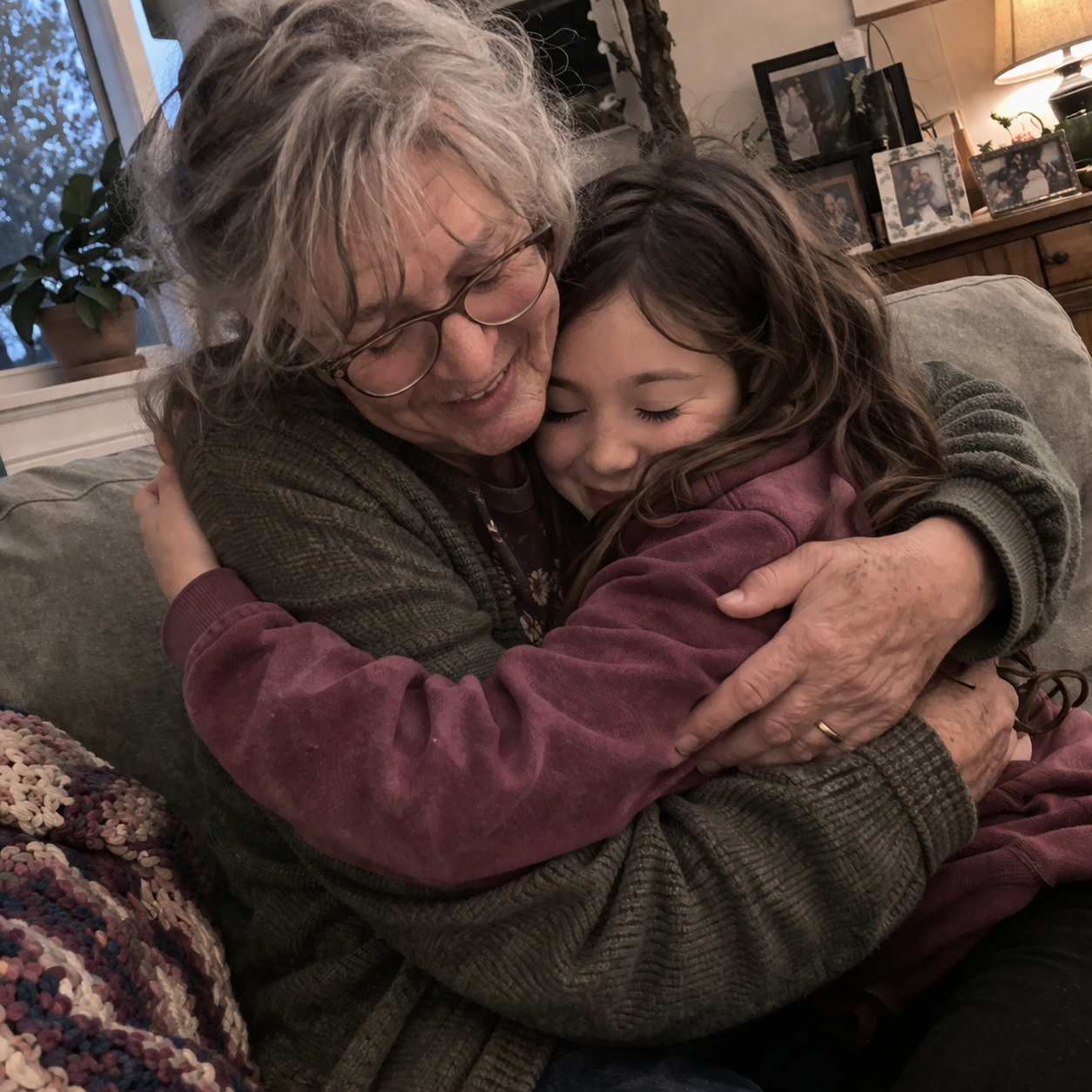
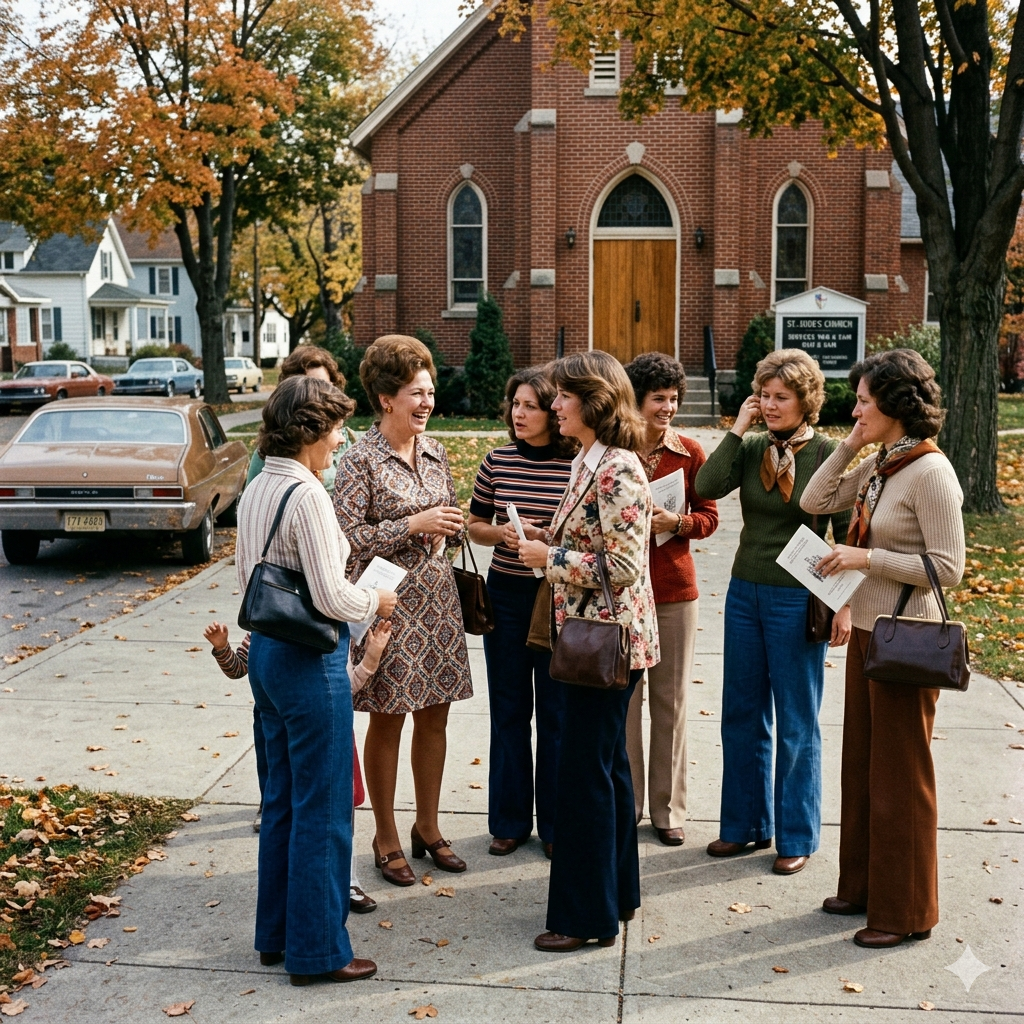
Life moved a bit slower in the 20th Century, anchored by traditions that turned neighbors into family.
While the world was changing rapidly, the local church remained the steady heartbeat of the community.
These customs provided a sense of belonging and a moral compass for a generation.
Let’s take a nostalgic walk through the forgotten traditions that built the foundation of American life fifty years ago.
27. Saying Grace Before Every Meal
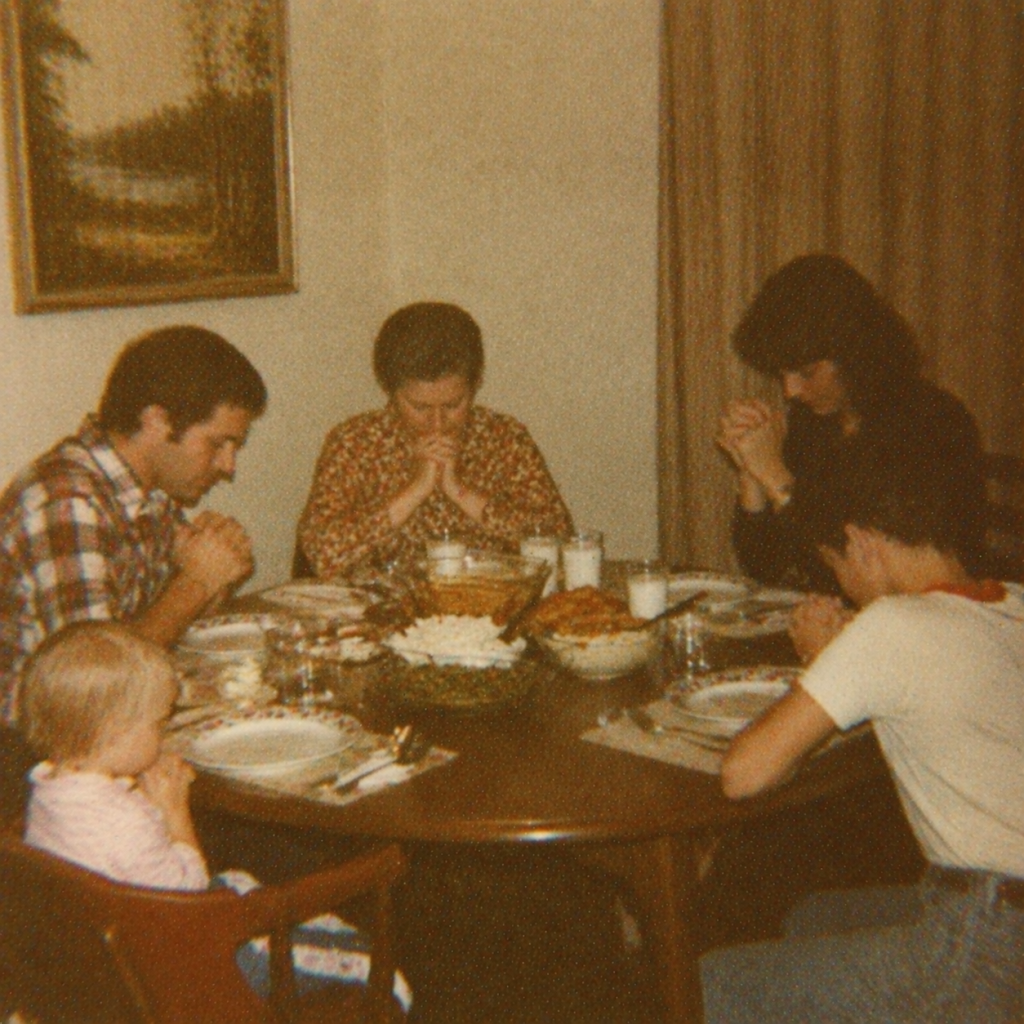
No one picked up a fork until the blessing was said.
We bowed our heads and acknowledged the Provider of our daily bread.
It was a quiet moment of gratitude in a busy day. Hands were often held around the table to signal unity.
Even in loud households, silence fell instantly for the prayer. This simple act reminded us that every meal was a gift.
26. Families Attended Christmas Eve Candlelight Services
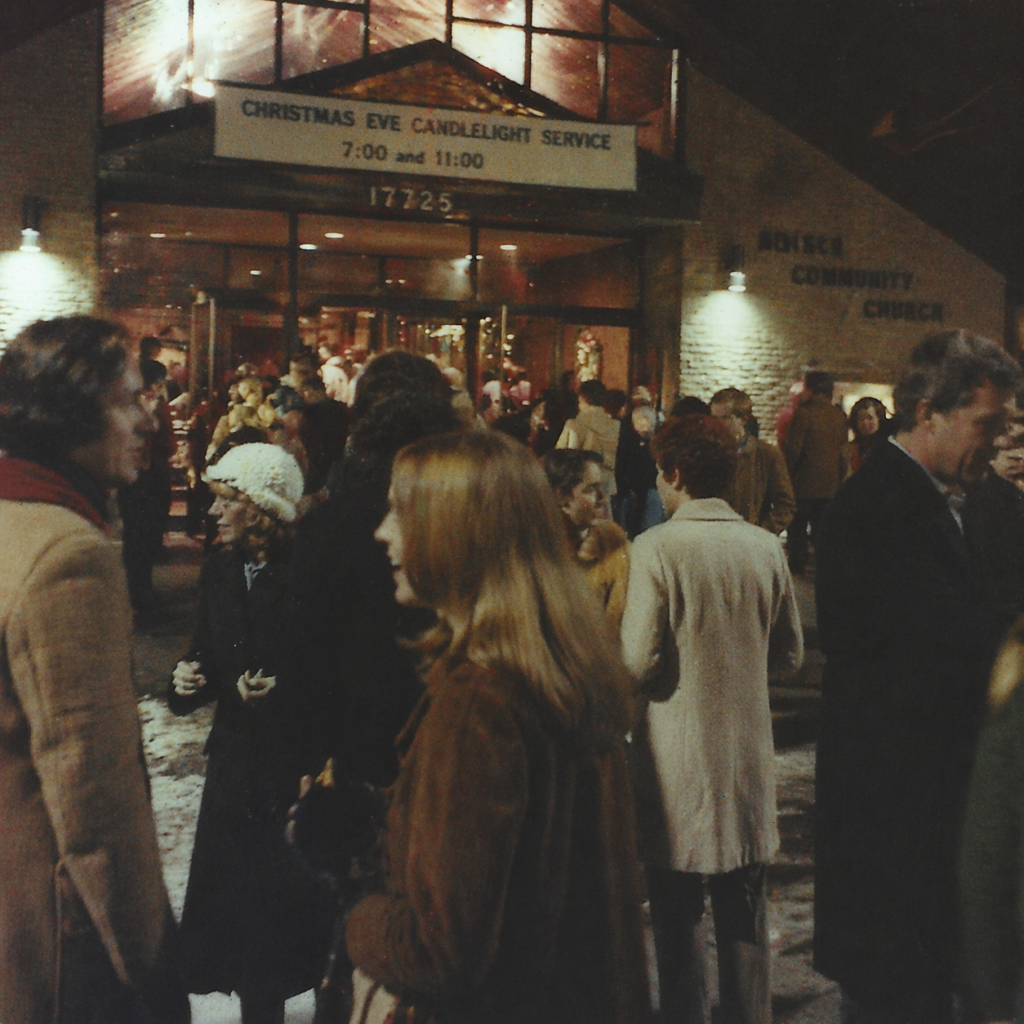
The sanctuary glowed with the soft light of a hundred tiny flames.
We sang “Silent Night” while trying not to drip wax on our sleeves. It was the magical climax of the entire holiday season.
Parents whispered the story of the manger to sleepy children.
The smell of evergreen and beeswax filled the cold night air. We left the church feeling a profound sense of peace.
25. Church Was the Weekly Social Anchor
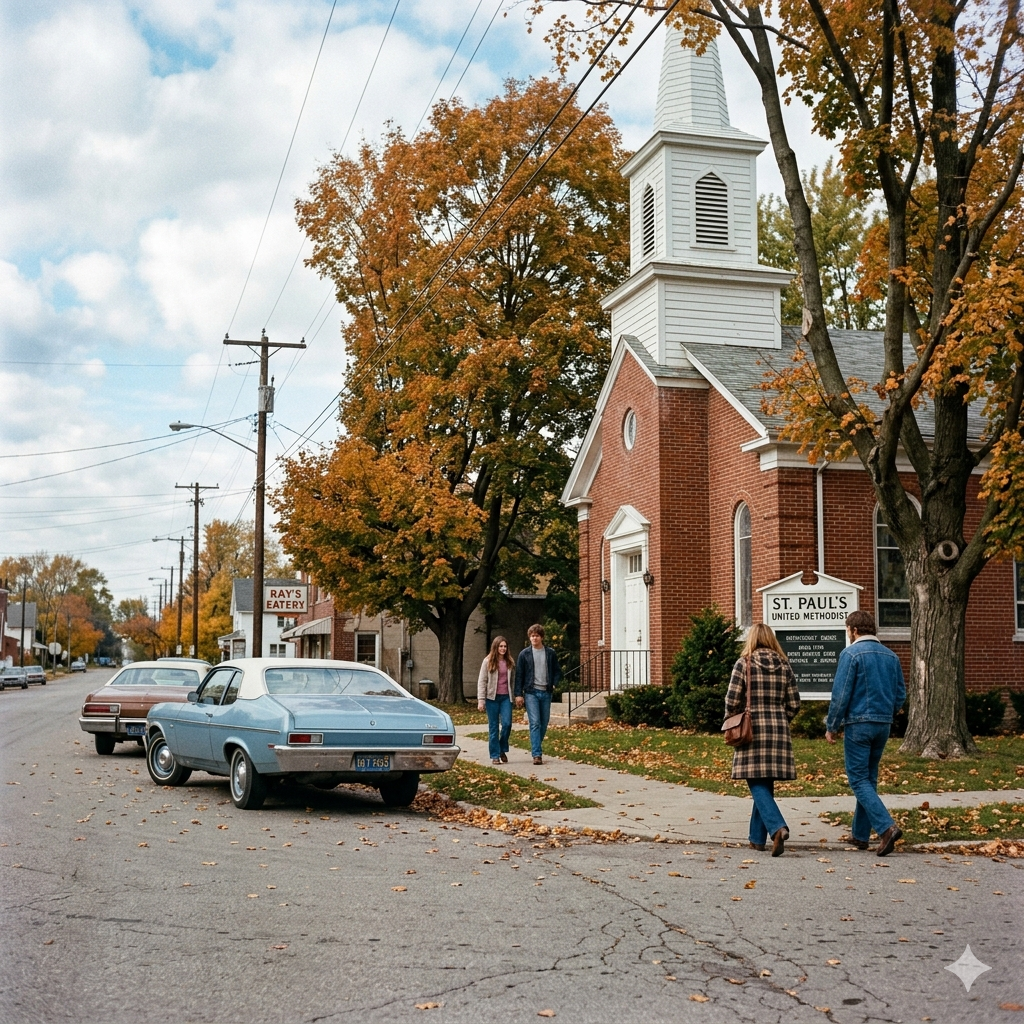
If you wanted to see your friends, you went to church. It was the place where news was shared and plans were made.
The vestibule buzzed with laughter long after the final amen.
Relationships were forged over hymnals and shared pews.
Social lives didn’t happen online; they happened in the fellowship hall. It was the glue that held the neighborhood together.
24. Sundays Were Truly Set Aside for Rest
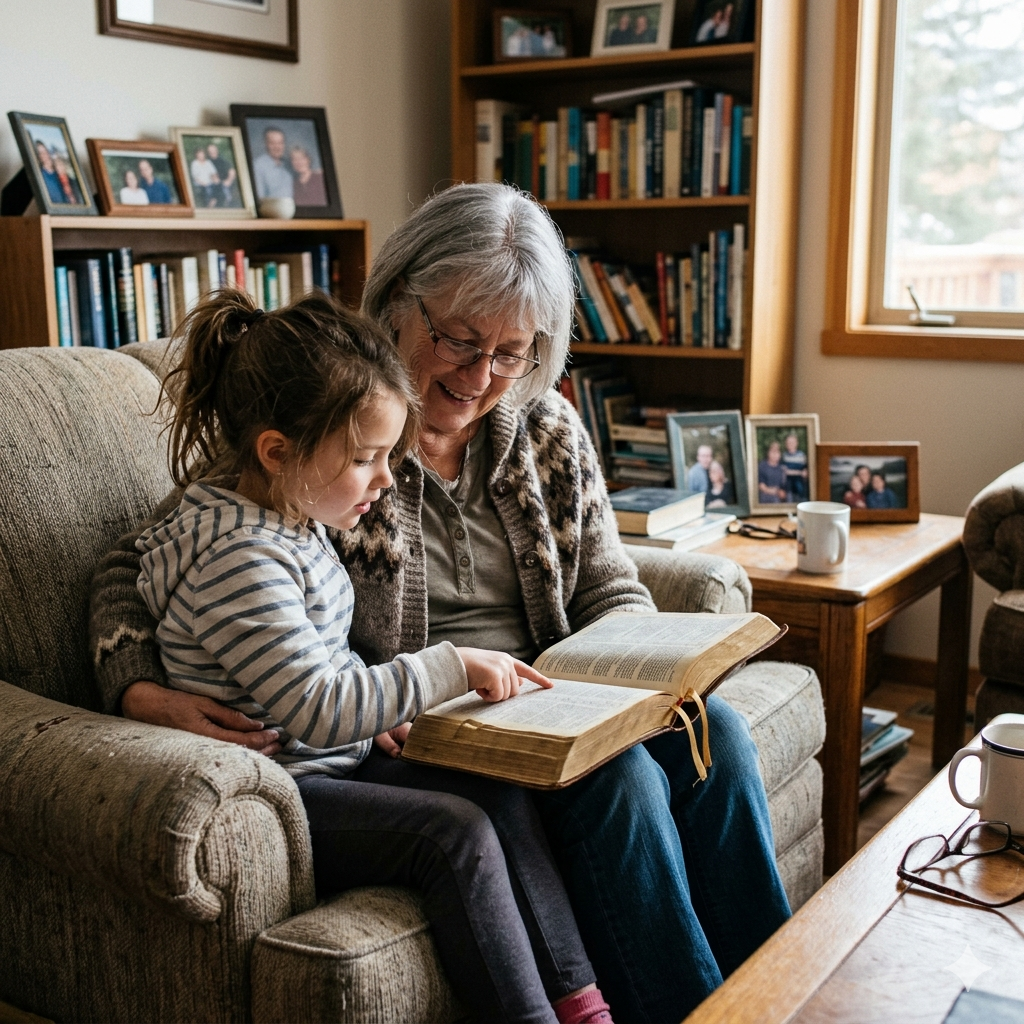
The world seemed to go quiet once the morning service ended.
Stores were closed, and the frantic pace of work stopped.
We spent afternoons napping or taking slow walks through town. It was a day for family, not for errands or chores.
The “Sunday Blue Laws” ensured that everyone had a chance to breathe. We didn’t feel guilty for simply doing nothing at all.
23. People Turned to Prayer in Hard Times
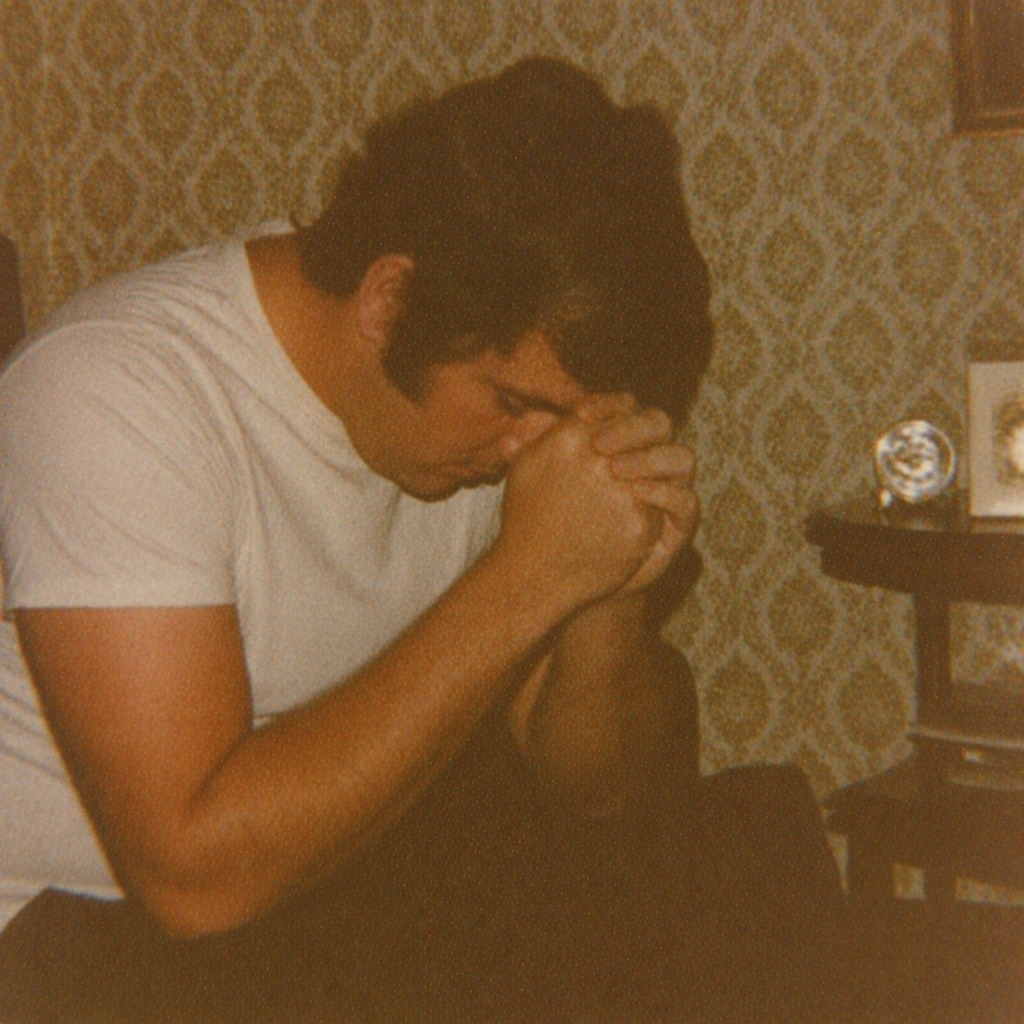
When a neighbor lost a job, the first response was prayer.
There was a collective belief that God was listening to our cries. We didn’t just offer “good vibes”; we petitioned the Almighty.
Prayer was a practical tool for navigating the storms of life. It brought a sense of hope when things felt out of control.
Faith was the first line of defense, never the last resort.
22. Potluck Dinners After Sunday Service
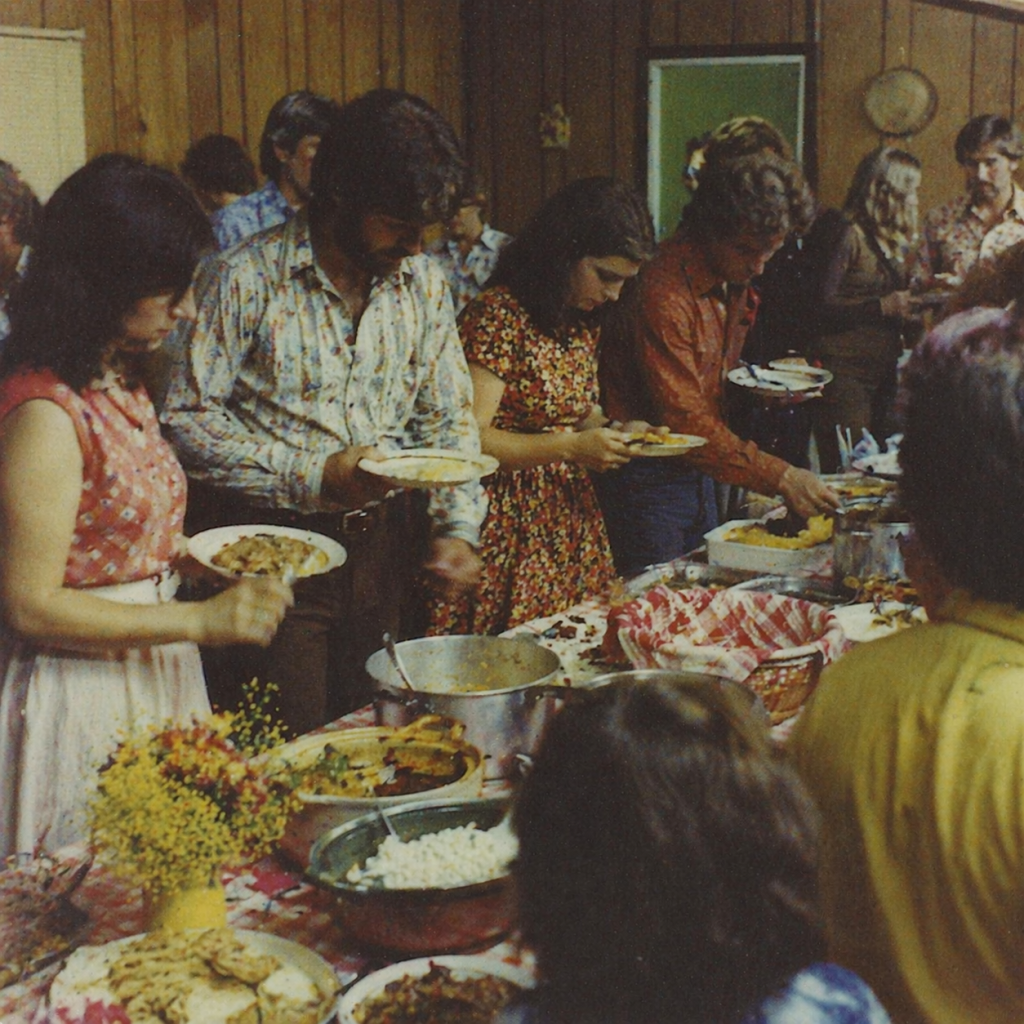
The smell of fried chicken and tuna casserole filled the basement.
Everyone brought their signature dish in a floral Pyrex bowl. Tables were lined with mismatched plates and endless desserts. It was a feast where no one went home hungry.
Laughter echoed off the cinderblock walls as we ate together. These meals turned a congregation into a genuine, living family.
21. Children Took Part in Church Nativity Plays
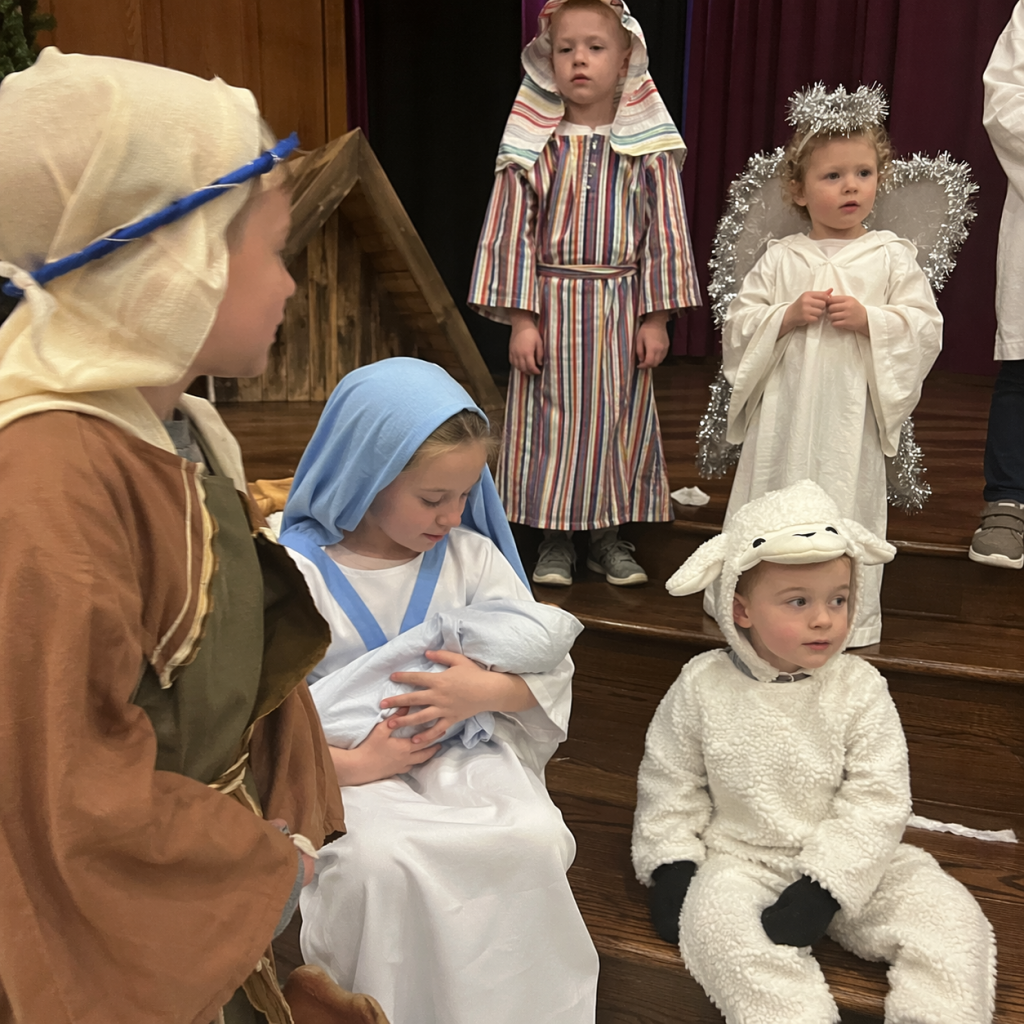
Bathrobes served as shepherd robes, and tinsel became angel halos.
We memorized our lines with a mixture of pride and terror. The “Star of Bethlehem” was usually a cardboard cutout covered in glitter.
Parents watched from the pews with cameras ready to flash. There was always a baby who cried at the wrong time.
It taught us the Christmas story by letting us live it.
20. Caroling Door-to-Door with Neighbors
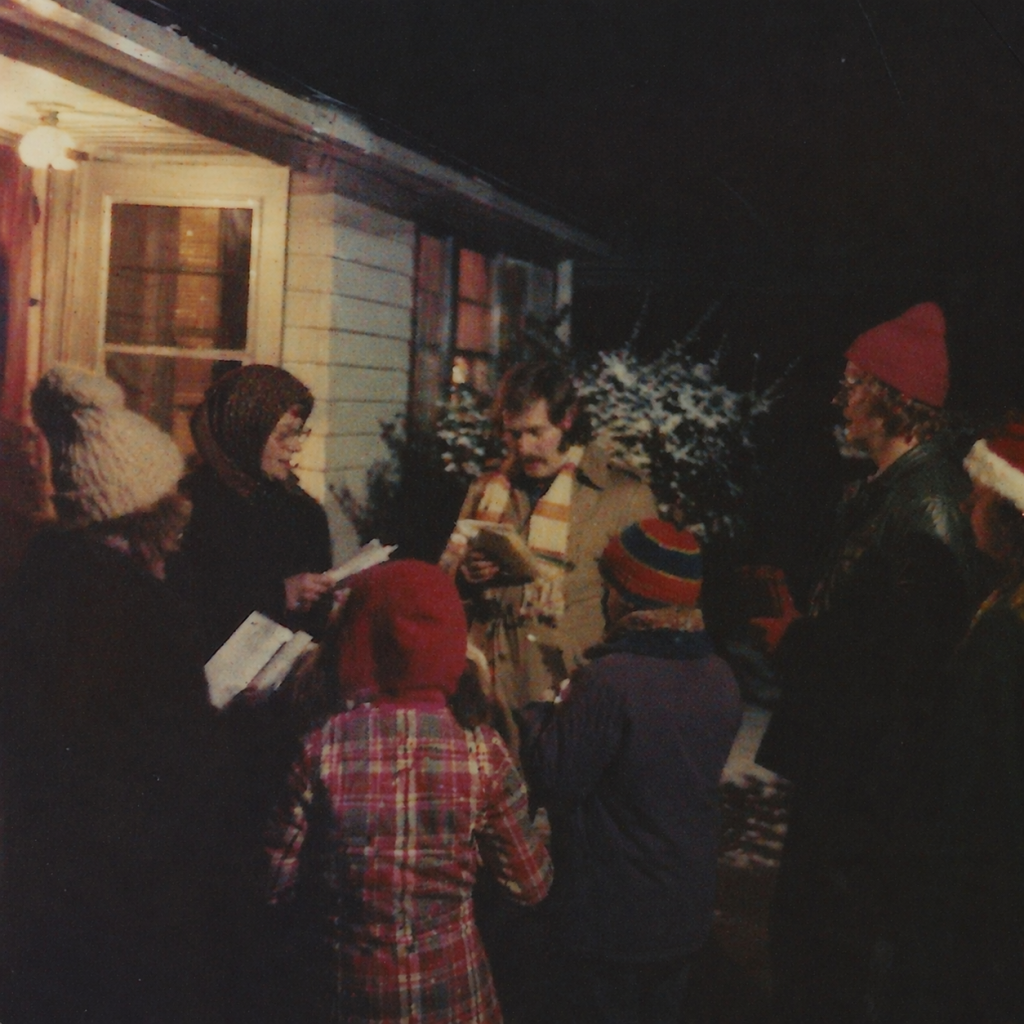
We bundled up in thick coats and walked the snowy streets.
Singing “Joy to the World” brought light to every porch. Neighbors would open their doors and smile at the music.
Sometimes we were invited in for hot cocoa and cookies. It was a way to share cheer without expecting anything back.
The cold air made our breath visible as we sang loudly.
19. Easter Sunrise Services at Church
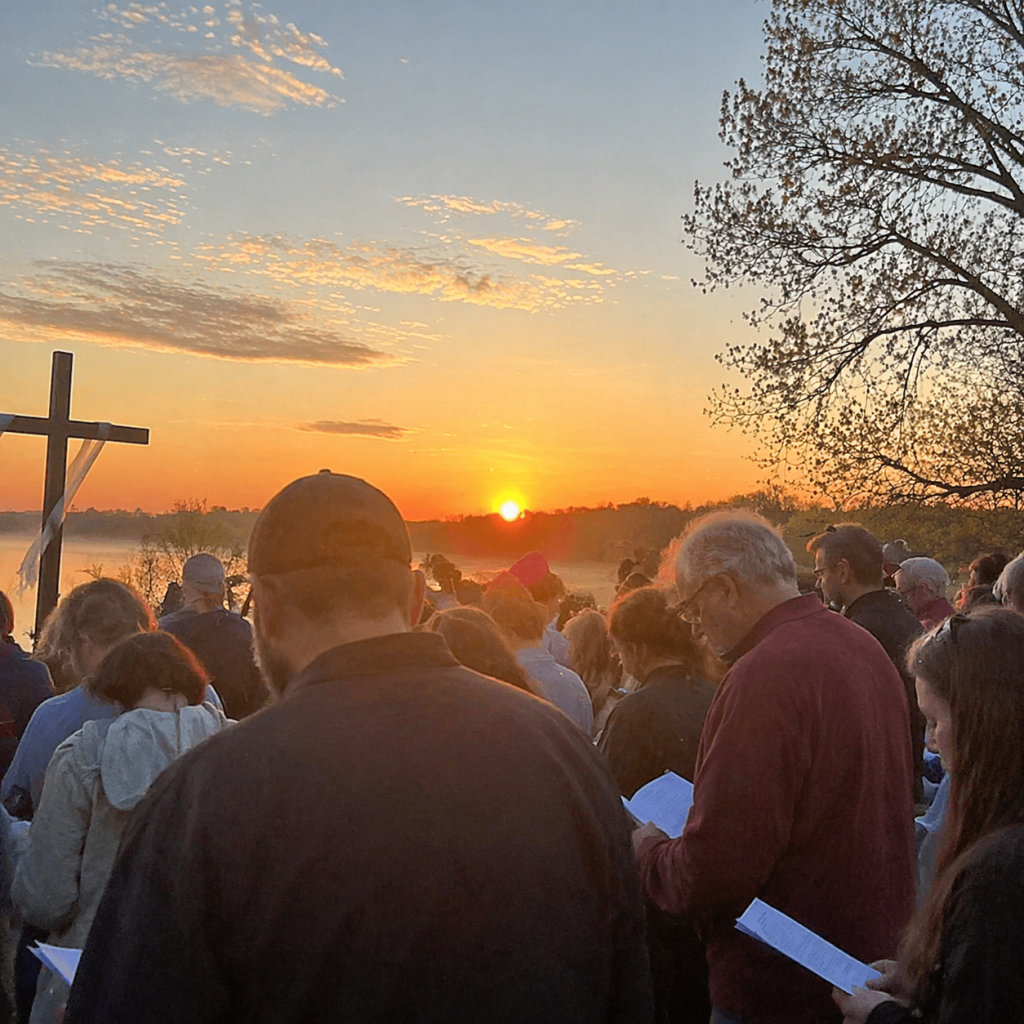
The sky was still purple when we gathered on the lawn.
There was a holy chill in the early morning air.
We celebrated the resurrection just as the sun began to peek.
Coffee and donuts followed in the dim light of dawn. It felt like the whole world was waking up to hope. Starting the day in worship changed the entire holiday’s meaning.
18. Dressing Up in Your “Sunday Best” Every Week
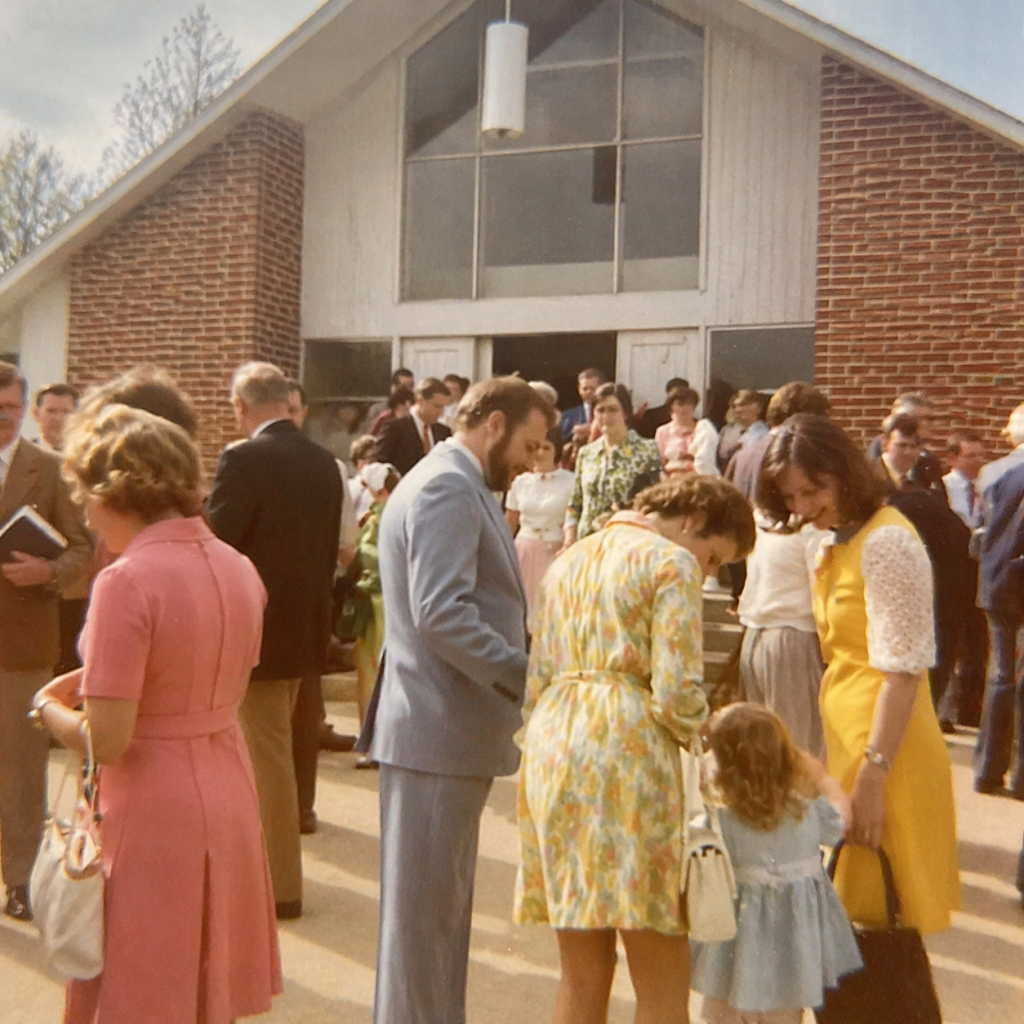
Clip-on ties and itchy lace collars were the weekend uniform.
We showed respect by wearing the nicest clothes we owned. Shoes were polished until they shone like mirrors under the lights.
Dressing up signaled that this day was set apart from others. Even the teenagers straightened their collars before entering the sanctuary.
It was an outward sign of an inward reverence.
17. Sunday Was Never Optional
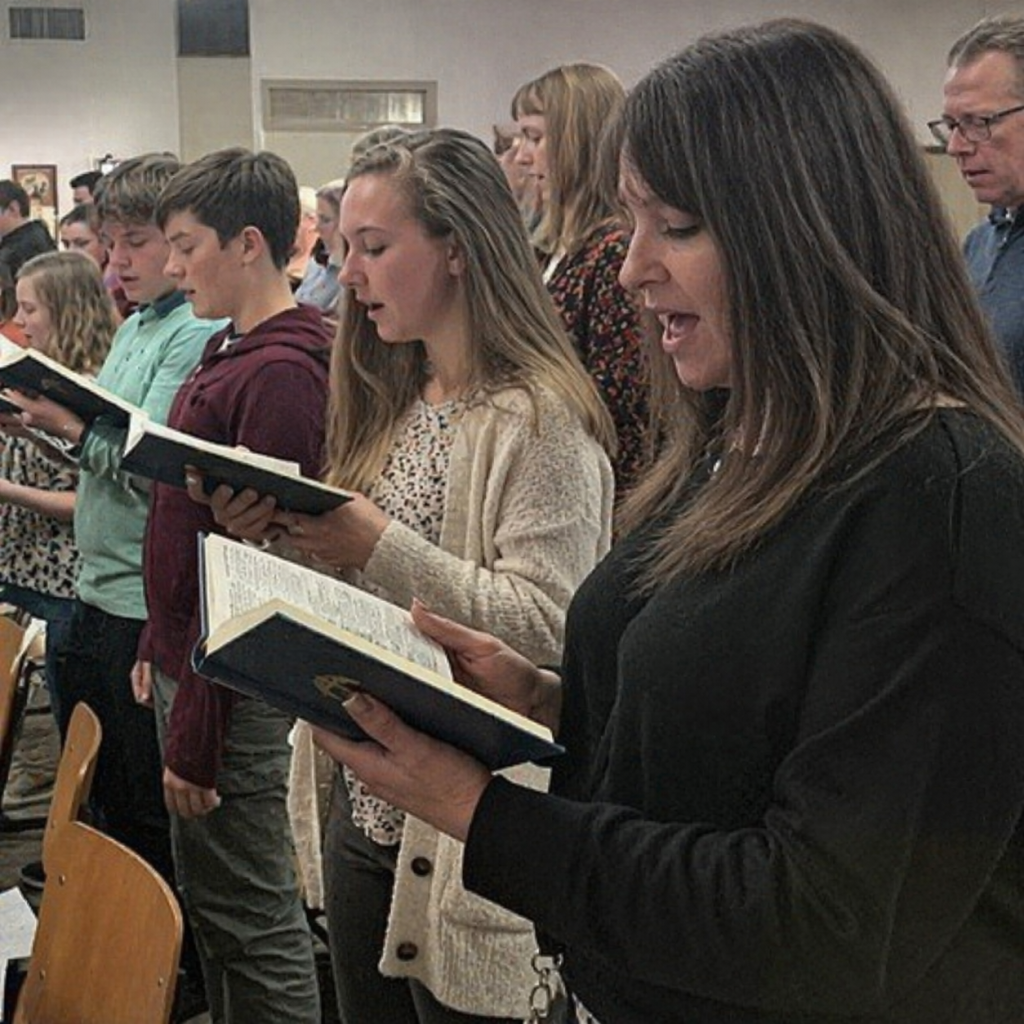
It wasn’t a question of “if” we were going, but “when.”
The schedule was set in stone long before the sun rose.
Skipping church for a sports game was practically unheard of then. Faith took priority over every other hobby or social event.
Consistency built a foundation that lasted a lifetime for many. We showed up because that’s simply what our family did.
16. Vacation Bible School Every Summer
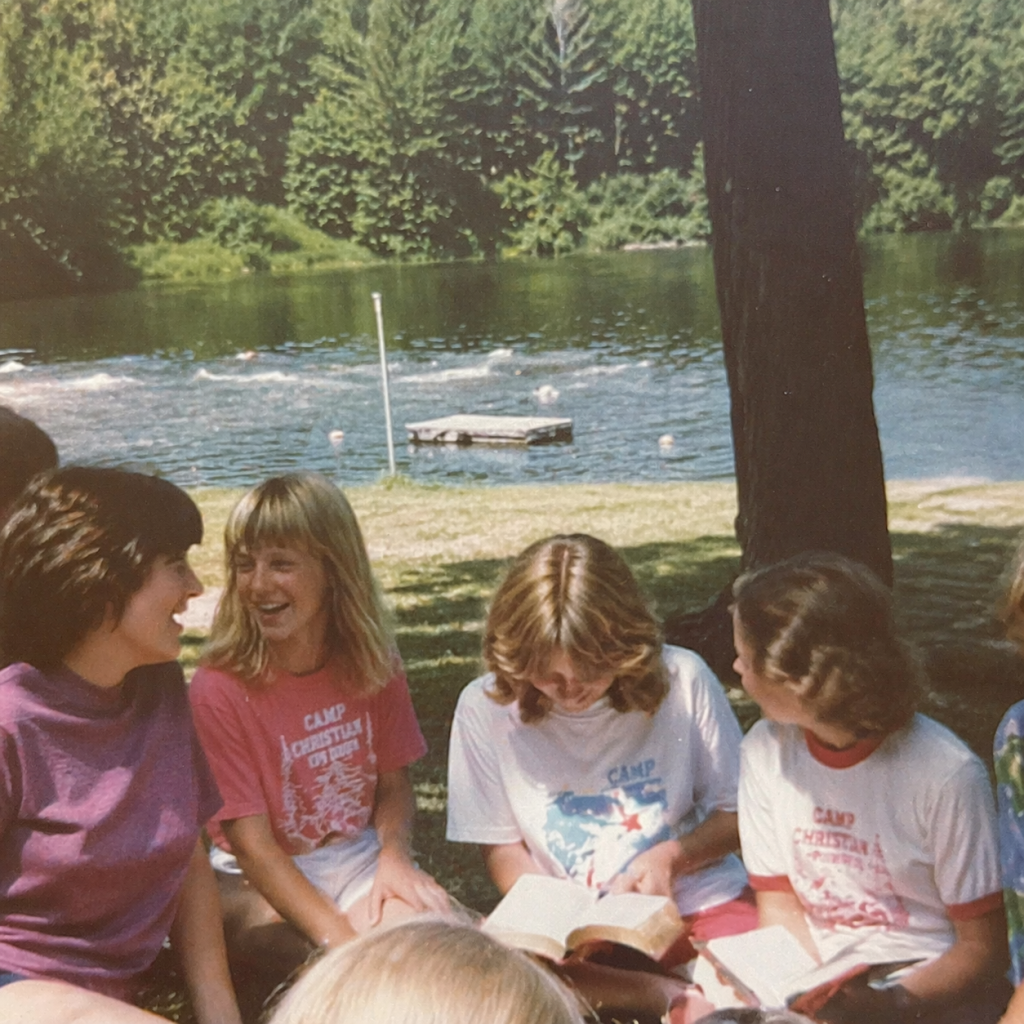
A week in July was dedicated to crafts, snacks, and songs.
We wore theme-based t-shirts and learned about biblical heroes.
The “Pledge of Allegiance” to the Bible was recited daily. Glue sticks and popsicle houses were the tools of our faith.
It was the highlight of the summer for every neighborhood kid. We left with sticky fingers and a heart full of stories.
15. Youth Group on Weeknights
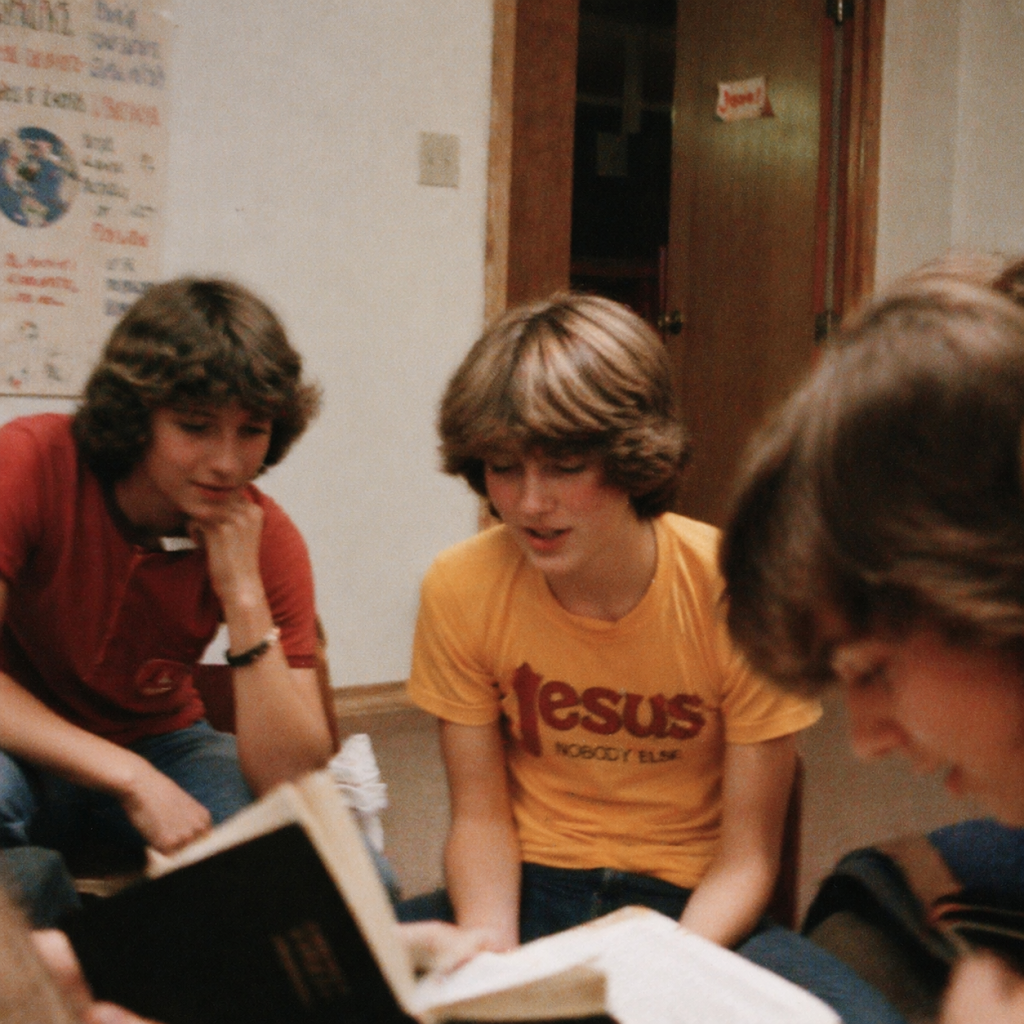
Teenagers gathered in the basement for games and deep discussions.
It was a safe haven from the pressures of high school. We sang songs played on acoustic guitars by cool leaders.
Pizza was the unofficial food of spiritual growth back then.
Lasting friendships were formed over silly icebreakers and late prayers.
It gave us a place to belong during awkward years.
14. Church Picnics in the Summer
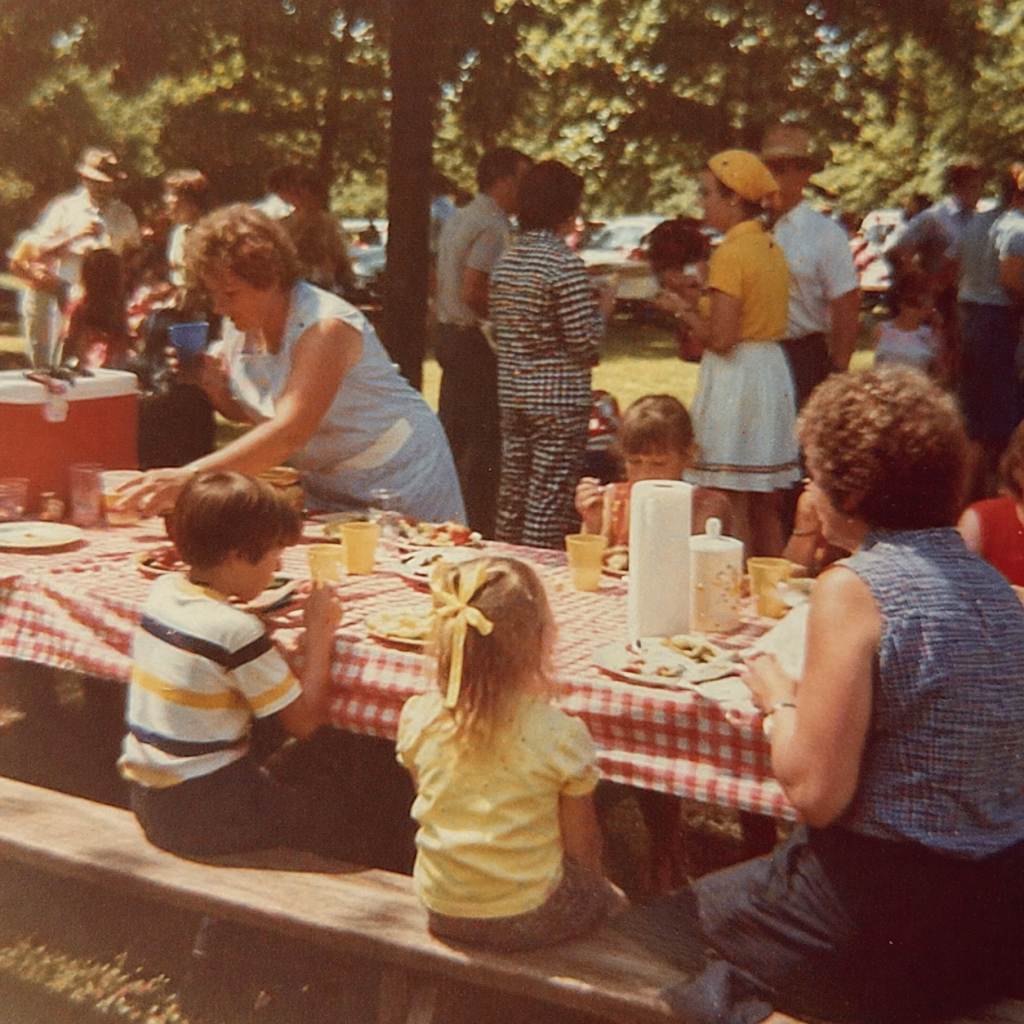
The local park became a sea of checkered tablecloths and coolers.
We played three-legged races while the adults sat in lawn chairs.
Watermelons were sliced thin and served to sticky-faced children.
It was a day of pure, unadulterated community fun outdoors. The pastor usually lost the softball game to the deacons.
Memories were made under the shade of ancient oak trees.
13. Baptisms as Public Community Events
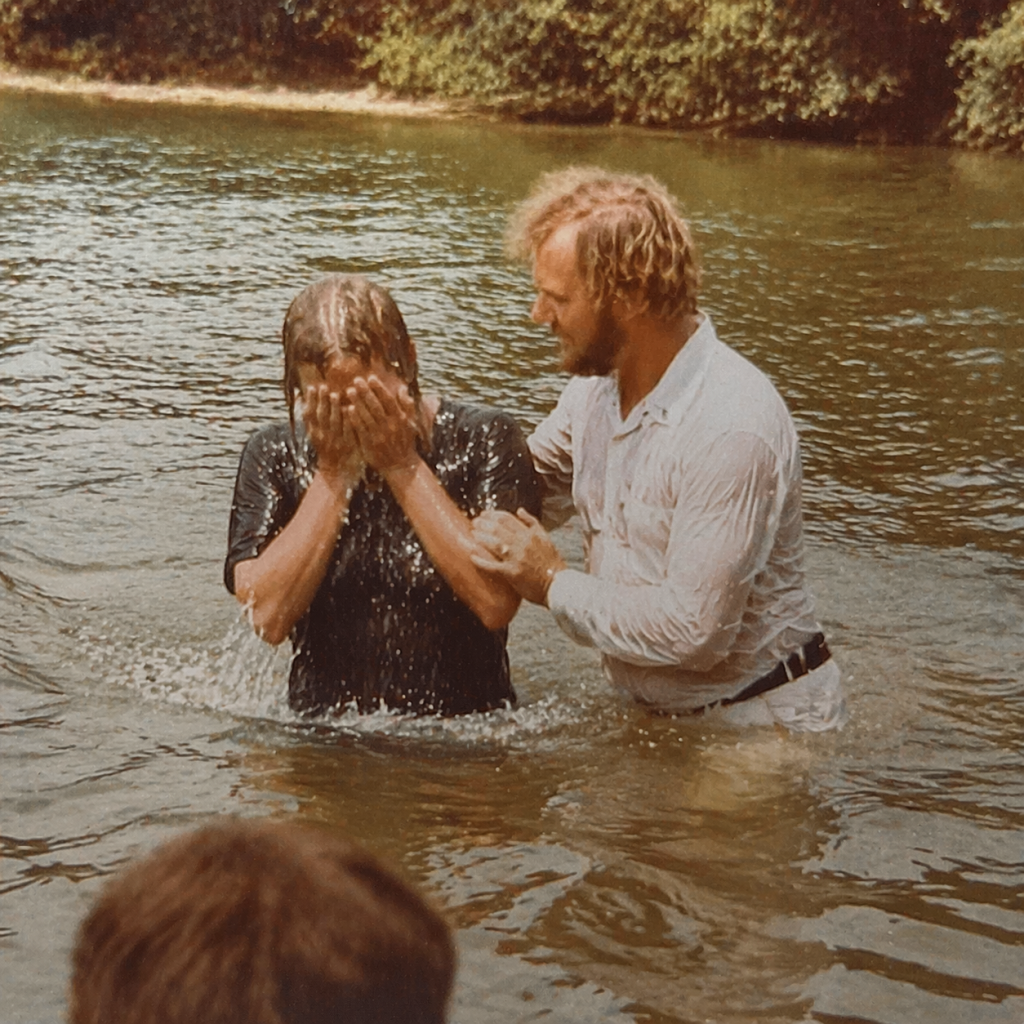
We gathered at the river or the church tank to witness.
It was a celebration of a new life starting in faith.
The congregation sang “I Have Decided to Follow Jesus” softly. Seeing someone emerge from the water brought tears to many.
It wasn’t just a private moment. The whole church cheered. We were all witnesses to a profound and beautiful transformation.
12. Confirmations as a Rite of Passage
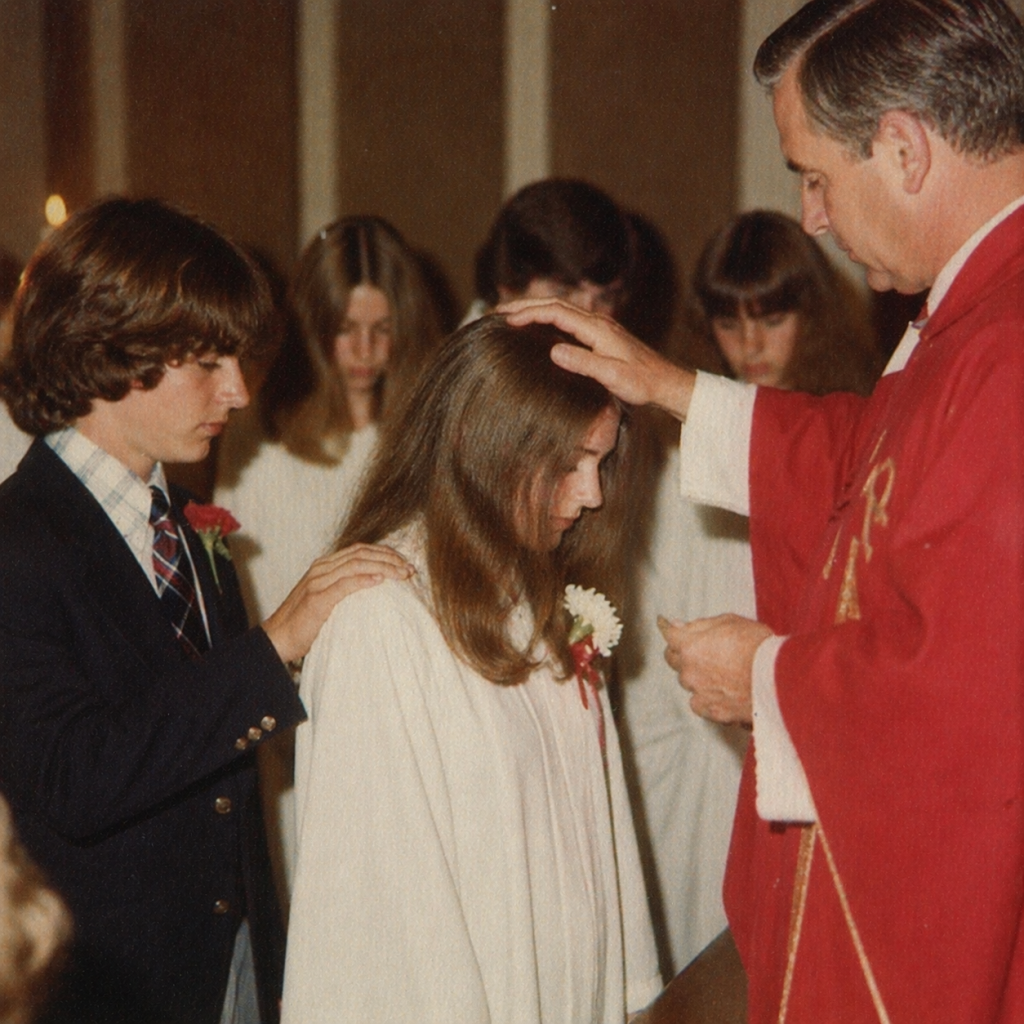
Thirteen-year-olds stood at the front to profess their own faith. It was the moment we stepped into spiritual adulthood seriously.
Grandparents traveled from states away to see the ceremony happen.
We received a new Bible with our name embossed in gold.
The weight of the tradition felt heavy and significant that day. It was a milestone that every child worked hard to reach.
11. Christmas Was Centered on Christ
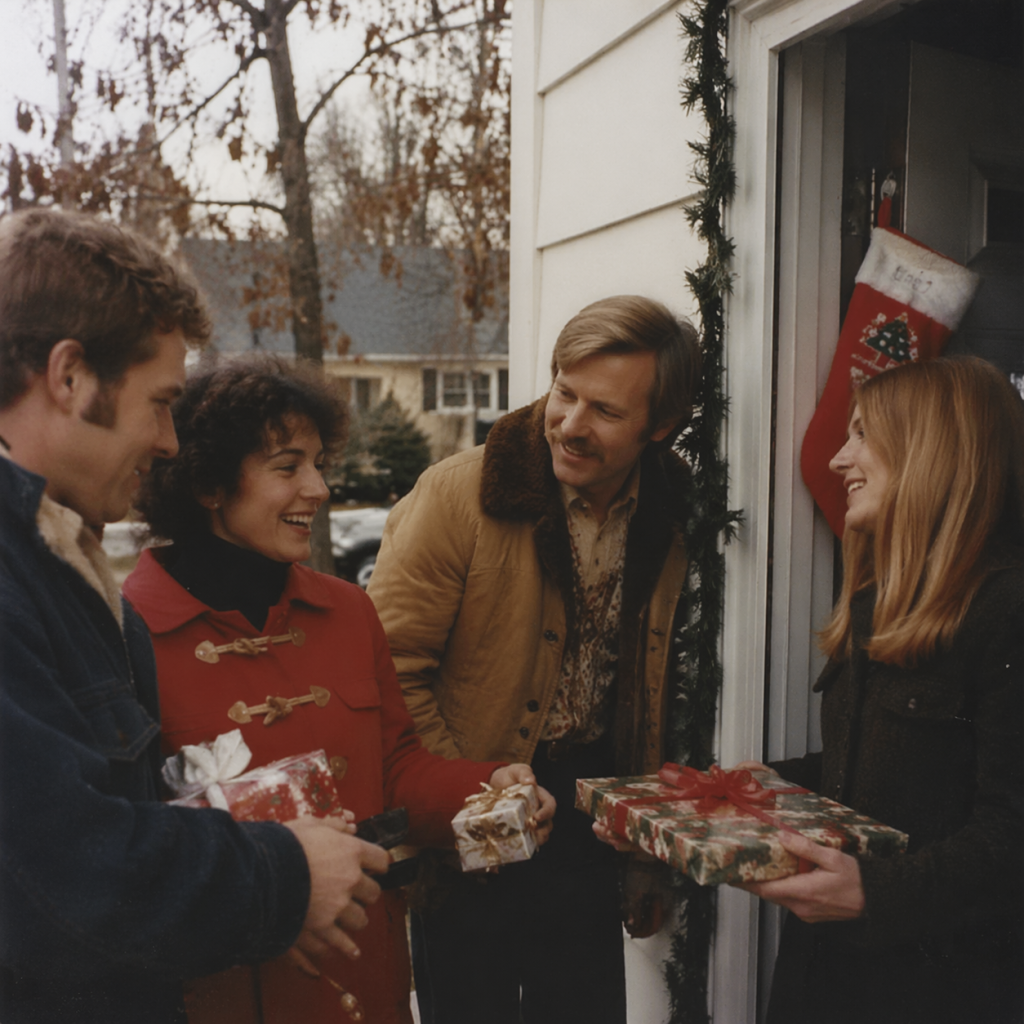
Before the shopping frenzy, we focused on the humble manger.
The advent wreath was lit every Sunday leading to the day. Gift-giving was a reflection of the Greatest Gift ever given.
We read the second chapter of Luke before opening boxes.
Santa was there, but the Savior was always the guest of honor. It kept the season from becoming purely about material things.
10. Passing the Offering Plate Each Week
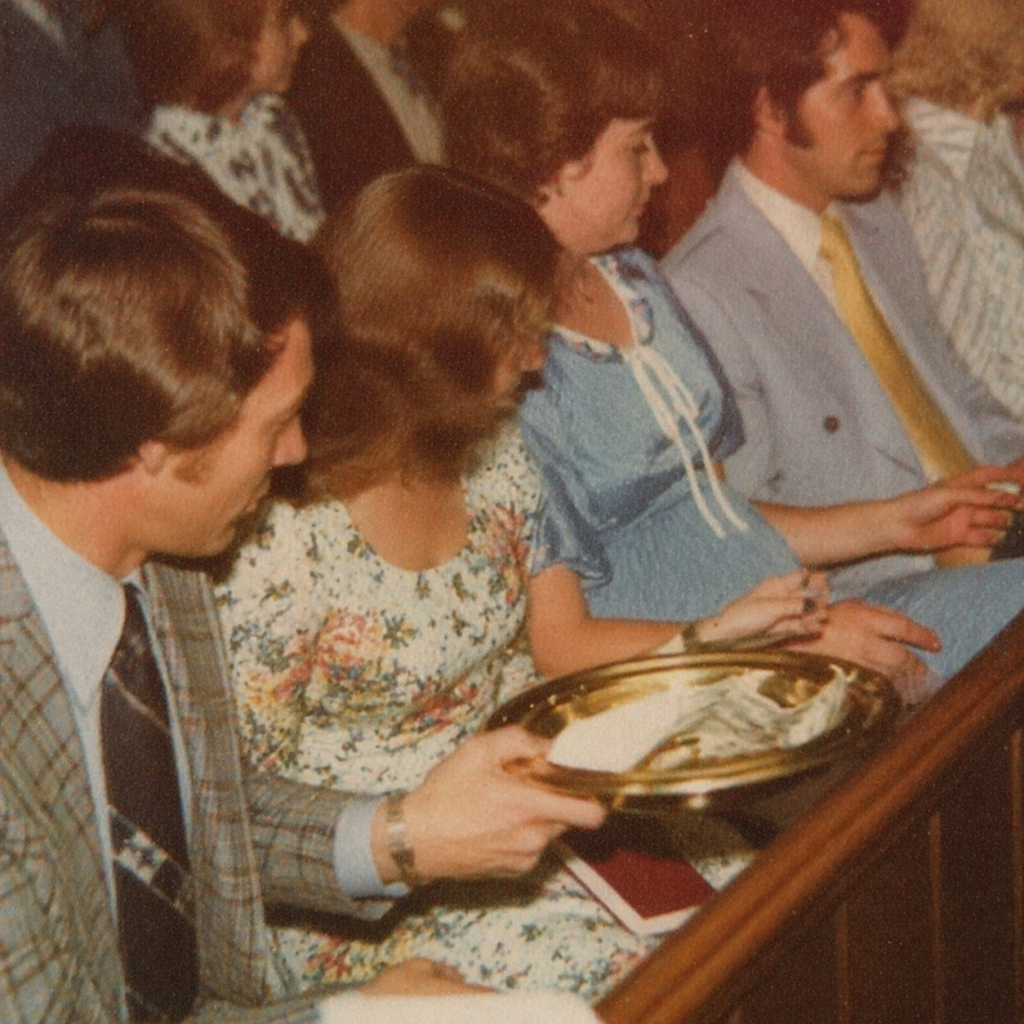
The wooden plate moved slowly down every single crowded row.
We learned the value of giving back from a young age. The sound of coins clinking against wood was a familiar rhythm.
It was a tangible way to support the local ministry’s work.
Parents would hand a dollar to their kids to drop in. It taught us that we were all responsible for the church.
9. Writing Prayer Requests for the Congregation
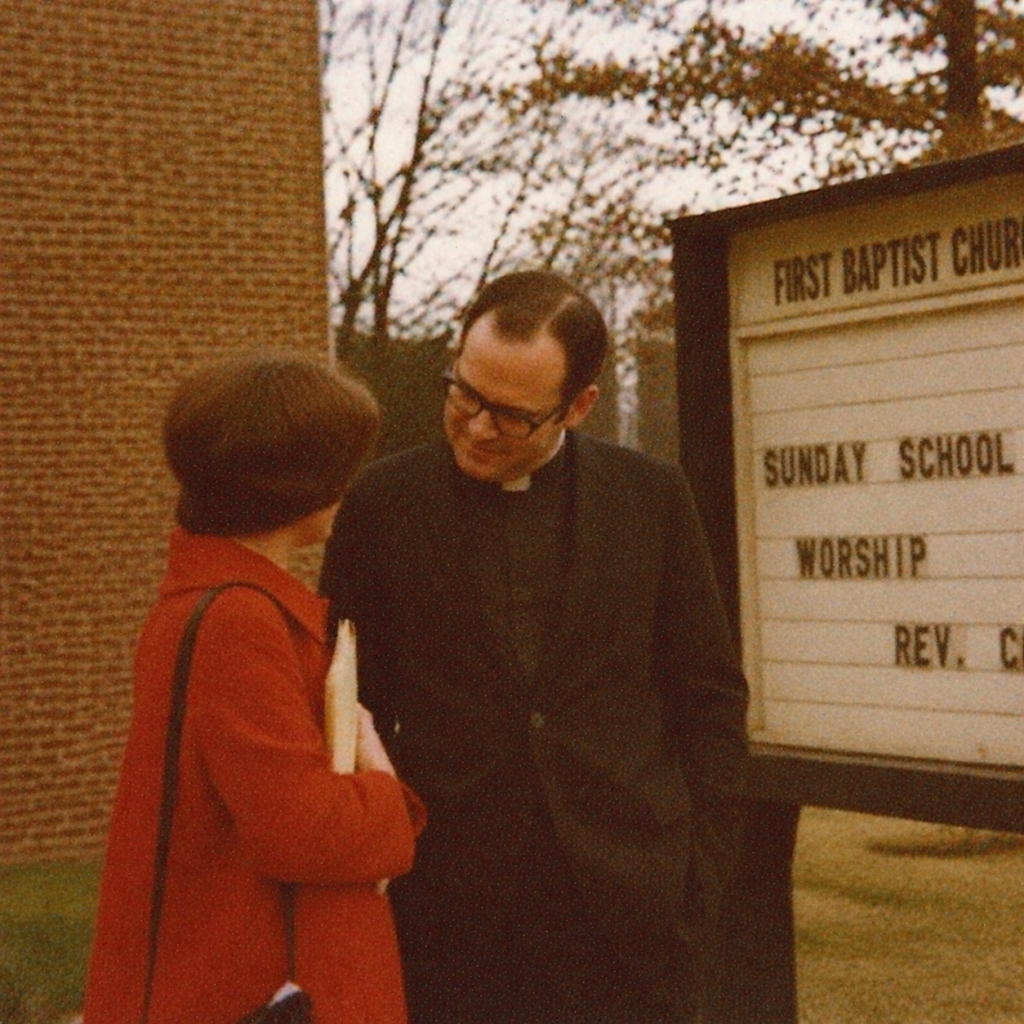
Small slips of paper were filled with names of the hurting.
These requests were read aloud or placed on a special board. Knowing the church was praying for you provided immense comfort.
We carried each other’s burdens through these handwritten notes. It kept us connected to the trials of our fellow members.
No one had to face a crisis alone in that community.
8. Visiting the Sick as a Church Duty
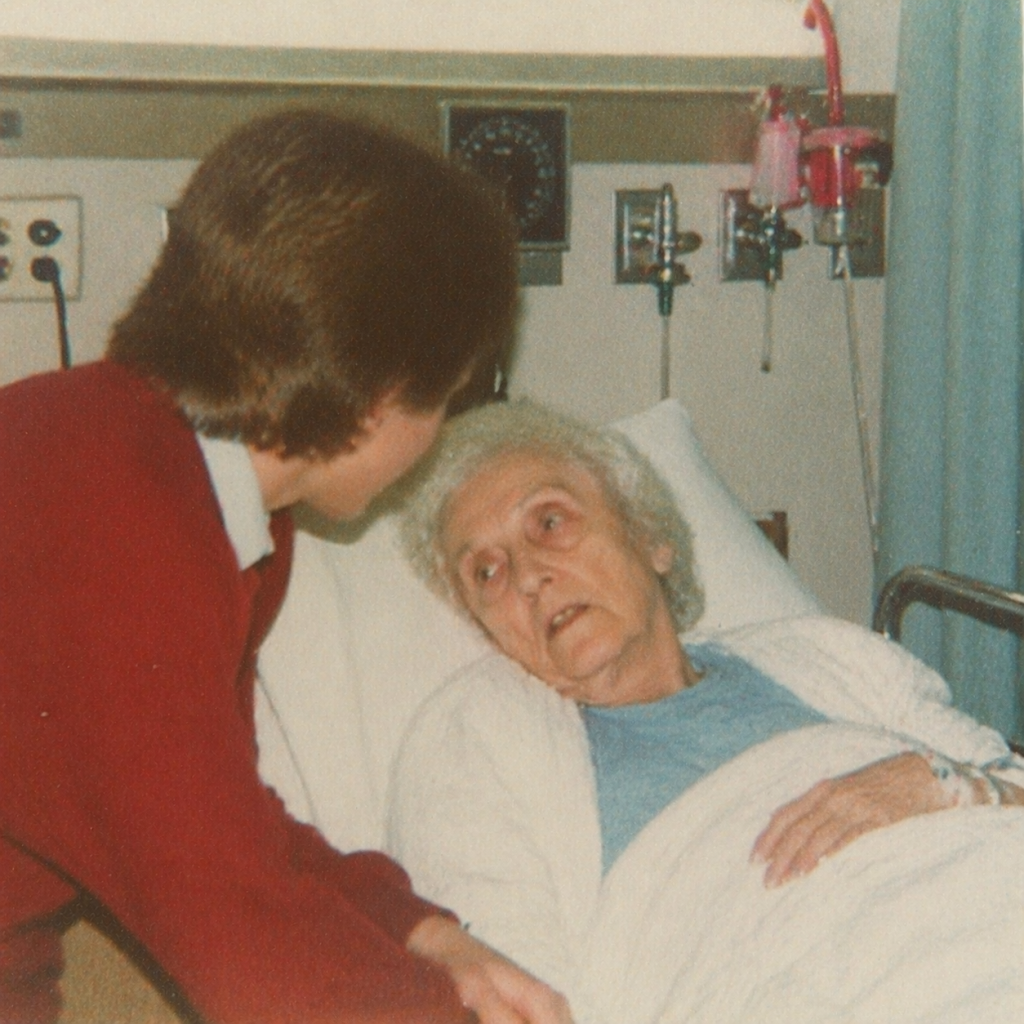
If someone was in the hospital, the pews felt empty.
We didn’t just send a text. We showed up in person.
Deacons and elders made rounds with a Bible and a prayer. A visit meant the world to someone stuck in a bed.
It was a quiet ministry of presence that defined the era. We took care of our own with physical, personal visits.
7. Bringing Meals to Families in Need
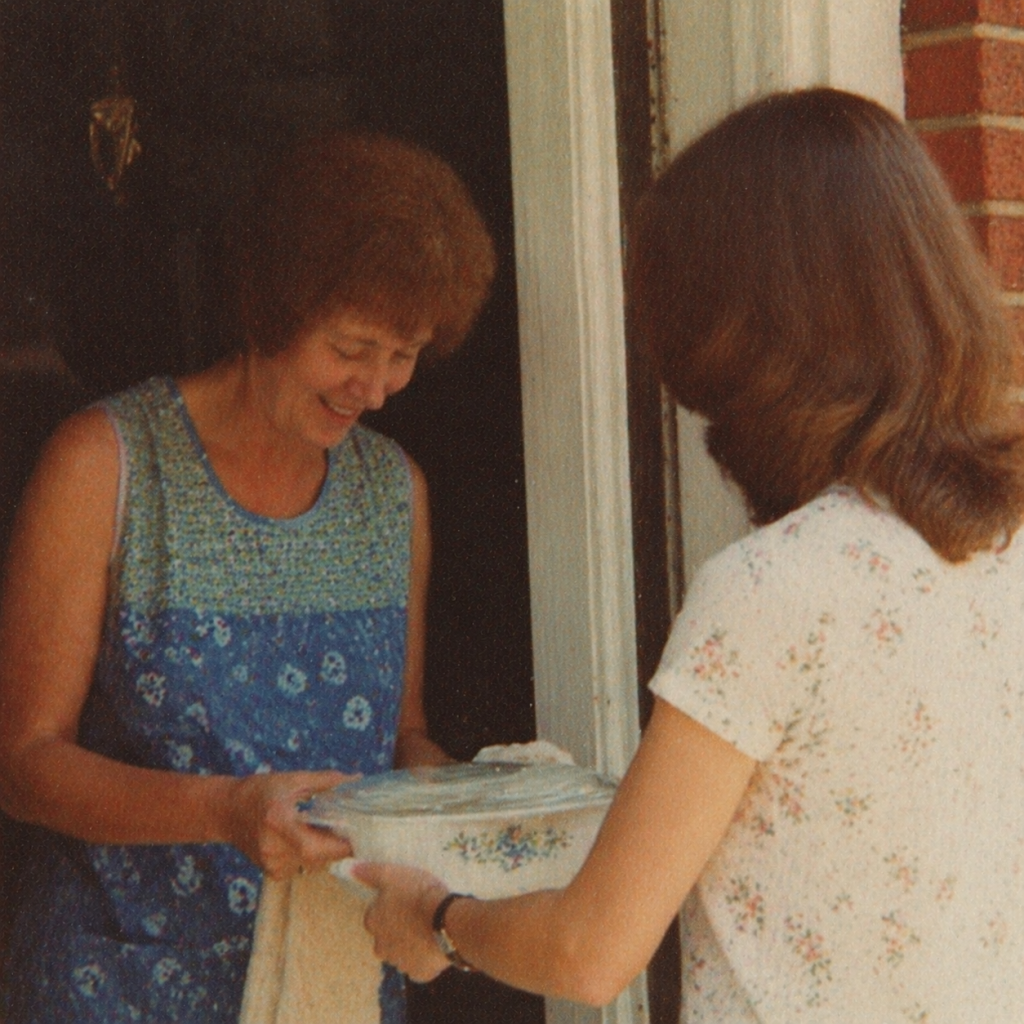
A new baby or a funeral meant a stocked refrigerator nearby.
Casseroles were the universal language of Christian love and care. You never had to cook when life got overwhelmingly difficult.
The “Meal Train” existed long before the internet was invented.
It was a practical way to show that the church cared.
The kitchen was often the heart of the church’s outreach.
6. Revivals and Multi-Night Church Events
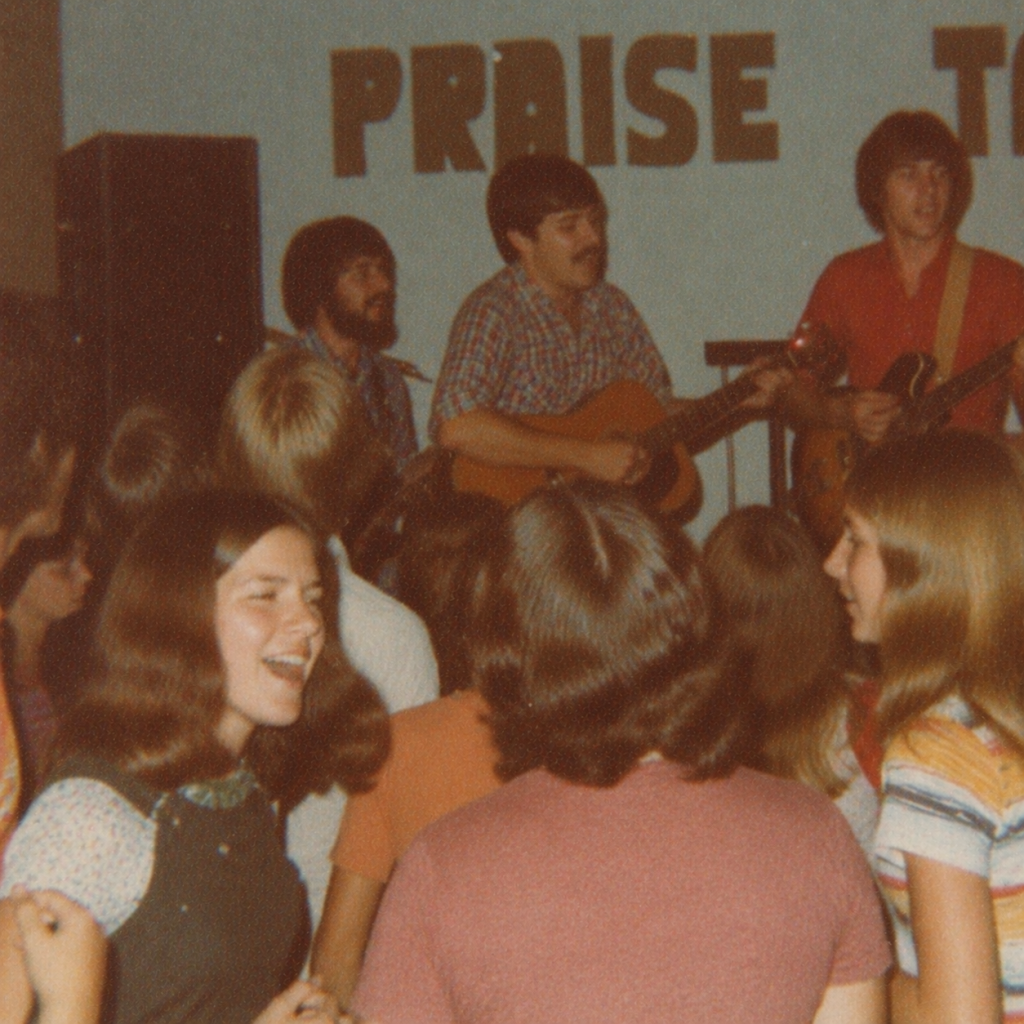
The church doors were open every night for a full week.
Guest speakers brought fresh fire to the local pulpit’s message. We sat on hard pews, listening to powerful calls to repentance.
The music was loud and the energy was incredibly contagious. It was a time for spiritual renewal and community-wide focus.
We walked away feeling challenged to live better, holier lives.
5. Bible Study Groups in People’s Homes
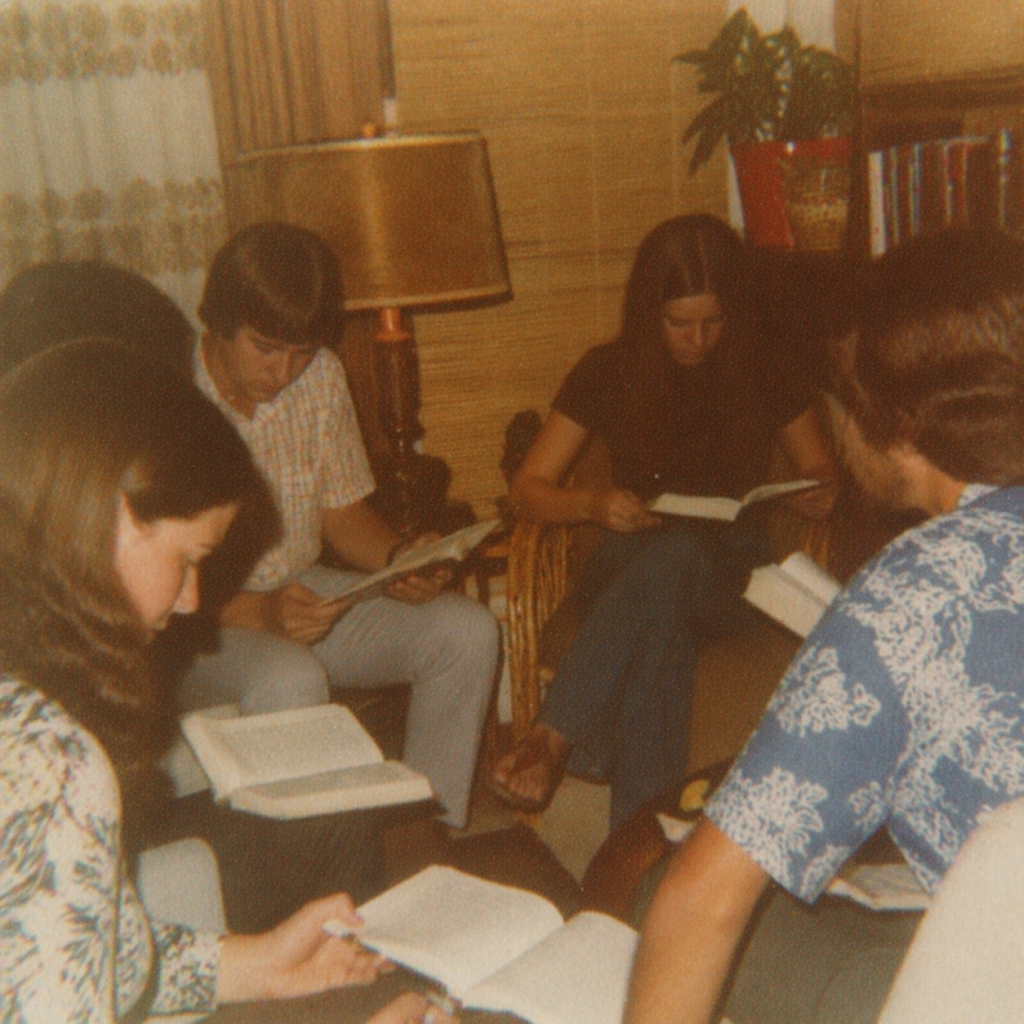
Living rooms became classrooms for deep dives into the Word.
We drank coffee and sat on sofas to discuss scripture. It was more intimate than a sermon in the large sanctuary.
Neighbors invited neighbors to join the weekly circle of study. Questions were asked freely over plates of homemade butter cookies.
These small groups built the strongest bonds of all traditions.
4. Sunday School Before or After Service
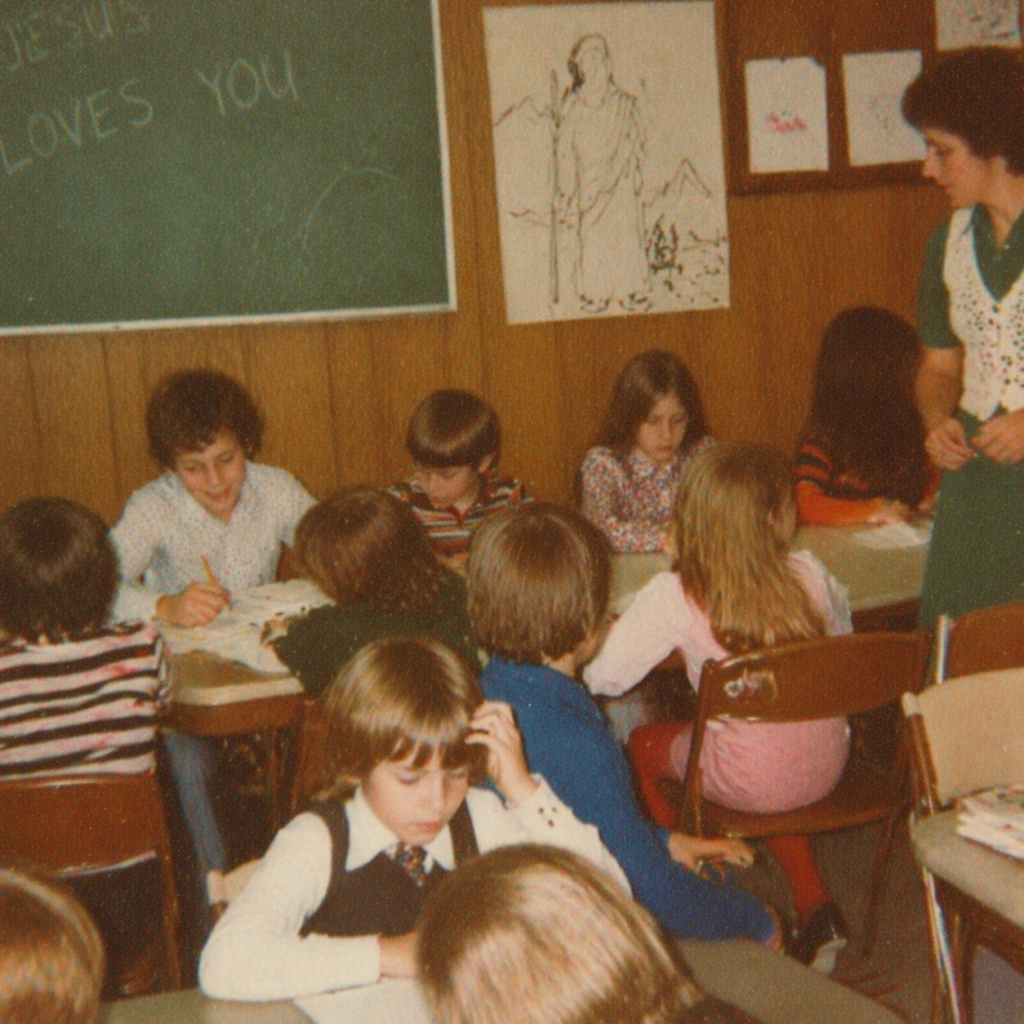
We gathered in small classrooms divided strictly by age groups.
Flannelgraph boards brought the ancient stories to vivid life. Teachers used colorful booklets to guide us through the lessons. We earned gold stars for memorizing short verses of scripture.
It was the foundation of our biblical knowledge for years. Sunday School was where we learned the “why” of our faith.
3. Family Bible Reading at Night
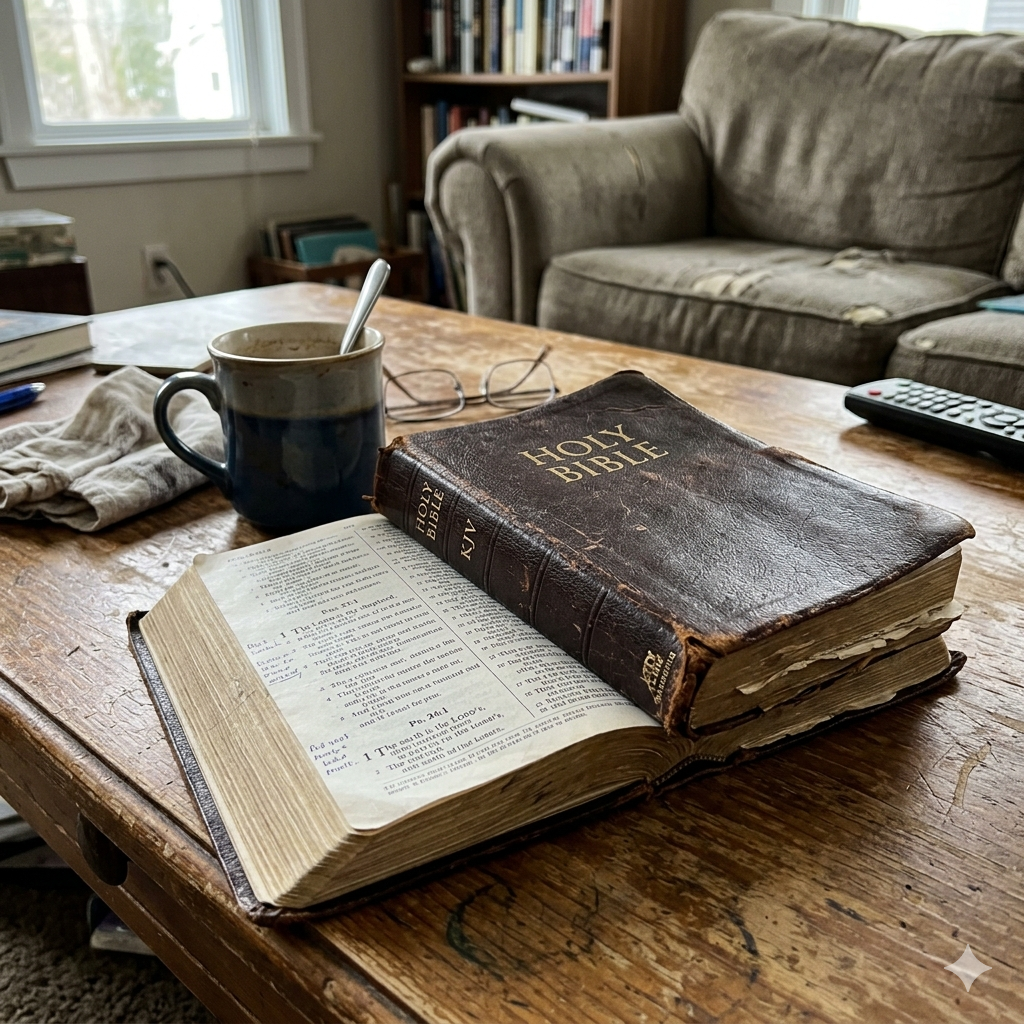
Before bedtime, the heavy family Bible was opened wide.
Dad or Mom would read a chapter while we listened. It was a calm ending to a day of school and play.
We discussed what the stories meant for our own lives.
The Bible wasn’t just a book on a high shelf. It was a living part of our daily family routine.
2. Parents Led Prayer at Home
Faith wasn’t something left behind at the church’s front door.
Our parents modeled a life of talking to God daily. We saw them kneel by the bed or pray at the table.
It taught us that God was accessible at any moment.
Their faith became the blueprint for our own spiritual walks. Home was the primary place where our souls were nurtured.
1. Neighbors Prayed for Each Other
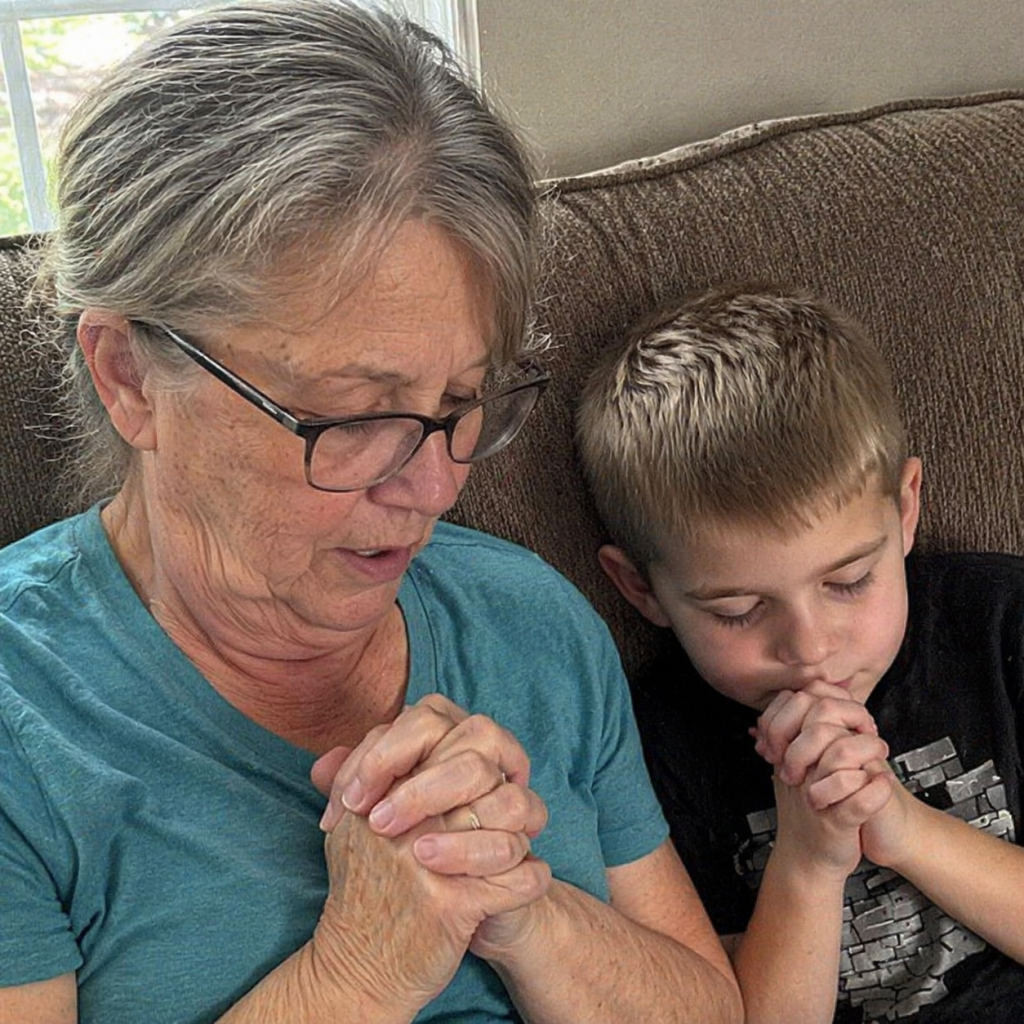
Over the back fence, we shared our needs and worries. “I’ll be praying for you” was a promise kept faithfully.
We looked out for one another’s children and aging parents. There was a sense that we were all in this together.
Faith wasn’t private; it was the wind beneath the neighborhood’s wings.
This collective prayer is what truly built the American spirit.
Joan Jacobs